 Sarah Grey
The 98th Academy Awards, held on March 15, 2026, at the Dolby Theatre in Hollywood, delivered exactly what the biggest night in film promises: high glamour, genuine surprises, moving speeches, and a few wonderfully awkward live-television moments. With Conan O’Brien returning to host after his well-received debut the previous year, the ceremony balanced irreverent comedy with real reverence for the movies. Two films dominated the conversation: Ryan Coogler’s Sinners, which arrived with a record-breaking sixteen nominations, and Paul Thomas Anderson’s One Battle After Another, which left with six Oscars including Best Picture. Here are the best and worst moments of a night that gave awards-watchers plenty to talk about.
Conan’s triumphant return as host
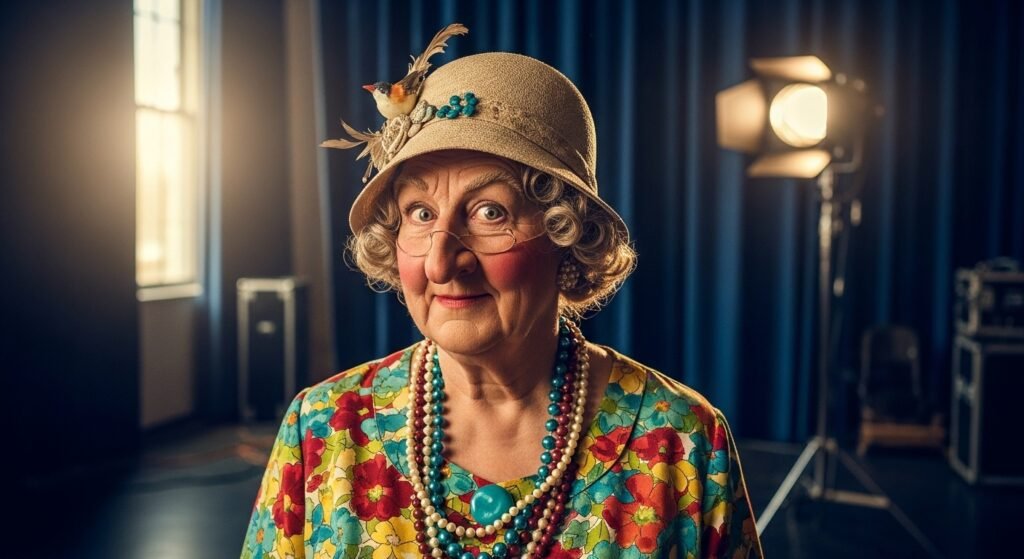
Hosting the Oscars is famously a thankless job, but Conan O’Brien made it look fun for the second year running. The Academy’s decision to bring him back after the 97th ceremony was an easy one: his blend of self-deprecating absurdity and genuine movie love had won over both the room and viewers at home. This year he opened with a pre-taped sketch that sent him wandering through the year’s nominated films in heavy prosthetic makeup, including a bit built around the horror hit Weapons, before striding onstage to deliver a monologue that roasted Hollywood’s excesses while celebrating its artistry.
What sets Conan apart as a host is his willingness to be the butt of the joke. Where some hosts punch down at nominees, he aims his sharpest barbs at himself, the ceremony’s length, and the industry’s pomposity, which keeps the room on his side. His running bits throughout the night, including callbacks to the opening sketch, gave the long broadcast a sense of shape. In an era when awards shows struggle for relevance, a host who can keep three-plus hours feeling brisk is worth his weight in gold statuettes.
A historic night for Sinners
No film defined the 2026 awards season like Sinners. Ryan Coogler’s supernatural thriller, set against the blues music of the Jim Crow-era South and starring Michael B. Jordan in a dual role as twin brothers, earned sixteen Academy Award nominations, breaking the all-time record for the most-nominated film in Oscar history. The previous record of fourteen, shared by All About Eve, Titanic, and La La Land, had stood for decades. For a genre film, and a spring release, no less, to achieve this was genuinely historic.
The film converted several of those nominations into wins on the night. Michael B. Jordan won Best Actor for his powerhouse dual performance, Ryan Coogler won Best Original Screenplay, Ludwig Göransson won Best Original Score for the film’s acclaimed blues-infused music, and cinematographer Autumn Durald Arkapaw won for the film’s stunning visuals. Each win felt like a breakthrough: for genre cinema, for Black filmmakers working at the highest level, and for the idea that a vampire movie could also be a serious work of art. The Sinners spotlight was the emotional spine of the evening.
One Battle After Another sweeps the top prizes
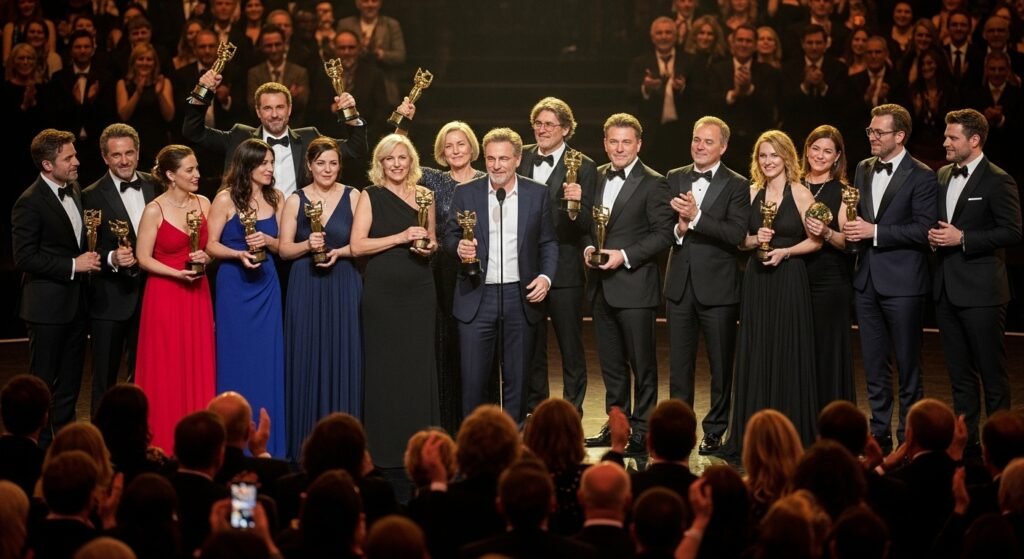
While Sinners owned the nominations record, Paul Thomas Anderson’s One Battle After Another owned the winner’s podium. The sprawling, politically charged epic won six Academy Awards, including the night’s biggest prize, Best Picture. Anderson himself won Best Director and shared the Best Adapted Screenplay award, confirming his status as one of the defining American filmmakers of his generation. The film also made history by winning the inaugural Academy Award for Best Casting, a brand-new category introduced for the first time at this ceremony.
The Picture-Director split that many had predicted, with Sinners taking the nominations crown and One Battle After Another taking the top trophies, gave the night a satisfying dramatic arc. It also reaffirmed the Academy’s enduring love for ambitious, auteur-driven storytelling. In a year when blockbusters and indies genuinely competed on equal footing, classic narrative filmmaking carried the day.
The acting winners: Jordan, Buckley, Penn, and Madigan
Beyond the two juggernauts, the acting categories delivered memorable results. Jessie Buckley won Best Actress for Hamnet, her devastating portrayal of Shakespeare’s wife earning some of the night’s most emotional speeches. Sean Penn won Best Supporting Actor for One Battle After Another, adding another Oscar to a career already decorated with two Best Actor wins. And Amy Madigan won Best Supporting Actress for the horror film Weapons, a genre-defying choice that continued the evening’s theme of horror cinema earning long-overdue respect.
Michael B. Jordan’s Best Actor win was arguably the night’s most celebrated moment. Playing twin brothers in Sinners required a technical and emotional high-wire act, and his victory speech, honoring both his collaborators and the film’s cultural roots, brought the Dolby Theatre to its feet. It was the kind of win that felt bigger than one performance: a coronation years in the making.
The speeches that stole the show
Beyond the trophies, the night belonged to the speeches. Jordan’s Best Actor acceptance was the emotional peak, as he thanked Coogler, his family, and the communities whose stories Sinners brought to the screen, dedicating the award to storytellers who dare to dream big. Buckley’s Best Actress speech for Hamnet moved the room with its raw honesty about grief and art. Madigan, winning Best Supporting Actress for Weapons, charmed everyone by admitting she had prepared nothing and speaking straight from the heart about a career spanning decades.
These unscripted moments are why people still watch awards shows live. A great acceptance speech can define a career and give audiences a glimpse of the person behind the performance. This year’s winners delivered that in abundance, balancing gratitude, humor, and genuine emotion. Even the presenters got in on the act, with several pairings earning laughs for their easy banter. When the speeches land, the Oscars feel less like an industry ritual and more like a celebration worth staying up for.
The mystery of the missing actor
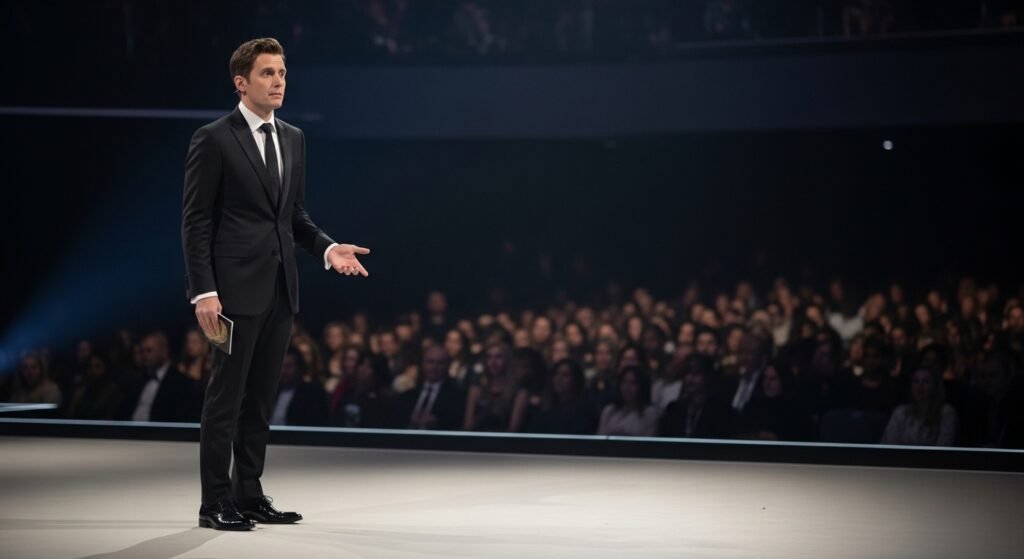
Every Oscars has at least one moment of delicious awkwardness, and this year’s belonged to the Best Supporting Actor category. When Sean Penn’s name was announced as the winner for One Battle After Another, the cameras searched the audience, and the actor was nowhere to be found. The presenter covered gamely, but the empty-seat energy created one of the night’s most talked-about oddities, with viewers immediately taking to social media to ask why Penn had not attended.
Absent winners are rare enough to become instant lore. Whether the no-show was a scheduling mishap, a statement, or simply a man who assumed he would lose, it gave the broadcast an unscripted jolt that no rehearsed bit could match. Conan, to his credit, found the funny in it without being cruel, which is exactly what the moment needed.
A rare tie for short film
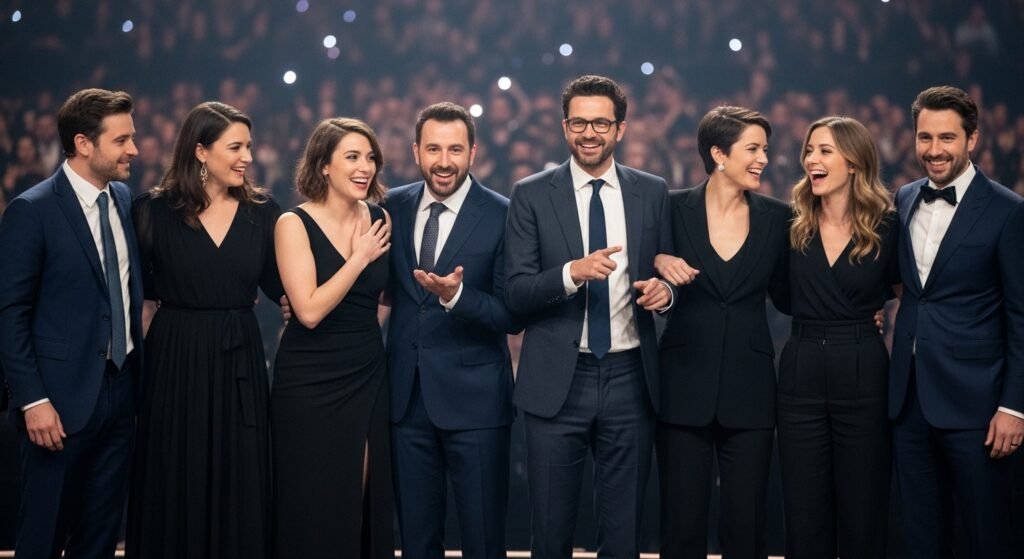
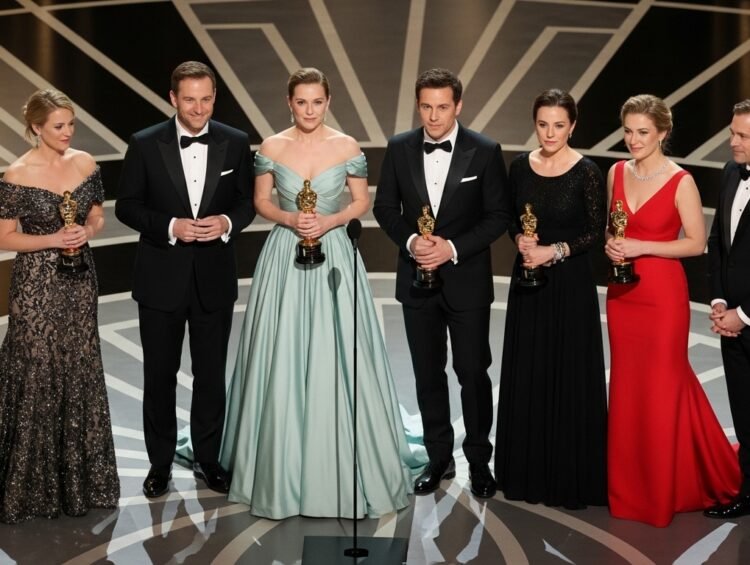
Oscar ties are extraordinarily rare, which made the dead heat in Best Live Action Short one of the night’s genuine shockers. Two filmmaking teams took the stage together to accept the award, a heartwarming sight that briefly turned chaotic as the production scrambled to accommodate two overlapping acceptance speeches. The audience loved it: there is something deeply appealing about an awards show forced to share its biggest honor.
Ties have decided Oscars only a handful of times in nearly a century of ceremonies, so witnessing one live felt like seeing a piece of Academy history. For the short-film community, which rarely gets the spotlight, the doubled celebration was a fitting tribute to a category full of deserving work.
Technical glitches and mic retractions
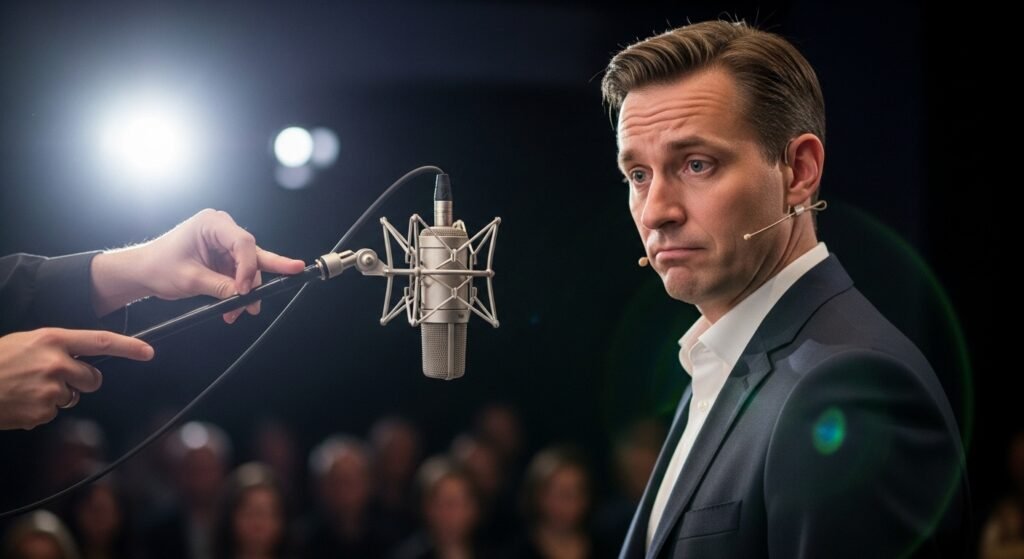
No Oscars is complete without a technical hiccup, and this year’s came during the already-chaotic short-film tie. As the two winning teams navigated their shared moment, a stage microphone was pulled back prematurely, cutting off one of the speeches mid-sentence and drawing groans from the audience. The broadcast cut awkwardly back to Conan, who smoothed things over with an improvised joke about the show’s budget.
Moments like these are the double-edged sword of live television. They are embarrassing in the moment and endearing in retrospect, proof that for all its polish, the Oscars are still a live show where anything can happen. Years from now, nobody will remember the smooth transitions, but everyone will remember the mic.
Red carpet fashion: old Hollywood meets new rules
The red carpet delivered its usual parade of statements. Classic Hollywood glamour, sculptural gowns, sharp tailoring, and archival vintage, mixed with bolder risks as stars continue to treat the carpet as a canvas for personal expression. Menswear kept pushing boundaries, with inventive suiting and accessories challenging the traditional tuxedo. As always, the best-dressed lists were debated fiercely online within minutes of the first arrivals, which has become half the fun of the modern Oscars.
What the night said about cinema in 2026
Step back from the individual moments and the 98th Oscars told a clear story about where film stands. Genre cinema, horror, thrillers, and supernatural tales, earned the industry’s highest honors, with Sinners and Weapons winning major awards. Auteur-driven epics still command the Academy’s ultimate respect, as One Battle After Another’s triumph showed. New categories like Best Casting signal an Academy willing to evolve. And a host who genuinely loves movies reminded everyone why the ceremony matters in the first place.
For all its glitches, absences, and overlong speeches, the night felt alive, a celebration of a year when original films drew crowds and took risks. Conan closed the show the way he opened it: funny, warm, and just self-aware enough. Hollywood’s biggest night, at ninety-eight, is still learning new tricks.