 Sarah Grey
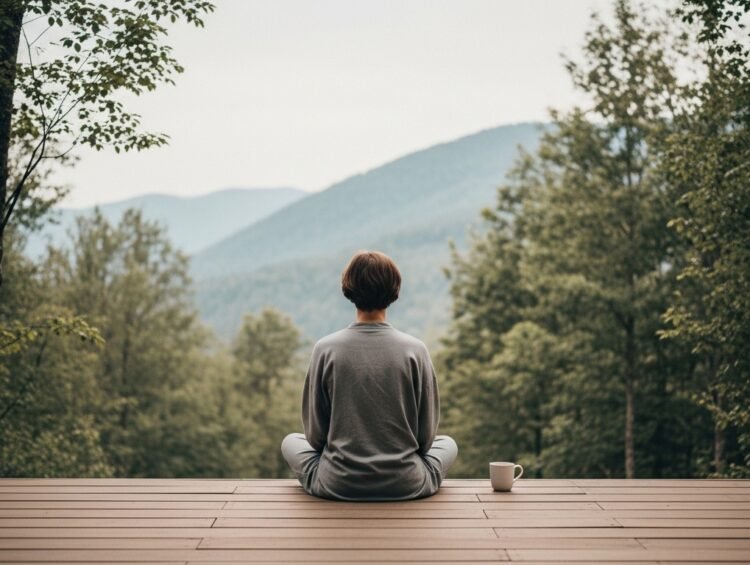
Vacations used to be about packing in as much sightseeing as possible, and travelers often returned home more exhausted than when they left. But a quiet shift has reshaped how we use our time off. More and more people are trading crowded tourist hotspots for peaceful places where the primary goal is simply to feel better. Wellness retreats have moved from the margins of the travel industry to its center, offering a chance to press reset on modern life. Whether tucked into a forest or set on a secluded beach, these escapes are redefining what it means to get away.
This is travel as restoration rather than consumption. Instead of collecting photos, retreat-goers collect practices: better sleep, calmer nerves, new rituals. Here is the full story of the wellness retreat boom, and how to choose the right one.
The New Definition Of A Great Getaway
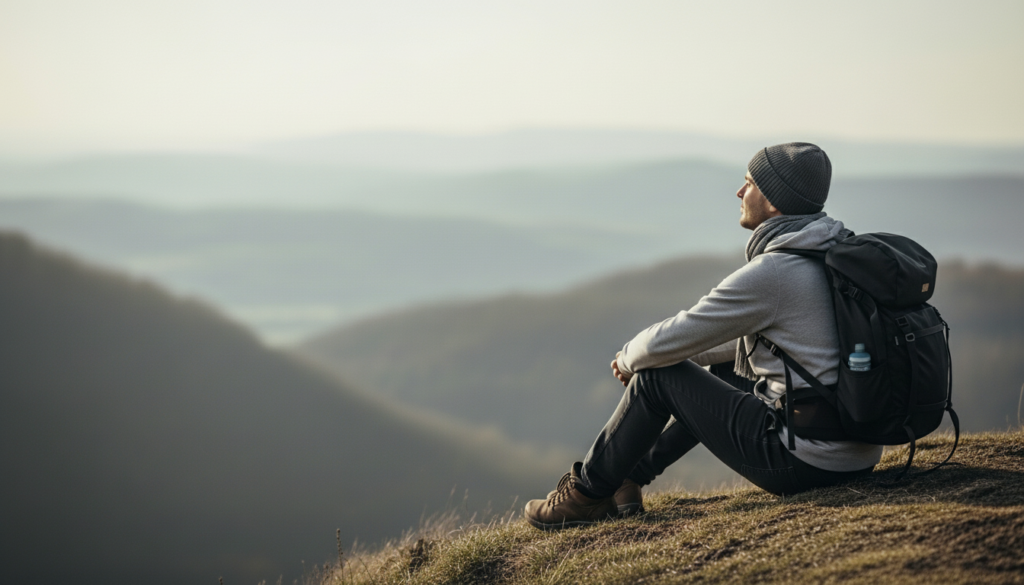
The great getaway is being redefined from the outside in. Where a successful trip once meant a packed itinerary, it now increasingly means a clear mind and a rested body. Travelers are abandoning the go-go-go ethos of conventional tourism in favor of holidays built around recovery, clarity, and genuine rest.
This is not laziness; it is a correction. Years of burnout have taught a generation that rest is productive, and the travel industry has responded with experiences designed around restoration rather than exhaustion. The new luxury is not doing more. It is needing less, and feeling more like yourself.
Trading Sightseeing For Soul Searching
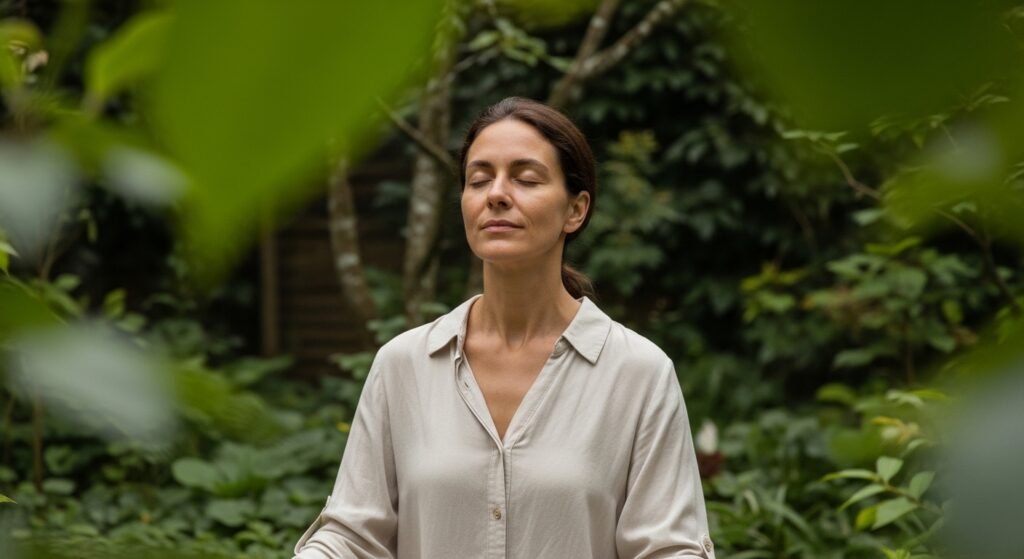
A photo of a famous landmark is pleasant, but retreat-goers are discovering that a quiet morning of reflection can be more memorable. Removed from routine and responsibility, people find perspective on their work, their relationships, and their health. The souvenir is internal, and unlike a snow globe, it does not gather dust.
Retreats create the conditions for this inner travel through thoughtful structure: guided meditation, journaling prompts, meaningful conversation, and above all, unscheduled time. In ordinary life, stillness is scarce and often tinged with guilt. At a retreat, it is the main attraction, and nobody apologizes for it.
Disconnecting To Truly Reconnect
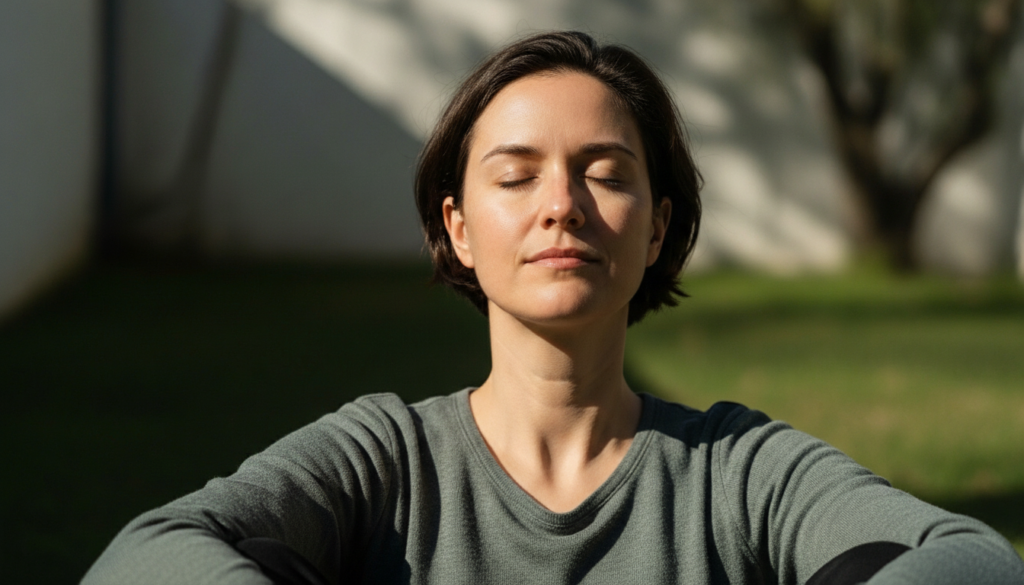
Constant connectivity makes presence nearly impossible. Most retreats now encourage guests to surrender their devices at check-in, creating a rare bubble free from notifications, breaking news, and the performative pressure of social media. The initial anxiety fades within a day, replaced by something many had forgotten: sustained, undivided attention.
The digital detox is often the most transformative part of the experience. Guests report deeper conversations, better sleep, slower mornings, and a startling realization of how much mental space their phones occupied. Many return home with new boundaries around technology, which may be the retreat’s most practical and lasting takeaway.
Finding Calm In The Great Outdoors
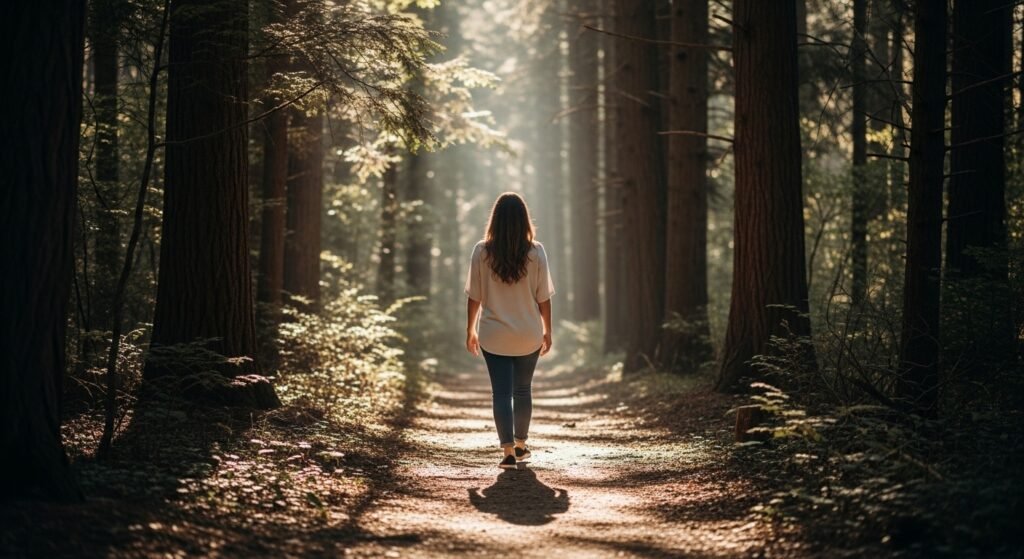
No city hotel can match the grounding power of nature. From forest bathing to mountain hikes to cold ocean swims, retreats use the natural world as a co-therapist. Time outdoors lowers cortisol, steadies the nervous system, improves sleep, and restores a sense of proportion that urban life steadily erodes.
Many programs build the entire schedule around the landscape: sunrise walks, outdoor yoga, meals eaten under the open sky, stargazing after dark. The setting is not a backdrop but the treatment itself. Nature does not hurry, and in its company, neither do you. That unhurried rhythm is increasingly the point.
The Rise Of The Social Sauna
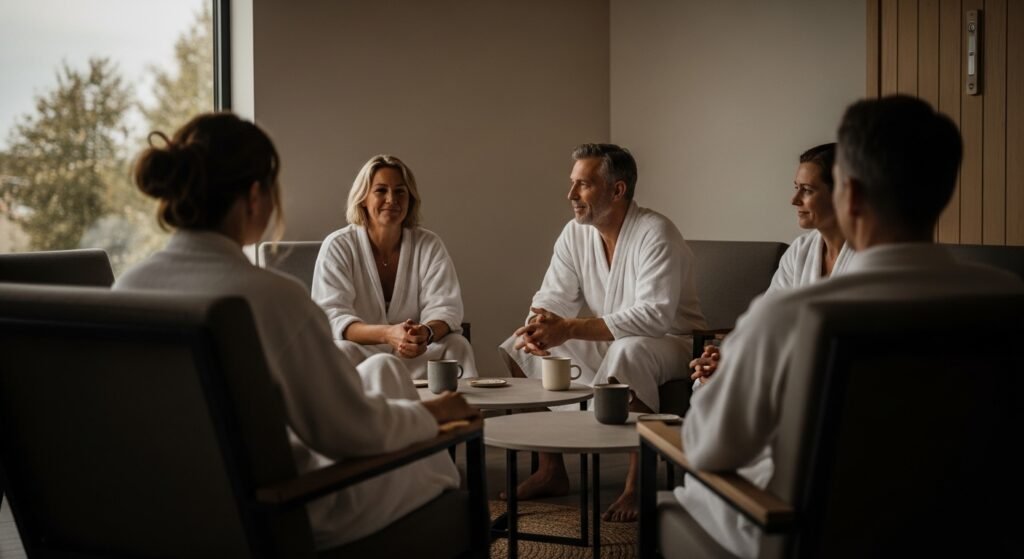
Wellness is becoming a shared experience. Social saunas, bathhouses, and thermal circuits are booming, offering relaxed places to rest and reconnect with others in a revitalizing setting. Health becomes a collective endeavor rather than a solitary quest, and the unhurried conversations held between steam sessions are often as healing as the heat itself.
The communal aspect answers a genuine hunger. Loneliness has become a public health crisis, and the bathhouse offers a gentle antidote: relaxed, unhurried togetherness without an agenda. Sweating side by side with strangers has a peculiar way of dissolving social armor and reminding people that they are not alone.
Longevity Is The New Souvenir
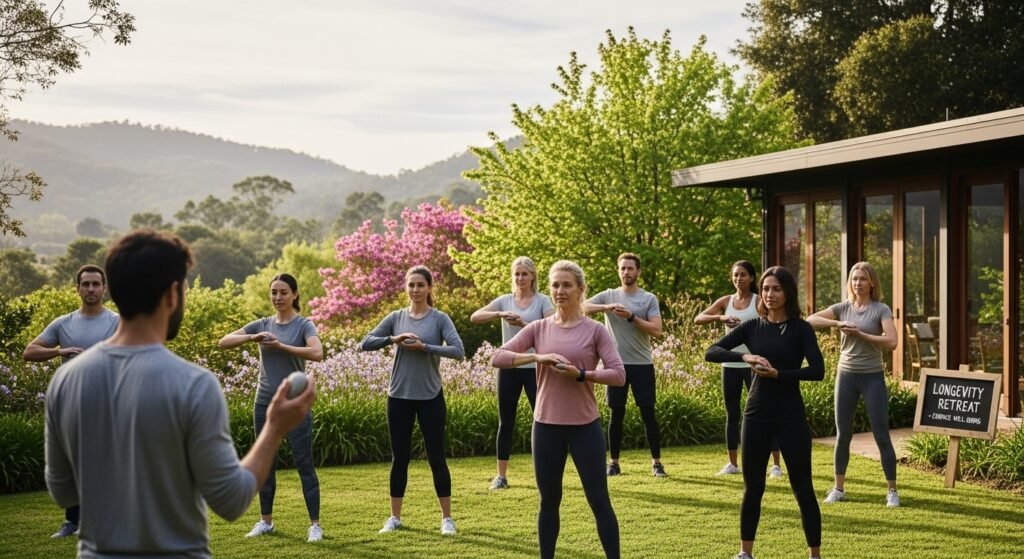
Instead of trinkets, travelers are bringing home habits for a longer, healthier life. Many retreats now center on longevity science: strength training for aging bodies, metabolic health, cold and heat exposure, and sleep hygiene, all taught as simple rituals guests can continue at home. The goal is not a temporary glow but a durable upgrade to daily life.
This practical turn distinguishes the modern retreat from the pampering spa vacation of decades past. Guests leave with protocols rather than just memories: a morning routine, a breathing practice, a new relationship with food and movement. The trip ends after a week, but the benefits compound for years.
Sleep As A Luxury Amenity

The ultimate travel luxury may be a perfect night’s sleep. Retreats are building entire experiences around sleep optimization: blackout rooms, precision bedding, circadian lighting, herbal wind-down rituals, and schedules that honor the body’s natural rhythms. For the chronically tired, the first full night of deep rest can feel revelatory.
Sleep tourism works because it treats rest as a skill to be learned rather than a state to be chased. Guests discover exactly how light, temperature, timing, caffeine, and evening habits shape their nights, and they return home able to recreate the conditions. Few souvenirs are as valuable as finally knowing how to sleep well.
Nervous System Care Takes Center Stage
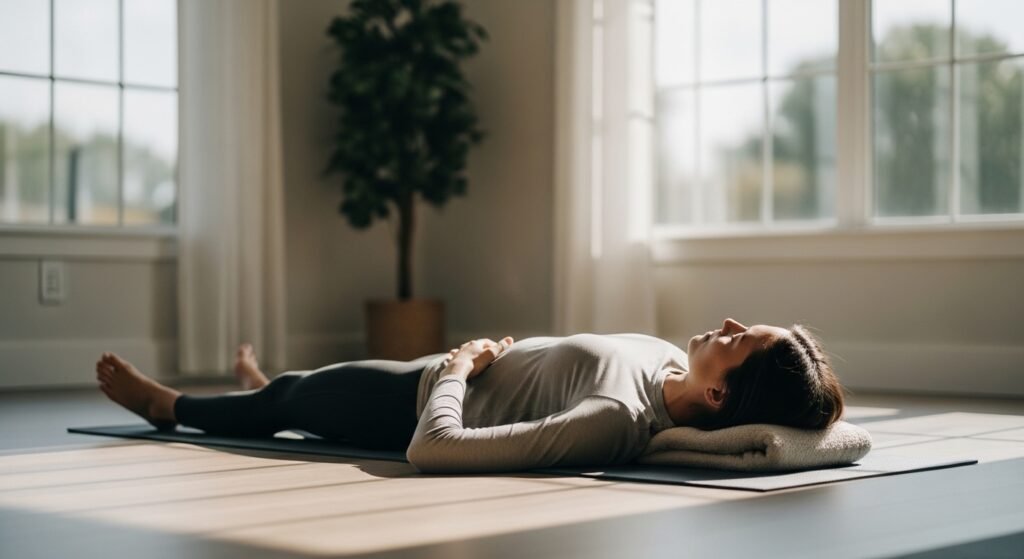
As the world grows noisier and more demanding, retreats are focusing on the nervous system itself. Gentle breathwork, sound baths, restorative yoga, and guided down-regulation practices help guests shift out of chronic fight-or-flight and into genuine ease. It is scheduled maintenance for the body’s most overloaded system.
The effects are tangible and often immediate: slower heart rates, deeper breathing, shoulders descending from around the ears. More importantly, guests learn to recognize their own stress signals and to intervene before burnout takes hold. Nervous system literacy may well be the defining wellness skill of this decade.
Personalized Wellness For Every Body
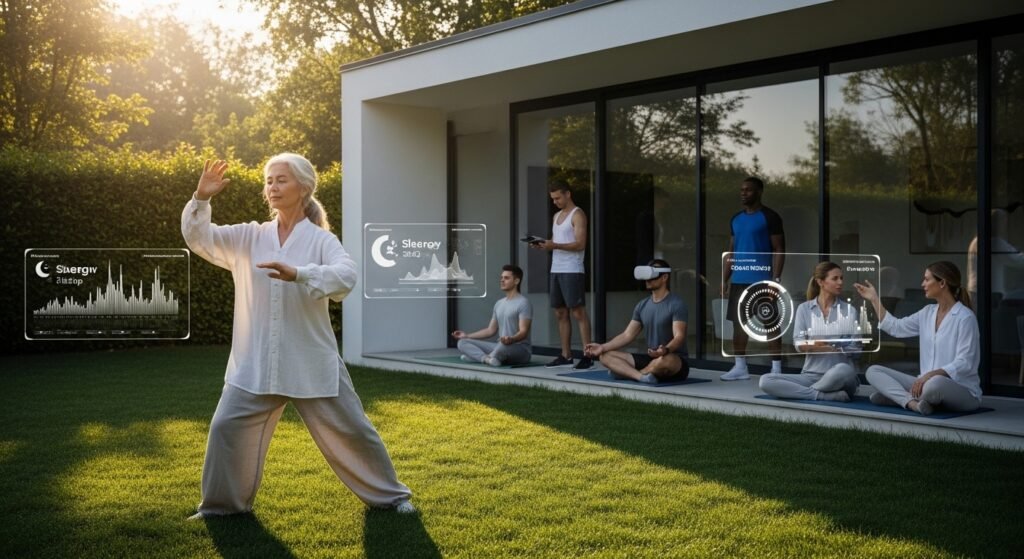
One-size-fits-all wellness is over. Leading retreats now tailor programs to the individual guest: sleep assessments, movement screenings, energy mapping, and nutrition guidance shaped around personal needs and limitations. The experience meets you exactly where you are, whether that means athletic ambition or the gentlest possible recovery.
Personalization also means genuine inclusivity. The best programs welcome every body, every age, and every fitness level, adapting practices to the person rather than demanding the person conform to the practice. Wellness that only works for the already well is not wellness at all; the retreat industry is finally learning that.
Culinary Journeys That Nourish

Retreat meals are about rejuvenation, not just fuel. Farm-to-table menus, hands-on cooking classes, and nutrition workshops show guests in delicious detail how food shapes mood, energy, digestion, and sleep. Eating becomes a mindful practice rather than a refueling stop, and many guests discover flavors and habits they happily carry home.
The communal table is part of the medicine. Long shared meals slow everyone down, spark real conversation, and quietly model a healthier relationship with eating. In a culture of desk lunches and doomscrolling dinners, the unhurried retreat table feels quietly radical, and guests notice the difference immediately.
A Lasting Impact Beyond The Trip
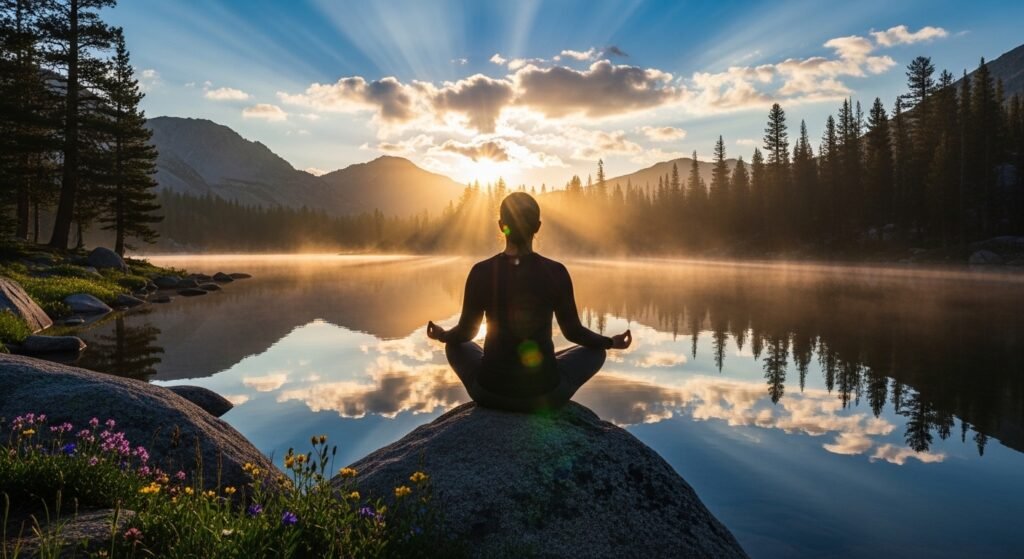
The real magic of a wellness retreat is what remains after the bags are unpacked. Time away offers a perspective that daily routine rarely allows, and many guests use it as a launching pad for lasting change: new morning routines, firmer boundaries around work, healthier relationships with food, sleep, and screens. The trip ends, but the transformation keeps unfolding.
That enduring impact is why the trend keeps accelerating. In a world engineered to keep us exhausted and distracted, choosing restoration is a quiet act of resistance. The wellness retreat is not an escape from real life; it is a rehearsal for a better one, and the rehearsal increasingly sticks.
How To Choose Your First Wellness Retreat
Start with intention, not Instagram. Before browsing glossy photos, decide what you actually need: deep rest, joyful movement, silence, community, or a reset of entrenched habits. Then match the program to that need, reading sample itineraries closely and checking what a typical day genuinely looks like, not just the highlights. The right retreat should feel like relief when you imagine it, not pressure.
Weigh the practicalities too: group size, food philosophy, digital policies, and how much unscheduled time is protected. Be wary of programs that pack every hour; the best retreats defend empty space for naps, wandering, and long unplanned walks. Book the one that promises less, and expect to return with more: more rest, more clarity, and a sturdier version of your everyday life.
If a full retreat feels like too much, start smaller: a single wellness day close to home, a weekend without your phone, or even one truly restful night treated like a ritual. The principles are the same at any scale. Rest is not the reward for finishing everything; it is the foundation that makes everything else possible. Book the trip, protect the quiet, and let yourself come home different.