 Sarah Grey
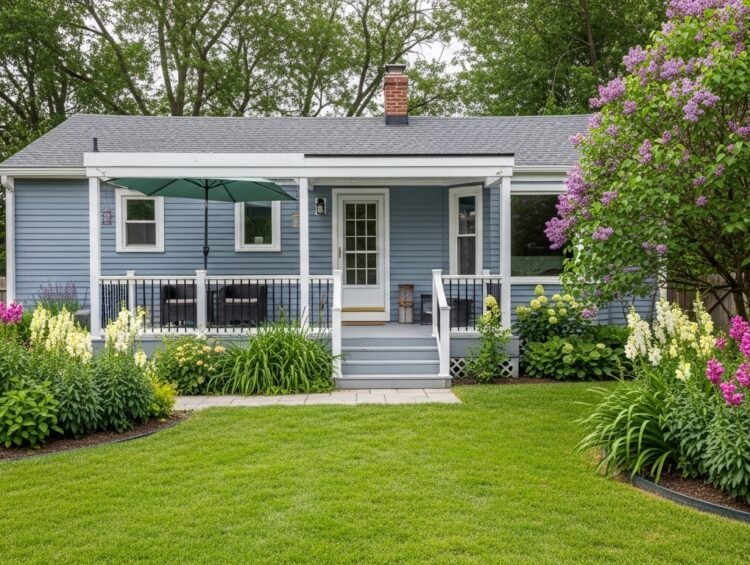
A quiet revolution is going on in backyards around the nation, and it smells just like your grandmother’s porch in July. While high-tech landscape lighting and manicured minimalist lawns have had their moment, gardeners are reaching for something more soulful. It is called nostalgia gardening: not a rigid set of rules, but a feeling. The urge to see the same bright snapdragons you pinched as a child, to catch a lilac’s scent and feel instantly at home. People are choosing the lived-in, personal, story-filled yard over the perfect one.
This is gardening as memory-keeping. Every plant choice becomes a small act of remembrance, every weathered path a link to the past. In a fast-moving world, the nostalgia garden offers something radical: slowness, continuity, and roots. Here is how the trend is blooming, and how to grow your own.
A Heartfelt Return To Roots
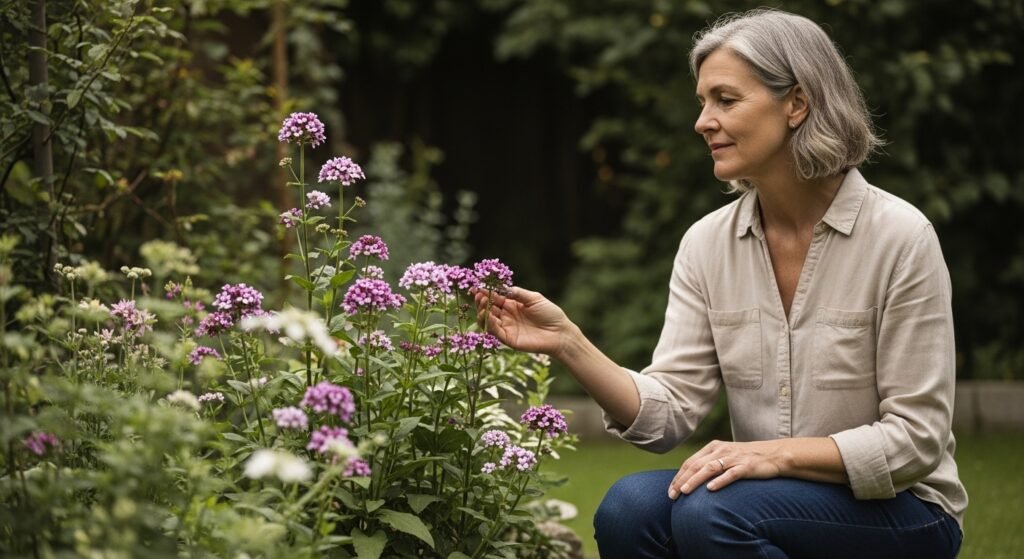
The sleek-and-sterile era is fading. Instead of copying catalog aesthetics, gardeners are consulting family history and childhood memories to decide what to plant. The emotional attachment matters more than the visual perfection. A crooked row of marigolds that recalls a grandfather’s vegetable patch outranks any designer border, because it means something.
This return to roots is also a rejection of disposability. Where the minimalist lawn demanded constant chemicals and mowing, the nostalgia garden asks for patience and presence. It rewards the gardener who watches, waits, and remembers. In that sense, it is less a style than a philosophy: grow what you love, love what you grow.
The Power Of Sentimental Scents

Smell is the fastest route to memory, and nostalgia gardeners plant accordingly. Lavender, old-fashioned roses, sweet peas, lilac, mock orange: these are the fragrances of childhood summers, of grandparents’ yards and Sunday afternoons. One breath can collapse decades, returning you to a time and place you thought was gone.
Design with your nose. Place fragrant plants where you will actually encounter them: beside the front steps, under a bedroom window, along the path to the mailbox. A scent garden does not need to be large to be powerful. Even a single pot of old-fashioned petunias by the door can turn an ordinary arrival home into a small homecoming.
Heirloom Plants With A Story
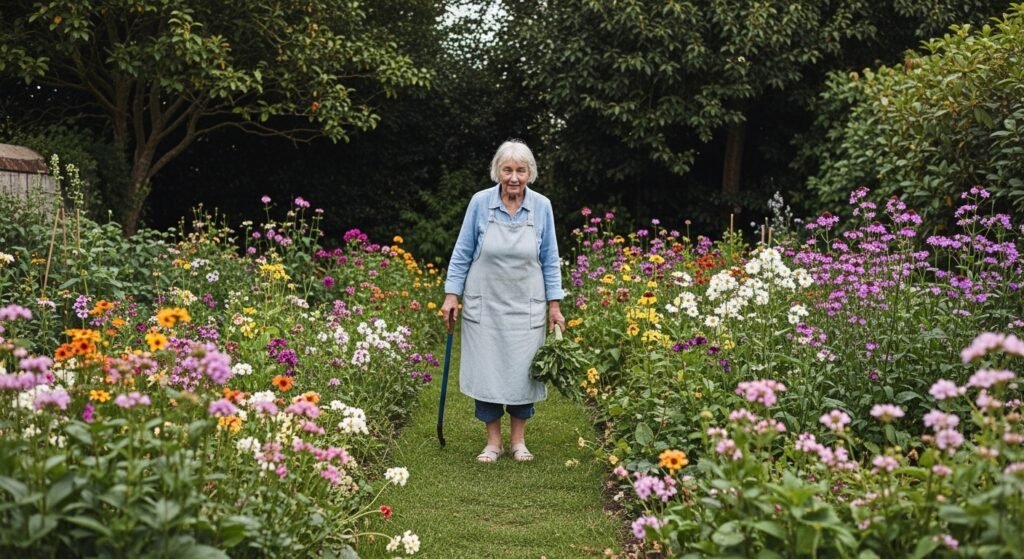
Heirloom varieties are living history. These are seeds handed down through generations, selected for flavor, fragrance, and character rather than shipping durability. Their colors are often stranger and more beautiful than modern hybrids, their tastes deeper. Planting them is an act of preservation, keeping a thread of the past alive in the present.
Start with what your family grew. Ask relatives about the tomatoes, beans, or flowers of their childhood; seed exchanges and heirloom nurseries can often supply the exact varieties. Growing the same Brandywine tomato your grandmother sliced every August is not just gardening. It is communion.
The Charm Of The Cottage Aesthetic
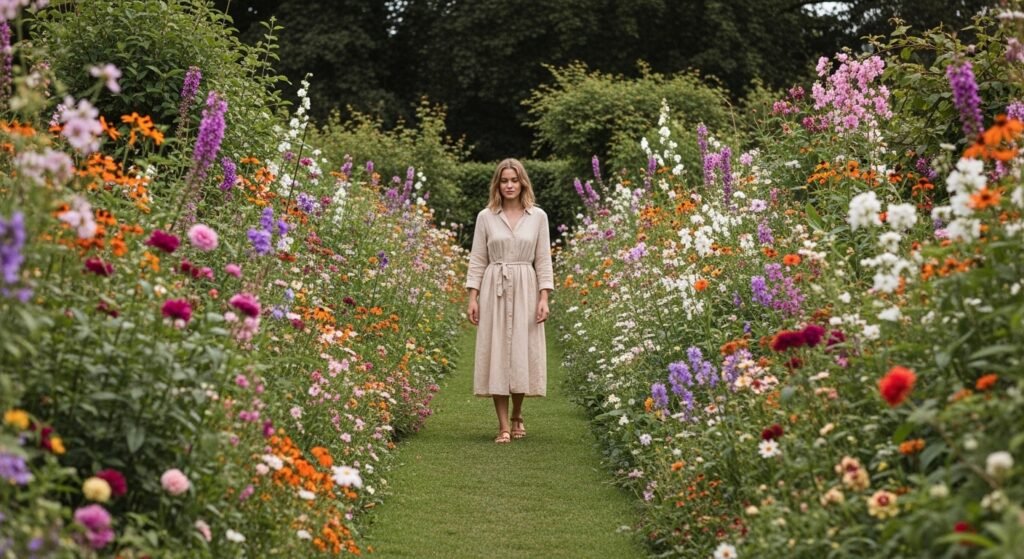
At the heart of the trend is happy messiness. Picture abundant flower beds with stems spilling over pathways, colors mixing freely, foxgloves leaning against roses. This is the old-fashioned cottage garden of American neighborhoods past: generous, informal, and gloriously unconcerned with perfection.
The cottage look is also forgiving, which makes it ideal for beginners. There are no straight lines to maintain, no color schemes to police. Plant densely, let things self-seed, and allow the garden to compose itself. The result looks effortless because, in the best way, it partly is.
Reimagining Grandma’s Favorite Peonies
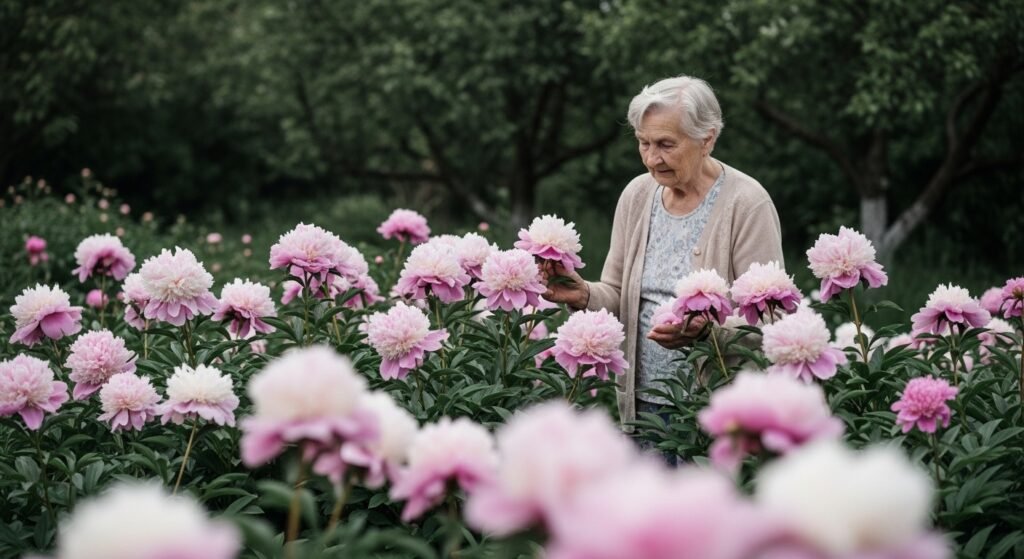
Peonies are the undisputed stars of the nostalgia garden, with their huge, pillowy blooms and intoxicating scent. They are also the ultimate slow-gardening flower: a new plant may take years to settle, then bloom faithfully for decades, even outliving the gardener who planted it. That longevity is the point. Peonies are a promise to the future disguised as a flower.
Give them pride of place and patience. Plant peony crowns in fall, resist the urge to move them, and support the heavy heads with discreet hoops. When they finally open, in late spring, the payoff is overwhelming: armfuls of blossoms that smell like every happy memory at once.
Incorporating Weathered Hardscaping Elements
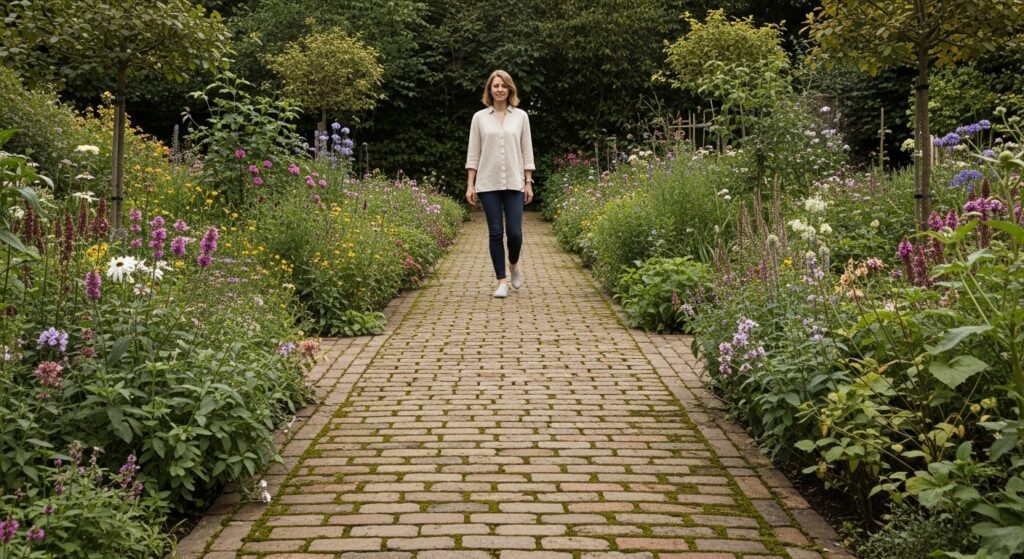
A concrete patio is practical, but an old brick walk with moss creeping through the joints tells a story. Weathered stone, reclaimed brick, and aged wood give a garden the feeling of having always been there. Salvaged materials carry their own history into your yard, layering time upon time.
You do not need a full renovation to get the effect. A single reclaimed-stone step, a weathered bench, or a gravel path edged with old bricks can age a new garden overnight. Let moss and patina do their work; the goal is a garden that looks settled, not installed.
The Return Of The Birdbath
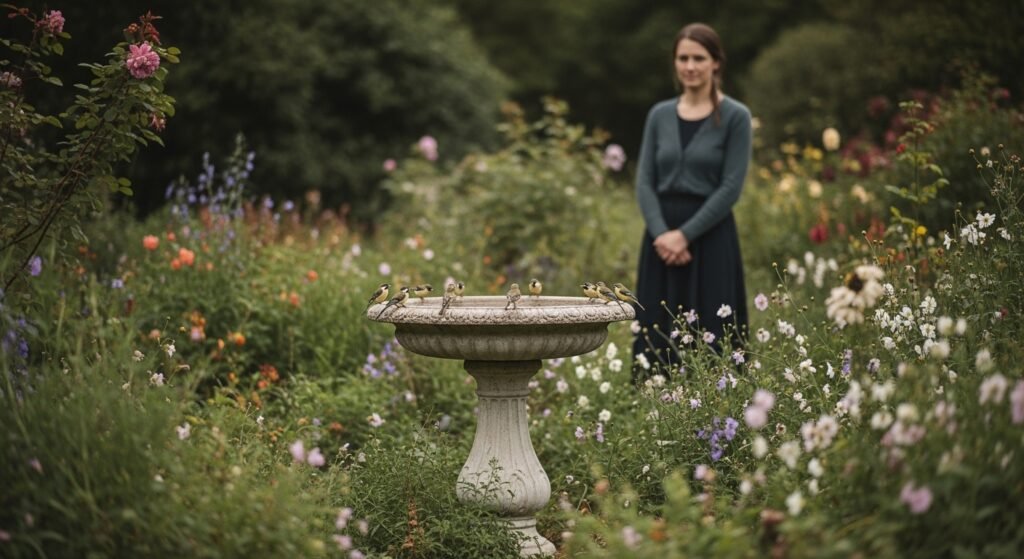
Traditional birdbaths and simple stone fountains are reclaiming their place as garden centerpieces. Beyond their classic good looks, they invite nature back in: birds, bees, butterflies, and beneficial insects all gather at the water. A birdbath turns a yard into a small sanctuary, for wildlife and for the watcher.
Choose stone or concrete over plastic, and place the bath where you can see it from a favorite window. Keep the water fresh and shallow, with a stone for perching. Then wait. The first time a robin splashes at dawn, you will understand why this old-fashioned feature never really deserved to leave.
Wildflowers And Childhood Wonder
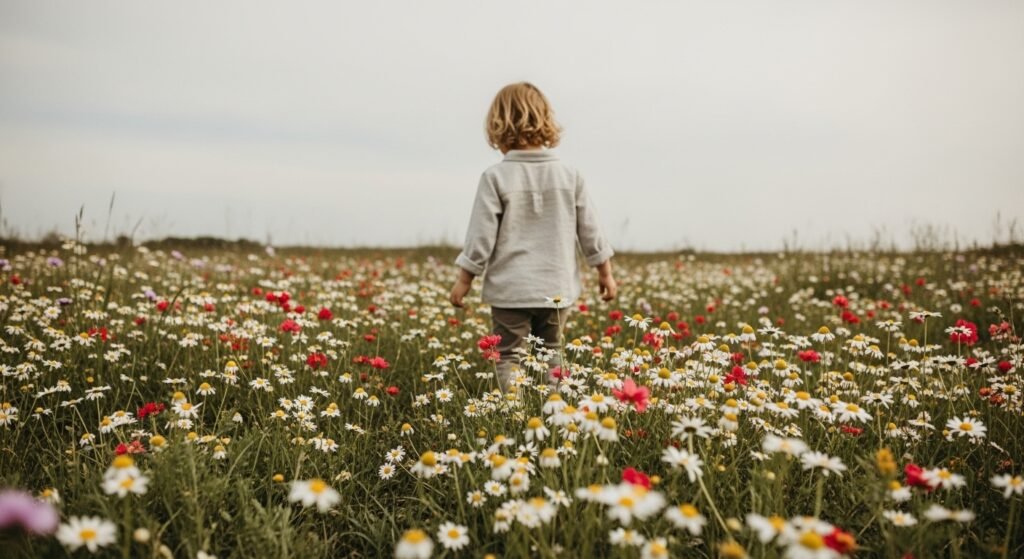
Remember making daisy chains and hunting four-leaf clovers? Planting wildflowers restores that untamed play to the modern yard. A patch of native blooms is also an ecological gift: it feeds pollinators, needs little water once established, and asks almost nothing in return.
Start small if a full meadow feels daunting. A sunny corner sown with a regional wildflower mix will surprise you by midsummer. Let it go a little wild; resist deadheading everything. The goal is not a display but a habitat, one that happens to be beautiful.
Vintage Containers And Repurposed Finds
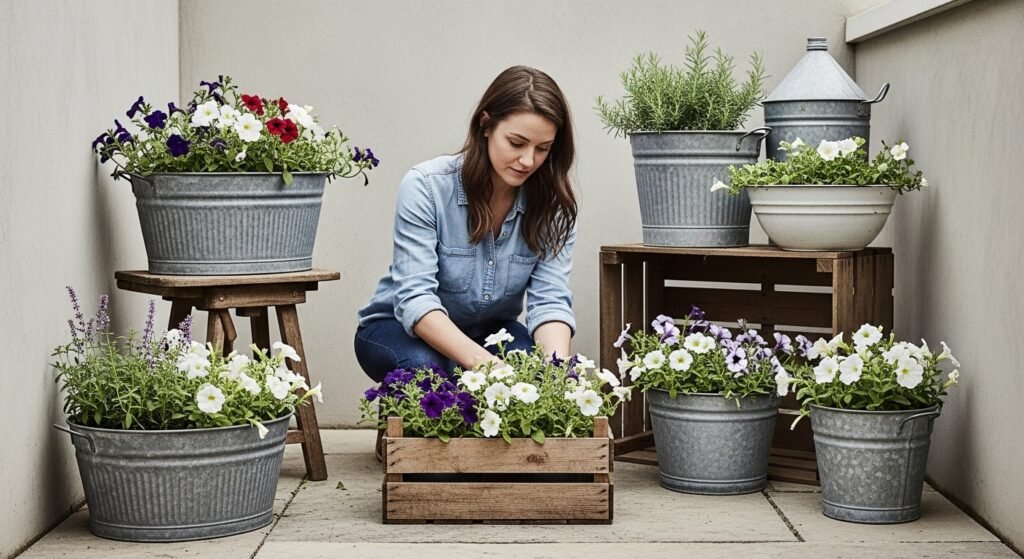
Nostalgia gardening loves a second life. A galvanized bucket, a chipped ceramic pitcher, an aged wooden crate: each becomes a characterful home for petunias, herbs, or trailing vines. Repurposed containers add instant history and keep good objects out of landfills.
Hunt flea markets, attics, and curbsides with drainage in mind; a drill and a masonry bit solve most problems. Group containers in odd numbers for a collected-over-time look. The slight mismatch is the charm. A garden of found objects feels personal in a way that matching store-bought pots never can.
Creating A Private Sanctuary
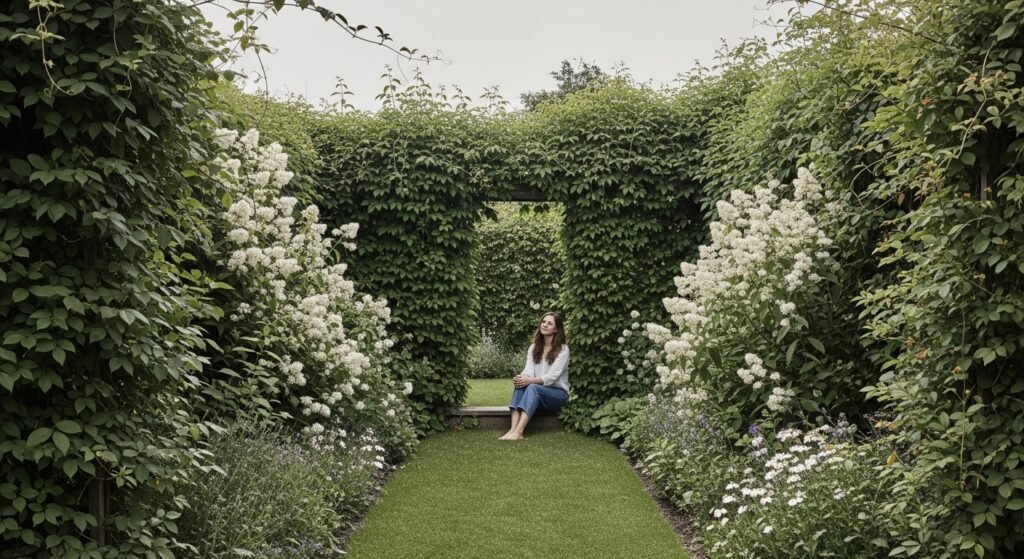
Tall shrubs and trellises heavy with climbing vines create garden rooms: enclosed, green, secret. This old design trick turns even a modest yard into a retreat, a place apart from the world’s noise. In an era of constant connectivity, a private outdoor room is a genuine luxury.
You do not need acres. A single arbor draped in clematis, a corner screened by lilacs, or a bench tucked behind tall grasses can create the feeling of seclusion. Add a comfortable seat and you have built the most valuable room in the house, one with no roof and no notifications.
Why Nostalgia Gardening Is Good For You
The benefits go beyond beauty. Research consistently links gardening to lower stress, better mood, and improved physical health, and the nostalgia garden adds an emotional dimension: it connects you to your own story. Tending plants your grandmother grew is a form of active remembrance, a way of keeping loved ones present in daily life.
There is also the simple medicine of slowness. A nostalgia garden cannot be rushed; peonies, moss, and patina all operate on their own timelines. In caring for them, gardeners practice the increasingly rare art of waiting. That patience spills over into the rest of life, which may be the trend’s most valuable harvest.
Finally, these gardens build community. Heirloom seeds get shared over fences, cuttings get passed between neighbors, and garden stories get told across generations. The nostalgia garden is never just one person’s project; it is a neighborhood archive, growing.
How To Start Your Own Nostalgia Garden
Begin with memory, not a shopping list. Write down the plants, scents, and garden moments you loved as a child, then ask family members for theirs. Choose three to five of those plants suited to your climate and plant them first. Add one weathered element, one fragrant plant by the door, and one repurposed container. That is enough to start.
Then let time do the rest. Nostalgia gardens are not installed; they accumulate. A peony takes years, a brick path takes seasons to moss over, and a garden’s stories take a lifetime to gather. That is precisely the appeal. In planting for memory, you are also planting for the future, creating the very scenes someone will one day remember as home.
The most beautiful nostalgia gardens are never truly finished, and that is their gift. Each season adds a layer: a rose that finally climbs the trellis, a volunteer seedling from a neighbor’s yard, a stone worn smoother by another year of footsteps. Keep a garden journal, press a flower, save the seeds. You are not just growing plants; you are growing the memories someone will garden by someday.