
 Sarah Grey
In recent years, travel has become more complex. Airfares shift daily, hotel rates increase unpredictably, and even simple outings require planning. However, experienced travelers continue to explore the world without overspending. They rely on flexible timing, comparison tools, loyalty benefits, and smart routines that cut expenses without sacrificing enjoyment. Saving money does not require extreme budgeting. It demands awareness and consistent habits. Small decisions, made frequently, produce noticeable results. From planning and packing to booking and spending, every step offers opportunities to save. The strategies below reflect the practices of seasoned travelers. Each tip is practical, realistic, and can be implemented before your next trip.
What separates savvy travelers from overspenders is not income but approach. Smart travelers research before they book, remain flexible when possible, and understand the systems that determine prices. They know when to book, where to look, and how to avoid common traps. This guide distills eleven insider strategies that can save hundreds on your next adventure, whether you are planning a weekend getaway or an international expedition.
1. Flexible Date Planning

Airfares vary significantly by day of week and season. Midweek flights are typically cheaper than weekend departures, sometimes by hundreds of dollars. Checking alternate dates before booking can reveal substantial savings. Even shifting your travel by a single day can dramatically reduce fares. Use flexible date search tools on booking sites to compare prices across a range of dates.
Flexibility extends beyond just the day of week. Traveling during shoulder seasons, the periods between peak and off-peak, often offers the best balance of good weather and lower prices. If your schedule allows, avoid major holidays and school vacation periods when demand drives prices up. The most flexible travelers can save 30 to 50 percent simply by choosing less popular travel times.
2. Incognito Fare Searches
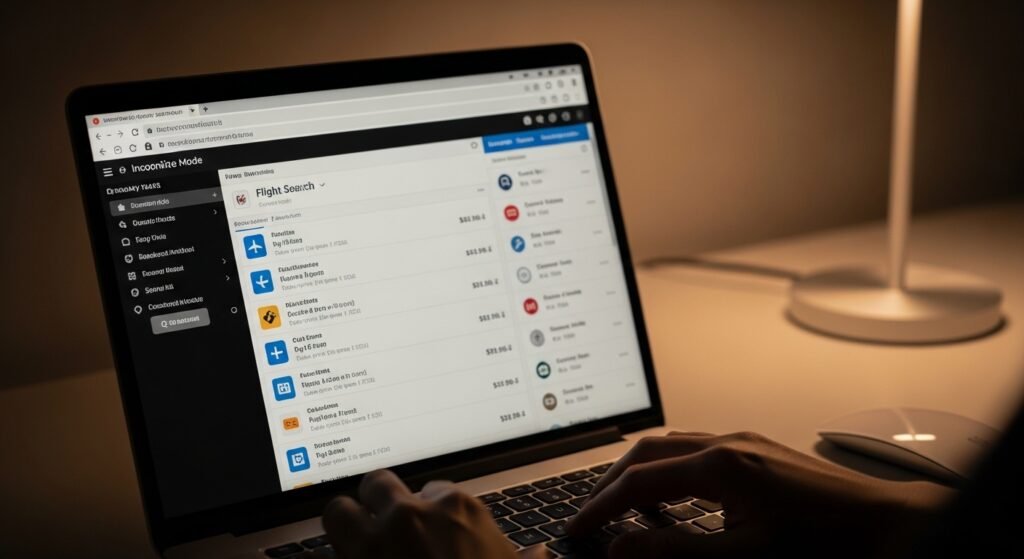
Repeated searches for the same route can trigger price increases as booking sites track your interest through cookies. Using private or incognito browsing mode prevents this price tracking. Comparing rates across different devices and browsers can also reveal better deals. Always clear cookies or use a fresh browser session when you are ready to book.
Additionally, try searching from different locations using a VPN, as prices can vary by country. Some travelers report significant savings by booking through international versions of airline websites. While not guaranteed, these techniques cost nothing to try and can occasionally uncover surprisingly lower fares for the exact same flights.
3. Early Morning Departures

Early morning flights are typically cheaper and less crowded than midday or evening departures. They also experience fewer delays since they are at the start of the airline’s daily schedule. Choosing a 6 AM flight over a 10 AM flight can save money while getting you to your destination with a full day ahead. The inconvenience of an early alarm is offset by the savings.
Red-eye flights offer similar savings for longer routes. While less comfortable, overnight flights maximize your time at the destination and often cost significantly less. Bring a neck pillow, eye mask, and earplugs to make the experience more bearable. The money saved can fund an extra day of activities or a nicer hotel.
4. Carry-On Only Packing
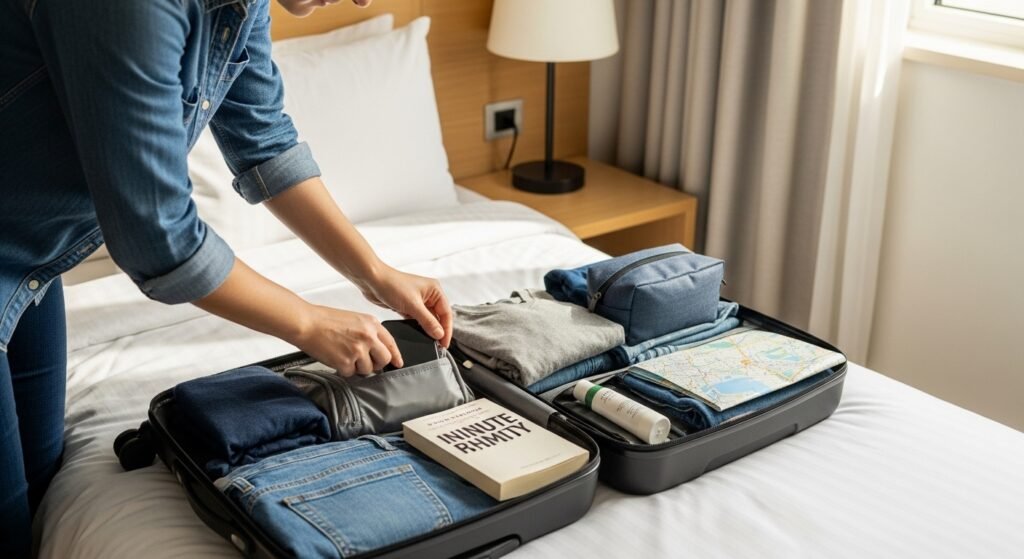
Most airlines now charge for checked baggage, with fees ranging from 30 to 75 dollars each way. Packing efficiently in a carry-on eliminates these fees entirely. It also speeds up your airport exit and eliminates the risk of lost luggage. Learning to pack light is one of the most valuable travel skills you can develop.
Master the art of capsule packing: choose versatile pieces in coordinating colors that can be mixed and matched. Roll clothes instead of folding to save space and reduce wrinkles. Wear your bulkiest items on the plane. With practice, you can pack for a week in a carry-on, saving money and hassle on every single trip you take.
5. Local Accommodation Options

Hotels are not your only option. Family-run guesthouses, apartment rentals, and hostels often cost significantly less while offering more space and local character. Apartments with kitchens allow you to prepare some meals, saving substantially on dining costs. Staying in residential neighborhoods also provides a more authentic experience of local life.
Consider house-sitting or home exchanges for extended stays. These options can eliminate accommodation costs entirely. Even for shorter trips, look beyond the main tourist districts. A 15-minute metro ride from the center can cut your lodging costs in half while immersing you in local life. Read reviews carefully and prioritize safety and cleanliness above all else.
6. Loyalty Program Enrollment
Airlines and hotel chains reward repeat customers with points, upgrades, and exclusive deals. Joining loyalty programs is free and takes only minutes. Points accumulate over time and can be redeemed for free flights, hotel nights, or upgrades. Even occasional travelers benefit from membership perks like free Wi-Fi or late checkout.
Concentrate your bookings with one or two alliances to accumulate points faster. Use the airline’s shopping portal for everyday purchases to earn extra miles. Credit cards affiliated with loyalty programs can accelerate earnings dramatically. The key is consistency: pick programs that align with your most frequent routes and stick with them for maximum benefit.
7. Public Transport Over Taxis

Many cities have excellent metro, bus, and tram networks that cost a fraction of taxi fares. Public transport is not only cheaper but often faster during rush hour. It also provides a genuine feel for local daily life. Purchase day passes or multi-day transit cards for the best value and convenience.
Research transit options before you arrive. Download local transit apps and offline maps. In many European and Asian cities, public transport from the airport costs under five dollars compared to 50 or more for a taxi. Walking is free and often the best way to discover hidden gems. Embrace the local commute as part of the adventure.
8. Advance Attraction Booking

Museums, tours, and attractions often offer online discounts for advance purchases. Booking ahead also lets you skip long ticket lines, saving valuable vacation time. Many cities offer sightseeing passes that bundle multiple attractions at a reduced price. Compare pass costs against your planned itinerary to ensure real savings.
Look for free museum days, which many institutions offer monthly. Walking tours, often tip-based, provide excellent orientation for a fraction of bus tour costs. Check official tourism websites for discount codes and package deals. Planning your sightseeing in advance prevents impulse spending on overpriced last-minute options.
9. Credit Card Travel Benefits
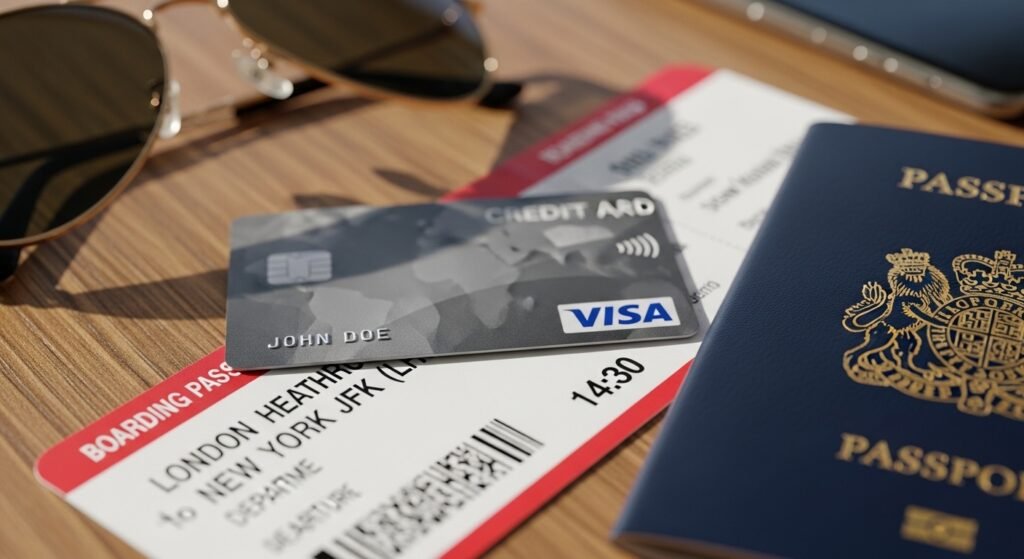
Travel rewards credit cards offer airport lounge access, travel insurance, and points on every purchase. Review your card benefits before traveling to maximize available perks. Some cards include free checked bags, priority boarding, or hotel elite status. The annual fee is often offset by the benefits for frequent travelers.
Use your rewards card for all travel bookings to earn maximum points. Pay off the balance monthly to avoid interest charges that negate the rewards. Look for cards with no foreign transaction fees for international trips. Sign-up bonuses alone can fund a free flight or hotel stay. Choose cards that align with your spending patterns and travel goals.
10. Off-Season Travel Choices

Traveling during off-peak seasons dramatically reduces costs. Fewer visitors mean lower accommodation rates, cheaper flights, and less crowded attractions. The experience is often more pleasant and authentic without tourist crowds. Many destinations are beautiful year-round, not just during peak season.
Research the shoulder season for your destination, when weather is still good but crowds have thinned. For example, visit Europe in April-May or September-October instead of summer. Tropical destinations are often cheapest during rainy season, when showers are brief and prices drop significantly. Flexibility with timing is the single biggest money-saver for budget travelers.
11. Currency Exchange Awareness
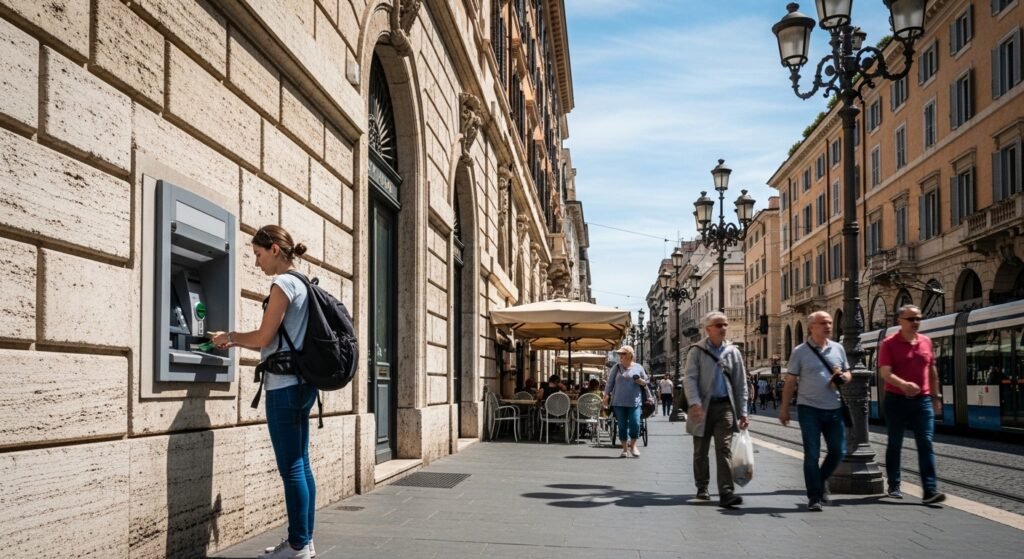
Airport exchange counters offer terrible rates with high fees. It is almost always better to withdraw local currency from a reputable bank ATM at your destination. Monitor exchange rates before traveling to budget accurately. Use credit cards with no foreign transaction fees for purchases to get the best possible rates.
Notify your bank of travel plans to avoid card blocks. Withdraw larger amounts less frequently to minimize ATM fees. Avoid dynamic currency conversion, where merchants offer to charge in your home currency at poor rates. A little awareness about money matters can save 5 to 10 percent on all your foreign spending, adding up to significant savings over a long trip.
Putting It All Together
Traveling smarter is about making informed choices at every stage of your journey. Start with flexible planning and smart booking strategies, pack light to avoid fees, choose accommodations wisely, and spend thoughtfully at your destination. Each tip alone saves a little money; together, they can cut your travel costs by 30 to 50 percent. The money saved means more trips, longer stays, or upgraded experiences that enhance your adventures. Begin implementing these strategies today, and watch your travel budget stretch further than you ever thought possible. Happy travels and safe journeys! Enjoy every moment of your amazing adventures around the world.