 Sarah Grey
For decades, tourism promised prosperity for quiet American towns. Visitors meant jobs, thriving main streets, and a sense of being discovered. But lately, that bargain is being questioned. In town after town, residents are asking whether the costs of tourism fame, crowded streets, soaring housing prices, strained services, now outweigh the benefits.
This is not about hating visitors. It is about communities reaching a breaking point, where the character that attracted tourists in the first place is being eroded by too many of them. Here are eleven American towns where locals are pushing back.
Sedona, Arizona
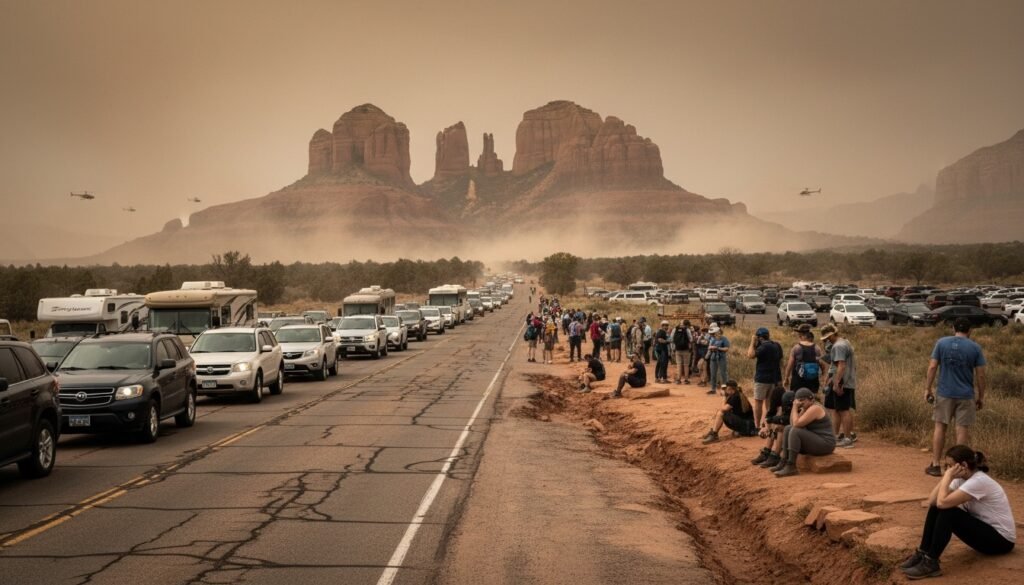
Red rocks draw visitors nonstop, yet growing crowds wear down roads, parking spots, and open spaces. People are getting tired: noise pollution, damaged hiking trails, and rising traffic clog daily life. The peace once felt here now shifts under relentless visitor flow.
Sedona’s popularity has exploded in recent years, driven by social media and its reputation as a spiritual destination. Trailheads that once saw a handful of hikers now overflow by mid-morning. The traffic on the town’s two main roads can back up for miles.
Residents have responded with shuttle systems, parking restrictions, and campaigns urging visitors to respect the land. But the fundamental tension remains: a small desert town with infrastructure built for thousands now hosts millions.
The lesson of Sedona is that natural beauty is fragile. Loving a place to death is a real phenomenon, and the red rocks cannot advocate for themselves. Locals have become their voice.
Key West, Florida
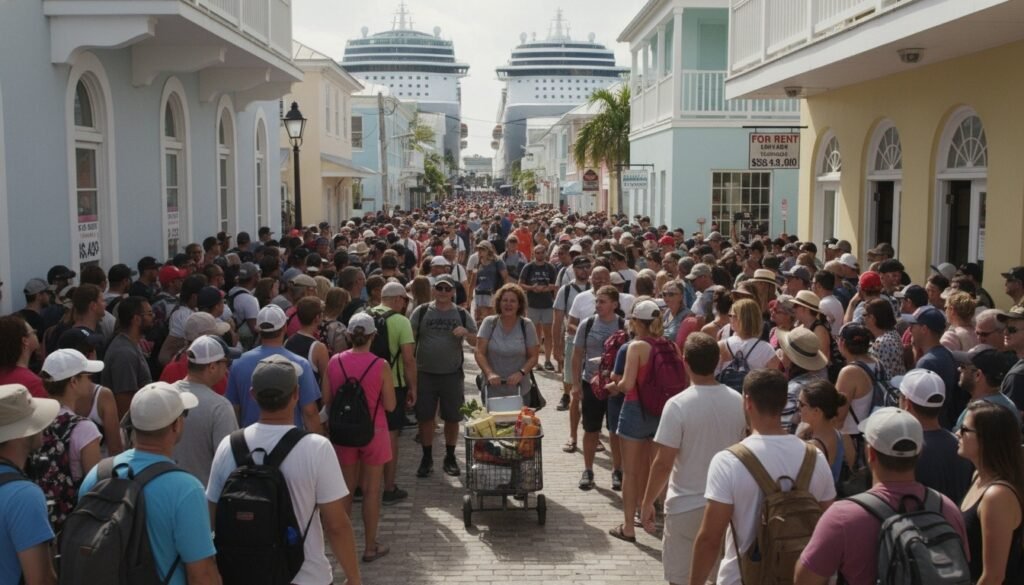
Daily routines in Key West often feel controlled by tourism, leaving many residents overwhelmed. Streets swell with cruise passengers, turning basic chores into challenges. As housing grows scarce and rents climb, people born here are driven away, fueling demands to restrict visitor numbers.
Cruise ships are the flashpoint. When multiple ships dock, thousands of day-trippers flood the small island’s streets, overwhelming infrastructure designed for a fraction of that number. Residents have voted to limit cruise ship sizes and numbers.
The housing crisis is acute. Workers who keep the tourism economy running cannot afford to live on the island. Longtime residents watch their community hollow out, replaced by vacation rentals and investment properties.
Key West’s fight reflects a broader question: who is a tourist town for? When the people who make a place special can no longer afford to live there, something essential is lost.
Bozeman, Montana

Bozeman grew faster than anyone expected. More people visited, while others arrived to stay, drawn by remote work and mountain lifestyle. The run on homes pushed prices to levels longtime residents cannot afford. Life shifted underfoot, and the old feel of the town is fading.
What happened in Bozeman is a case study in pandemic-era migration. Affluent newcomers, able to work remotely, bid up housing in a market with limited supply. The result: a town where teachers, nurses, and service workers are priced out.
Tourism compounds the pressure. Yellowstone’s gateway towns see massive seasonal influxes, and Bozeman’s airport has become one of the fastest-growing in the country. The infrastructure struggles to keep pace.
Locals are not anti-growth exactly. They are pro-community, and they are watching their community transform into something unrecognizable. The question is whether Bozeman can grow without losing its soul.
Telluride, Colorado
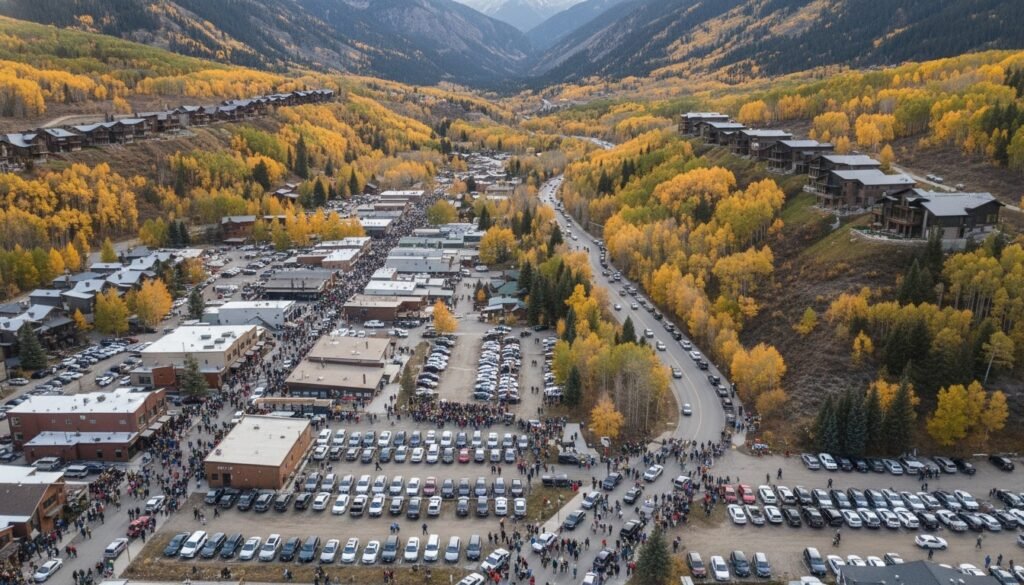
Beauty pulls people to Telluride every season, yet space runs tight when crowds arrive without pause. Parking vanishes, roads swell with cars and pedestrians, and homes stay out of reach for most workers. Living here now feels harder than happy for many, weighed down by constant congestion.
Telluride’s geography is both its glory and its constraint. Tucked into a box canyon, the town physically cannot sprawl. Every new visitor competes for the same limited space, the same parking spots, the same trails.
The workforce housing crisis is severe. The people who operate the lifts, serve the meals, and clean the hotel rooms increasingly commute from far away or live in crowded conditions. A resort town without workers is a contradiction.
Telluride’s beauty is undeniable, but beauty alone does not sustain a community. The town is grappling with how to remain a place where people live, not just visit.
Savannah, Georgia

Through Savannah’s old neighborhoods, tour groups pass by each day in large numbers. Residents grumble about noise, congestion, and short-term rentals taking over residential areas. Keeping tradition alive while accommodating visitors feels harder than before.
Savannah’s historic district is a residential neighborhood as well as a tourist attraction. That dual identity creates friction. Tour buses, carriage rides, and pub crawls bring noise and crowds to streets where people live.
Short-term rentals have hollowed out some blocks, replacing neighbors with rotating visitors. The city has imposed regulations, but enforcement is challenging and the economic incentives for conversion are powerful.
Savannah’s charm is its lived-in quality, the sense that this beautiful old city is a real place, not a museum. Preserving that quality while welcoming millions of visitors is the central challenge.
Moab, Utah
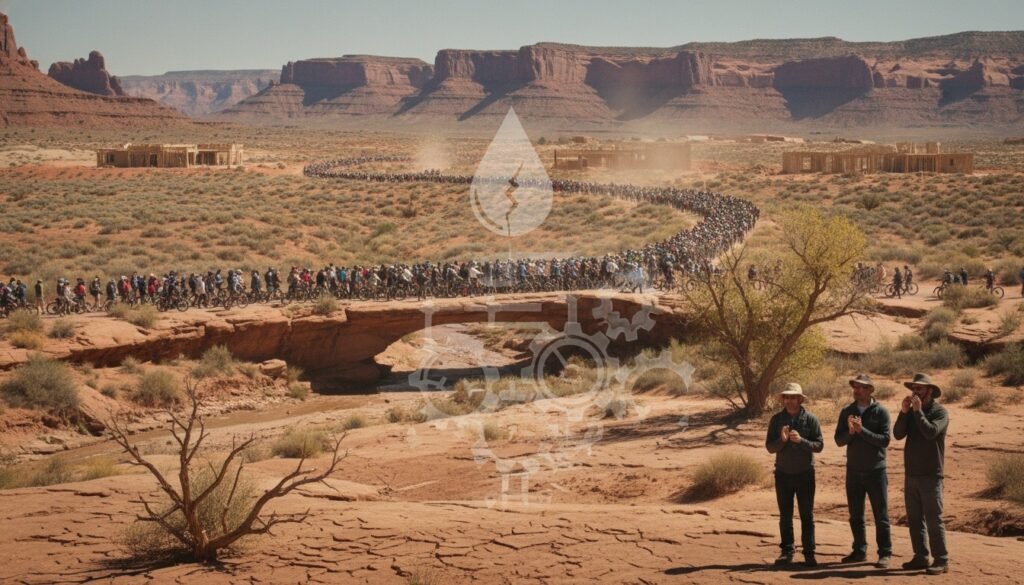
Visitors flow through the iconic national parks near Moab, yet the small town creaks under constant pressure. Heavy crowds stretch resources, especially water in the desert. The landscape feels the strain, and concern grows among residents. Growth has outpaced planning.
Arches and Canyonlands National Parks draw millions, and Moab is the gateway. The town of a few thousand residents hosts visitors in numbers that dwarf its infrastructure, especially during peak seasons.
Water is the critical constraint. In the desert, every new hotel room and vacation rental increases demand on limited supplies. The math of endless growth in a finite desert does not work.
Moab has implemented some of the strictest short-term rental regulations in the West. It is a test case for whether a gateway community can manage tourism rather than being overwhelmed by it.
Venice Beach, California
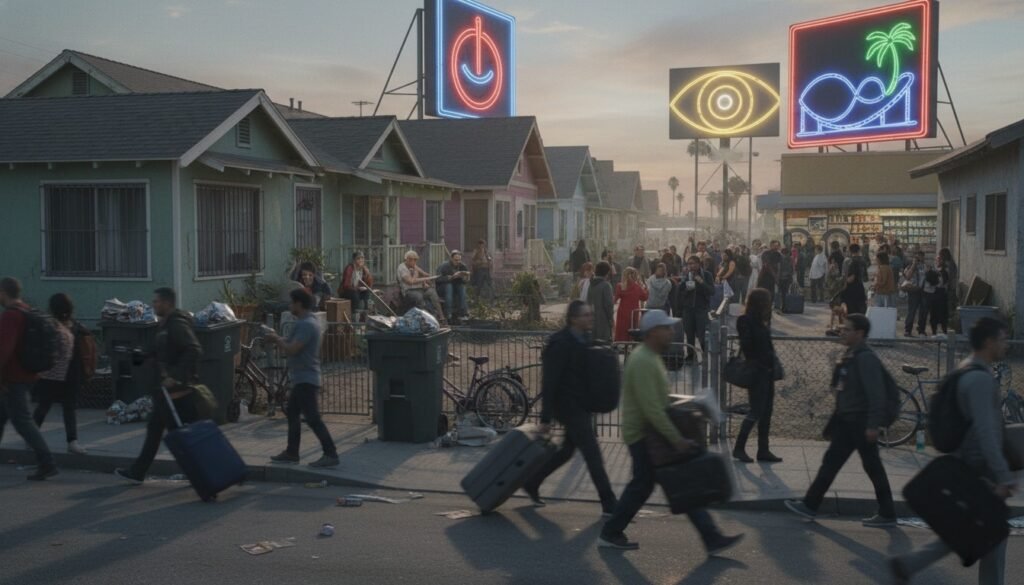
Residents complain about constant foot traffic through areas meant for living, not tourism. Short-term visitors change how neighborhoods feel. Services meant for everyday life seem overwhelmed. What feels like an entertainment zone now overshadows real local life.
Venice’s boardwalk is world-famous, but the neighborhood around it is home to thousands of people. The tension between the tourist attraction and the residential community has been building for years.
The area has also faced humanitarian challenges that complicate the tourism picture. Visitors encounter realities that brochures do not show, creating discomfort on all sides.
Venice’s identity has always been eclectic and rebellious. The question is whether it can remain a living neighborhood rather than becoming purely a spectacle.
Leavenworth, Washington
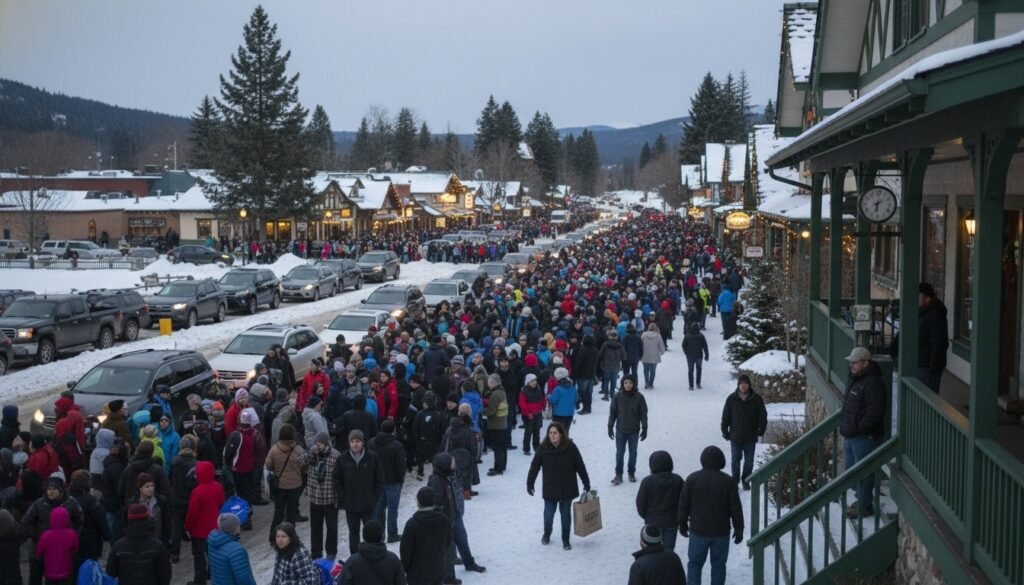
Though compact, this Bavarian-themed village draws huge numbers every year. Residents face constant traffic delays, packed parking, and streets jammed with visitors. Life now runs on tourist schedules more than personal rhythms.
Leavenworth’s success is also its burden. The town reinvented itself as a Bavarian village decades ago, and the theme worked brilliantly. Now the crowds, especially during Oktoberfest and Christmas, overwhelm the small town.
The town’s infrastructure was not built for its current popularity. Two-lane roads, limited parking, and a small year-round population strain under the weight of mass tourism.
Leavenworth is a victim of its own cleverness. The lesson for other towns: be careful what you wish for, because tourism success can become tourism excess.
Taos, New Mexico
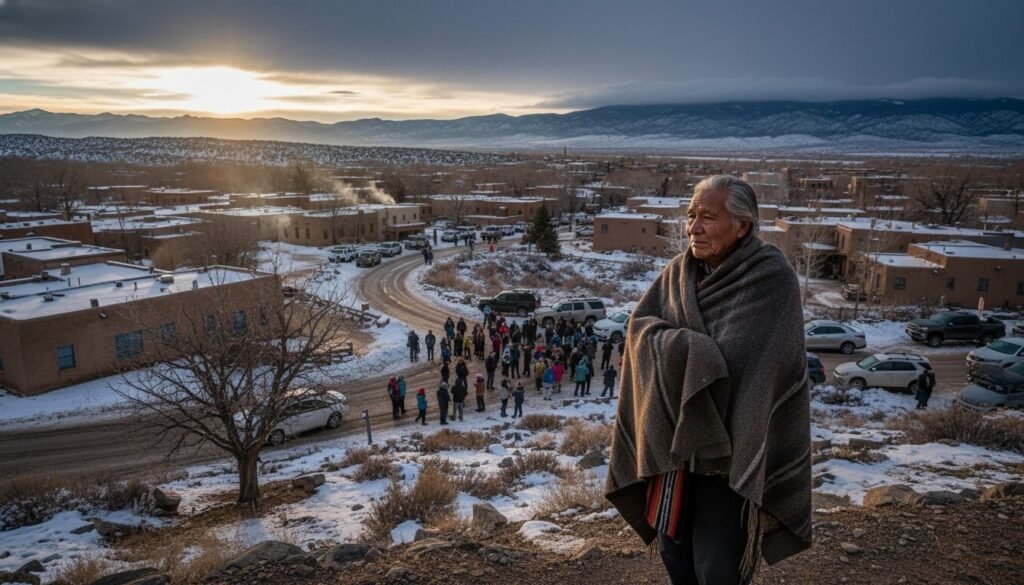
Staying in Taos gets tougher for longtime residents. With more visitors each year, the cost of living rises and the character shifts. Not everyone agrees that bigger visitor numbers make for a better hometown.
Taos has a deep cultural heritage: Native American, Hispanic, and Anglo traditions layered over centuries. That heritage is the attraction, but tourism’s pressures threaten the communities that sustain it.
Artists and longtime residents watch as the town they love becomes increasingly expensive and crowded. The ski resort brings winter wealth but also winter crowds.
Taos’s struggle is about authenticity. When a place known for its genuine culture starts feeling like a performance for visitors, the soul of the town is at risk.
Nantucket, Massachusetts
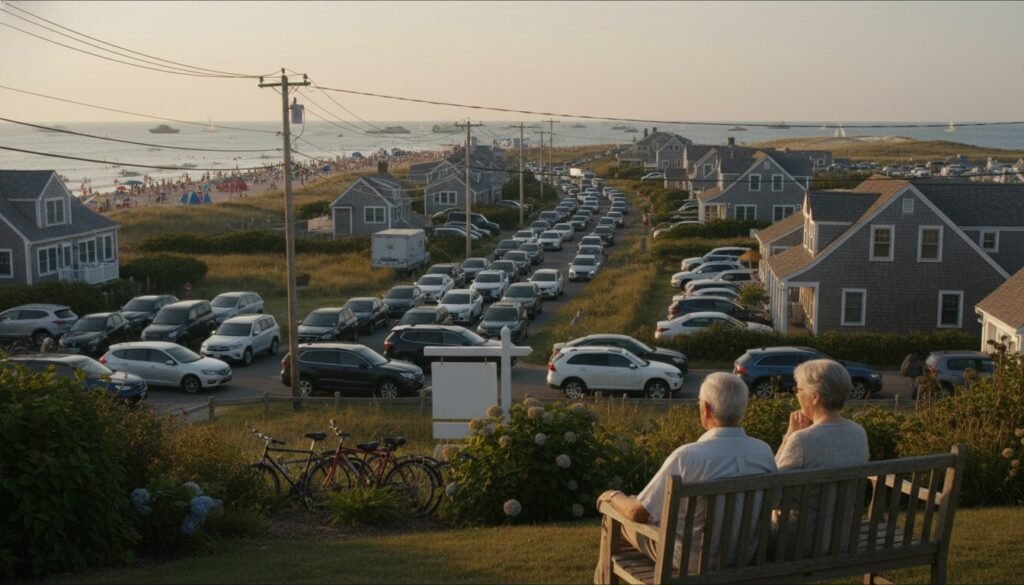
When summer comes, crowds flood this small island, testing the limits of housing, roads, and utilities. Long-term residents sense a change in what island life means, as short-term rentals take up more and more of the housing stock.
Nantucket’s transformation from working island to luxury destination is nearly complete. The summer population dwarfs the year-round community, and the economics of the island now revolve entirely around the season.
Year-round residents face a familiar story: housing they cannot afford, a community that empties in winter, and a sense that the island belongs to visitors more than to them.
The island’s beauty is undeniable, but beauty that only the wealthy can enjoy raises difficult questions about who these special places are for.
Stowe, Vermont
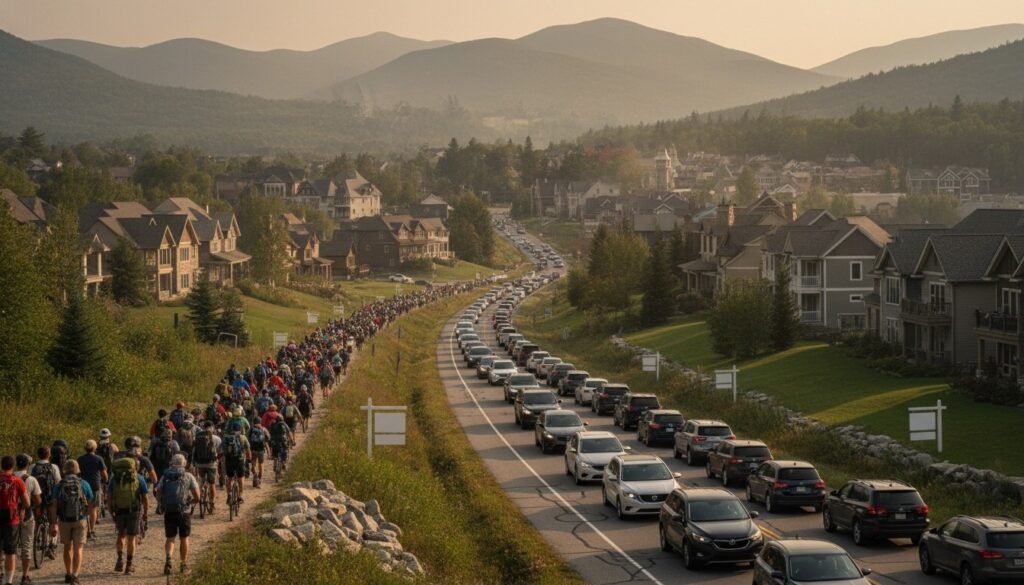
Stowe loves its outdoor recreation, which means a constant flow of visitors stressing roads and trails. Residents see packed parking lots and rising home prices every year. The peacefulness of this mountain town now feels like a memory to some, chased away by too many travelers.
Corporate ownership of the ski resort has changed the dynamic. Multi-resort passes bring crowds from far away, and the town’s infrastructure groans under peak-season loads.
Vermont’s natural beauty is the draw, but that beauty requires protection. Overcrowded trails erode, wildlife is disturbed, and the quiet that people seek becomes elusive.
Stowe’s challenge is shared by mountain towns across the West: how to welcome visitors without being consumed by them.
The Bigger Picture
These eleven towns are not anti-tourist. They are pro-community, asking reasonable questions about limits, balance, and who benefits from tourism. Their struggles reflect a national conversation about how we travel and what we owe the places we visit.
As travelers, we can help. Visit in the off-season. Stay in locally owned accommodations. Respect residential neighborhoods. Spend money at local businesses. Tread lightly on trails and public spaces.
The best souvenirs are the ones that leave places better than we found them. These towns are asking us to travel more thoughtfully. It is the least we can do for the places that give us so much.