
 Sarah Grey
In 2026, cruise holidays are entering a new era. Governments and cruise companies are introducing regulations that will change how travelers plan, board, and enjoy their voyages.
These updates cover security screening, environmental protections, documentation, and passenger safety. Some changes may seem minor at first glance.
Others could affect your itinerary or boarding process significantly. Early preparation will help you avoid delays and unexpected costs.
From electronic documents to new port charges, staying informed is essential. Here is your guide to the most important cruise travel changes for 2026.
Electronic Registration Forms Are Necessary

Many cruise markets now require passengers to complete online check-in documents before traveling. Pre-arrival registration systems are expanding rapidly.
Ports in the Bahamas and Mexico are adopting these systems to reduce congestion. Digital processing speeds up embarkation considerably.
Complete your registration as soon as it becomes available. Early submission prevents last-minute technical issues.
Have your passport details and emergency contacts ready. The forms typically take 15 to 20 minutes.
Some lines send QR codes after registration. Save these to your phone for quick port access.
Paper forms are being phased out at many terminals. Digital is now the standard expectation.
Check your email for registration links after booking. They sometimes land in spam folders.
Electronic registration is here to stay. Embrace the digital boarding process.
Expanded Biometric Boarding

Facial recognition boarding is becoming standard with major cruise lines. The United States is expanding biometric verification at ports.
These systems shorten embarkation lines and strengthen identity checks. They reduce paperwork while improving terminal security.
Enrollment typically happens during online check-in. A clear facial photo is usually required.
At the terminal, cameras match your face to your documents. The process takes seconds.
Privacy policies govern how biometric data is stored and used. Review your cruise line’s policy if concerned.
Opt-out options exist but may mean longer manual processing. Weigh convenience against privacy preferences.
Biometric boarding also speeds up port re-entry after excursions. Your face becomes your pass.
This technology is reshaping cruise embarkation. Expect it at most major ports by 2026.
Environmental Port Fees

Several European destinations are introducing new sustainability fees for cruise visitors. These charges support environmental protection efforts.
Cities like Venice and Barcelona are implementing surcharges to manage crowds. Revenue funds coastal conservation programs.
Fees vary by port and are often added to your cruise fare. Some are collected separately at the destination.
Budget an extra 50 to 100 dollars for port fees on European itineraries. Costs add up across multiple stops.
These fees reflect growing concern about cruise tourism’s environmental impact. Sustainable travel comes with a price.
Some ports limit daily cruise visitors alongside the fees. Book popular excursions early.
Check your cruise line’s fee breakdown before sailing. Transparency helps you budget accurately.
Environmental fees are likely to expand to more destinations. Plan for them in future cruise budgets.
Tighter Passport Validity Regulations
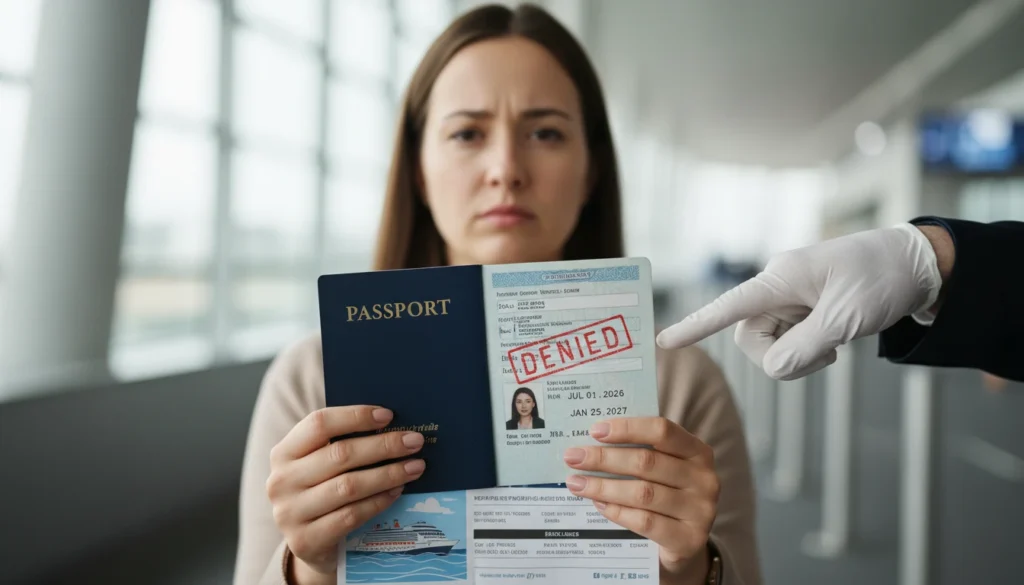
Many countries now require at least six months of passport validity beyond your travel dates. This rule is being enforced more strictly.
Caribbean and Mediterranean ports are particularly rigorous. Last-minute boarding denials are increasing.
Check your passport expiration date immediately after booking. Renew early if it falls within the window.
Passport renewal can take weeks or months. Expedited services cost extra but save trips.
Some itineraries visit countries with different validity requirements. The strictest rule applies to your whole trip.
Children’s passports often have shorter validity periods. Check every family member’s documents.
Keep a digital copy of your passport separate from the original. Backups help in emergencies.
Passport rules are non-negotiable at boarding. No validity means no cruise.
Mandatory Travel Insurance

Several cruise companies now require proof of travel insurance on long voyages. Medical coverage and evacuation protection are essential.
This requirement is expanding across Asia-Pacific itineraries in 2026. Other regions are likely to follow.
Policies must typically cover medical emergencies and evacuation. Basic trip cancellation alone may not suffice.
Purchase insurance soon after booking for maximum coverage. Pre-existing condition waivers often have deadlines.
Compare policies carefully for cruise-specific coverage. Not all travel insurance handles maritime medical needs.
Carry proof of insurance during your voyage. Digital copies on your phone work well.
Medical evacuation from a ship can cost tens of thousands. Insurance is financial protection, not just bureaucracy.
Mandatory insurance reflects real risks of cruise travel. Smart travelers were already covered.
Health Screening Updates

Some regions still require health declarations before embarkation. Seasonal illness outbreaks trigger additional screening measures.
Australian and Southeast Asian ports have updated their health requirements. Vaccination records or questionnaires may be needed.
Complete health forms honestly and accurately. False declarations can result in denied boarding.
Stay current on routine vaccinations before cruising. Requirements vary by destination.
Pack a small health kit with basics like seasickness remedies. Ship medical centers charge premium prices.
Check your cruise line’s health policies close to sailing. Rules can change with little notice.
Travel with any necessary prescriptions in original containers. Documentation prevents complications.
Health preparedness ensures smooth sailing. A little planning prevents major disruptions.
Amended Shore Excursion Policies

High-traffic ports are imposing stricter rules on independent shore excursions. Crowd control is the primary motivation.
Italy and Greece are limiting daily visitor numbers at popular sites. Pre-booked tours receive priority access.
Book ship-sponsored excursions for guaranteed port access. Independent travelers may face restrictions.
Research each port’s specific excursion policies in advance. Rules differ significantly between destinations.
Pre-booking also ensures availability at capacity-limited attractions. Popular sites sell out quickly.
Allow extra time to return to the ship. New procedures can slow re-boarding.
Local guides offer authentic experiences within the new frameworks. Supporting local economies enriches your visit.
Excursion policies will continue evolving. Flexibility is key to enjoying port days.
Alaska Cruise Tax Adjustments

New regional taxes apply to sailings visiting Alaska. Revenue funds infrastructure upgrades and environmental programs.
Starting summer 2026, cruise fares may increase due to these charges. Budget accordingly for Alaska itineraries.
The taxes support port improvements that benefit visitors. Better facilities enhance the Alaska experience.
Environmental programs protect the pristine wilderness cruisers come to see. Conservation funding preserves the destination.
Compare total costs across different sailing dates. Taxes may vary by season.
Book early to lock in current pricing. Fare increases typically apply to new bookings.
Alaska remains a bucket-list cruise destination. The new taxes are modest relative to the experience.
Factor taxes into your overall Alaska cruise budget. Transparency helps avoid surprises.
Enhanced Luggage Screening

Security officials are intensifying luggage screening at major cruise ports. Enhanced checks may extend processing times.
Florida homeports are implementing stricter procedures during peak seasons. Holiday sailings face the longest waits.
Pack according to your cruise line’s prohibited items list. Banned items cause delays and confiscation.
Arrive at the terminal with extra time to spare. Screening lines move slower during busy periods.
Keep medications and valuables in your carry-on. Checked luggage screening is out of your control.
Label all bags clearly with your cabin information. Proper labeling speeds up delivery.
Consider packing cubes for organized, efficient screening. Neat luggage processes faster.
Enhanced screening keeps everyone safer. Patience at the terminal pays off.
Onboard Activities Verification by Age
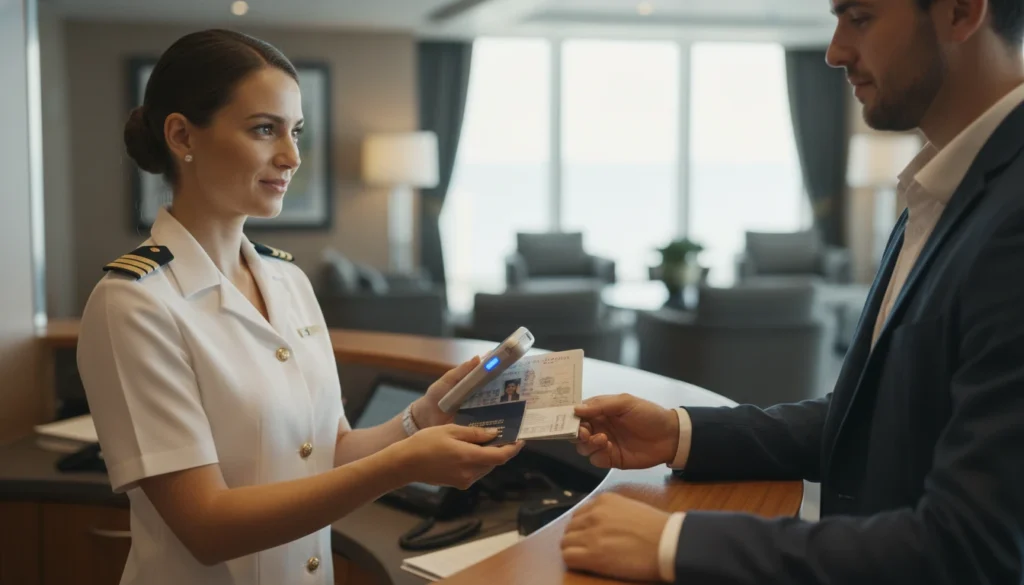
Cruise lines are tightening age verification for onboard activities. Identification checks are becoming standard procedure.
These measures align with international maritime regulations. Port authorities in various regions require compliance.
Carry a photo ID for age-restricted venues like casinos and bars. Ship cards may not suffice.
Families should review youth program age requirements. Policies vary between cruise lines.
Teen clubs and adult-only areas enforce boundaries strictly. Respect the designated spaces.
Digital verification through the cruise app is expanding. Register ages during online check-in.
These policies ensure appropriate experiences for all guests. Everyone enjoys the cruise more.
Age verification is quick and unobtrusive. Cooperation keeps things running smoothly.
Updated Visa Requirements
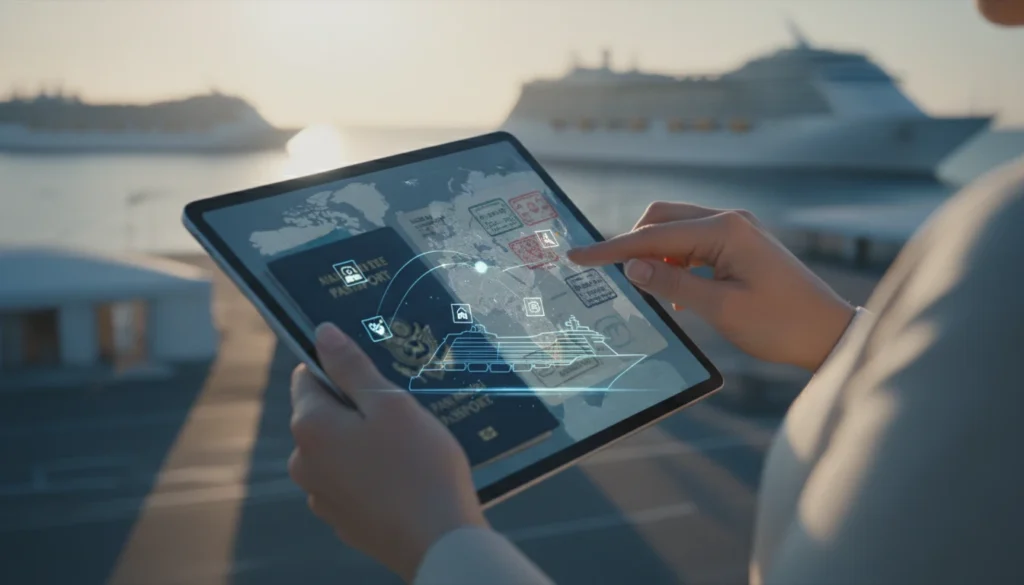
Visa policies for multi-country itineraries are changing. Travelers visiting the Middle East and Africa may need electronic visas.
These requirements apply even for short port visits. Advance authorization is mandatory before sailing.
Research visa needs for every country on your itinerary. Requirements differ by nationality.
Apply for electronic visas well before departure. Processing times vary from hours to weeks.
Your cruise line may provide visa guidance. However, ultimate responsibility rests with you.
Keep printed and digital copies of all visa approvals. Documentation is checked at multiple points.
Some visas are single-entry while others allow multiple visits. Match the visa type to your itinerary.
Visa preparation is tedious but essential. Missing paperwork means missing ports.
Preparing for Smooth Sailing in 2026
These changes may seem overwhelming, but preparation makes them manageable. Start planning earlier than you used to.
Create a pre-cruise checklist covering documents, insurance, and registrations. Checking items off reduces stress.
Stay in contact with your cruise line for updates. Policies can shift between booking and sailing.
Join cruise forums to learn from experienced travelers. Community wisdom is invaluable.
Sail Into 2026 with Confidence
Cruise travel in 2026 rewards the well-prepared. Understanding these changes puts you ahead of the crowd.
Do your homework, complete your paperwork, and pack your patience. The rewards are unforgettable voyages.
Bon voyage and smooth sailing. Your 2026 cruise adventure awaits.