 Sarah Grey
Fashion has a way of coming full circle. Styles that once lived only in old photographs, music videos, and high school yearbooks are suddenly everywhere again. On American streets, the late 1990s and early 2000s are making a spirited comeback, bringing back familiar silhouettes, bold colors, and a relaxed attitude toward dressing. Baggy jeans, tiny sunglasses, cargo pants, baby tees, and playful accessories are showing up in daily outfits across cities and campuses. The revival is driven by nostalgia, creativity, and the natural rhythm of fashion cycles. Whatever the reason, a huge number of people are rediscovering the appeal of 90s and Y2K style and remixing it in ways that feel fresh, comfortable, and unmistakably current.
This is not a costume or a joke. The return of these decades reflects real shifts in how Americans shop, express themselves, and think about clothing. Below are the key reasons these trends are dominating street style again, and what makes them resonate so strongly right now.
Nostalgia That Feels Comfortably Familiar
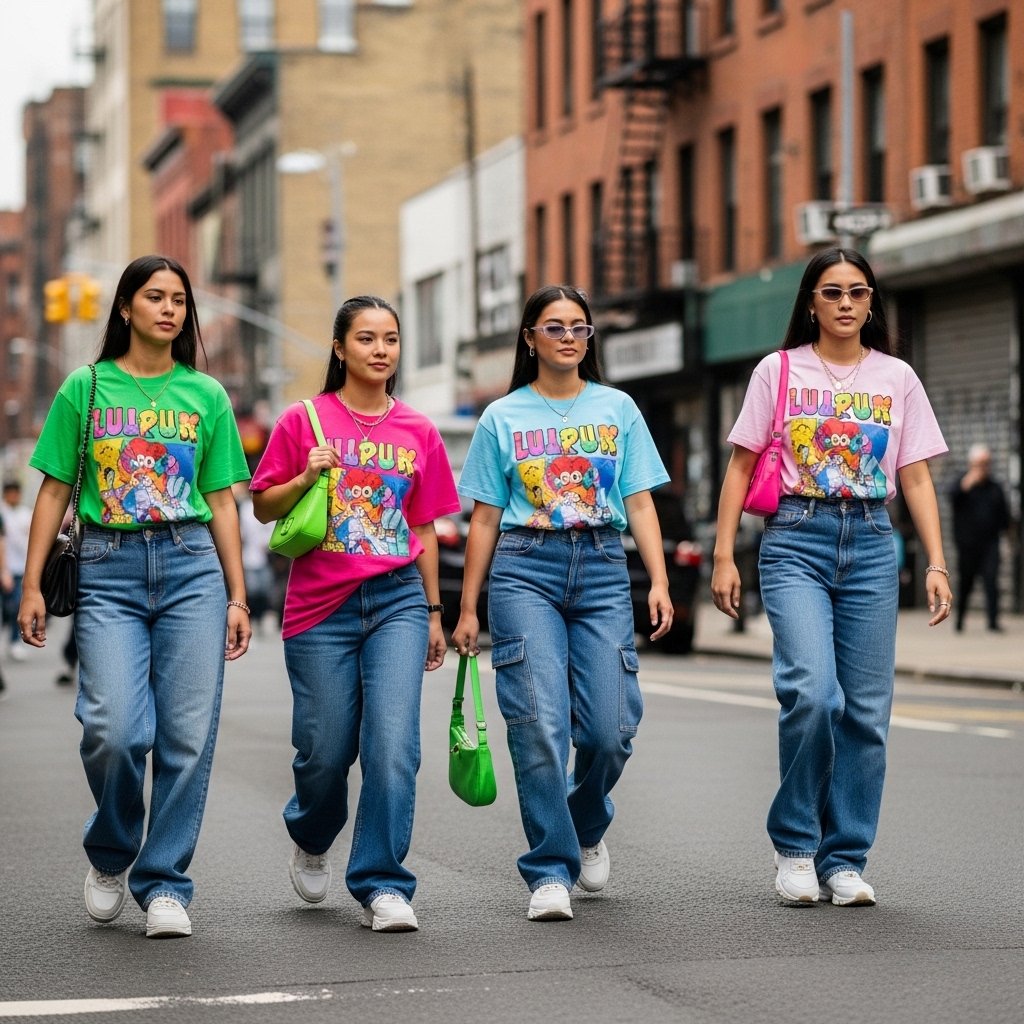
There is something deeply comforting about styles that remind us of another era. For many Americans, the 1990s and early 2000s evoke childhood memories, favorite songs, iconic movies, and school days. Wearing these styles again can feel like reconnecting with a simpler time, which is especially appealing during uncertain periods. Psychologists have noted that nostalgia can reduce stress and increase feelings of social connection, so it makes sense that clothing tied to happy memories would feel good to wear.
This familiarity also lowers the barrier to trying trends. A millennial who wore low-rise jeans the first time around already knows how they fit and feel. Even for those too young to remember, the styles feel approachable because they have been visible in pop culture for decades. Nostalgia turns fashion into an emotional experience rather than just a visual one, and that emotional pull is a powerful reason these decades keep returning to the streets.
The Influence of Social Media Style Inspiration
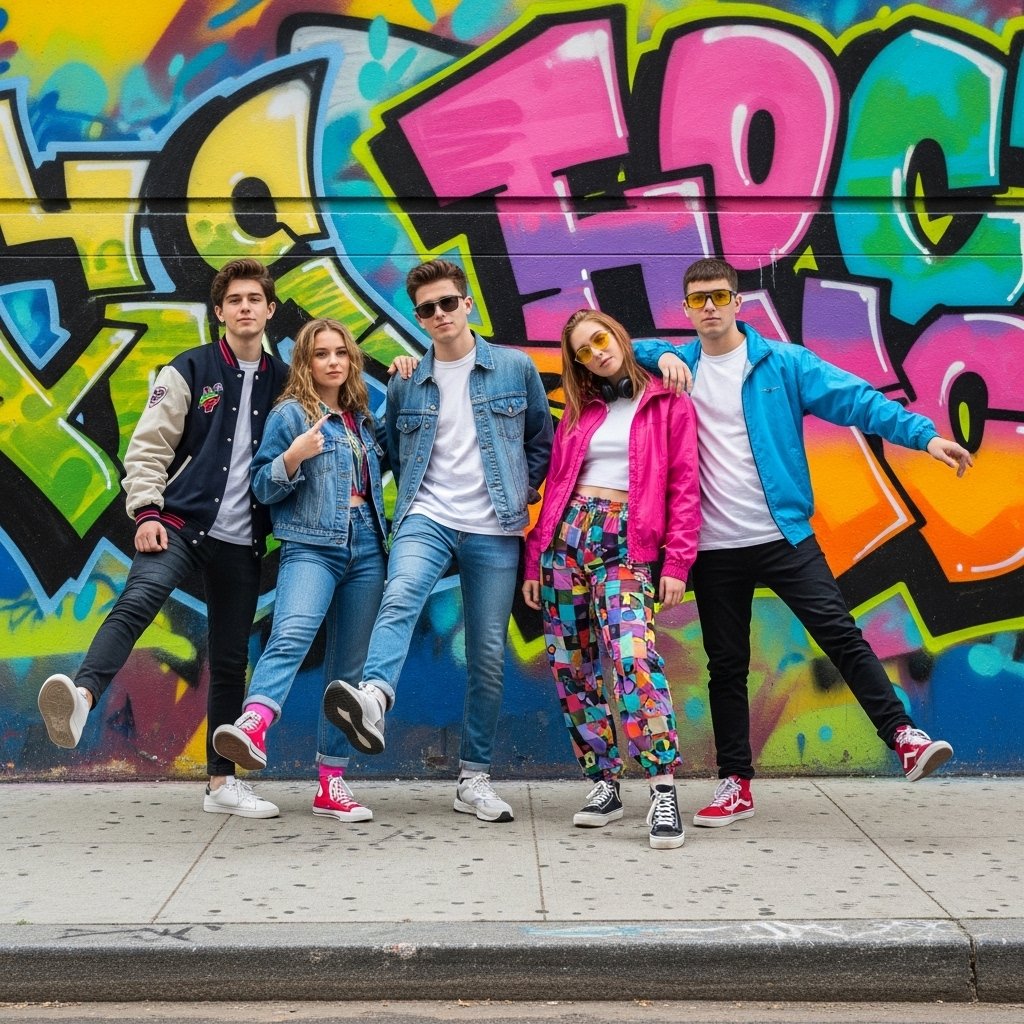
Social media has dramatically accelerated how fast trends spread. A single viral video can introduce millions of people to a 90s-inspired outfit overnight. Platforms like TikTok and Instagram are full of creators styling vintage pieces, thrift flips, and Y2K throwbacks, and their audiences eagerly recreate the looks. The algorithm rewards visually distinctive content, and the bold, playful nature of Y2K fashion performs extremely well on camera.
This constant exposure normalizes older styles quickly. What might once have taken years to filter from runways to streets now happens in weeks. Hashtags dedicated to 90s and Y2K fashion have billions of views, creating communities where people share styling tips and celebrate the eras. Social media has not just revived these trends; it has given them a permanent, searchable home where new fans discover them every day.
Vintage Shopping Becoming More Popular
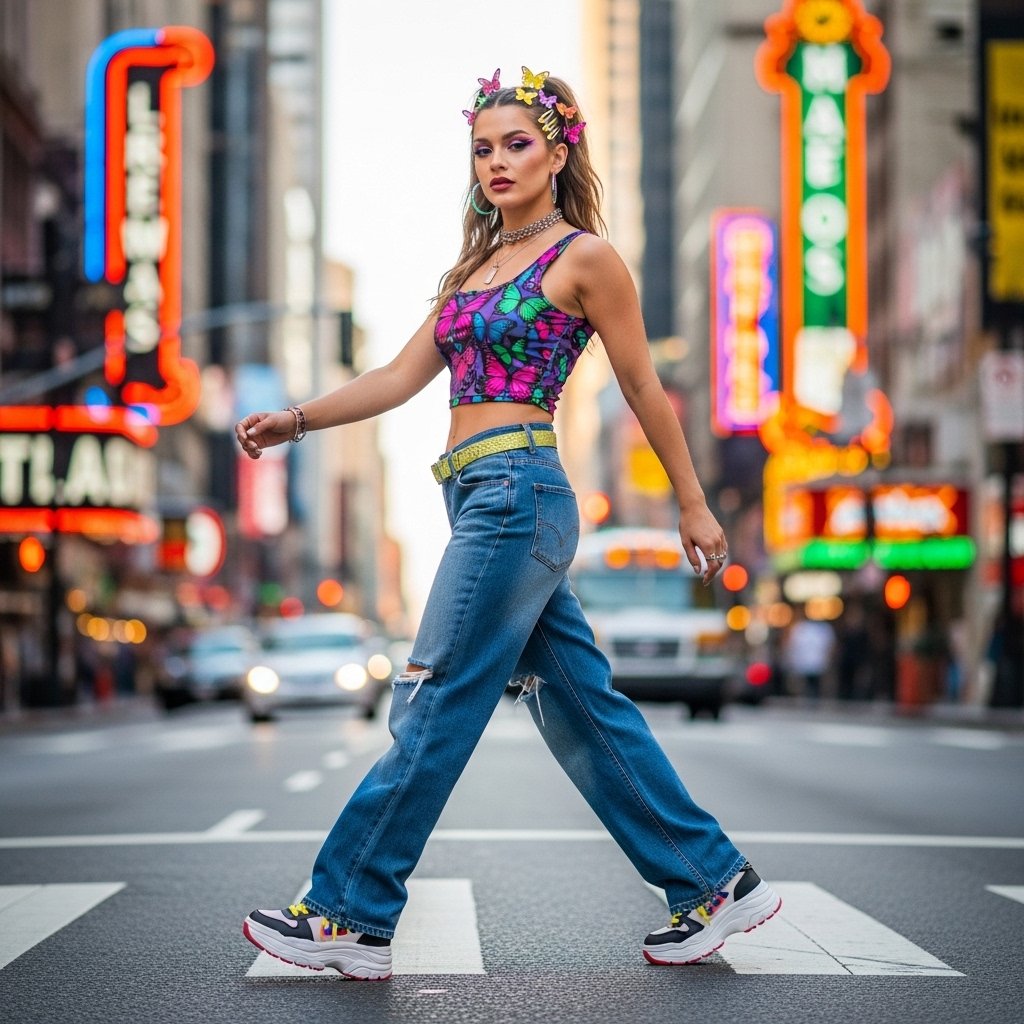
Thrift stores and vintage shops are enjoying a genuine renaissance. More shoppers are hunting for one-of-a-kind pieces from past decades, and 90s and Y2K clothing is abundant in secondhand stores because so much of it was produced. Finding an authentic vintage baby tee or a pair of true 90s mom jeans feels like a treasure hunt, and the uniqueness of each piece appeals to people tired of mass-produced fast fashion.
Sustainability is a major driver. Buying secondhand keeps clothing out of landfills and reduces demand for new production, which resonates strongly with environmentally conscious shoppers. Vintage shopping is also budget-friendly, making trendy looks accessible without designer prices. As more people embrace thrifting, 90s and Y2K pieces naturally flow into everyday wardrobes, reinforcing their presence on the street and inspiring others to start hunting too.
Relaxed Silhouettes Returning to Everyday Fashion
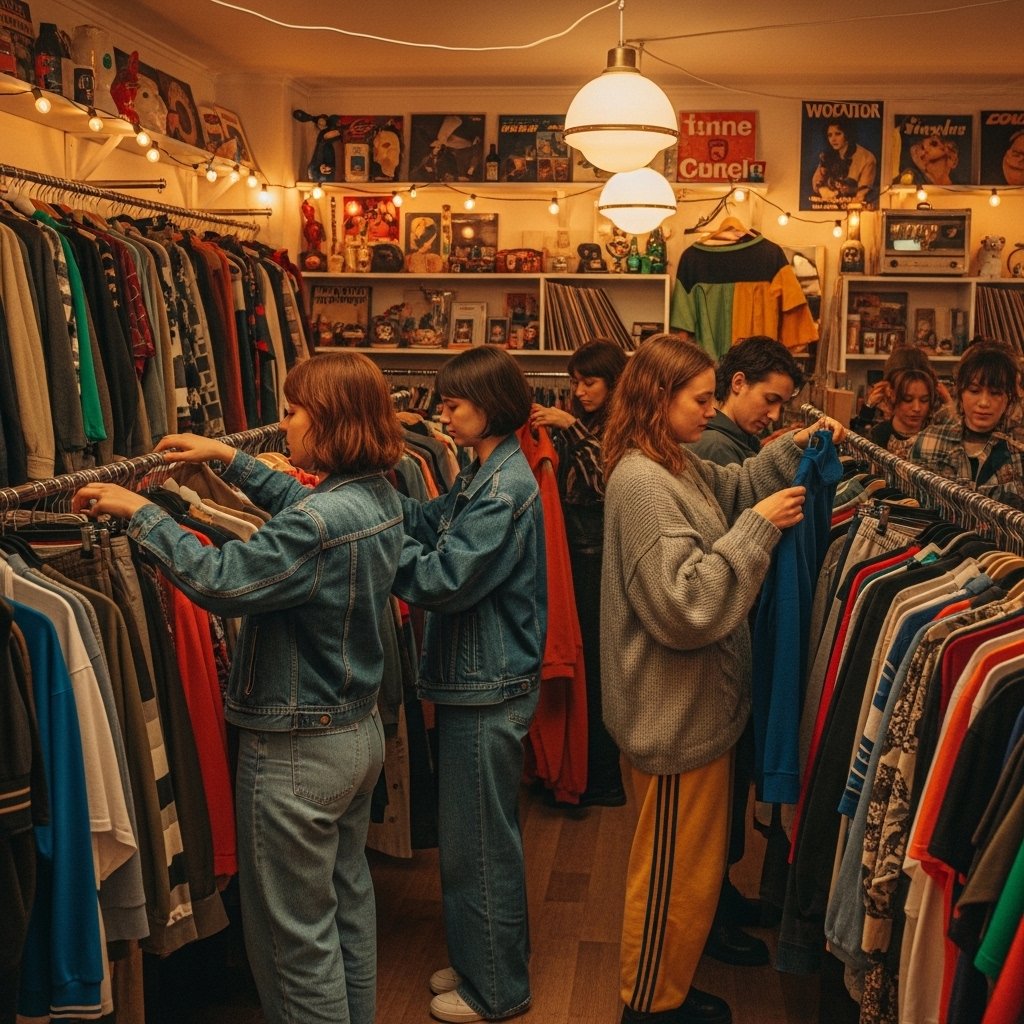
After years of skinny jeans and body-conscious fits dominating, the relaxed silhouettes of the 90s feel like a breath of fresh air. Baggy jeans, oversized jackets, loose hoodies, and slouchy trousers prioritize ease and movement. They are forgiving, comfortable, and effortlessly cool, which makes them easy to wear all day without adjusting or fussing.
This shift also reflects a broader rejection of restrictive beauty standards. Relaxed fits work on more body types and allow personal style to shine without emphasizing the body itself. The 90s mastered the art of looking put-together while feeling like pajamas, from oversized flannels to wide-leg trousers. As comfort continues to influence fashion, these easy silhouettes are likely to stay relevant well beyond the current revival.
Gen Z Discovering Styles for the First Time
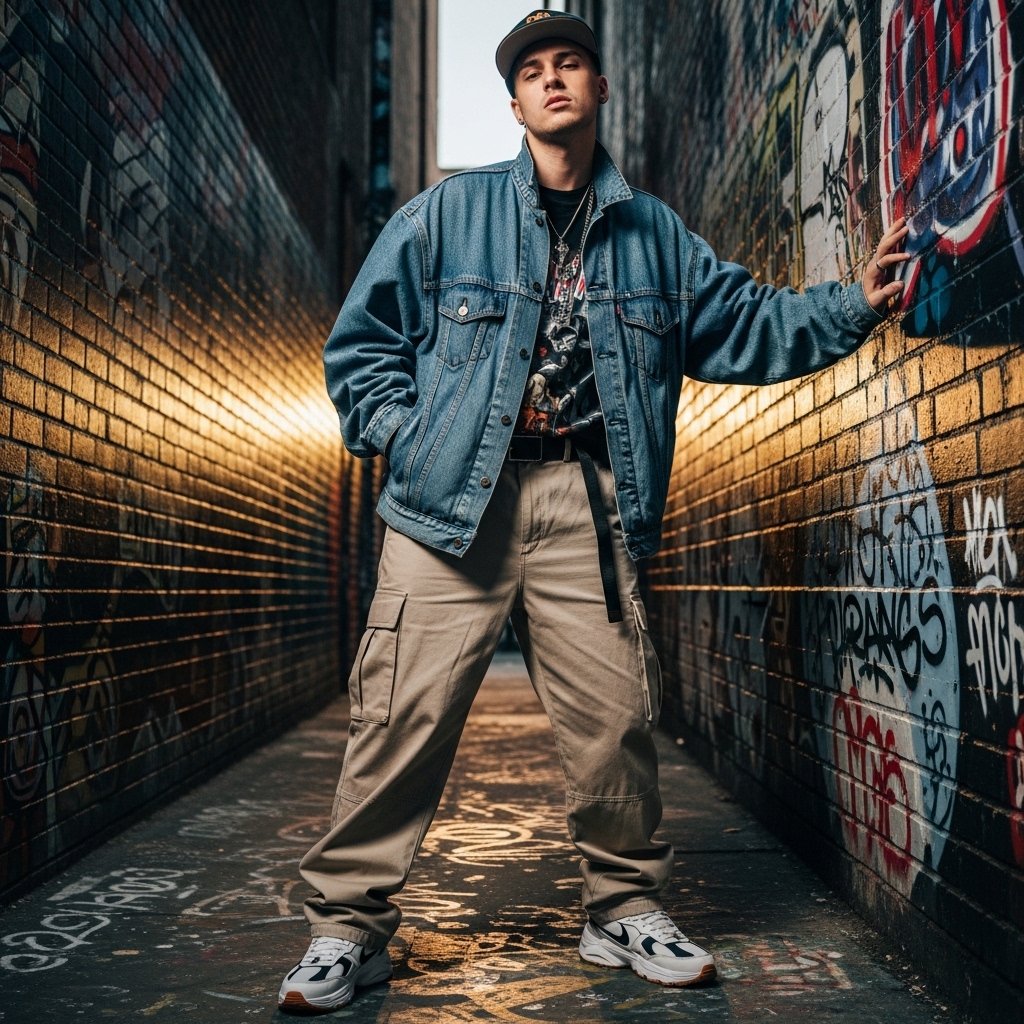
For Gen Z, many of these trends are not retro at all; they are brand new. Young people who were born after the 90s ended are encountering cargo pants, baby tees, chunky sneakers, and mini skirts for the first time, without any memory of their original context. This freshness makes the styles exciting rather than derivative. What looks like a revival to millennials feels like discovery to teenagers.
Gen Z also brings a different sensibility to these pieces. They mix high and low, vintage and new, and masculine and feminine with a fluidity that defines their generation. A 90s slip dress might be paired with chunky boots and layered over a turtleneck in ways the original era never imagined. This creative reinterpretation keeps the trends from feeling like mere imitation and ensures they evolve with each new wave of wearers.
Fashion Cycles Naturally Repeating Over Time
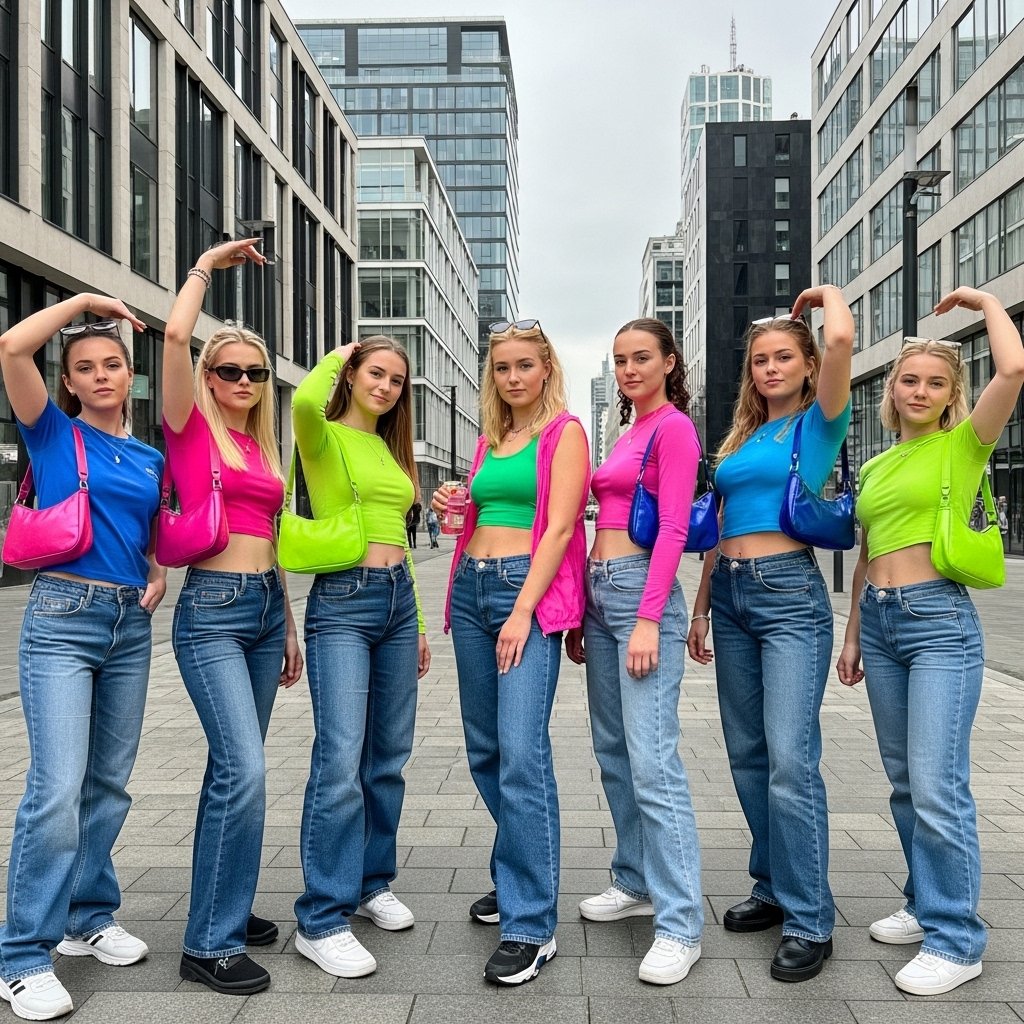
Fashion has always moved in cycles, typically revisiting past decades every twenty to thirty years. This rhythm exists partly because designers who grew up in a certain era eventually gain influence and reference their youth, and partly because each generation rebels against the dominant style of the previous one. The return of 90s and Y2K fashion fits this pattern perfectly, arriving roughly two decades after the trends peaked.
Each revival also brings modifications. Today’s low-rise jeans are cut slightly differently than the originals, and modern fabrics offer more stretch and comfort. Accessories get updated with contemporary details. This means the trends feel familiar but not dated, honoring the original while adapting to current tastes and technology. Understanding the cyclical nature of fashion makes the comeback feel less like a fad and more like an inevitable, even welcome, return.
Celebrity Street Style Inspiring Everyday Looks
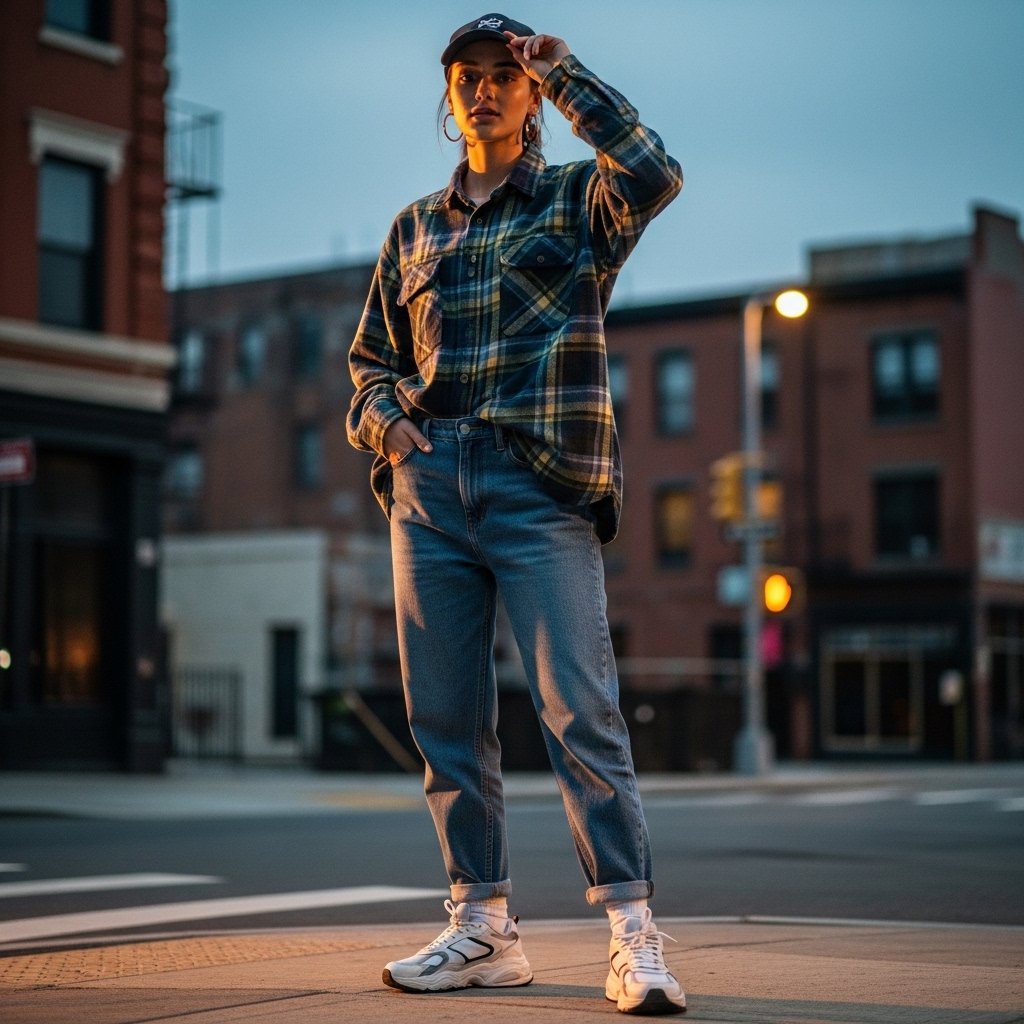
Celebrities have enormous influence on what ends up on the streets. When well-known figures step out in vintage-inspired outfits, from baggy jeans and crop tops to tiny sunglasses and shoulder bags, their followers take notice. Paparazzi photos and social media posts turn these moments into instant style inspiration that fans rush to recreate with affordable versions.
Musicians, actors, and models have embraced 90s and Y2K aesthetics both on and off duty, wearing everything from velour tracksuits to slip dresses. Their stylists often pull genuine vintage pieces, which adds authenticity and encourages fans to thrift rather than buy new. Because celebrity looks are so widely documented, they function as a real-time lookbook for the trends, showing everyday people exactly how to wear them.
Denim Making a Strong Comeback
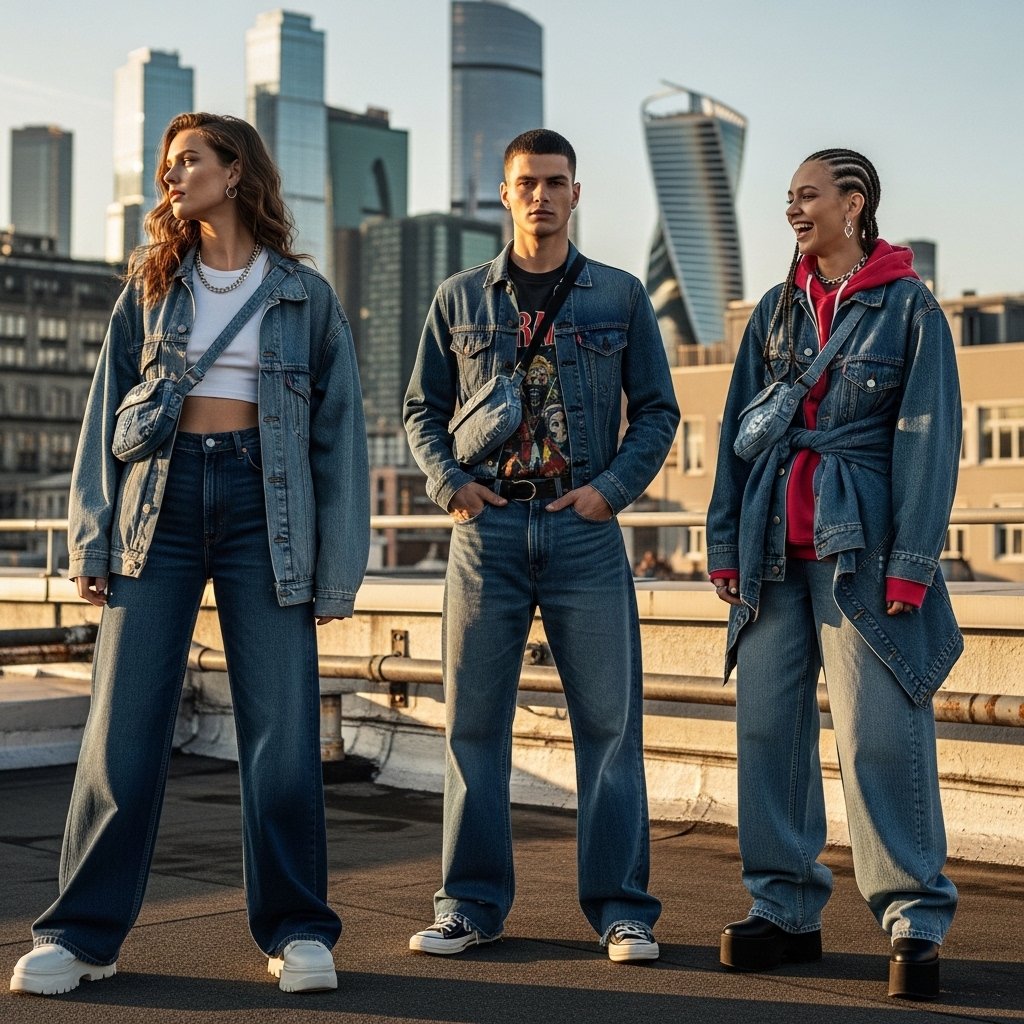
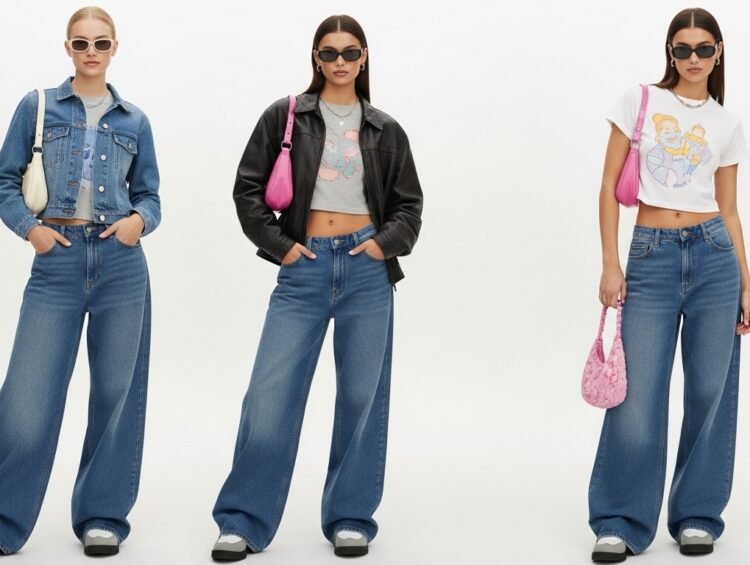
Denim never truly leaves, but specific 90s and Y2K denim styles are surging. Low-rise jeans, wide-leg jeans, baggy fits, and denim jackets are everywhere, alongside the Canadian tuxedo of head-to-toe denim. These cuts offer a clear alternative to the skinny jeans that dominated the 2010s, and their relaxed shapes align with the broader comfort trend.
What makes this denim revival interesting is its range. There is a 90s-inspired jean for nearly every preference, from high-waisted mom jeans to ultra-baggy skater fits to Y2K low-rise flares. Denim jackets have returned as the ultimate layering piece, worn oversized over dresses or hoodies. Because denim is durable and timeless, investing in these styles feels practical rather than impulsive, which helps explain their staying power on American streets.
Comfort Becoming a Bigger Fashion Priority
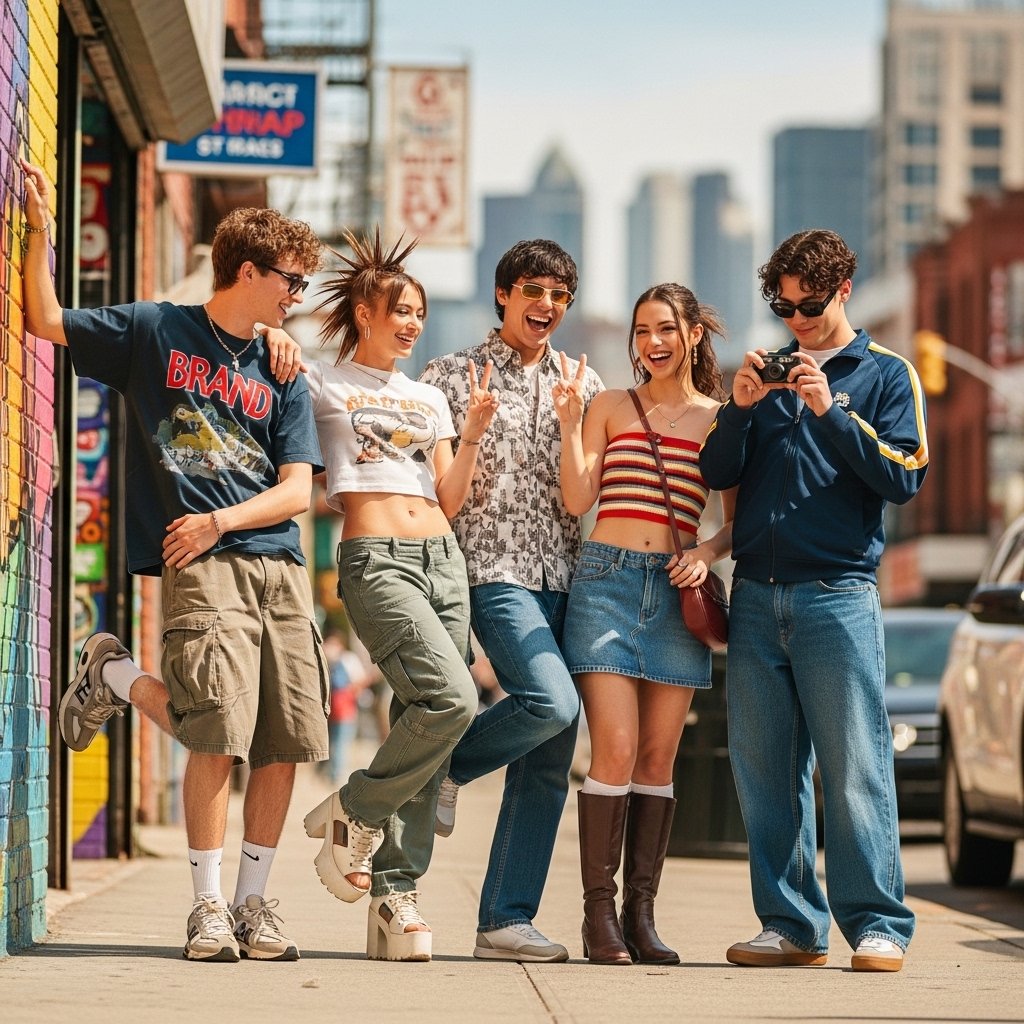
Comfort has become one of the most important factors in everyday dressing. The shift toward remote work, casual dress codes, and a general rejection of suffering for style has made comfortable clothing not just acceptable but desirable. Much of 90s fashion was built on loose, easy layering, from oversized sweaters to relaxed trousers, which fits perfectly with current priorities.
Sneakers, hoodies, and soft fabrics dominate street style because people want to move freely through their days. The 90s pioneered the idea that casual could still look intentional, with icons making sweatpants, windbreakers, and baseball caps look effortlessly stylish. That philosophy resonates strongly now, when getting dressed should feel good rather than feel like a performance. Comfort is no longer the opposite of style; in the 90s revival, they are the same thing.
Bright Colors and Playful Energy Returning
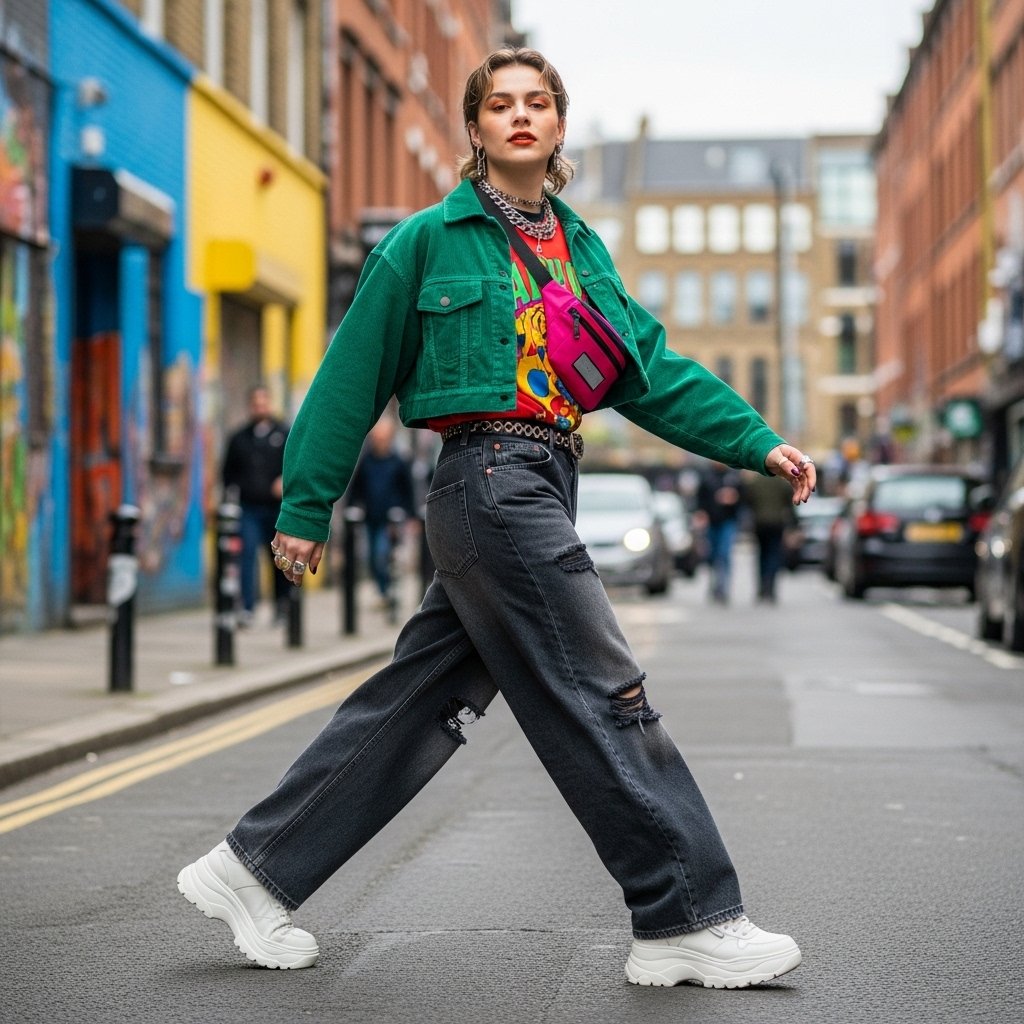
The Y2K era was unapologetically colorful and experimental, full of shiny fabrics, bold prints, and playful details like butterfly clips and tinted sunglasses. That sense of fun is returning as people look for ways to inject energy and optimism into their wardrobes. After years of minimalist neutrals dominating, bright colors feel like a joyful rebellion.
This playfulness extends to accessories and details. Mini shoulder bags, colorful hair clips, layered necklaces, and statement sunglasses add personality to even simple outfits. The Y2K spirit encourages mixing and matching without overthinking, treating fashion as a game rather than a set of rules. For anyone whose wardrobe has felt a little too serious, these trends offer permission to have fun getting dressed again.
Individual Style Taking Center Stage
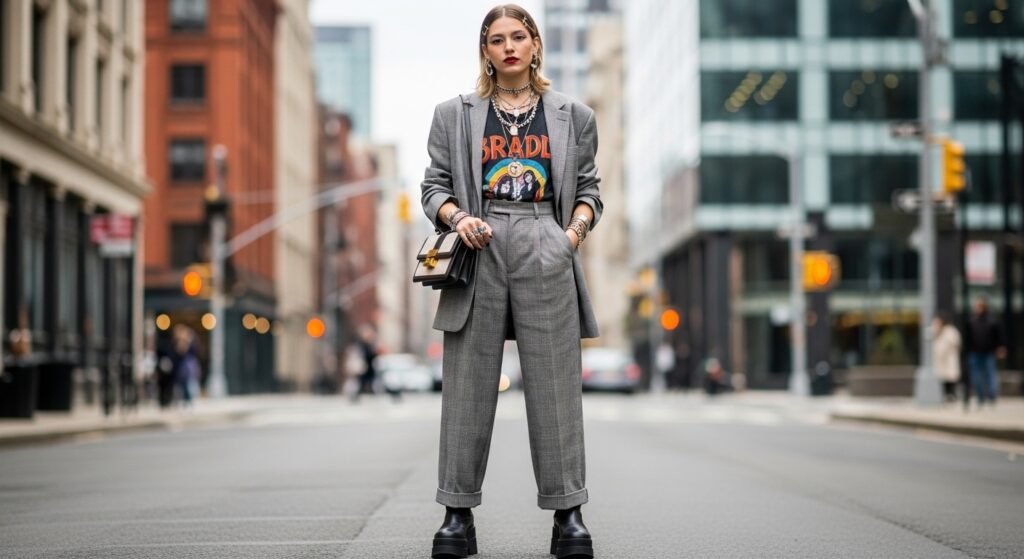
Perhaps the most meaningful aspect of this revival is how it champions individuality. Current fashion culture celebrates personal style over strict rules, and 90s and Y2K pieces are easy to mix with modern items to create outfits that feel unique. A vintage band tee with tailored trousers, or Y2K accessories with minimalist basics, produces looks that are entirely personal.
This emphasis on self-expression makes the trends accessible to everyone. There is no single correct way to wear the revival, which means people of all ages, body types, and aesthetics can participate. The eras being referenced were themselves diverse, spanning grunge, preppy, hip-hop, and pop influences. That variety gives today’s wearers a rich vocabulary to draw from, ensuring the comeback feels inclusive rather than prescriptive.
The Past Worn Forward
The return of 90s and Y2K fashion is more than a passing fad. It reflects nostalgia, the speed of social media, a love of vintage shopping, and a genuine desire for comfort and self-expression. American street style has always been a conversation between past and present, and right now the past is speaking loudly. Whether you lived through these decades or are discovering them for the first time, there has never been a better moment to raid the thrift store, embrace the baggy jean, and wear the trends that make you feel most like yourself.