 Sarah Grey
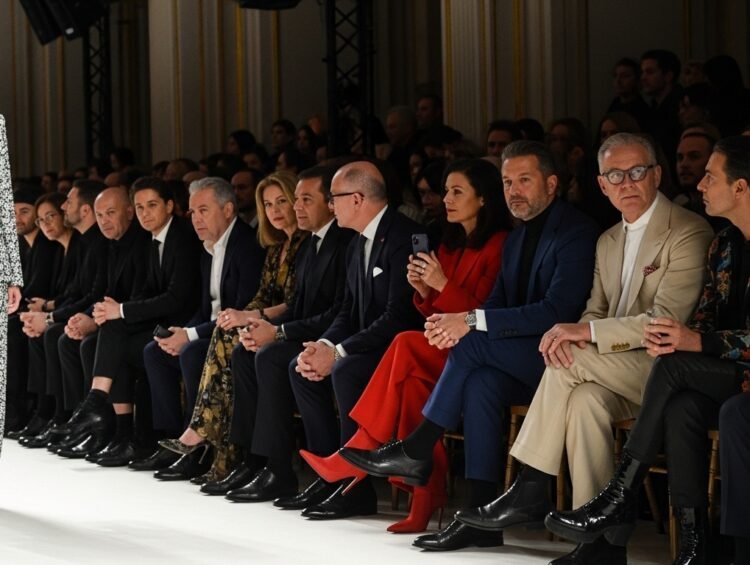
Paris Fashion Week is always an event on the runway, but the real magic happened a few feet away from the catwalk this season. While models showcased the latest collections, the front row assembled a constellation of stars so dazzling that photographers found themselves turning their lenses away from the clothes. Fashion editors, celebrity stylists, and social media erupted in agreement: this was not just a front row, it was a cultural summit. From Hollywood legends to music icons, from champion athletes to digital creators with millions of followers, the guest list read like a who’s who of global influence. In an era when attention is the ultimate currency, this front row proved that sometimes the audience outshines the show.
The Electric Atmosphere Of The Venue
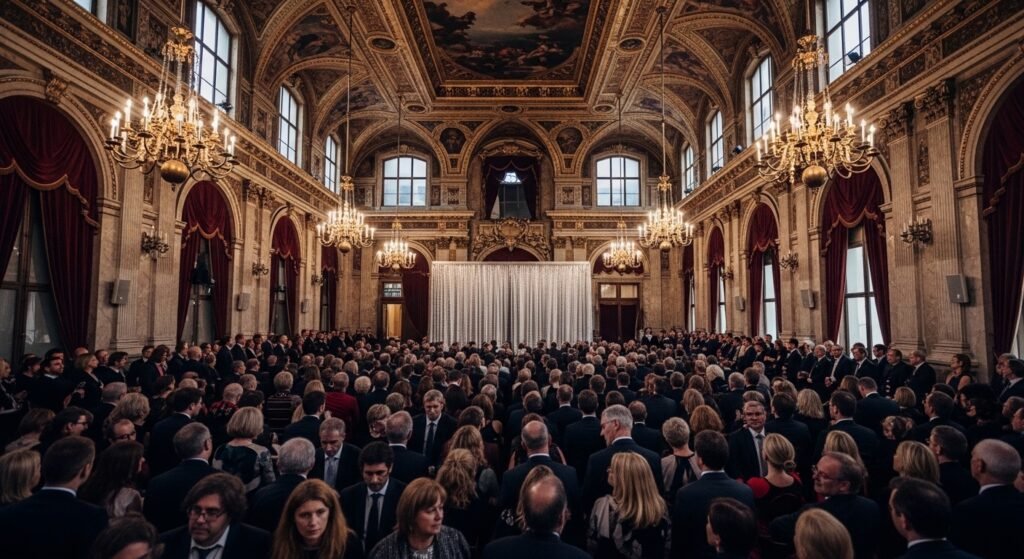
The old hall was vibrating with a different energy, not like in the past years. There was a palpable sense that something historic was unfolding, as if the fashion world collectively understood it was witnessing a defining moment. The venue itself, a storied Parisian landmark, seemed to amplify the excitement, its gilded details providing a fitting backdrop for the modern royalty in attendance. Veteran fashion journalists noted that they had not felt such electricity in years, a sign that the industry was emerging from a period of uncertainty with renewed confidence. The atmosphere was less a polite industry gathering and more a coronation, with every arrival greeted by a frenzy of flashes.
Iconic Legends Reclaim Their Space
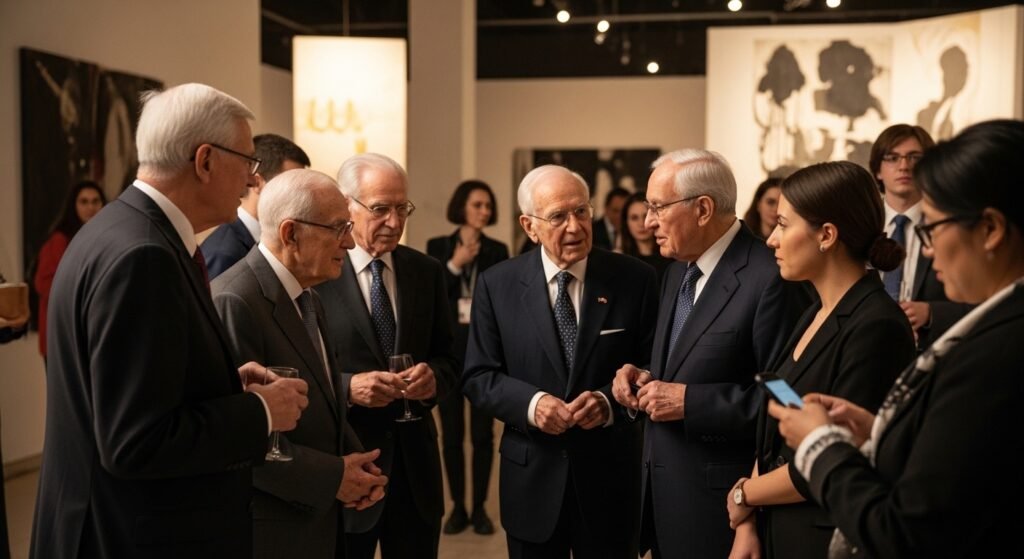
Some of the veterans in the industry also showed up, and it reminded all of the reasons why they became icons in the first place. These are the figures who defined eras, whose influence shaped the very concept of modern celebrity style. Seeing them seated alongside the newest generation created a powerful visual dialogue between fashion’s past and future. Their presence lent gravitas to the proceedings, a reminder that true style transcends trends. Younger attendees were visibly thrilled to share space with their idols, and the mutual respect was evident in every interaction captured by photographers. In an industry often obsessed with the new, this celebration of enduring icons felt both refreshing and necessary.
Hollywood Royalty Takes The Lead
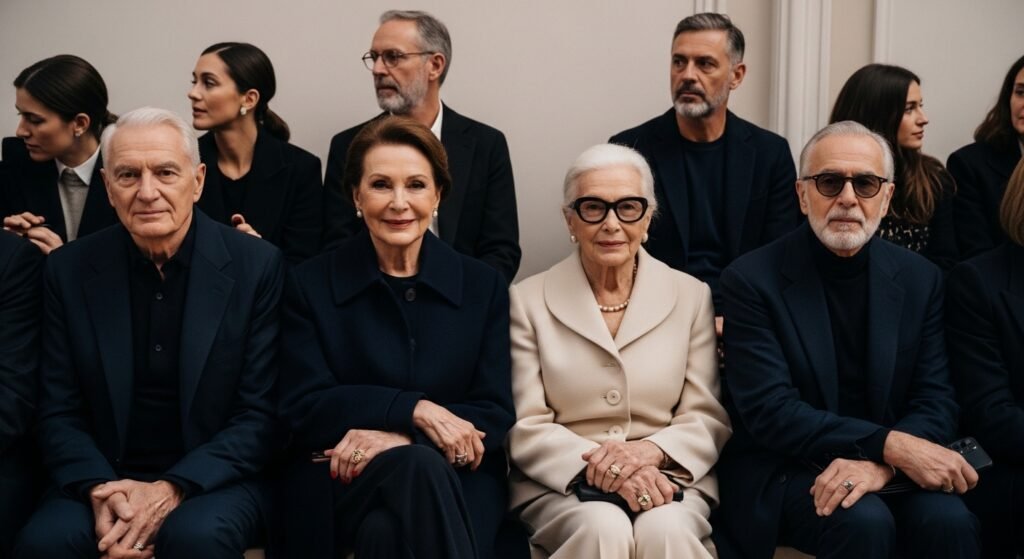
Major movie stars added a touch of movie glamour to the front row, and they just look casually gorgeous while doing it. The Hollywood contingent brought old-school star power, dressed in looks that balanced red-carpet polish with fashion-week edge. Their stylists clearly understood the assignment: this was not about upstaging the runway but about participating in fashion as cultural insiders. The actors’ presence also highlighted the increasingly blurred lines between cinema and couture, as luxury houses compete to dress the stars who will carry their designs into the global spotlight. Every outfit was dissected online within minutes, generating the kind of earned media that money cannot buy.
Music Industry Titans Setting Trends
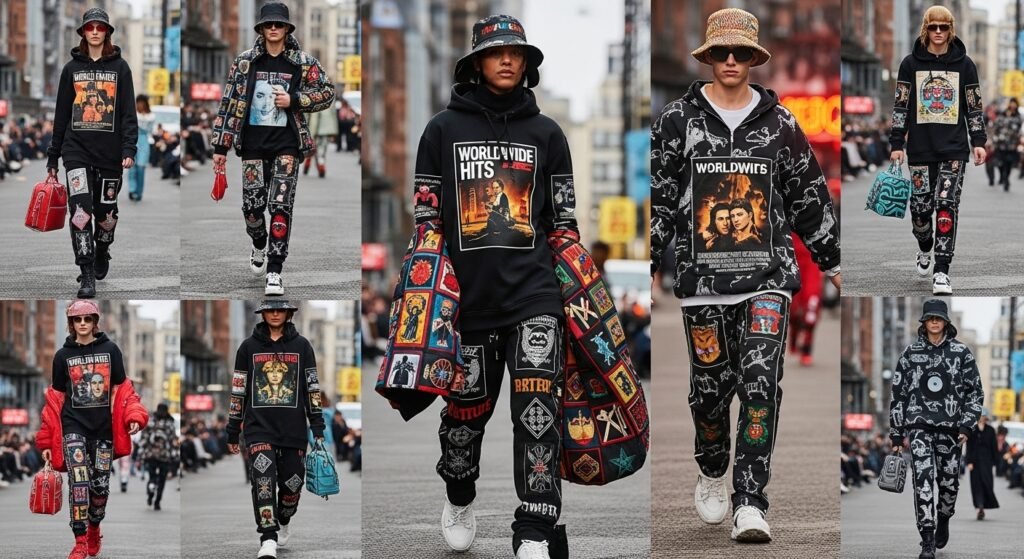
Worldwide hits were shown in the clothes that stretched the limits between conventional street fashion and haute couture. Musicians have become fashion’s most important influencers, with their style choices moving markets and launching trends overnight. The artists in attendance did not disappoint, delivering looks that were bold, personal, and unmistakably theirs. From oversized tailoring to avant-garde accessories, they treated the front row as another stage. Their fearlessness with fashion reflects a broader shift: musicians now wield as much style authority as traditional fashion editors. The synergy between music and fashion has never been stronger, and this front row was its most vivid illustration.
The New Wave Of Digital Creators
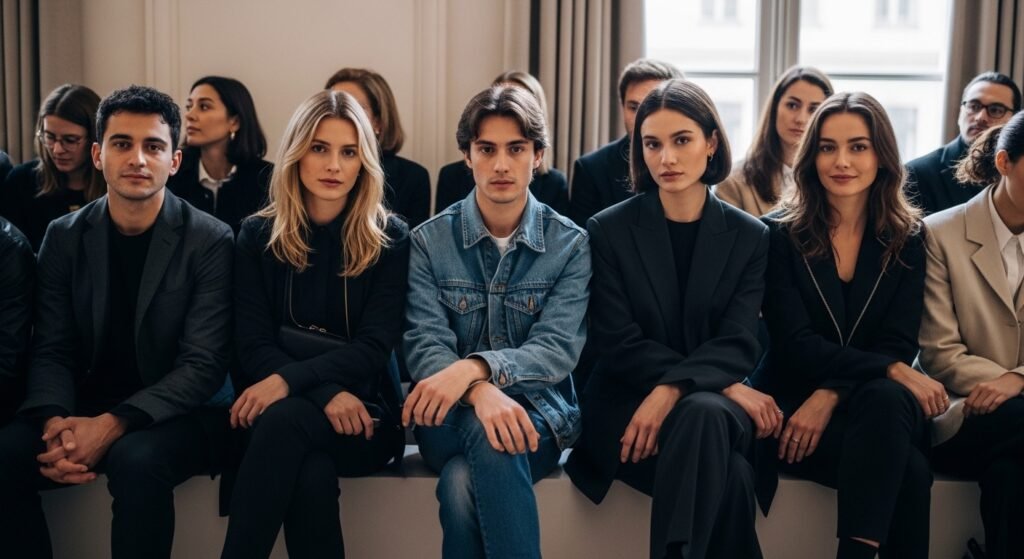
The social media influencers or digital creators were seated with the conventional celebrities, which marks a definitive shift in fashion’s power structure. Where creators were once relegated to standing room or afterparties, they now occupy prime front-row real estate, reflecting their enormous commercial influence. These digital natives brought a different energy: immediate, interactive, and broadcast to millions in real time. Their presence acknowledges that fashion’s future audience lives on phones, not in print. Brands have taken notice, increasingly designing with viral moments in mind. The front row’s embrace of creators signals that the industry has fully accepted the democratization of influence.
Athletic Excellence Meets High Fashion
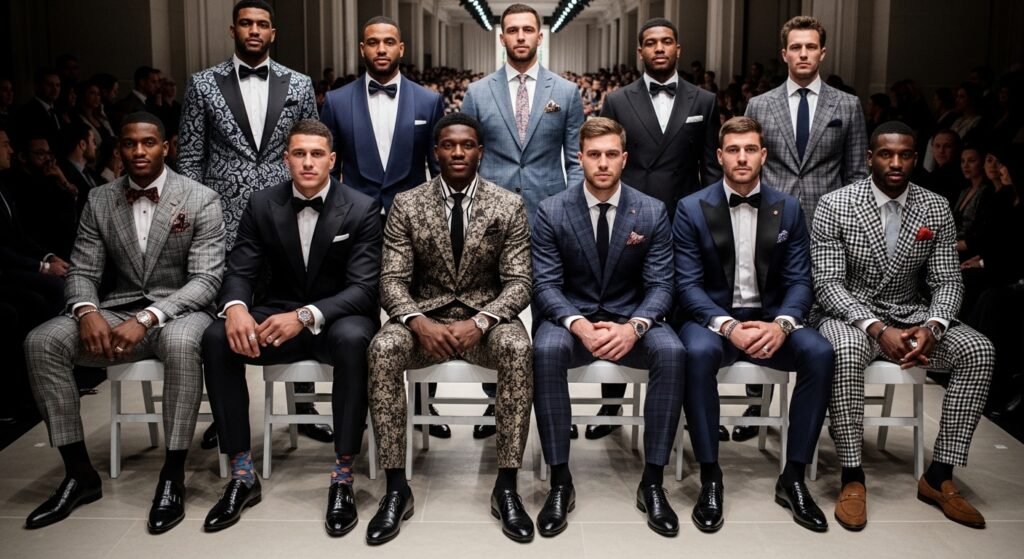
Star athletes have changed their jerseys and replaced them with custom-made suits and fashionable ensembles that rival any red carpet. The rise of the athlete as style icon is one of fashion’s most significant recent developments, driven by tunnel walks, personal branding, and luxury partnerships. In the front row, they brought a distinctive physical presence and a fresh perspective on menswear. Their stylists have mastered the art of dressing powerful physiques in couture, proving that high fashion can celebrate strength. The athletes’ ease in this world reflects how thoroughly sports and fashion have merged. Their front-row seats were not courtesy invitations but recognition of genuine cultural capital.
Subtle Coordination Between Global Stars
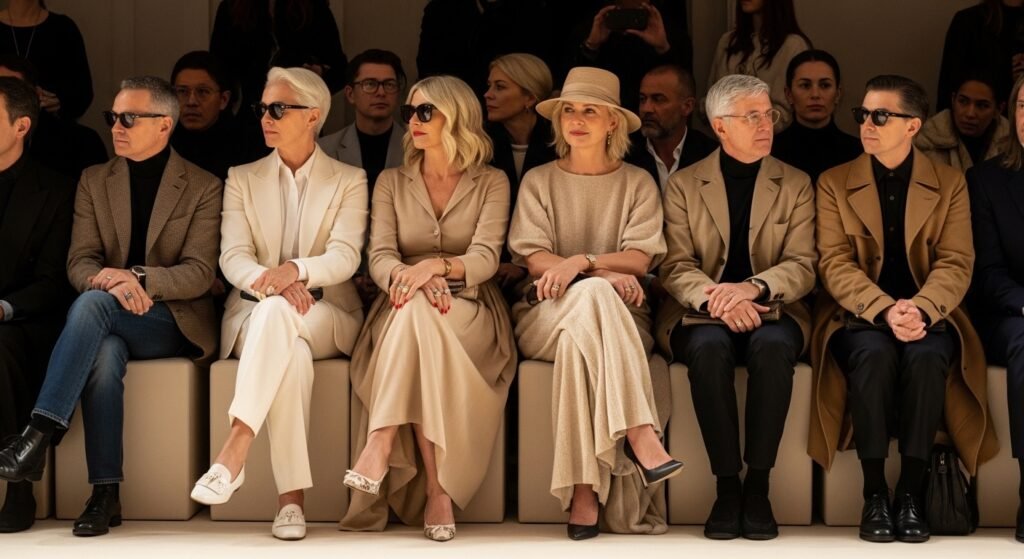
It appeared that some of the guests could have simply synchronized their appearance, or the alignment was purely coincidental, but the effect was striking. Whether through shared stylists, brand direction, or serendipity, complementary colors and silhouettes created visual harmony across the row. Fashion observers delighted in spotting these connections, reading them as intentional statements about unity and collaboration. In an age of individualism, the subtle coordination suggested a collective mood. It also demonstrated the sophistication of modern celebrity styling, where even spontaneity is carefully curated. The result was a front row that looked less like random seating and more like a composed photograph.
Cultural Crossovers Defining The Moment
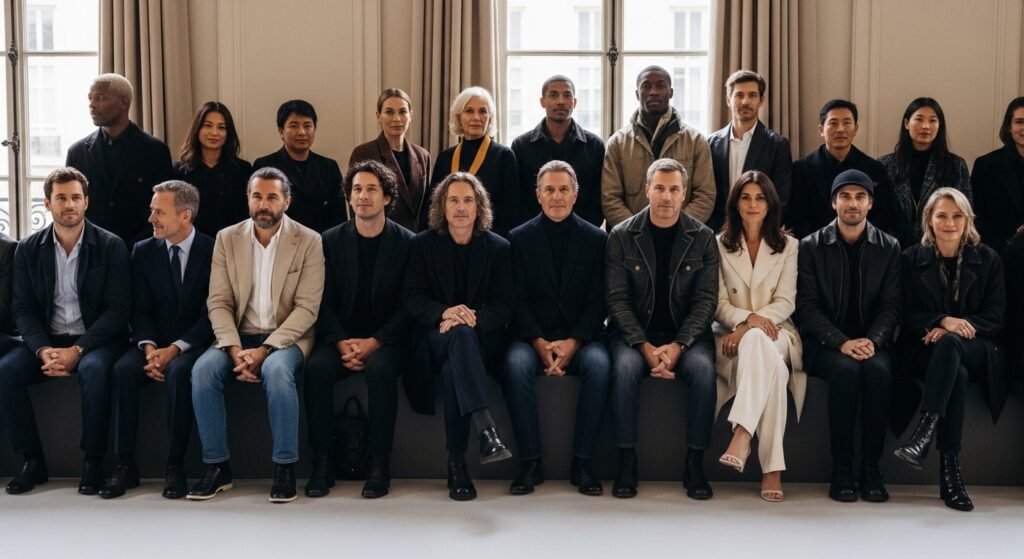
The combination of the actors, musicians, and tech innovators brought different industries together in a way that felt emblematic of our interconnected era. Fashion week has evolved from an industry trade event into a cultural festival, and the front row reflects that expansion. Tech founders sat beside pop stars, artists beside athletes, creating collisions that spark creativity. These crossovers are not accidental; brands deliberately curate diverse guest lists to signal relevance across demographics. The conversations happening in those seats may shape collaborations, investments, and trends far beyond fashion. The front row has become a networking summit disguised as a spectator sport.
Setting The Tone For Next Year
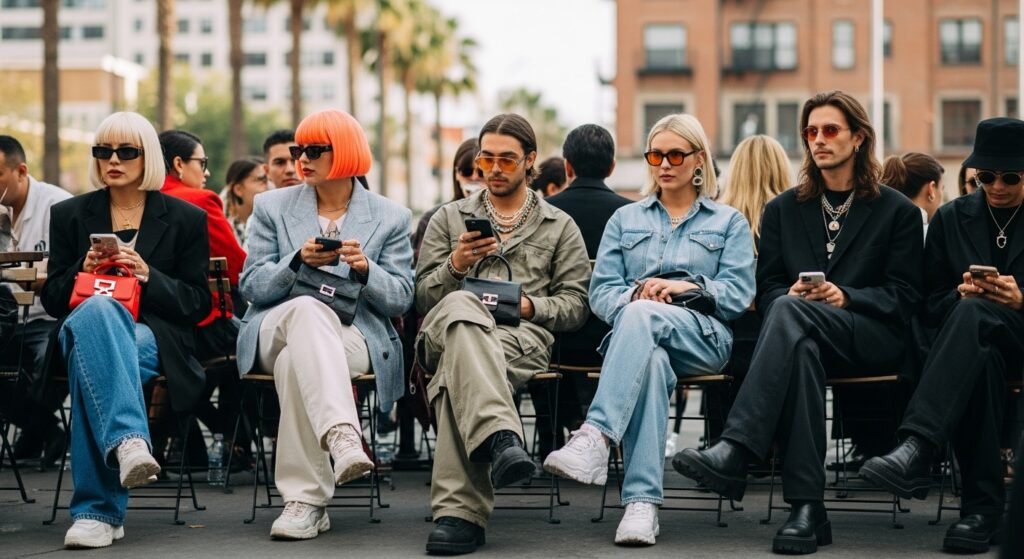
The styles seen in the seating area must have been giving us a preview of what we will be experiencing in the coming seasons. Front-row fashion often predicts trends as reliably as the runway, since attendees wear what they genuinely love rather than what they are paid to promote. Observers noted recurring themes: a return to polished elegance, playful proportions, and confident color. Street style photographers captured every arrival, and those images will influence retail buying and consumer desires for months. In this way, the front row functions as a real-world focus group for the industry’s direction. What the most influential people choose to wear when all eyes are on them is the purest signal of where fashion is heading.
A Night That Redefined Influence
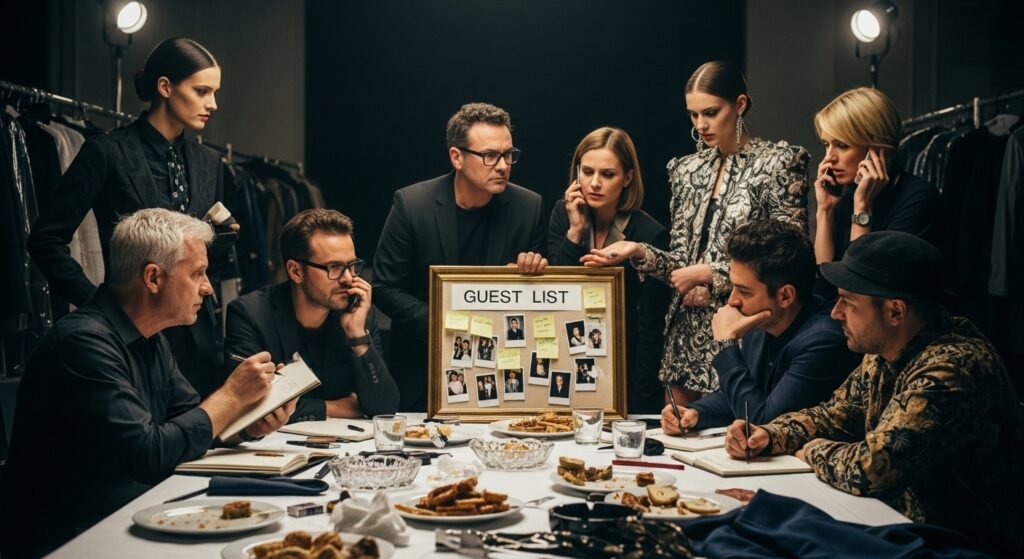
When the last model was leaving, the discussion was nearly entirely about the guest list. It was a night that proved influence has many faces and that fashion’s center of gravity has shifted from ateliers to audiences. The front row’s power lies not just in who attends but in what their attendance signifies: the convergence of entertainment, sports, technology, and digital culture around fashion. As the industry evolves, the front row will remain its most visible barometer, reflecting who holds cultural capital at any given moment. This particular night set a new standard, reminding everyone that in fashion, sometimes the most important show is the one happening in the seats. The images from that evening will be referenced for years as a defining portrait of influence in the mid-2020s.
Beyond the glamour, the front row serves a serious business purpose for fashion houses. The celebrities seated in those coveted chairs are not merely guests; they are brand ambassadors whose social media posts generate millions in earned media value. A single photo of a beloved star wearing a designer’s look can drive more sales than a traditional advertising campaign. Fashion houses invest enormous resources in securing the right attendees, understanding that the front row is as much a marketing channel as the runway itself. Stylists, publicists, and brand consultants negotiate these appearances months in advance, choreographing a delicate dance of relationships and contracts.
The seating chart itself is a work of art, carefully orchestrated to maximize photographic impact and social media buzz. Publicists work tirelessly to ensure their clients are positioned next to the right people, creating images that will dominate fashion coverage. A photo of two rival stars chatting amiably can generate more headlines than the collection itself. The front row has become a stage where celebrity narratives play out in real time, from surprise reunions to new couple debuts. Every interaction is scrutinized, every outfit compared, making the front row a high-stakes performance in its own right.
Ultimately, what made this front row truly powerful was its diversity of influence. No single industry dominated; instead, the seats reflected a modern understanding that culture is created at the intersections. Fashion no longer belongs exclusively to designers and editors, but to everyone who shapes how we express identity. This front row was a mirror held up to contemporary society, showing us who we admire and why. As the lights dimmed and the next show began, one thing was certain: the real show had already happened in the front row.