 Sarah Grey
For years, my nighttime routine was falling asleep with the TV on and half my makeup still on. I would wake up with pillow creases, dull skin, and a vague sense that I was aging faster than necessary. Then I learned something that changed everything: your skin does its hardest work while you sleep. Cell turnover ramps up overnight, blood flow to the skin increases, and the products you apply before bed get hours of uninterrupted time to work. A good night routine is not vanity. It is giving your skin the night shift it was designed for.
I built a simple, consistent nighttime routine and followed it for a month. The transformation was faster than I expected: clearer, calmer, glowier skin, and better sleep as a bonus. Here is the exact routine, why each step matters, and the small lifestyle tweaks that multiplied the results.
Why Night Is When Skin Transforms
During the day, your skin is in defense mode: fighting UV rays, pollution, and stress. At night, it switches to repair mode. Research on skin biology shows that cell regeneration peaks overnight, which is why dermatologists often recommend active ingredients like retinoids for evening use. Sleep itself matters enormously too. A well-known 2013 study from University Hospitals Case Medical Center found that poor sleepers showed more signs of skin aging and slower recovery from environmental stress than good sleepers.
This means your evening routine works on two levels: the products you apply and the sleep you get. Neglect either one and you are leaving results on the table. The routine below addresses both.
The Magic of Consistency
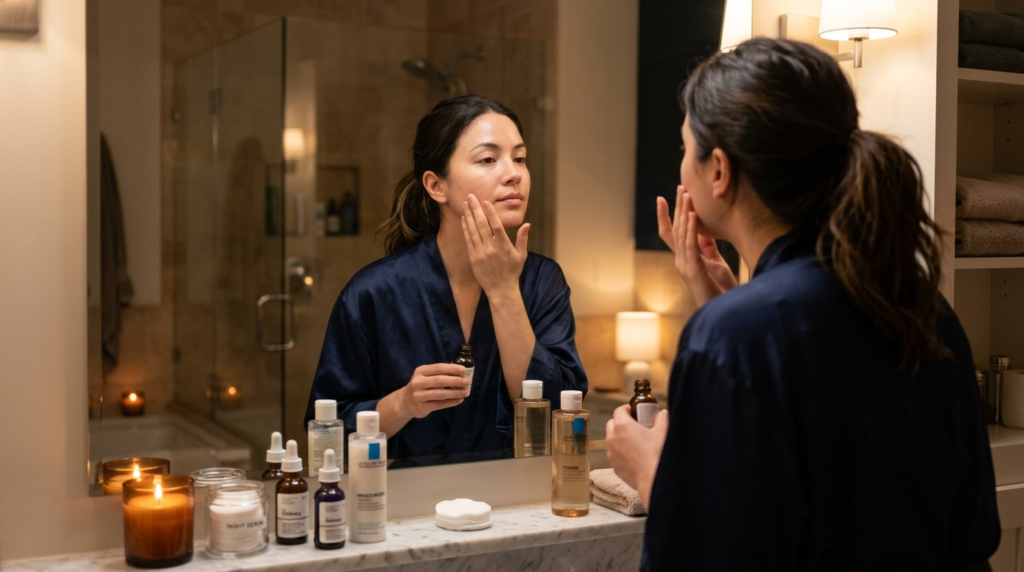
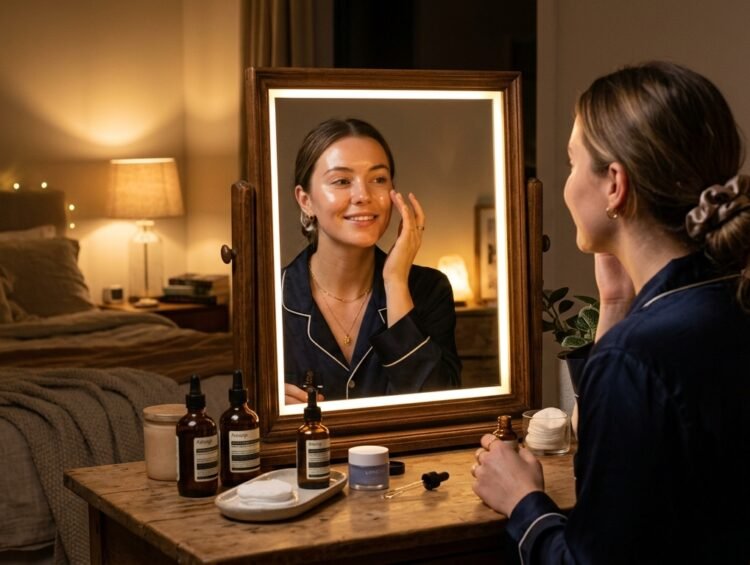
The most powerful ingredient in any routine is the one nobody sells: showing up every night. Skincare works cumulatively. A simple routine done consistently will outperform an elaborate one done sporadically every time. I do mine at the same time each evening, right after brushing my teeth, so it is anchored to an existing habit.
There is a psychological benefit too. A calm, predictable wind-down ritual signals to your nervous system that the day is over. My evening routine has become a boundary between daytime stress and nighttime rest, and I protect it the way I protect my sleep.
Step 1: Double Cleanse
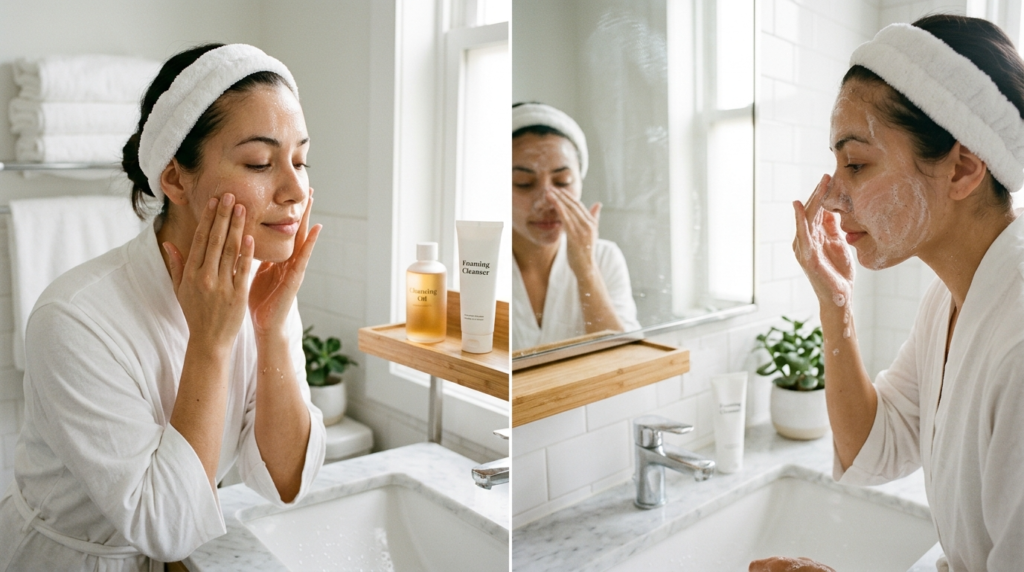
If you wear sunscreen or makeup, one cleanse is not enough. Double cleansing, a method popularized by Korean skincare, uses an oil-based cleanser first to dissolve sunscreen, makeup, and excess sebum, followed by a gentle water-based cleanser to clean the skin itself. Oil dissolves oil, so the first step melts away what water alone cannot.
Massage the oil cleanser onto dry skin for a full minute, add water to emulsify, rinse, then follow with your regular cleanser. My skin felt dramatically cleaner without any tightness, and the clogged pores along my nose visibly improved within two weeks. If you do not wear makeup, a single gentle cleanse is fine.
Step 2: Hydration Layers

After cleansing, while skin is still slightly damp, I apply a hydrating toner or essence. These lightweight, watery products deliver an initial flood of moisture and prep the skin to absorb everything that follows. Think of damp skin as a sponge: it takes up product far better than dry skin does.
Press the product in with your palms rather than rubbing. This layering technique, applying thin hydrating layers before richer products, is the core of the dewy, plump skin that good routines produce. My skin drinks this step up, especially in dry winter air.
Step 3: Targeted Serums
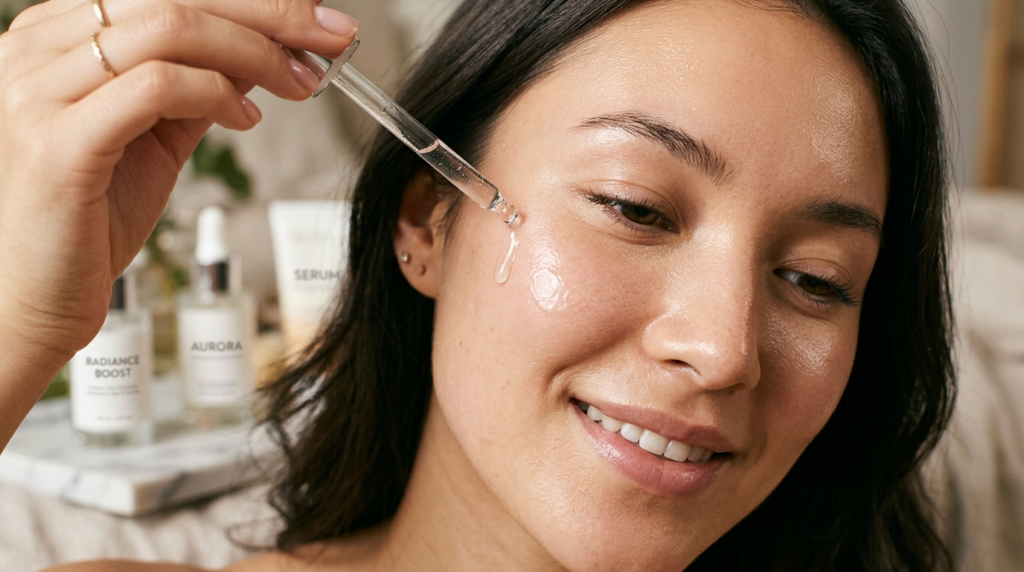
Night is prime time for active ingredients, since there is no sun to interfere and hours of undisturbed absorption ahead. I rotate between a retinoid and a brightening serum on alternate nights. Retinoids, derivatives of vitamin A, are among the most researched skincare ingredients for smoothing texture and evening tone. They can cause irritation at first, so start with a low strength twice a week and build up.
One active at a time is the rule. Layering multiple strong actives is how beginners damage their skin barrier. Pick the concern that bothers you most, address it with one proven ingredient, and give it at least a month. Patience is the active ingredient most people skip.
Step 4: Eye Cream Comfort
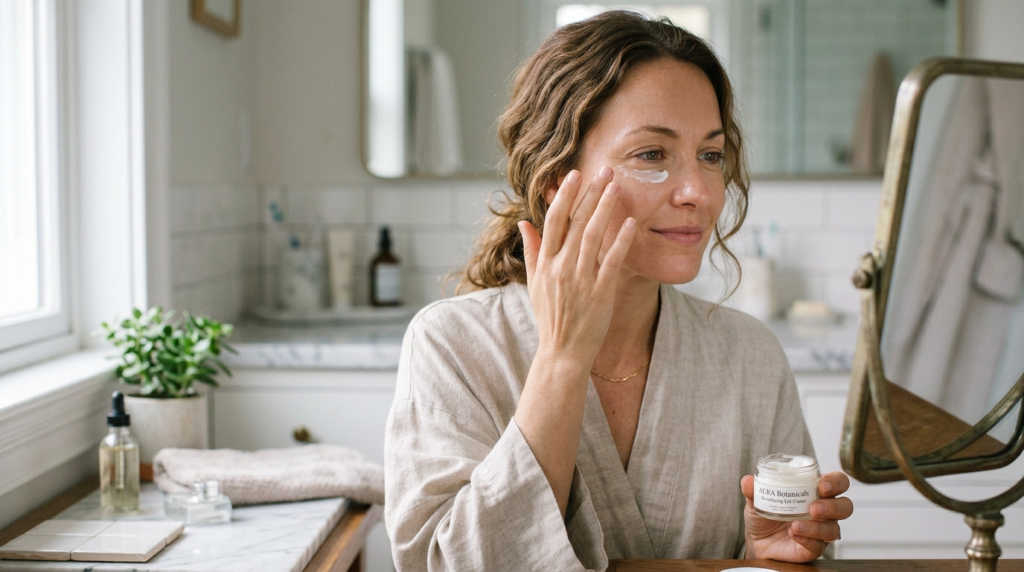
The skin around your eyes is the thinnest on your face and shows fatigue first. A pea-sized amount of eye cream, patted gently around the orbital bone with your ring finger, hydrates and smooths this delicate area. The patting motion matters: rubbing stretches skin that is already prone to fine lines.
I apply eye cream before moisturizer so it absorbs without interference. It will not erase genetics or replace sleep, but consistent use keeps the area hydrated and smooth, which makes the whole face look more rested.
Step 5: Lock In Moisture
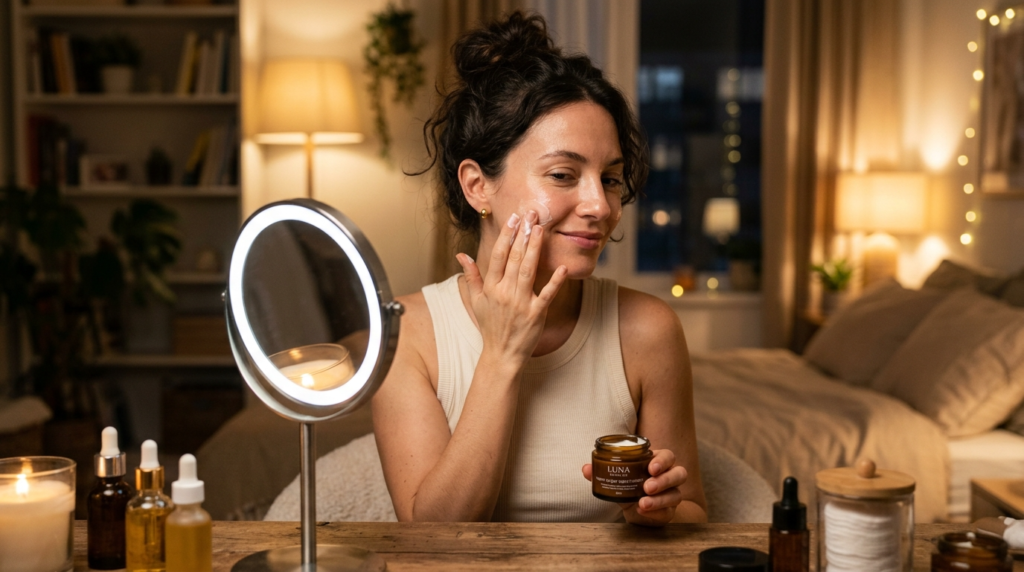
A good night moisturizer seals in everything underneath and prevents water loss during the dry hours of sleep. Night creams tend to be richer than day moisturizers, and that is intentional: with no makeup or sunscreen to layer over, your skin can handle and benefit from deeper nourishment.
Look for barrier-supporting ingredients like ceramides, squalane, or niacinamide. If your skin is very dry, a thin layer of facial oil pressed over the moisturizer adds extra sealing power. I wake up with skin that feels supple instead of tight, which tells me the barrier stayed intact overnight.
Sleeping Position Matters More Than You Think

I was a dedicated side sleeper, and my face showed it: deeper creases on one side, morning puffiness, and pillow lines that lingered past coffee. Sleeping on your back keeps your face off the pillow entirely, which reduces mechanical compression and fluid pooling on one side.
Training yourself to back-sleep takes effort. A supportive pillow that keeps your head slightly elevated helps, and so does a body pillow that makes side-rolling less automatic. If back-sleeping is impossible for you, a silk or satin pillowcase is the next best thing: it creates less friction than cotton, which means less tugging on skin and hair overnight.
Hydrate From the Inside

Topical hydration works best when the body is hydrated too. I keep a glass of water on my nightstand and sip through the evening instead of chugging right before bed, which just disrupts sleep with bathroom trips. Steady, moderate hydration supports everything, including skin.
I also cut back on evening alcohol, which is dehydrating and disrupts sleep quality. The difference in my morning skin after alcohol-free evenings is noticeable enough that it changed my habits. What you drink shows up on your face.
Build a Real Wind-Down

Stress shows up on skin. Cortisol, the stress hormone, can increase oil production and inflammation, and chronic stress is linked to breakouts and dullness. A genuine wind-down routine lowers stress before sleep, which is skincare from the inside out.
Mine is simple: skincare, then twenty minutes of reading a physical book, lights low. No intense shows, no doomscrolling, no work email. The routine tells my brain the day is done, and I fall asleep faster and sleep more deeply. Better sleep means better skin, which was the whole point.
Put the Phone Down

Blue light from screens can suppress melatonin and delay sleep, and the mental stimulation of feeds and messages keeps the brain wired when it should be winding down. I put my phone on Do Not Disturb and leave it outside the bedroom an hour before bed.
This was the hardest habit to build and the most rewarding. My sleep quality improved within days, and good sleep is the foundation everything else rests on. If an hour feels impossible, start with thirty minutes. Even a short screen-free buffer helps.
Change Your Pillowcase More Often
Here is an unglamorous tip with outsized impact: your pillowcase collects oil, sweat, and product residue every night, and then you press your face into it for eight hours. Dermatologists often suggest changing pillowcases two to three times a week if you are breakout-prone. It is a two-minute task that removes a nightly source of irritation.
Silk or satin pillowcases get a lot of hype for reducing friction, and they do feel luxurious, but the bigger win is simply freshness. A clean cotton pillowcase beats a week-old silk one every time. I keep a small stack by my bed so swapping takes seconds, and my skin has been clearer for it.
Patience Yields Results

Here is the truth about timelines. Hydration and glow improve within days. Texture and tone improve within weeks. Deeper changes take a full skin cycle or more. The people who get the best results are not the ones with the best products. They are the ones who keep going.
A month into my routine, my skin is clearer, calmer, and brighter than it has been in years. But the real transformation is the ritual itself: ten quiet minutes that are entirely mine, every single night. That is the part I would not give up for anything. Start tonight. A month from now, your mirror will thank you.