 Sarah Grey
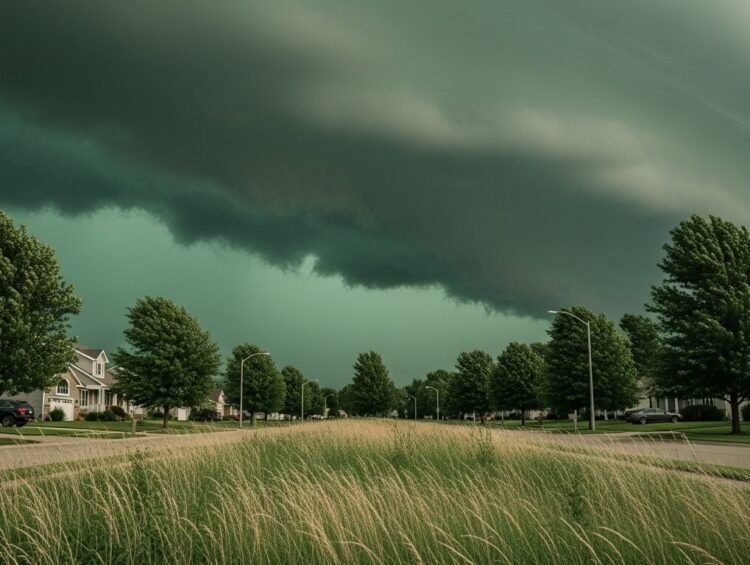
America has never had a simple relationship with the sky, especially in the heartland of the country where the horizon stretches endlessly and weather can turn from benign to brutal in minutes. Each spring, the central United States enters tornado season, a period when warm, moist air from the Gulf of Mexico collides with cool, dry air from the north, creating the perfect conditions for violent storms. When these air masses clash, the result can be a tornado, nature’s most concentrated and destructive windstorm. For communities in Tornado Alley, the threat is a familiar part of life, yet each outbreak brings fresh devastation and renewed respect for the atmosphere’s power. This is the story of one such night, when powerful storms tore through Midwestern towns, leaving homes in ruins and residents to pick up the pieces.
The Sudden Shift In The Sky
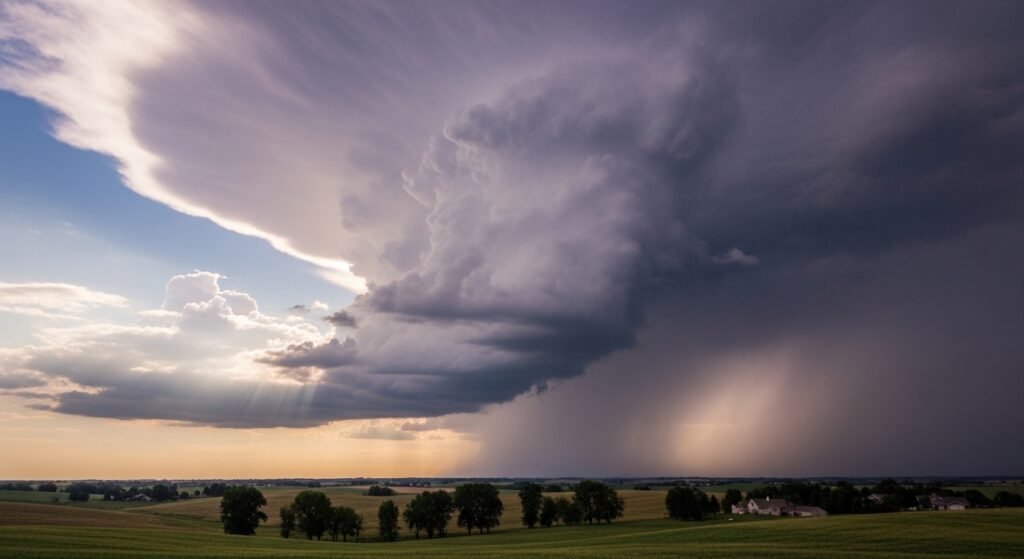
It often begins with a deceptively beautiful morning that is a little bit too hot for the season. The air feels heavy and electric, and longtime residents recognize the signs: a greenish tint to the clouds, an eerie stillness, then a sudden shift as the sky darkens to an ominous black. Meteorologists watch for the specific signatures of tornadic storms on radar, including hook echoes and debris balls that indicate rotation. On this night, the National Weather Service had issued tornado watches hours in advance, but the speed and intensity of the developing storms still caught many off guard. The sudden shift from calm to chaos is what makes tornadoes so terrifying; there is little time between the first warning signs and the moment of impact.
Sirens Cutting Through The Quiet
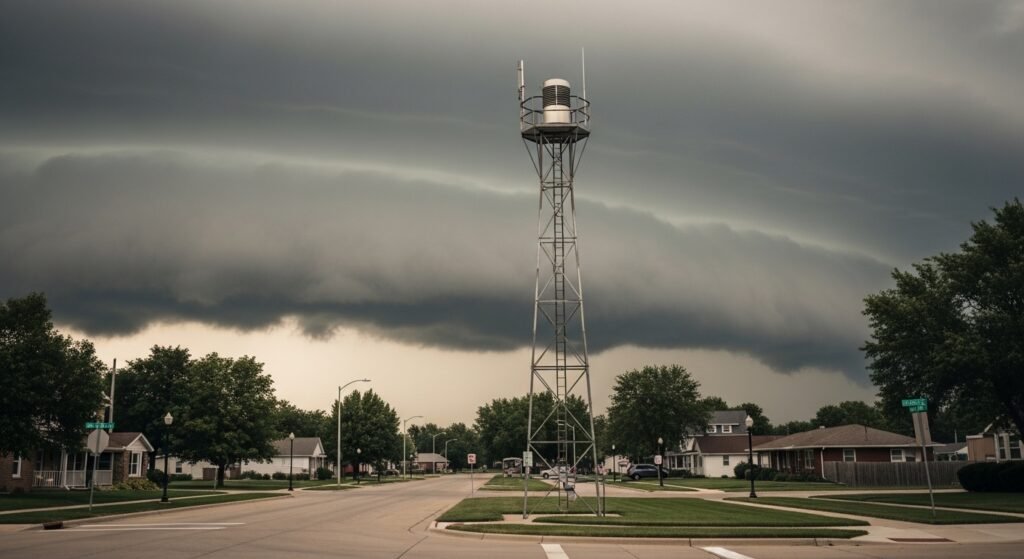
Nothing in the world is equal to that basic, monotonous wail of a storm siren that whistles in so many small towns. The outdoor warning sirens, originally designed for civil defense, have become the soundtrack of tornado season in the Midwest. When they sound, residents know to seek information immediately: turn on the television, check phones for wireless emergency alerts, and prepare to take shelter. On this night, the sirens wailed repeatedly as multiple tornado warnings were issued. Emergency management officials emphasize that sirens are meant to warn those who are outdoors; indoors, people should rely on NOAA weather radios and smartphone alerts. The wail cutting through the evening quiet was the signal that lives were about to change.
Seeking Shelter In Small Spaces
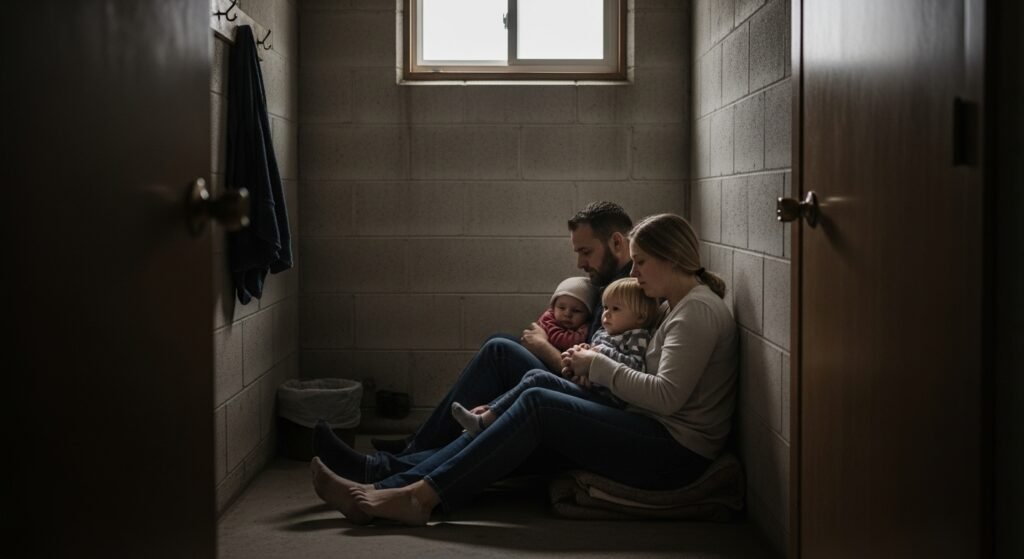
Families are usually stacked in small crawl spaces or concrete basements as the outside world becomes unrecognizable. Tornado safety experts recommend getting to the lowest level of a sturdy building, away from windows, and covering up with mattresses or heavy blankets to protect against debris. Interior bathrooms and closets can serve as last-resort shelters when no basement is available. On this night, countless families huddled together in the dark, listening to the wind build to a deafening roar. Parents held children close, pets were gathered into carriers, and everyone prayed the roof would hold. Those few minutes in small spaces felt like hours, as the storm’s fury tested the limits of wood, brick, and human courage.
The Roar Of A Passing Freight Train
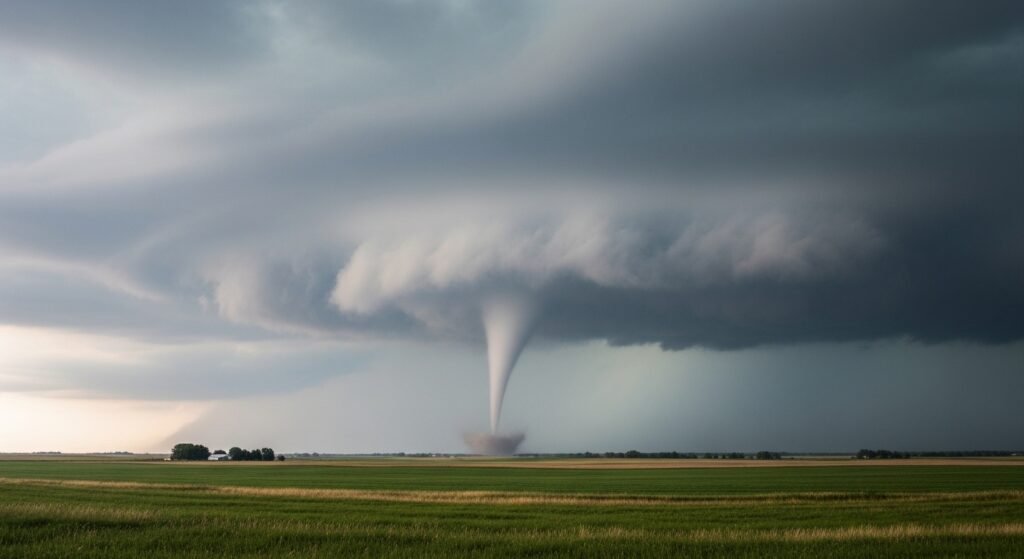
Individuals who have encountered the near-death experience associate the noise of a tornado with the sound of a freight train passing directly overhead. This comparison appears in survivor accounts so consistently that meteorologists consider it a hallmark of tornadic storms. The roar is caused by winds exceeding 200 miles per hour in the most violent tornadoes, combined with the sound of debris being hurled through the air. Some survivors describe a deep, vibrating rumble felt in the chest, while others recall a high-pitched shrieking as the funnel passes. The noise is not merely loud; it is viscerally terrifying, a sound that the body recognizes as life-threatening before the mind can process it. Those who hear it never forget it.
Windows Shattering Under Intense Pressure
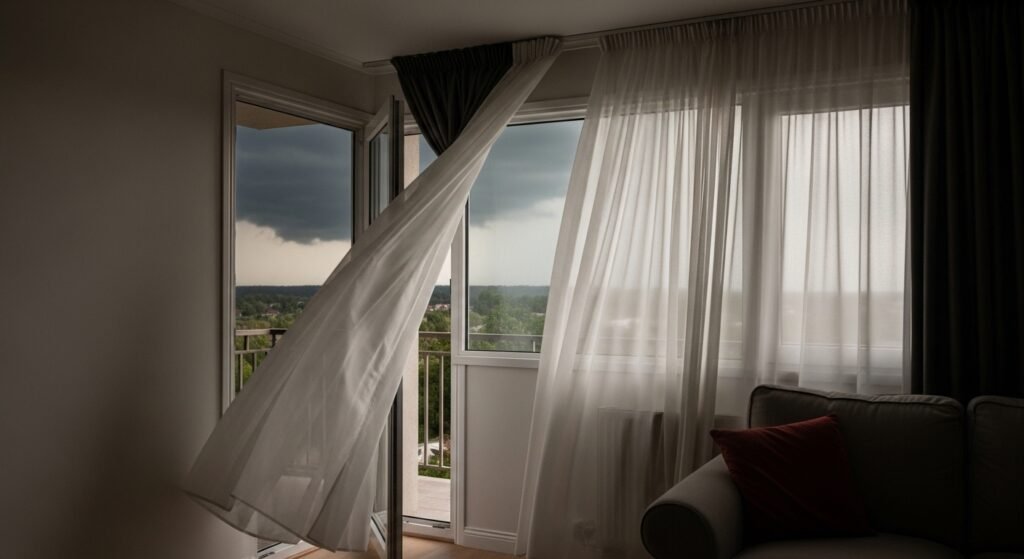
The physical integrity of a home is put to the ultimate test as the atmospheric pressure drops dramatically inside the funnel. Windows explode outward or inward, showering rooms with glass. Roofs lift off as the pressure differential pries at every seam and nail. Walls that seemed solid crumble when the wind finds an opening. Engineers who study tornado damage note that once the building envelope is breached, destruction accelerates rapidly, as wind gets inside and pushes outward with tremendous force. On this night, the pressure changes were so extreme that survivors reported their ears popping violently. Homes that had stood for decades were reduced to foundations in seconds, a testament to the awesome and indiscriminate power of the storm.
Neighborhoods Transformed In An Instant
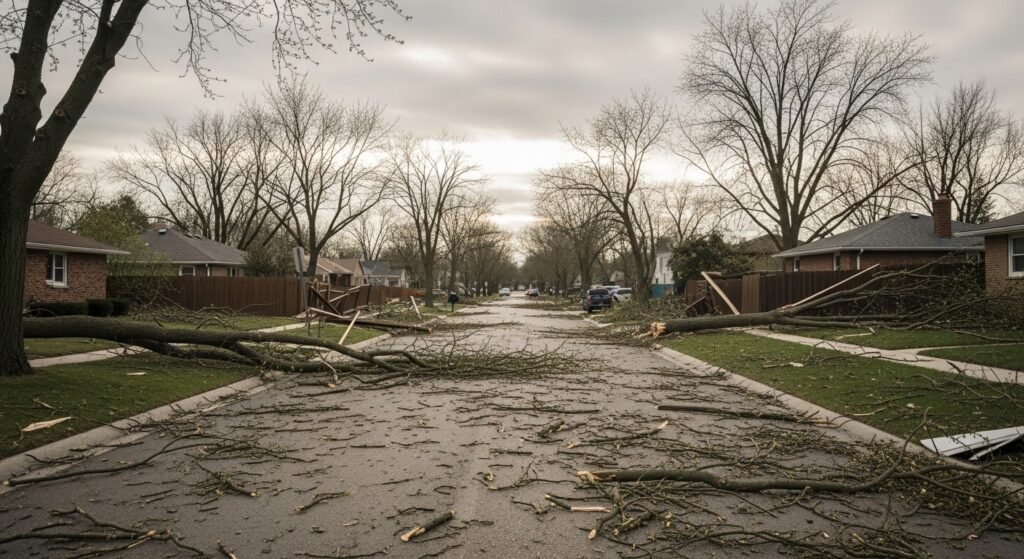
It may be completely disorienting when the clouds finally clear to reveal a familiar street transformed beyond recognition. Where houses once stood in neat rows, now there are empty slabs and piles of splintered lumber. Mature trees are snapped like twigs or uprooted entirely, their root balls exposed to the sky. Cars are tossed like toys, wrapped around poles or deposited in fields far from where they were parked. Street signs are gone, landmarks vanished, leaving survivors to navigate by memory and instinct. The transformation happens in minutes but the disorientation lasts for days, as residents struggle to reconcile the neighborhood in their minds with the wasteland before their eyes. It is a surreal and heartbreaking experience that defines tornado disasters.
Debris Fields Tell Personal Stories
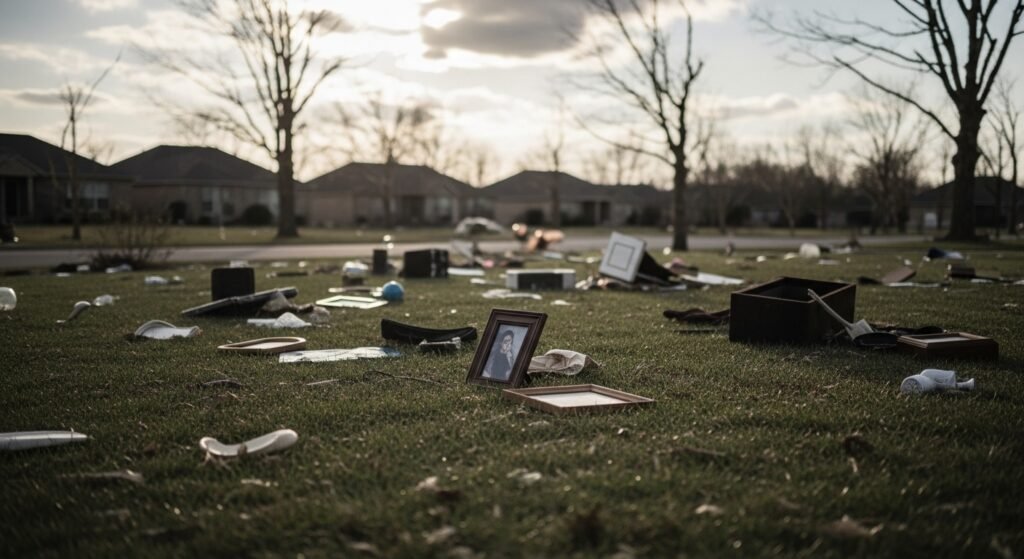
Strolling in a neighborhood after the storm, one gets shocking pieces of insight into how people lived through the scattered remnants of their lives. A child’s teddy bear hangs from a broken branch. Family photographs, miraculously intact, lie in the mud yards from where the house stood. A wedding album, a high school diploma, a favorite coffee mug, each object tells a story of a life interrupted. Tornado debris fields are uniquely personal compared to other disasters because the wind scatters belongings across miles, creating a surreal archive of private lives made public. Volunteers often spend days collecting and cataloging these items, hoping to return them to their owners. In the midst of devastation, these small recoveries provide moments of profound emotional relief.
First Responders Navigating The Chaos
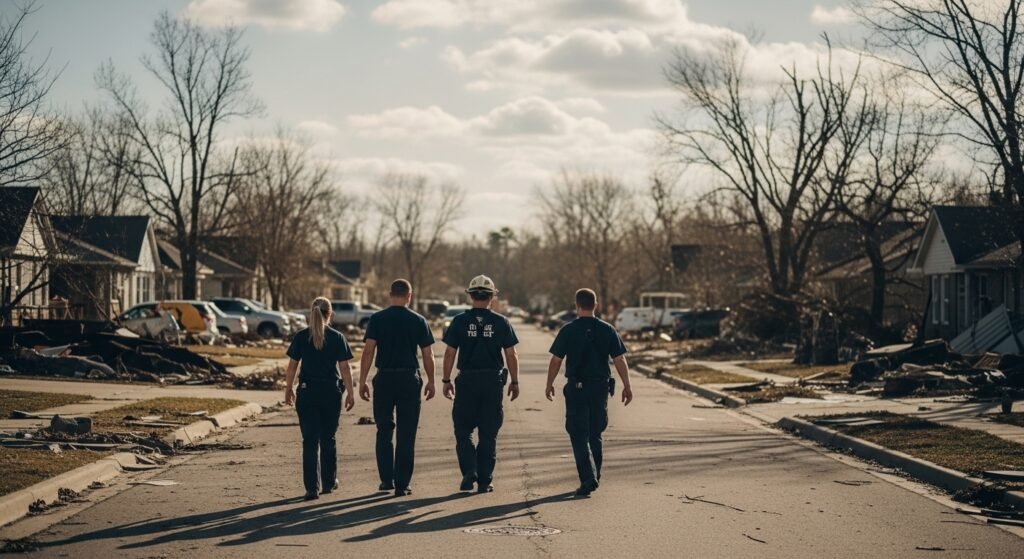
Once the wind subsides, the local police, firefighters, and emergency crews provide the first glimmer of order in the chaos. They navigate streets blocked by downed power lines and fallen trees, often on foot when vehicles cannot pass. Search and rescue teams move systematically through damaged neighborhoods, calling out and listening for responses from those trapped in rubble. Utility crews work to shut off gas lines and restore power, while medical personnel set up triage areas. The coordination required is immense, involving local, state, and sometimes federal agencies. On this night, first responders worked through darkness and rain, their headlamps cutting through the gloom as they searched for survivors. Their bravery and professionalism in the face of devastation exemplify the best of public service.
Neighbors Helping Neighbors Rebuild
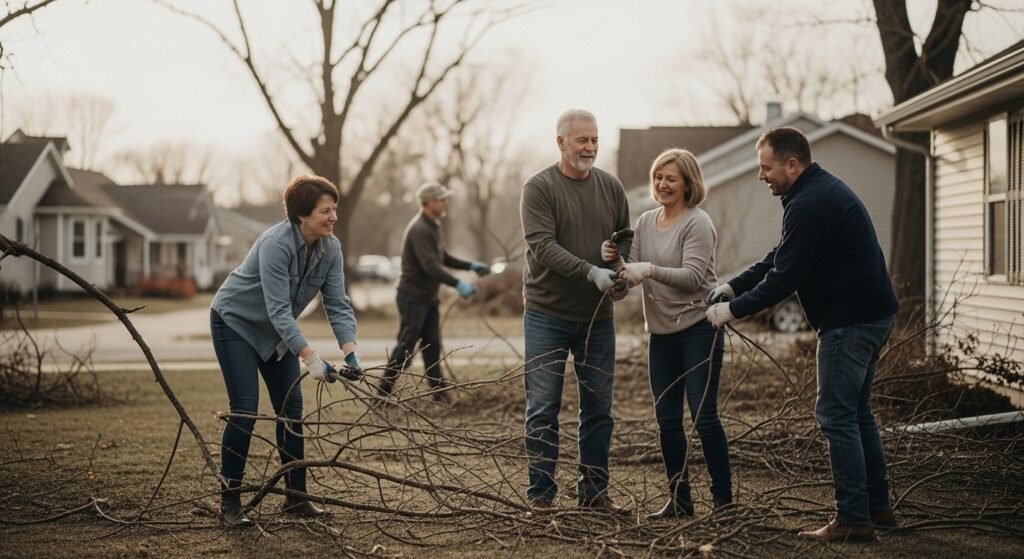
The Midwestern soul is normally at its finest when the next day the chainsaws begin humming. Before official relief organizations can mobilize, neighbors are already helping neighbors, clearing driveways, sharing generators, and offering spare bedrooms. Churches and schools open their doors as shelters, while local restaurants donate food. This spontaneous community response is a hallmark of tornado recovery in the heartland, where self-reliance and mutual aid are deeply ingrained values. Volunteers from unaffected nearby towns arrive with trucks full of supplies, asking only where they are needed. The sight of strangers working side by side to clear debris is a powerful reminder that even in the worst moments, human kindness persists. Rebuilding begins not with government programs but with these acts of neighborly love.
Assessing The Path Of Destruction
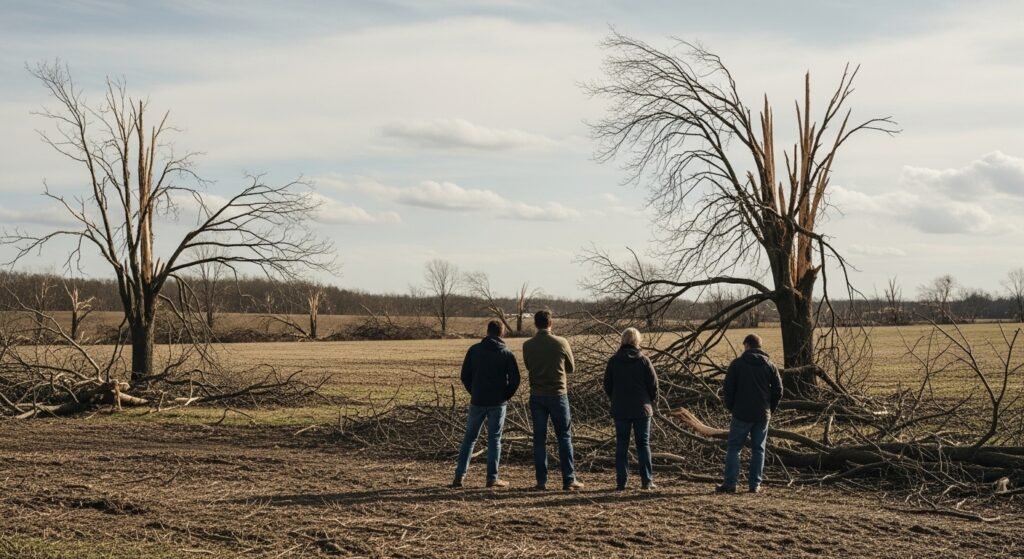
Meteorologists can take days to map the details of a storm to know the behavior and intensity of the tornado. Using the Enhanced Fujita scale, experts survey damage patterns to estimate wind speeds, rating tornadoes from EF0 to EF5. They examine how structures failed, how far debris was carried, and the width of the damage path. This forensic meteorology helps communities understand what happened and improves future building codes and warning systems. On this night, preliminary assessments suggested multiple tornadoes of significant intensity, with damage paths stretching for miles. The data collected will contribute to scientific understanding of tornadic storms, potentially saving lives in future outbreaks. Each assessment is a somber reminder of nature’s power and humanity’s ongoing effort to comprehend it.
The Long Road To Recovery
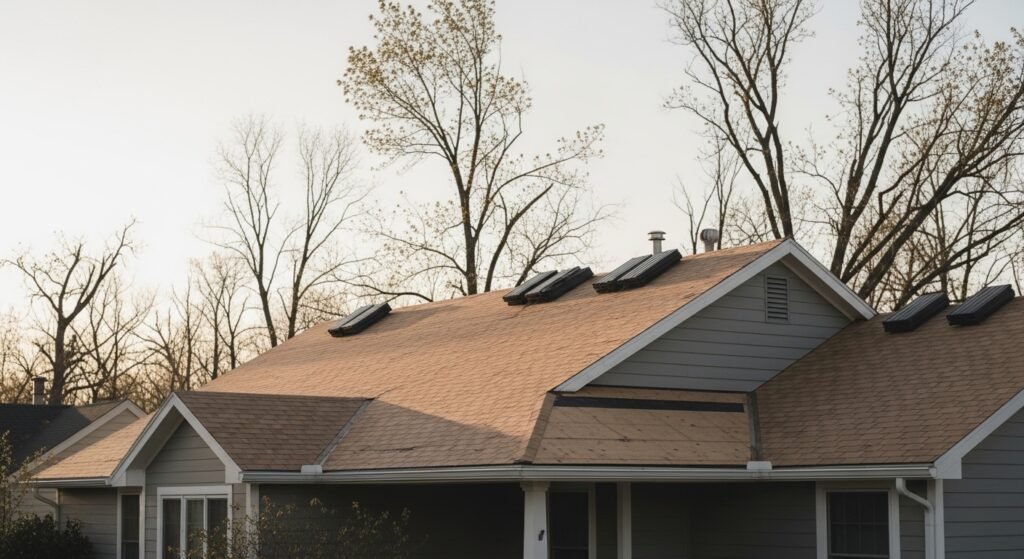
The process of rebuilding a community is not a race but a marathon and may require months or even years. Insurance claims must be filed, contractors scheduled, and decisions made about whether to rebuild or relocate. Federal disaster assistance, when approved, provides crucial support but often arrives slowly. Emotional recovery takes even longer, as survivors grapple with trauma, loss, and the anxiety that comes with each new storm warning. Yet Midwestern communities have a remarkable track record of resilience, rebuilding stronger and supporting one another through the darkest days. The long road to recovery is paved with both heartbreak and hope, as each new roof raised and each family returned home marks a victory over the storm. The nightmare of that night will fade, but the strength it revealed will endure.