 Sarah Grey
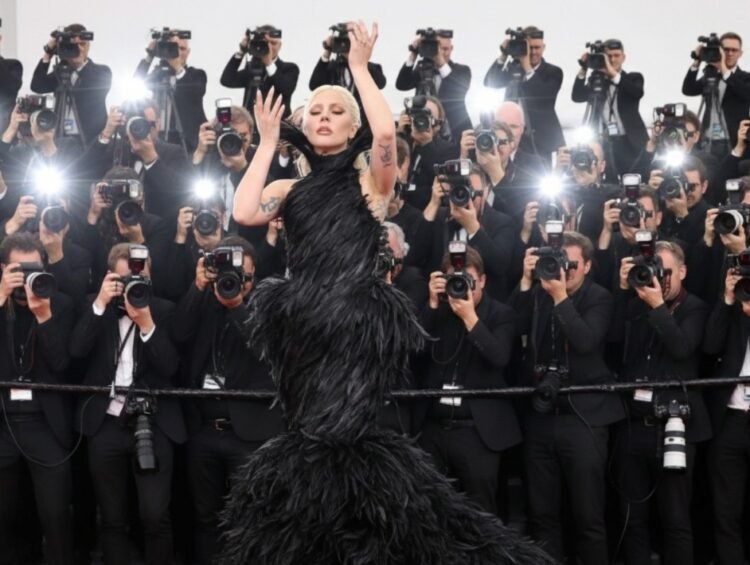
From the moment she emerged onto the global stage, Lady Gaga transformed red carpets and award shows into theatrical showcases of self-expression. Her fearless approach to style has consistently blurred the line between music, performance art, and high fashion. With every appearance, she challenges conventional expectations and invites audiences to reconsider what clothing can communicate about identity, culture, and creativity.
Few artists in pop history have used fashion as deliberately as Lady Gaga. For her, clothing is never just clothing. It is a statement, a costume, a protest, and a work of art all at once. Each outfit arrives with intention, whether it is meant to shock, to honor a designer, or to carry the emotional weight of a song into the visual world.
What makes her style moments break the internet is not extravagance alone. Plenty of celebrities wear expensive gowns. Gaga’s looks go viral because they mean something. They arrive at the right cultural moment, tell a clear story, and give millions of people something to debate, admire, or meme. That combination of artistry and timing is rare.
This is a tour through the fashion moments that defined her career, from the early provocations to the refined glamour of recent years, and a look at why her influence on style shows no sign of fading.
The Rise of a Fashion Provocateur
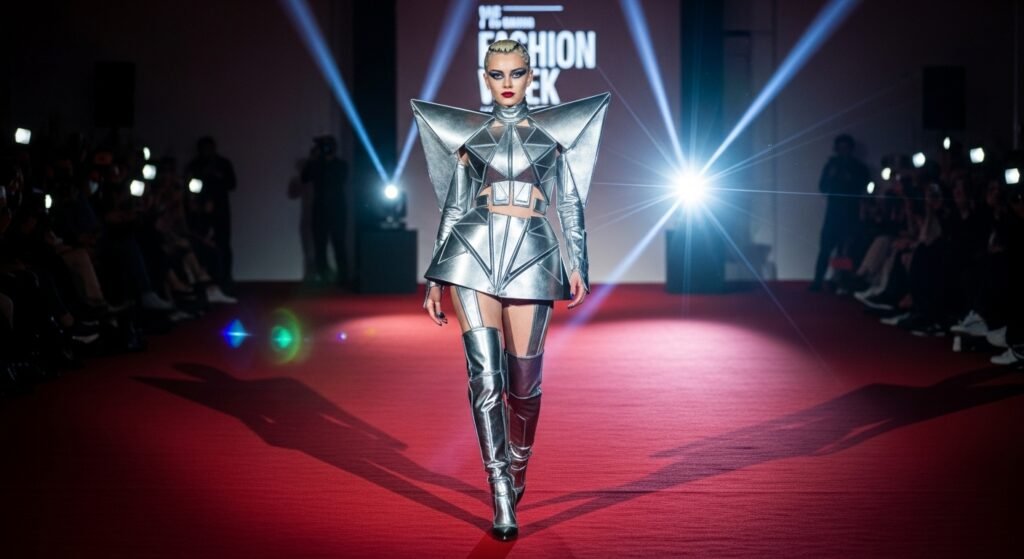
Early in her career, Lady Gaga established herself as more than a chart-topping artist by embracing bold silhouettes and unexpected materials that commanded attention. Her willingness to treat fashion as an extension of her artistic vision positioned her as a defining figure in contemporary style conversations.
When The Fame arrived in 2008, pop fashion was polished but predictable. Gaga disrupted it immediately with lightning-bolt makeup, disco-ball dresses, and outfits that looked beamed in from another planet. She understood something her peers did not: in the age of blogs and early social media, an unforgettable image could travel as far as a hit single.
Her creative partnership with stylist Nicola Formichetti and the Haus of Gaga collective gave her a laboratory for experimentation. Together they treated every public appearance as a premiere, designing looks that photographed dramatically and rewarded close attention. Nothing was accidental.
Critics initially dismissed the theatrics as gimmickry. But as the looks kept coming, each more considered than the last, the fashion world began paying serious attention. By the end of the Fame Monster era, Gaga was not just wearing fashion. She was shaping its conversation.
The provocateur label stuck because she earned it. She took risks when she had everything to lose, using her body as a canvas at the exact moment the world was watching.
The 2010 MTV Video Music Awards Meat Dress Moment
At the 2010 MTV Video Music Awards, she wore a dress made of raw beef designed by Franc Fernandez, a look that immediately sparked global debate and extensive media coverage. The ensemble was later preserved by the Rock and Roll Hall of Fame, underscoring its lasting cultural significance beyond a single evening.
The meat dress remains the most talked-about outfit of her career. She arrived at the ceremony already dressed memorably in an Alexander McQueen gown, then changed into the beef ensemble to accept the Video of the Year award. The reaction was instantaneous and global.
Gaga later explained the meaning: the dress was a statement about the need to fight for one’s beliefs and a protest against the US military’s don’t ask, don’t tell policy. Whether or not viewers grasped the message, they could not look away, which was precisely the point.
The dress was constructed from flank steak, sewn onto a corset base, and completed with a meat hat and meat purse. It was heavy, perishable, and completely impractical, which only added to its legend. Conservators later preserved it as a dried, taxidermied artifact.
More than a decade later, the meat dress still tops lists of the most iconic red carpet moments ever. It proved that a single outfit could dominate the news cycle for weeks and become a permanent part of pop culture history.
A Collaboration with Alexander McQueen
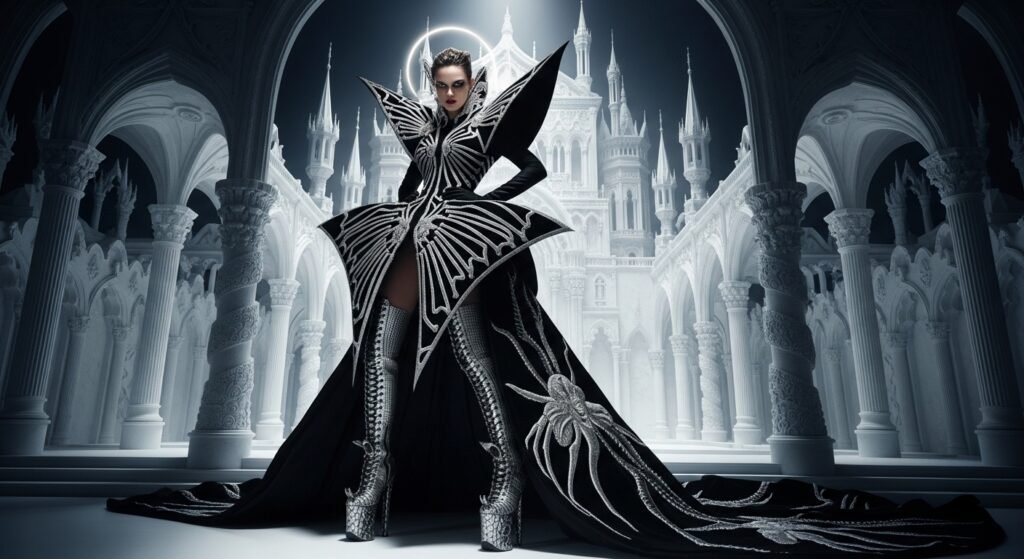
Her partnership with the late Alexander McQueen brought dramatic couture into mainstream pop culture, particularly through the striking visuals of the “Bad Romance” era. By wearing his towering armadillo boots and sculptural designs, she amplified the theatrical power of his work while reinforcing her own avant-garde identity.
The relationship was deeply personal. Gaga has described McQueen as a kindred spirit, an artist who understood darkness, drama, and the power of clothing to express what words cannot. His final collection, Plato’s Atlantis, provided the armadillo boots that became visual shorthand for the Bad Romance era.
Those boots, rising nearly a foot high with their curved, alien silhouette, were unwearable by any conventional standard. Gaga wore them in the Bad Romance video and on stage, turning a runway provocation into a pop culture landmark. Millions of viewers who had never heard of McQueen suddenly knew his name.
After McQueen’s death in 2010, Gaga paid tribute at the VMAs by wearing one of his gowns, a gesture that moved the fashion world. She has continued to champion his legacy, wearing archival McQueen at major events including the 2019 Academy Awards.
The collaboration showed how pop music could serve couture. Gaga gave McQueen’s vision the largest possible audience, and his designs gave her artistry its most powerful visual language.
The 2019 Met Gala Transformation
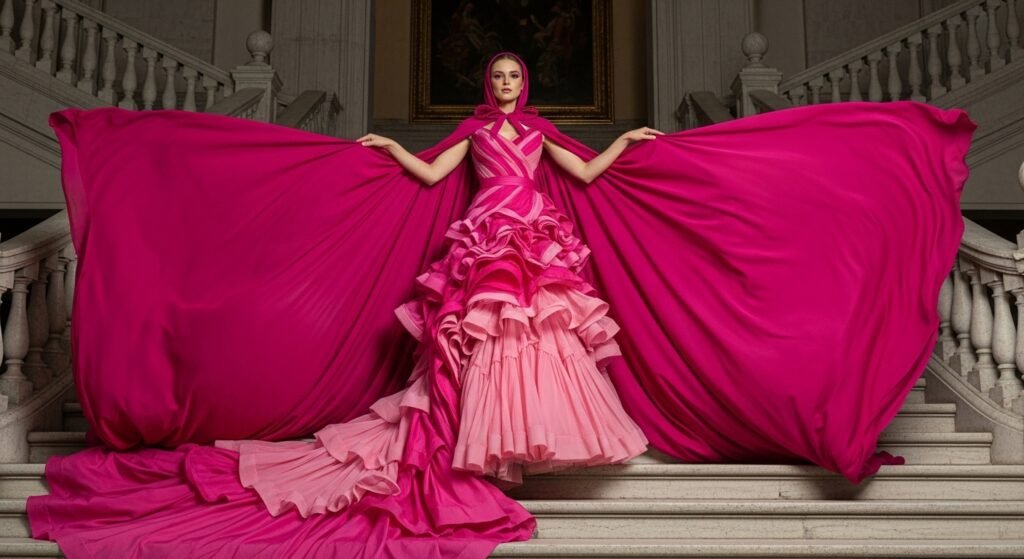
At the 2019 Met Gala, themed Camp Notes on Fashion, Lady Gaga delivered a performance in layers designed by Brandon Maxwell that unfolded step by step on the red carpet. Each reveal demonstrated her mastery of spectacle while honoring the playful exaggeration central to the exhibition’s theme at the Metropolitan Museum of Art.
She began the evening in an enormous fuchsia gown with a twenty-five-foot train, then stripped it away to reveal a black strapless dress, then a hot pink slip dress, then finally black lingerie with fishnets and platform boots. Each layer came with its own accessories, hairstyling, and attitude.
The performance took over fifteen minutes and completely stopped the red carpet. Other attendees paused to watch. Photographers abandoned their posts. By the fourth reveal, the stairs of the Metropolitan Museum had become her stage.
It was the perfect embodiment of camp: exaggerated, theatrical, self-aware, and utterly committed. Where some guests nodded to the theme with a ruffle or a feather, Gaga built an entire narrative around it.
The moment reaffirmed her status as the Met Gala’s undisputed headliner. In an era when the event had become crowded with influencers, she reminded everyone what a true fashion performance looks like.
Old Hollywood Elegance at the Academy Awards
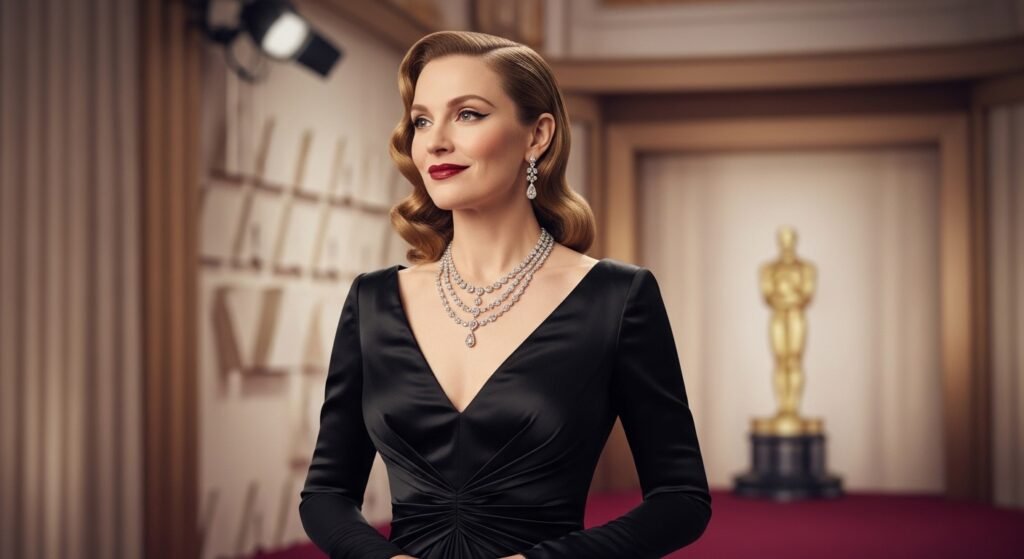
During the 2019 Academy Awards, she embraced refined glamour in an Alexander McQueen black gown paired with a historic Tiffany diamond necklace. This appearance highlighted her versatility, proving that restraint can be just as impactful as extravagance when executed with confidence.
The gown was a sculpted black McQueen creation with dramatic shoulders and a fitted waist, a silhouette that honored the designer’s legacy while letting Gaga’s own poise take center stage. It was a deliberate contrast to the camp spectacle of the Met Gala later that year.
The necklace was the real showstopper: the 128-carat Tiffany diamond, one of the most famous jewels in the world, worn publicly for the first time in decades. Audrey Hepburn had worn it in publicity photos for Breakfast at Tiffany’s. Gaga became only the third woman ever to wear it.
The look signaled a new chapter. Promoting A Star Is Born, Gaga was presenting herself as a serious actress and vocalist, and the styling matched. Old Hollywood glamour suited the film’s themes and her own evolution.
It proved that her fashion power did not depend on shock. A perfectly cut gown and a legendary diamond, worn with total conviction, could break the internet just as thoroughly as a meat dress.
Chromatica and Futuristic Expression
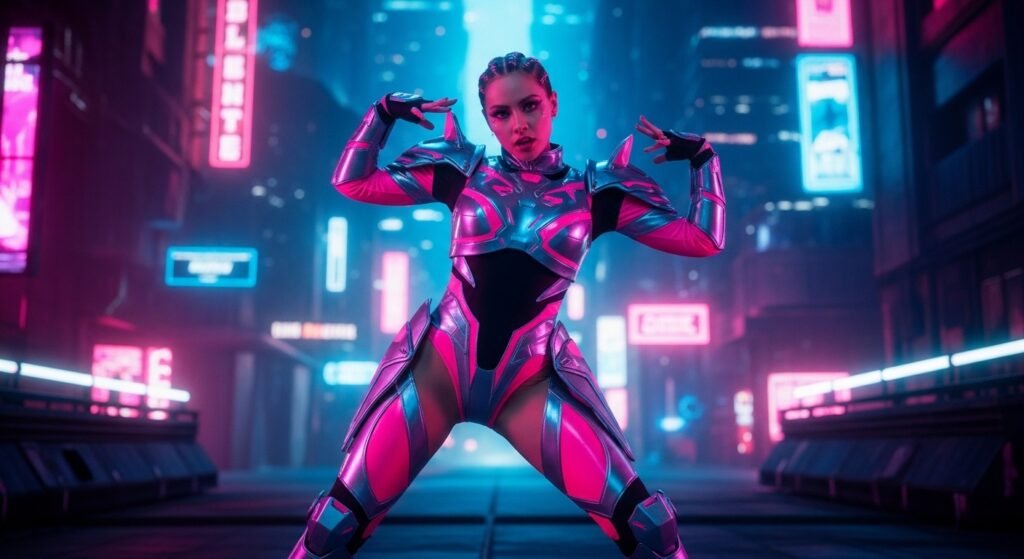
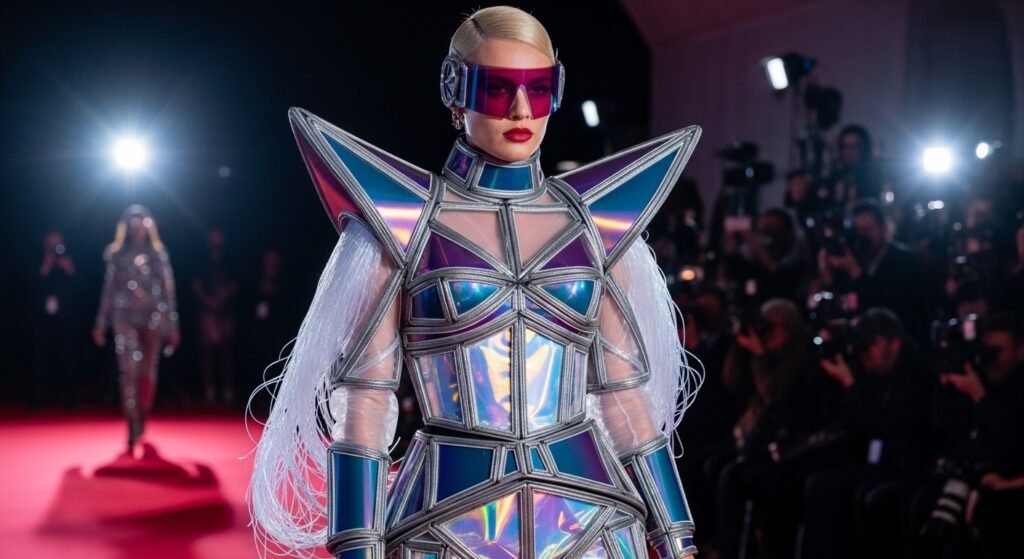
The Chromatica era introduced metallic textures, sharp lines, and vibrant color palettes that echoed the album’s dance-driven energy. Through custom pieces and high concept styling, she crafted a visual world that extended her music into a fully immersive aesthetic experience.
Chromatica was conceived as a journey to a dystopian dance planet, and the fashion followed. Chrome bodysuits, geometric shoulder pieces, and cyberpunk accessories created a cohesive science-fiction universe across videos, performances, and the stadium tour.
The Rain on Me video with Ariana Grande became a styling landmark, with both artists in futuristic warrior looks that blended high fashion with rave culture. The VMAs performance that year featured a series of masks, years before masks became everyday wear, which gave the looks an eerie prescience.
What distinguished the Chromatica styling was its total commitment to world-building. Every appearance reinforced the same visual language, making the era instantly recognizable from a single image.
It showed that Gaga’s avant-garde instincts had matured into something more systematic: not just shocking outfits, but entire designed universes.
A Star Is Born and Modern Classic Style
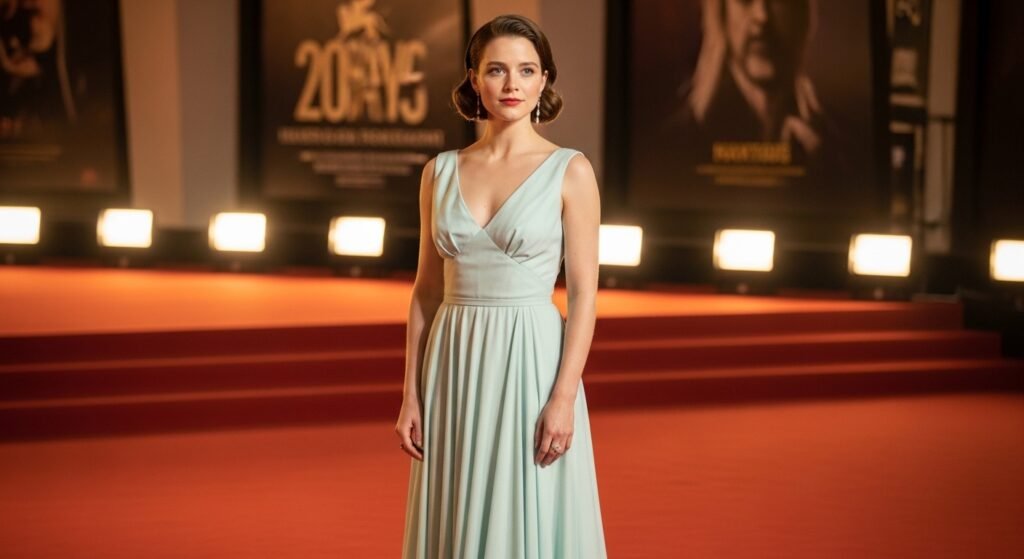
While promoting A Star Is Born, Lady Gaga leaned into polished silhouettes that reflected the film’s emotional depth and classic Hollywood inspiration. Her wardrobe choices during this period signaled artistic maturity while maintaining the bold spirit that defines her career.
The transformation was striking. The artist who once arrived at events in an egg vessel now appeared in sleek Valentino gowns, tailored suits, and understated jewelry. The press tour became a masterclass in elegant restraint.
This was not an abandonment of her identity but an expansion of it. Gaga has always treated style as character work, and the character of Ally required softness and authenticity. The fashion told the story of the film before she said a word.
The Venice Film Festival premiere look, a feathered Valentino gown, and the various awards-season appearances built a coherent portrait of a movie star. By the time she won the Oscar for Shallow, the fashion narrative felt complete.
The era proved her range. She could dominate a red carpet through quiet confidence just as powerfully as through spectacle, a versatility few pop stars ever achieve.
Advocating for Designers and Creative Freedom
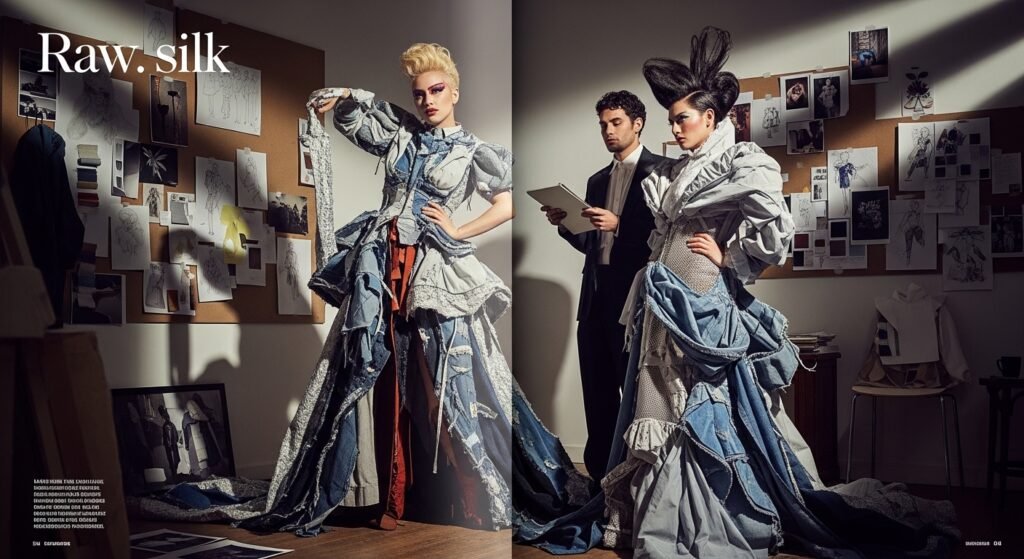
Lady Gaga frequently spotlights both established couture houses and emerging designers, using her platform to elevate creative voices. By treating every appearance as a collaborative canvas, she reinforces the idea that fashion thrives when artists are free to experiment without limitation.
Her designer relationships read like a map of fashion’s avant-garde: McQueen, Brandon Maxwell, Schiaparelli, Valentino under Pierpaolo Piccioli, and younger talents she has pulled into the spotlight. When Gaga wears an emerging designer, their career can change overnight.
She has also used fashion as activism. The meat dress carried a political message. Her Born This Way era styling celebrated queer culture. The pink Brandon Maxwell gown at the 2019 Met Gala nodded to camp’s LGBTQ roots. For Gaga, the runway and the rally are never far apart.
Designers describe working with her as a true collaboration rather than a fitting. She arrives with references, ideas, and a clear vision of what the clothes need to say. That creative seriousness is why the industry’s most respected names keep saying yes.
In an era of stylist-driven uniformity, her hands-on approach stands out. She is not a mannequin for borrowed clothes. She is a co-author of every look.
Why Her Looks Continue to Break the Internet
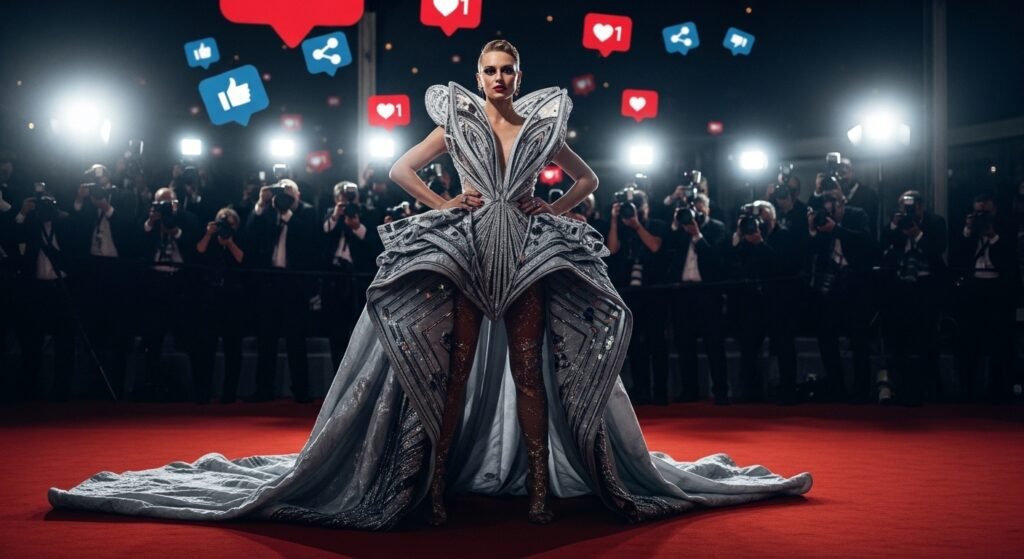
Each headline-making outfit succeeds because it tells a story that extends beyond fabric and form, inviting discussion across social media and traditional press alike. In redefining red carpet expectations time and again, Lady Gaga proves that avant-garde fashion can challenge norms while captivating a global audience.
The internet rewards the unmistakable. Gaga’s looks are impossible to confuse with anyone else’s, which makes them perfect for the feed. A single image carries the whole story, no caption required. That visual clarity is a big reason her moments travel so far.
Timing matters too. She tends to unveil her biggest looks at events the whole world is already watching: the VMAs, the Met Gala, the Oscars, the Super Bowl. The audience is pre-assembled, and the outfit becomes the headline of a night that already has one.
But the deepest reason is meaning. People share what moves them, and Gaga’s best looks move people because they stand for something: creative freedom, queer joy, artistic ambition, or pure defiant fun. An outfit with a point of view will always outperform an outfit that is merely expensive.
As long as she keeps treating fashion as art rather than decoration, the internet will keep breaking. Few artists understand the assignment this well.
The Lasting Legacy of a Style Icon
Lady Gaga’s fashion legacy is already secure. She expanded what a pop star is allowed to wear, proved that red carpets could be performance art, and gave avant-garde designers the biggest stage on earth. A generation of artists now treats style as seriously as sound, and that shift traces directly back to her.
What comes next is anyone’s guess, which is exactly how she likes it. If history is any guide, the next era will bring another visual world, another set of collaborators, and another round of moments the internet cannot stop talking about.
From meat dresses to Tiffany diamonds, from armadillo boots to old Hollywood gowns, the through line is conviction. Lady Gaga wears every look like she means it, because she does. That is why the world keeps watching.