
 Sarah Grey
Chasing that elusive glass skin glow can feel like pursuing a mirage. We scroll past luminous, poreless faces on our feeds and wonder whether it is all clever lighting or some secret ritual we have not been invited to. The term itself — skin so smooth, clear, and hydrated it looks like a pane of glass — sets an intimidating standard. But here is the truth the filters do not tell you: glass skin is not about perfection, and it is not reserved for the genetically blessed. It is about building a balanced, patient routine that keeps your skin deeply hydrated, smooth, and healthy. This is not a ten-step marathon you need to fear. It is a thoughtful rhythm, and once you understand what actually works, that glow is far more achievable than it looks.
The Foundation Of Double Cleansing

Every glass skin routine begins with a truly clean canvas, and that means double cleansing at night. Start with an oil-based cleanser to dissolve sunscreen, makeup, and the day’s buildup, then follow with a gentle water-based cleanser to wash everything away without stripping your skin’s natural oils. This two-step method, borrowed from Korean skincare, ensures that none of the hydrating layers you apply afterward are blocked by residue. It sounds like extra work, but it takes barely two minutes and it transforms how well the rest of your routine performs. Think of it as clearing the stage before the main act — without this foundation, even the most expensive serums cannot do their best work.
Finding Harmony With Hydrating Toners

Forget the harsh, astringent toners of decades past. Modern hydrating toners are all about flooding the skin with moisture, and they are the secret engine of the glass skin look. After cleansing, while your skin is still slightly damp, pat one or two layers of a hydrating toner into your face with your palms. Ingredients like hyaluronic acid, glycerin, and fermented extracts draw water into the skin and create that first layer of dewy plumpness. Some enthusiasts layer toner three or even seven times — the famous seven-skin method — but even a single generous layer makes a visible difference. This step is where the glassy, light-reflecting quality begins to build, one watery layer at a time.
The Mystery Of Snail Mucin

Yes, it is exactly what it sounds like — and yes, it genuinely works. Snail mucin, the filtrate of snail secretion, has become a glass skin staple because it is a hydration powerhouse that also soothes irritation and supports skin repair. Its slightly viscous texture layers beautifully, giving skin a bouncy, plump quality that is hard to achieve with watery products alone. Rich in glycoproteins and hyaluronic acid, it helps skin hold onto moisture for hours. If the idea makes you squeamish, start with a small amount patted over your toner and notice how your skin drinks it up. Many skeptics become converts within a week. In the world of glass skin, snail mucin is the unlikely hero ingredient that earned its cult following honestly.
Exfoliation Is A Delicate Balance

Smoothness is non-negotiable for glass skin, because light cannot reflect evenly off a rough surface. Gentle chemical exfoliation — with AHAs like glycolic or lactic acid, or BHAs like salicylic acid — dissolves the dead cells that dull your complexion and reveals the fresher skin beneath. But restraint is everything. Two or three times a week is plenty; over-exfoliating destroys the moisture barrier you are working so hard to build and leaves skin red, sensitive, and anything but glassy. Start slowly, watch how your skin responds, and always exfoliate at night followed by deep hydration. Used wisely, exfoliation is the polish that lets your glow shine through. Used recklessly, it is the fastest way to undo all your progress.
Serums Targeted For Brightness

Glass skin is not just hydrated — it is luminous, and that luminosity comes from brightness serums. Vitamin C is the gold standard: a potent antioxidant that fades dark spots, evens tone, and boosts radiance while protecting against environmental damage. Niacinamide is its perfect partner, refining pores, calming redness, and strengthening the skin barrier. You can use vitamin C in the morning under sunscreen and niacinamide at night, or find a formula that combines brighteners in one bottle. Consistency matters more than concentration; a gentle serum used daily will outperform a strong one used sporadically. Within a few weeks, you will notice your skin looks lit from within rather than just moisturized on the surface.
The Importance Of Sheet Masks
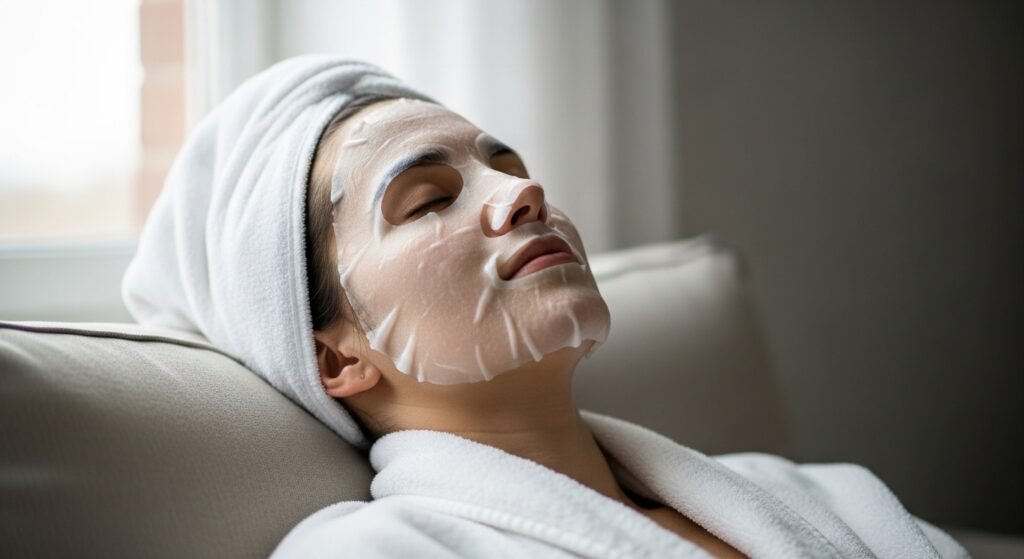
Fifteen minutes with a serum-soaked sheet mask is the glass skin routine’s most indulgent step, and it delivers an instant surge of hydration that leaves skin plump and dewy. The mask creates a barrier that pushes the concentrated essence deep into the skin instead of letting it evaporate. Use them two or three times a week, or before any event where you want your skin to look its absolute best. Look for masks rich in hyaluronic acid, ceramides, or centella asiatica. And here is a pro tip: do not rinse afterward. Pat the remaining essence into your skin and seal it with moisturizer. That leftover serum is liquid gold — wasting it would be a skincare crime.
Sealing Everything With A Moisturizer

All those beautiful hydrating layers are useless if they evaporate into the air. A good moisturizer acts as a seal, locking in every drop of moisture you have carefully layered underneath. The right texture depends on your skin type: gel creams for oily skin, rich creams for dry skin, and balanced lotions for everything in between. Ingredients like ceramides and squalane are especially valuable because they reinforce the skin barrier itself, helping your skin hold hydration on its own over time. Apply moisturizer while your skin is still slightly damp from previous steps to trap maximum water. This is the step that turns a nice routine into a glass skin routine — the difference between hydrated for an hour and hydrated all day.
Sunscreen Is The Nonnegotiable Step

Of every step in this routine, sunscreen is the most important — and the most skipped. UV damage is the primary cause of dullness, dark spots, and premature aging, and no amount of serum can outpace unprotected sun exposure. The good news is that modern sunscreens have evolved far beyond the greasy, white-cast formulas of the past. Many Korean and Japanese sunscreens feel like lightweight moisturizers and leave a radiant, dewy finish that actually enhances the glass skin look. Apply a generous amount every morning as the final step, rain or shine, and reapply if you are outdoors. Protecting your glow is just as important as creating it. Without sunscreen, you are building a beautiful house on a crumbling foundation.
Face Oils For A Finishing Touch

For drier skin types, or for anyone chasing that extra-lit-from-within gleam, a drop or two of facial oil pressed over moisturizer is the perfect finishing touch. Oils like squalane, jojoba, and rosehip add a light-reflecting layer that mimics the very essence of glass skin. The key is quantity — you want a whisper, not a slick. Warm a single drop between your palms and press it gently into the high points of your face where light naturally hits: cheekbones, brow bones, the bridge of the nose. Used this way, face oil does not feel greasy; it feels like your skin, only better. It is the final polish on an already glowing canvas, and on dry winter days it can be the difference between dewy and dull.
Consistency Over Intense Treatments

Here is the unglamorous truth behind every glowing complexion: consistency beats intensity every time. A simple routine performed faithfully every morning and night will outperform an elaborate ten-step ritual done once in a while, and it will certainly outperform expensive treatments that are not supported by daily care. Skin is a living organ that responds to rhythm. It thrives on predictable, gentle nourishment and rebels against erratic, aggressive interventions. You do not need to do all thirteen steps every day — but you do need to cleanse, hydrate, moisturize, and protect with sunscreen daily. The glass skin glow is not a destination you arrive at; it is a state you maintain. Show up for your skin every day, and it will show up for you.
Hydration Starts From Within

Products do the heavy lifting, but they work best on a body that is hydrated from the inside. Drinking enough water, eating water-rich foods like cucumber and watermelon, and maintaining a balanced diet all support the skin’s ability to stay plump and resilient. Sleep matters enormously too — skin repairs itself overnight, and chronic sleep deprivation shows up as dullness no serum can fully disguise. Think of topical skincare and internal health as partners: the creams supply what the skin cannot make, while water, nutrition, and rest give your skin the raw materials to glow on its own. The most radiant complexions are built on both. No routine, however perfect, can replace the fundamentals of caring for your whole self.
Managing Expectations In A Filtered World

A gentle reality check: real skin has pores, fine lines, and texture, and no routine will make you look like a filtered photo. The glass skin images that inspire us are often shot in perfect lighting, professionally edited, or both. That does not make the goal worthless — it makes it important to define the goal correctly. Aim for healthy, hydrated, and radiant, not poreless and plastic. When you chase health instead of an impossible standard, the journey stays joyful and the results stay sustainable. Your skin does not need to look like glass under a microscope. It needs to look like the best, most cared-for version of itself in real life, in real light. That is a goal worth pursuing, and it is entirely within reach.
Listening To What Your Skin Needs

Your skin is not the same every day, so your routine should not be either. Some mornings your skin feels dry and thirsty; other days it is sensitive or congested. The wisest approach is to stay flexible: add an extra layer of toner on dry days, skip the exfoliant when your barrier feels fragile, reach for calming ingredients when redness appears. Learning to read your skin’s signals is a skill that develops with attention, and it is more valuable than any single product. The people with the best skin are not the ones with the most products — they are the ones who pay attention. Treat your routine as a conversation with your skin, not a script, and the glow will follow naturally.
The truth about glass skin is refreshingly simple: it is hydration, protection, and patience, repeated daily. There is no miracle product and no shortcut, but there is also no mystery. Cleanse well, layer water-based hydration, brighten gently, seal in moisture, and never skip sunscreen. Do that consistently, listen to your skin along the way, and the luminous, healthy glow you have been chasing will stop feeling like a mirage. It will just feel like your skin, on its very best day, every day.