 Sarah Grey
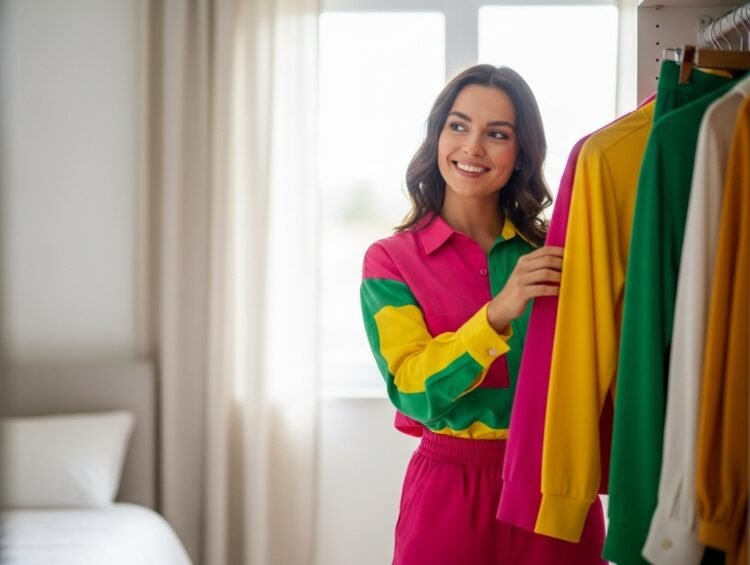
We have all experienced such mornings when we look blankly into our wardrobe of clothes and cannot decide what to wear, reaching automatically for the same safe neutrals. But what if getting dressed could actually make you happier? That is the promise of dopamine dressing, the joyful fashion movement that encourages wearing bold colors, playful prints, and mood-lifting pieces as a deliberate strategy for emotional well-being. The term was coined by fashion psychologist Dr. Dawnn Karen, author of Dress Your Best Life, who has spent years studying how clothing affects our mood and behavior. What started as a therapeutic concept gained massive momentum during the pandemic, when people emerging from lockdowns craved color and self-expression after months of sweatpants. Today, dopamine dressing has evolved from a viral trend into a lasting philosophy about the relationship between what we wear and how we feel.
The Psychology Of Personal Joy
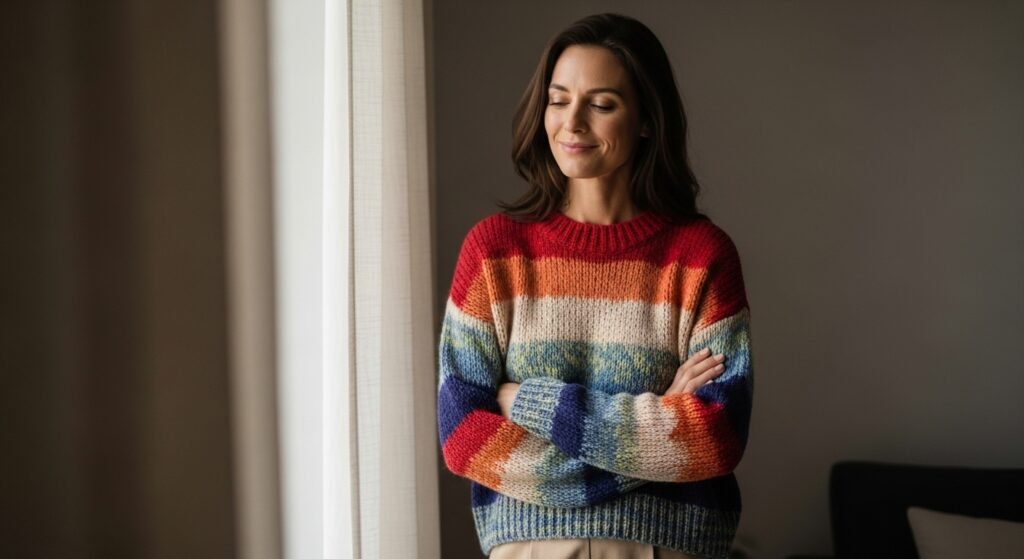
According to this trend, our clothing can be used as a psychological stimulus to happiness. The science behind it draws on two well-established concepts: color psychology, which studies how hues affect mood, and enclothed cognition, a term coined by researchers at Northwestern University to describe how clothes influence the wearer’s mental processes. Studies have shown that wearing bright colors can increase feelings of confidence and positivity, while the act of choosing an outfit with intention can itself be mood-boosting. Dr. Karen’s work emphasizes that dopamine dressing is deeply personal: the colors and styles that lift your mood may differ from someone else’s. The key is mindfulness about the emotional impact of your wardrobe choices, turning the daily routine of getting dressed into an act of self-care.
Color Theory And Emotional Shifts
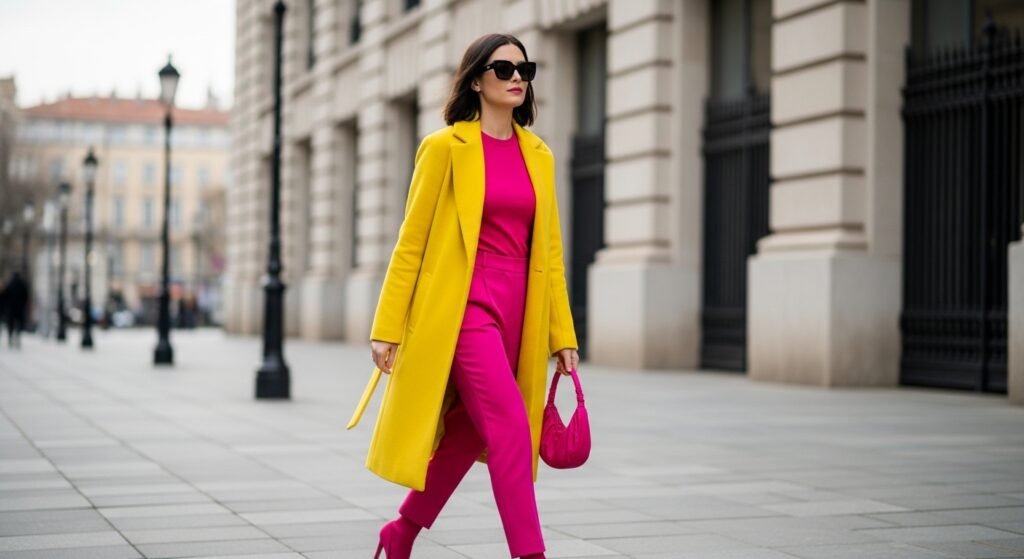
Bright yellows and bold pinks are likely to be taken as energy and warmth. Color theorists have long associated specific hues with emotional responses: yellow with optimism and creativity, pink with affection and playfulness, orange with enthusiasm, green with balance and renewal. Most individuals discover through experimentation which colors reliably shift their mood. Some find that a red blazer makes them feel powerful before a big meeting, while others reach for calming blues on stressful days. The dopamine dressing approach encourages building a personal color vocabulary rather than following rigid rules. It also acknowledges that cultural and individual associations matter: a color that feels joyful to one person may carry different connotations for another. The goal is not to wear every color at once, but to understand your own emotional palette.
Nostalgia In The Modern Closet
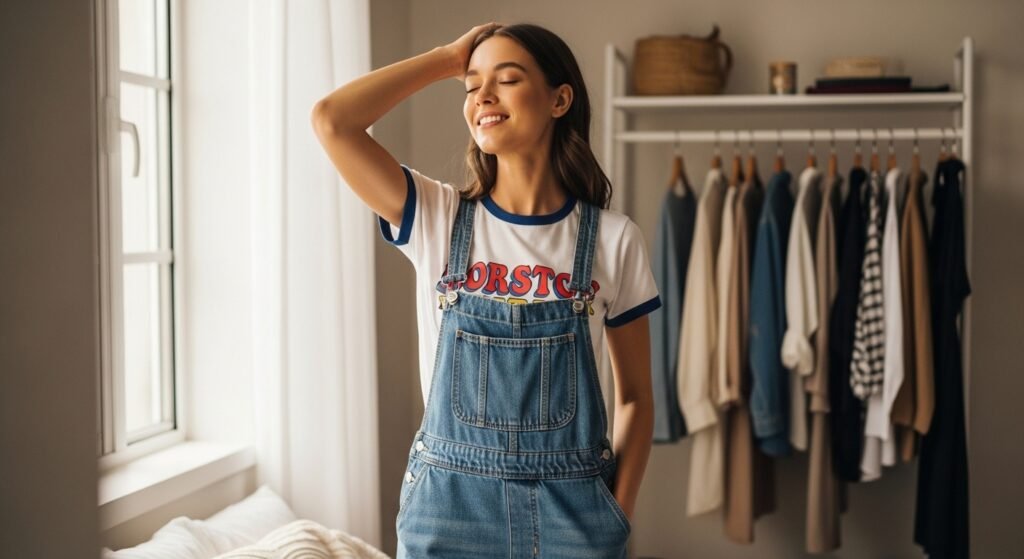
Other times, the best clothes are those that make us remember simpler times. Nostalgia is a powerful mood-enhancer, and dopamine dressing often incorporates pieces that evoke happy memories: a sweater reminiscent of childhood, a print that recalls a beloved era, accessories that feel like treasures. The use of retro patterns, vintage silhouettes, and playful motifs taps into the comforting psychology of familiarity. During uncertain times, nostalgic dressing provides a sense of continuity and safety. Fashion brands have responded with collections full of Y2K references, seventies florals, and other throwback elements. But the most meaningful nostalgic pieces are often those already in your closet, carrying personal history that no new purchase can replicate.
Texture As A Sensory Experience
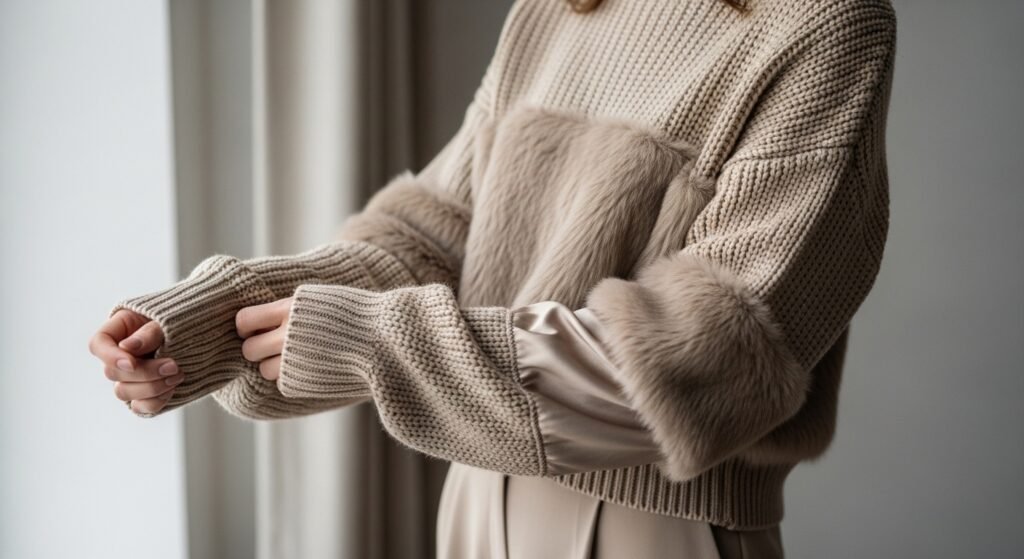
The feel on the skin is as important as the appearance of a fabric. Dopamine dressing engages all the senses, not just sight. Plush velvets, pillowy knits, smooth silks, and cozy shearling each create distinct tactile pleasures that contribute to the overall mood effect. Sensory research shows that soft textures can reduce stress and promote feelings of comfort, which is why so many dopamine dressers gravitate toward touchable fabrics. A fuzzy sweater on a difficult day functions like a wearable hug. Sequins and satins add visual texture that catches light and draws the eye, creating moments of delight throughout the day. By considering how clothes feel as well as how they look, dopamine dressing becomes a full-body experience of joy.
Breaking The Rules Of Neutrals
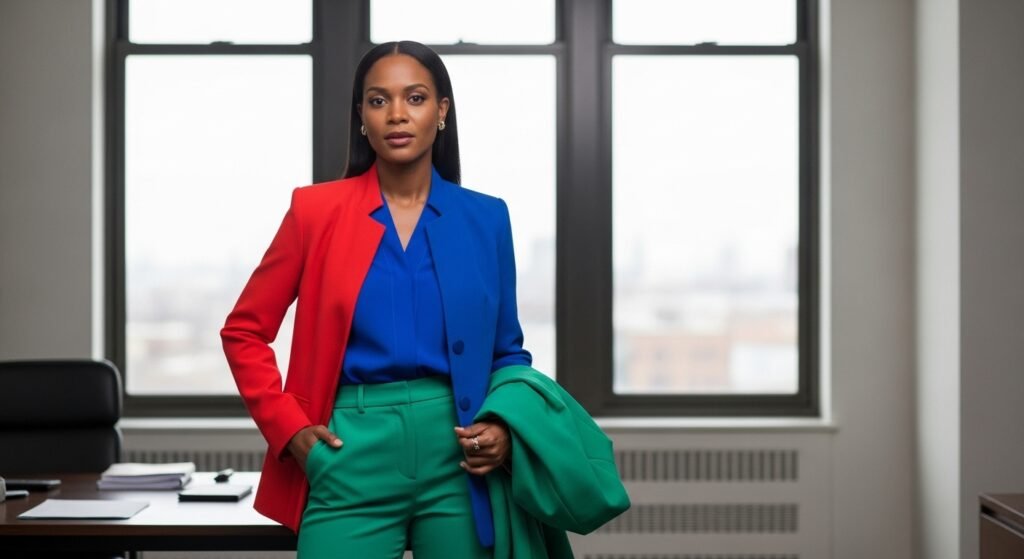
We were told over the years that to appear sophisticated, one should stick to neutrals. Dopamine dressing respectfully disagrees. While black, beige, and gray have their place, the movement challenges the idea that seriousness requires drabness. History’s most memorable style icons, from Iris Apfel to Harry Styles, have proven that color and sophistication are not mutually exclusive. Breaking the neutral rule does not mean abandoning all restraint; it means giving yourself permission to choose joy over convention. Many adherents start small, adding a colorful shoe or bag to an otherwise neutral outfit, then gradually expand their comfort zone. The liberation of wearing what genuinely delights you, rather than what fashion rules dictate, is itself a powerful mood-booster.
The Power Of A Signature Accessory
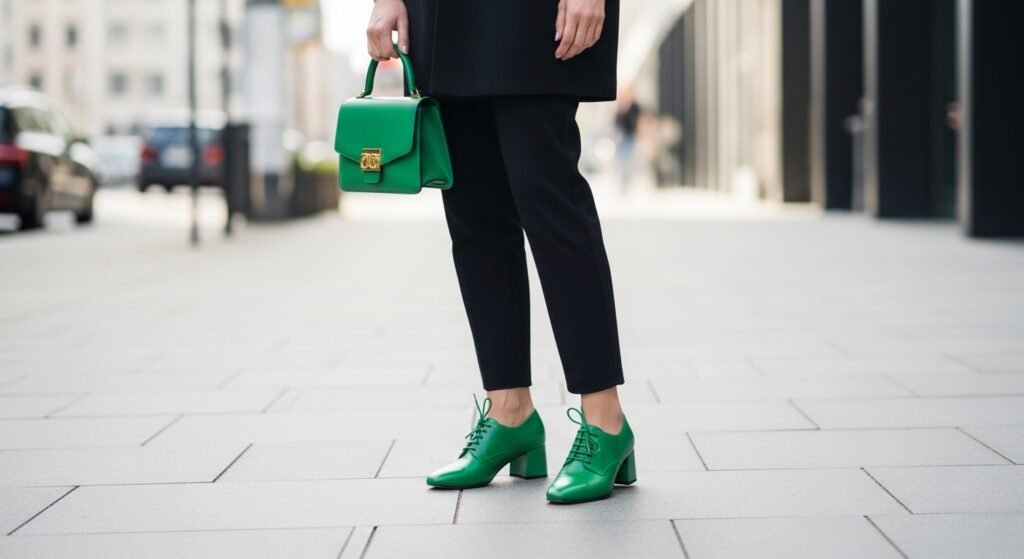
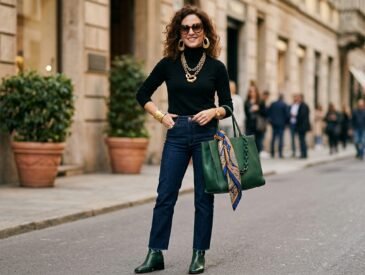
You do not need to dress in head-to-toe neon to be part of this movement. A single signature accessory in an unexpected color can transform an entire outfit and your mindset. Bright green shoes, a cherry-red handbag, oversized sunny earrings: these focal points draw the eye and spark conversation. Accessories are also the most accessible entry point, requiring less commitment and budget than a wardrobe overhaul. Psychologically, a beloved accessory becomes a talisman, a reliable source of delight you can reach for on demanding days. Many dopamine dressers report that their signature piece becomes part of their identity, recognized and complimented by others, creating positive social feedback loops that reinforce the mood benefits.
Dressing For Your Inner Child
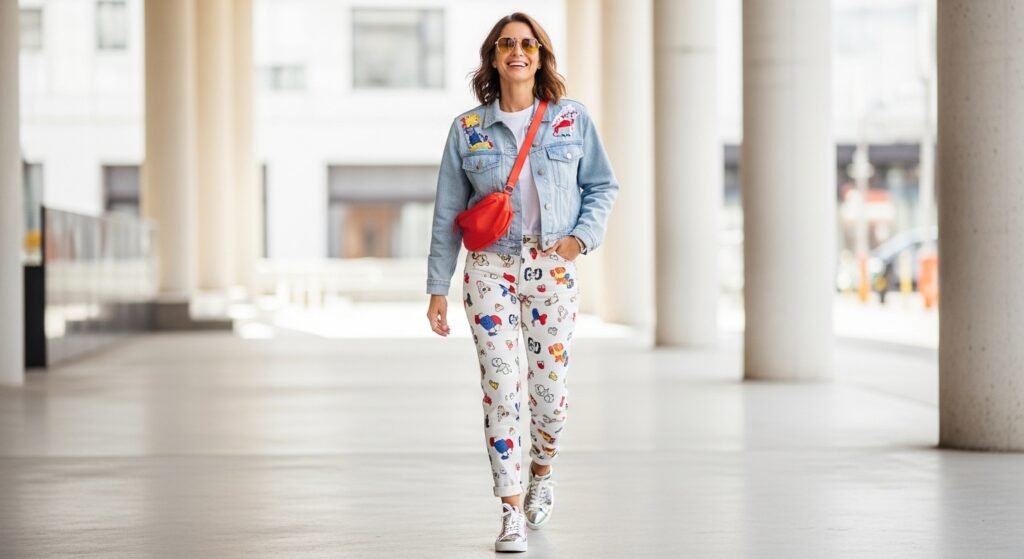
It feels liberating to wear clothes that are enjoyable instead of merely practical. Dopamine dressing gives adults permission to reclaim the uninhibited joy children feel when choosing what to wear. Whether it is a whimsical print, a twirl-worthy skirt, light-up sneakers, or a color combination that breaks every rule, dressing for your inner child reconnects you with playfulness. This is not about looking childish; it is about honoring the part of yourself that finds delight in self-expression. Therapists note that play is essential for adult well-being, yet modern life offers few opportunities for it. Your wardrobe can be a daily playground. The simple act of choosing fun over boring is a small rebellion against the grind, and its cumulative effect on happiness should not be underestimated.
Confidence Through Creative Expression
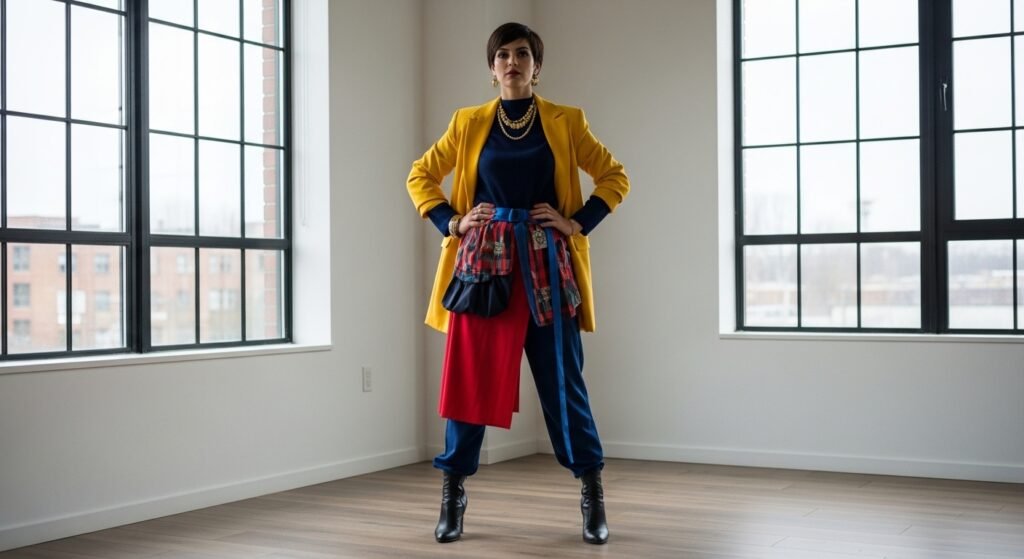
When you are wearing what actually feels like you, your posture improves, your smile comes easier, and your confidence becomes visible. This is enclothed cognition in action: the symbolic meaning of our clothes shapes our self-perception and behavior. Research has shown that people perform better on attention tasks when wearing clothes they associate with competence, and the same principle applies to joy. Choosing an outfit that expresses your authentic self sends a powerful signal to your own brain about your worth and agency. This confidence radiates outward, affecting how others perceive and respond to you. Dopamine dressing thus creates an upward spiral: feeling good leads to looking vibrant, which leads to positive interactions, which reinforces feeling good.
Sustainability Meets Personal Style
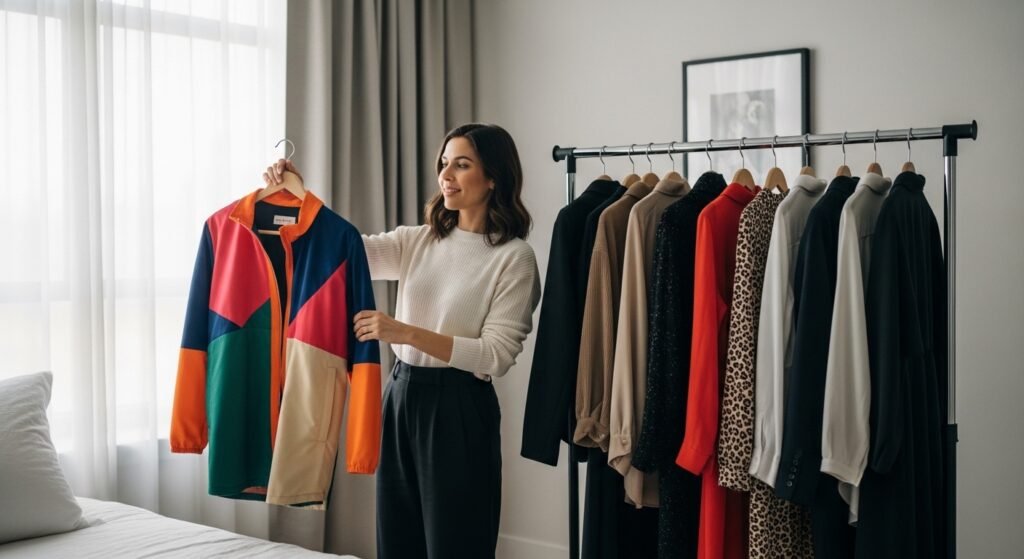
Dopamine dressing encourages us to revisit our own collections and discover new life in old favorites. Rather than constantly buying new, the philosophy emphasizes creative restyling: that forgotten bright scarf, the bold dress saved for special occasions, the vintage find with personality. We develop a more intimate relationship with our wardrobes when we shop our closets first. This approach aligns beautifully with sustainability, as the most eco-friendly garment is the one already owned. Thrifting and vintage shopping also suit the dopamine dressing ethos perfectly, offering unique colorful pieces with history and character. By finding joy in what we already have, we resist the cycle of disposable fashion and build a wardrobe with genuine personal meaning.
Seasonal Affective Style Solutions
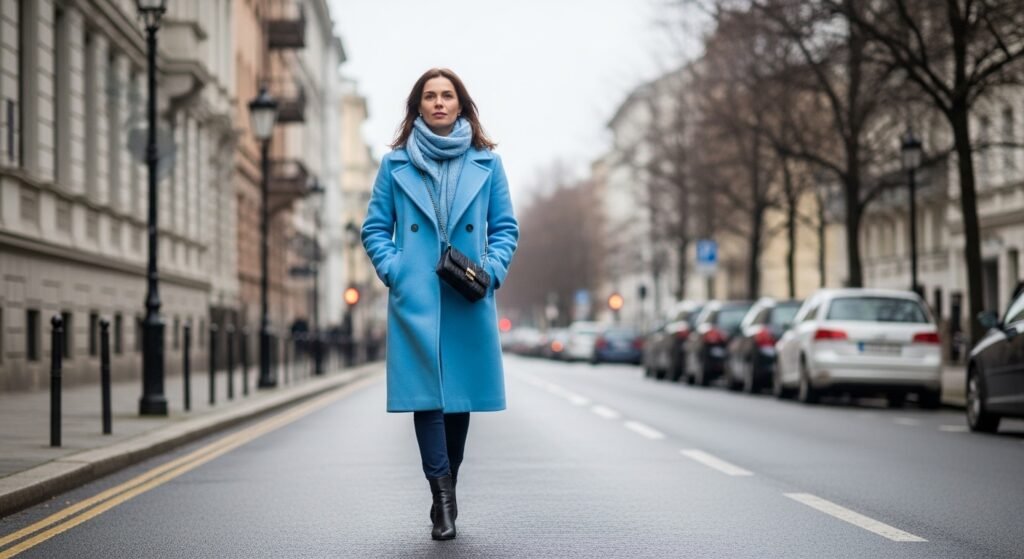
Fashion is one of the tools that can be used to fight the gloom during the grey winter months. Seasonal affective patterns affect millions, and while clothing is no substitute for professional treatment, bright dressing can be a helpful complementary strategy. Reaching for sunny colors when the sky is gray is a form of light therapy for the wardrobe, a conscious counter to the darkness. Many dopamine dressers report that their winter style becomes bolder than their summer style precisely because they need the lift more. Cozy textures in vivid hues offer double benefits: physical warmth and visual cheer. Planning a colorful winter wardrobe before the season begins ensures you have mood-supporting options ready when motivation dips.
The Influence Of Social Media Communities
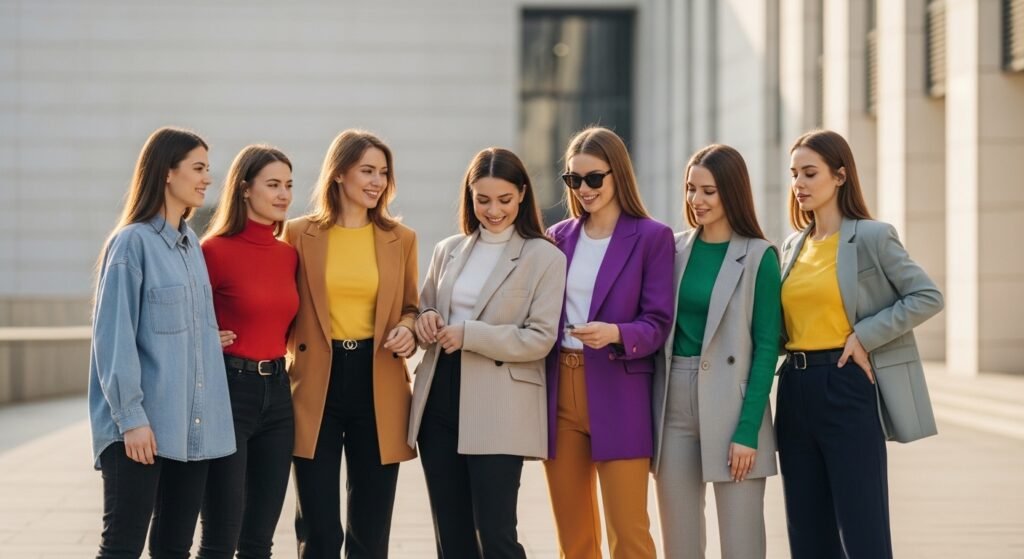
The trend has become more accessible because people can see others adopting it and sharing their joy online. Social media communities dedicated to colorful dressing offer daily inspiration, styling tips, and encouragement for those nervous about standing out. Hashtags celebrating bright outfits have amassed billions of views, creating a visible counter-narrative to minimalist fashion norms. These communities are notably inclusive, welcoming all ages, sizes, genders, and budgets, which reinforces the core message that joy in dressing belongs to everyone. Seeing real people radiate happiness in bold colors gives others permission to experiment. In this way, dopamine dressing has grown from a personal practice into a collective movement, proving that what we wear can connect us as well as uplift us. The happiest trend in fashion may also be its most democratic.