 Sarah Grey
Vacation dreams were shattered when American Queen Voyages announced an abrupt closure. The beloved river cruise company, operating since 2012, ceased all operations in early 2024.
Travelers with milestone trips and family reunions planned were left scrambling. The news shocked those looking forward to Mississippi River journeys and Pacific coastal sailings.
The sudden shutdown sent ripples through the cruise industry. Customers demanded refunds, canceled travel plans, and sought answers about what happened behind the scenes.
This article explains the closure, its impact, and what affected travelers can do next.
Understanding this story helps every traveler book more wisely. Financial stability matters when choosing a cruise line.
The lessons here apply beyond cruising. Any prepaid travel deserves careful vetting.
Company Background
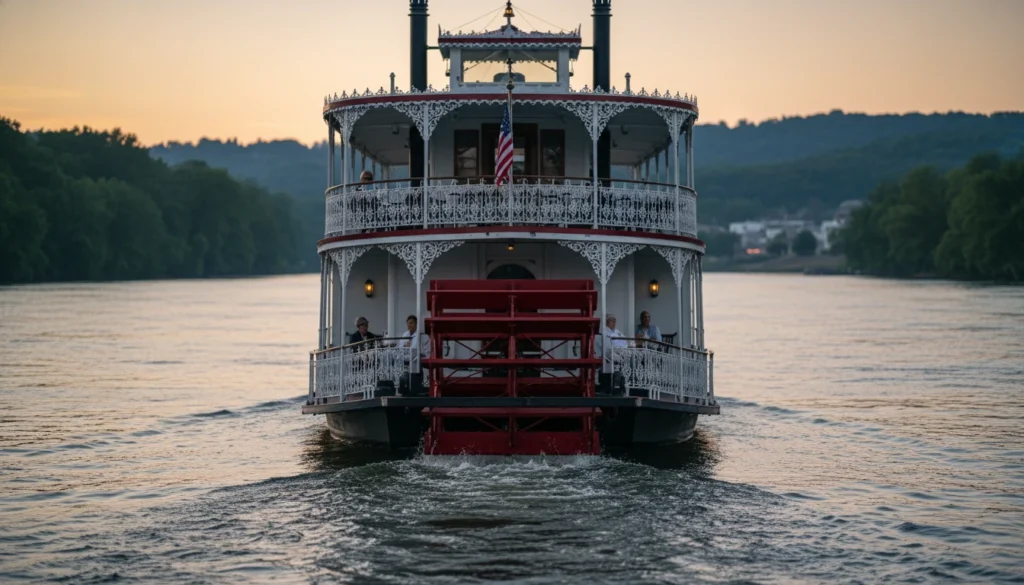
American Queen Voyages built its reputation on luxurious river cruises aboard authentic paddlewheel boats. The brand offered leisurely journeys along America’s historic waterways.
Guests enjoyed regional cuisine, live entertainment, and guided shore excursions. The experience celebrated American heritage and river culture.
The company operated several vessels, including the American Queen, the largest river steamboat ever built. Its Victorian decor evoked a bygone era.
Itineraries covered the Mississippi, Ohio, Tennessee, and Columbia rivers. Coastal voyages explored New England and the Pacific Northwest.
The line attracted travelers seeking intimate, all-American cruising. Smaller ships meant personalized service and unique ports.
Repeat guests prized the nostalgic atmosphere. Many sailed year after year, forming friendships with crew and fellow passengers.
The company positioned itself as a premium domestic alternative. No passports were needed for most itineraries.
For over a decade, American Queen Voyages defined American river cruising. Its closure marked the end of an era.
The paddlewheelers themselves were engineering marvels. The American Queen measured 418 feet long.
Sudden Announcement

The shutdown notice came with little warning. All future sailings were canceled effective immediately.
Customers received brief messages stating the company had ceased operations. Many were left wondering about refunds for deposits and paid-in-full bookings.
The announcement arrived in February 2024, just as the cruise season was ramping up. Timing could not have been worse for booked travelers.
Travel advisors learned the news alongside their clients. The lack of advance notice complicated rebooking efforts.
Social media filled with shocked reactions. Loyal guests expressed disbelief and sadness.
The company’s website went dark shortly after. Phone lines stopped being answered.
Industry observers noted the abruptness was unusual. Even struggling lines typically wind down gradually.
The sudden announcement left thousands in limbo. Clarity was in short supply.
Emails to customer service went unanswered. The silence frustrated travelers further.
Financial Challenges
Industry analysts pointed to mounting financial pressure. Small cruise operators faced rising fuel costs and lingering pandemic-era debt.
The smaller river vessels carried fewer passengers than ocean liners. Achieving profitability was harder without massive economies of scale.
Post-pandemic restart costs were enormous. Crewing, maintenance, and marketing expenses piled up before revenue recovered.
River cruising requires specialized vessels and infrastructure. Those fixed costs don’t flex with demand.
Competition from European river lines intensified. American travelers had more choices than ever.
The company’s parent faced its own financial strains. Support for the cruise division eventually dried up.
High interest rates made refinancing debt expensive. The math simply stopped working.
Financial challenges doomed the beloved line. The numbers told a harsh story.
Fuel alone consumed a growing share of revenue. Margins shrank with every price spike.
Impact on Booked Travelers
Thousands of passengers held reservations for future months. Many had booked flights and hotels in departure ports.
Travel insurance questions surged as families tried to recover nonrefundable costs tied to canceled cruises.
Milestone celebrations were ruined. Anniversaries, birthdays, and reunions planned around sailings had to be scrapped.
Some travelers had paid in full months ahead. Those large sums were suddenly at risk.
Group bookings compounded the problem. Wedding parties and club outings faced collective losses.
Airline tickets were often nonrefundable too. The cascade of costs frustrated travelers further.
Elderly passengers, a core demographic, found rebooking especially stressful. Planning had taken months.
The impact on booked travelers was severe. Dreams were dashed overnight.
Some lost five-figure sums on luxury suites. The financial pain was real.
Refund Uncertainty

Many customers received no clear refund plan or timeline. With reimbursements stalled, credit card disputes became necessary.
Passengers were advised to keep records of payments and official cancellation notices to support their claims.
Chargebacks offered the best hope for recent payments. Credit card protections typically cover 60 to 120 days.
Those who paid by check or wire faced longer odds. Recovery through bankruptcy proceedings could take years.
Travel insurance helped some, but policies varied. Supplier default coverage was not universal.
State consumer protection agencies fielded complaints. Some offered guidance on recovery options.
The lack of a structured refund process angered customers. Transparency was minimal.
Refund uncertainty added insult to injury. Money worries compounded disappointment.
Document everything from the start. Screenshots, emails, and receipts all help.
Employee Layoffs
Crew members and shore staff were also affected. The shutdown caused immediate layoffs across multiple states.
Hospitality workers faced a difficult job market as they scrambled to find new positions in a competitive travel industry.
Riverboat crews possessed specialized skills. Paddlewheel operations don’t translate directly to ocean liners.
Shore-side reservation and marketing teams were cut. Years of expertise were scattered.
Some crew were mid-contract when operations stopped. Getting home from vessels was its own challenge.
The human cost extended beyond passengers. Livelihoods vanished overnight.
Former employees shared stories of dedication. Many had served the line for years.
Employee layoffs highlighted the shutdown’s full toll. People, not just plans, were disrupted.
Entertainers and lecturers lost steady gigs. The riverboat community was tight-knit.
Industry Reaction
Other cruise operators watched the situation closely. The failure highlighted the vulnerability of niche cruise lines.
Competitors moved to attract displaced guests to alternative river and coastal sailings.
Industry analysts debated the lessons. Was this an isolated case or a warning sign?
Larger brands emphasized their financial strength. Stability became a selling point.
River cruise specialists reassured booked guests. Their balance sheets, they insisted, were solid.
Trade publications covered the fallout extensively. The story dominated cruise news for weeks.
Some saw opportunity in the abandoned routes. New entrants eyed the Mississippi market.
Industry reaction mixed concern with opportunism. The market abhors a vacuum.
Viking and AmaWaterways expanded American offerings. The river cruise market continued evolving.
Customer Response

Frustrated customers voiced complaints in travel forums. Many had sailed with the line multiple times.
Repeat guests cited personal service and the intimate small-ship atmosphere as reasons they returned year after year.
Loyalty made the loss sharper. These weren’t casual customers but devoted fans.
Online communities became support networks. Strangers helped each other navigate refund processes.
Some guests organized group chargeback efforts. Collective action increased pressure.
Nostalgic tributes poured in. Photos and memories filled social media feeds.
A few held out hope for a buyer. Revival rumors circulated but never materialized.
Customer response showed deep affection. The line was truly beloved.
Facebook groups kept the community alive. Former guests still share memories today.
Travel Advisor Concerns

Travel advisors with group bookings faced administrative chaos. They worked to secure refunds while preserving client trust.
In unstable financial climates, advisors reconsidered partnerships with smaller operators.
Advisors spent hours on rebooking. Unpaid labor strained small agencies.
Client relationships were tested. Advisors had recommended the line in good faith.
Some advisors absorbed losses to protect clients. Goodwill came at a real cost.
The episode reinforced the value of booking with established agencies. Professional guidance proved crucial.
Industry groups issued guidance on vetting suppliers. Due diligence became a hot topic.
Travel advisor concerns reshaped booking practices. Caution increased across the trade.
Preferred-supplier lists were reviewed industry-wide. Financial vetting became standard.
Broader Cruise Market Trends
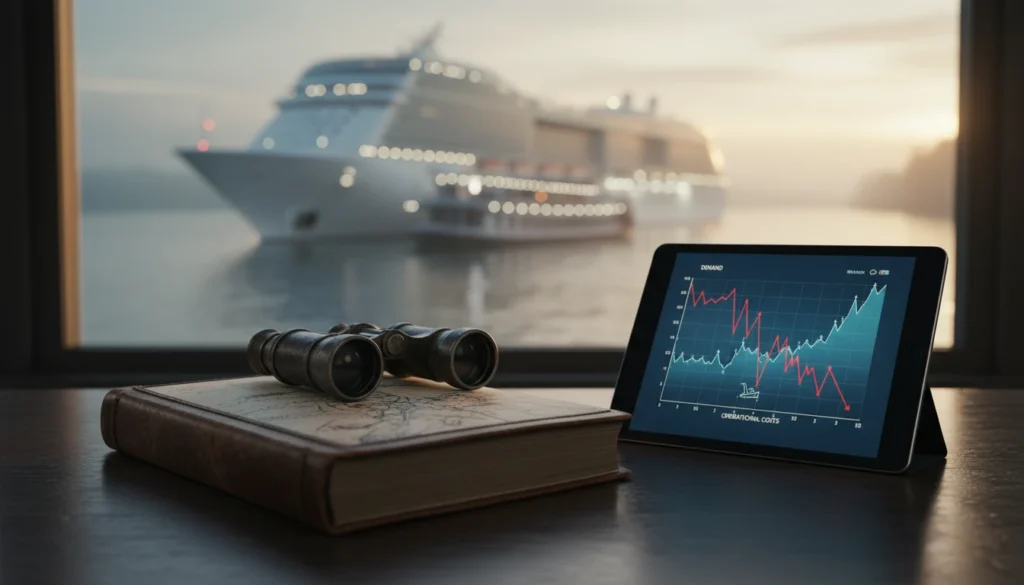
The wider cruise industry recovered strongly in demand. Yet operating costs remained high across the board.
Smaller brands without solid capital foundations proved especially vulnerable to economic shifts and changing booking patterns.
Consolidation accelerated after the pandemic. Big players grew bigger while niche lines struggled.
River cruising in Europe boomed. American rivers presented tougher economics.
New ships kept launching despite the risks. Capacity growth outpaced demand in some segments.
Private equity circled distressed operators. Some lines found saviors; others did not.
The lesson was clear: scale provides resilience. Small and independent is beautiful but fragile.
Broader cruise market trends favored giants. The little guys faced headwinds.
Record bookings masked underlying fragility. Demand alone doesn’t guarantee survival.
What Travellers Can Do Next

Affected travelers should contact credit card companies and insurance providers immediately. Time limits apply to disputes.
Track official announcements for updates. Bankruptcy filings may create claims processes.
Explore alternative cruise lines early. Similar itineraries fill quickly before peak travel periods.
Consider travel insurance with supplier-default coverage. It protects against exactly this scenario.
Book with credit cards, not debit or wire transfers. Chargeback rights are powerful protection.
Research a company’s financial health before paying in full. Public filings and news reveal warning signs.
Work with a reputable travel advisor. Their expertise is invaluable when things go wrong.
What travelers can do next is act quickly and learn. Protection beats regret every time.
Join online communities of affected travelers. Shared knowledge speeds recovery.
Lessons for Future Bookings
The American Queen Voyages story offers lasting lessons. Book with financially stable companies whenever possible.
Always protect your investment with insurance and credit card payments. These safeguards exist for moments like this.
Diversify your travel plans when booking far ahead. Flexibility reduces risk.
The love for river cruising endures. Choose your line wisely, and sail with confidence.
Read the fine print on cancellation policies. Understanding terms before paying is essential.