 Sarah Grey
We have all stood in front of the bathroom mirror, staring at our skin and wondering why it suddenly went rogue. There is a shelf full of expensive serums, a multi-step routine, and yet the breakouts keep coming. I spent years adding more products, convinced the answer was the next miracle ingredient. The real breakthrough came when I stopped adding and started subtracting. My skin did not need more. It needed me to stop sabotaging it.
Here are the ten everyday habits I quit, and how stopping each one transformed my skin. None of them require buying anything. All of them require only awareness.
1. I Stopped Taking Scalding Hot Showers

There is nothing like a steaming hot shower after a long day. But that bliss comes at a cost. Very hot water strips the natural oils that form your skin protective barrier, leaving it dry, tight, and vulnerable to irritation. Dermatologists consistently recommend lukewarm water for face and body, and the difference is not subtle.
I switched to comfortably warm water, finishing with a cooler rinse. Within a week, the tight, squeaky feeling after showering was gone. My skin held moisture better, my body lotion worked more effectively, and the winter itchiness I thought was inevitable simply disappeared. The hot shower was not relaxing my skin. It was assaulting it. Lukewarm water cleans just as well without the collateral damage.
2. I Stopped Scrubbing My Face Raw

I used to believe that if my skin was not red and tingling after exfoliating, the product was not working. This is completely backwards. Aggressive physical scrubs create micro-tears in the skin, damage the barrier, and trigger inflammation that looks like sensitivity but is actually injury. That squeaky-clean tightness is not cleanliness. It is distress.
I replaced harsh scrubs with gentle chemical exfoliation used sparingly, and most days I just cleanse softly with my fingertips. My skin calmed down dramatically. The redness I thought was my natural complexion turned out to be chronic irritation from over-exfoliation. Less is more is not just a saying in skincare. It is the entire philosophy. Your skin knows how to renew itself. Stop interrupting it.
3. I Started Cleaning My Phone Screen Daily
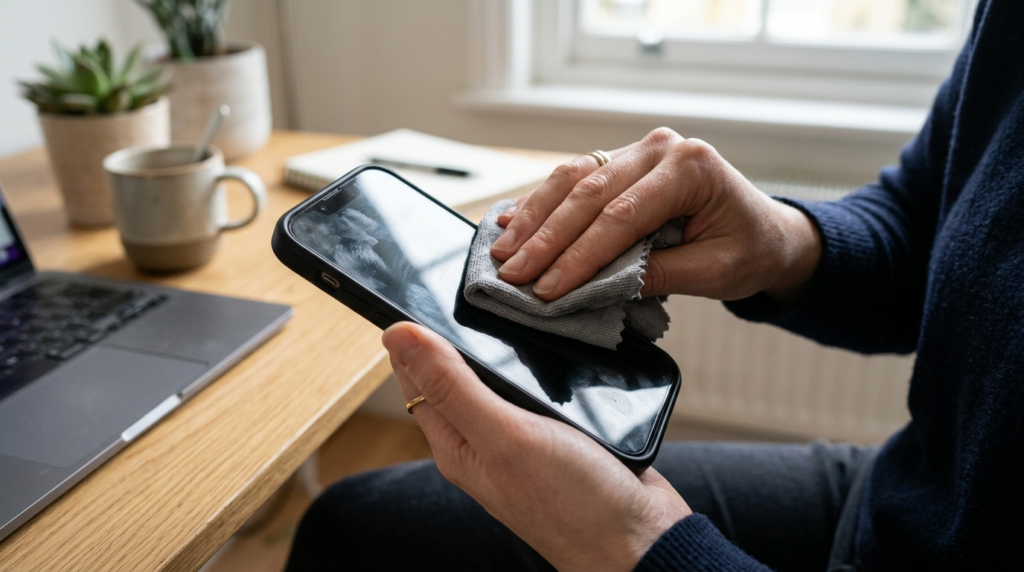
Think about where your phone goes: your hands, your bag, every surface you set it on, the gym, the restaurant table. Then you press it against your cheek for calls. It is a bacteria delivery system aimed directly at your face. Studies have found phones carry significant bacterial loads, and dermatologists have long noted the pattern of breakouts along the jaw and cheek where phones make contact.
I started wiping my screen with an alcohol wipe every evening. It takes ten seconds. The cluster of breakouts along my jawline, the ones I blamed on hormones for years, faded within three weeks. If you take calls on speaker or with earbuds, even better. But at minimum, clean the thing you press to your face. It is the most obvious skincare step nobody does.
4. I Cut Back on Added Sugar

The connection between diet and skin is complex, but high-glycemic foods and added sugars are among the most consistent dietary triggers researchers have identified for breakouts. Sugar spikes insulin, which can increase oil production and inflammation. I was not eating terribly, but the daily pastries, sweetened coffee drinks, and afternoon candy were adding up.
I did not eliminate sugar entirely. I just cut the mindless added sugars: the soda, the daily dessert, the sugary coffee. I replaced them with fruit, dark chocolate, and unsweetened drinks. My skin became noticeably calmer and less inflamed within a month. The glow people started commenting on was not from a new serum. It was from fewer blood sugar spikes. What you eat shows up on your face, for better or worse.
5. I Stopped Touching My Face

Resting your chin in your hands while working. Picking at a spot. Rubbing your forehead while thinking. We touch our faces dozens of times a day without noticing, transferring oil, dirt, and bacteria from our hands directly to our pores. Every touch is a potential breakout.
Breaking this habit required conscious effort. I started noticing the urge and redirecting it. I kept my hands busy, sat on them during calls, and put a sticky note on my monitor as a reminder. Within two weeks, the random spots that appeared from nowhere stopped appearing. They were not random. They were fingerprints. Your hands are the dirtiest things that touch your face. Keep them away.
6. I Trained Myself to Sleep on My Back

Eight hours a night with your face pressed into a pillow. That is eight hours of friction, pressure, and contact with fabric that collects oil and product residue. Side sleepers often notice more breakouts and deeper lines on their preferred side, and it is not a coincidence.
I trained myself to sleep on my back using a supportive pillow and a body pillow to prevent rolling. It took a few weeks to adjust, but the morning puffiness decreased, the sleep creases disappeared, and my skin looked calmer. If back-sleeping is impossible for you, change your pillowcase every two to three days and consider silk or satin to reduce friction. Your pillow should not be undoing your skincare.
7. I Checked My Hair Products
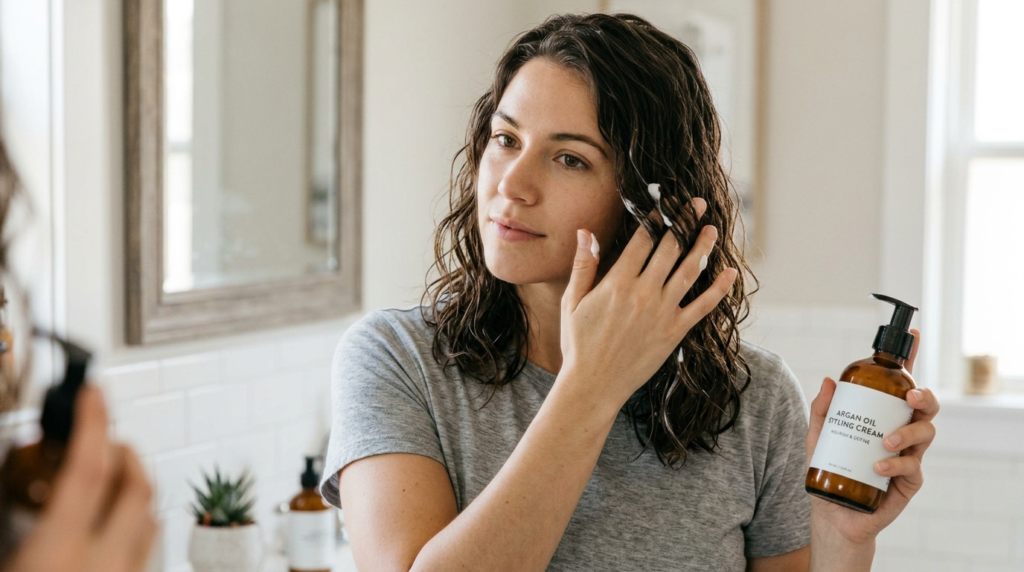
Forehead breakouts that would not quit. Back breakouts that made no sense. The culprit was not my skincare. It was my shampoo, conditioner, and styling products. Heavy oils, silicones, and fragrances in hair products transfer to skin along the hairline, forehead, and back, causing breakouts in exactly those areas.
I switched to lighter formulas, started rinsing my back after conditioning, and kept hair off my face while products were in. I also changed my pillowcase more often since hair oils transfer overnight. The forehead and back breakouts cleared within a month. If your breakouts cluster where your hair touches, suspect your hair products before your skincare. The answer might be in the shower, not on your vanity.
8. I Started Managing My Stress

Stress triggers cortisol, and cortisol triggers oil production and inflammation. Every major breakout of my adult life has coincided with a stressful period, and that is not a coincidence. It is endocrinology. You cannot eliminate stress, but you can change how your body processes it.
I built a real wind-down routine: no screens before bed, ten minutes of reading, consistent sleep times. I started walking during lunch instead of eating at my desk. These are not skincare steps, but they transformed my skin because they lowered my baseline stress. Calm mind, calm skin. The connection is direct, measurable, and completely free to address.
9. I Started Washing My Makeup Brushes Weekly
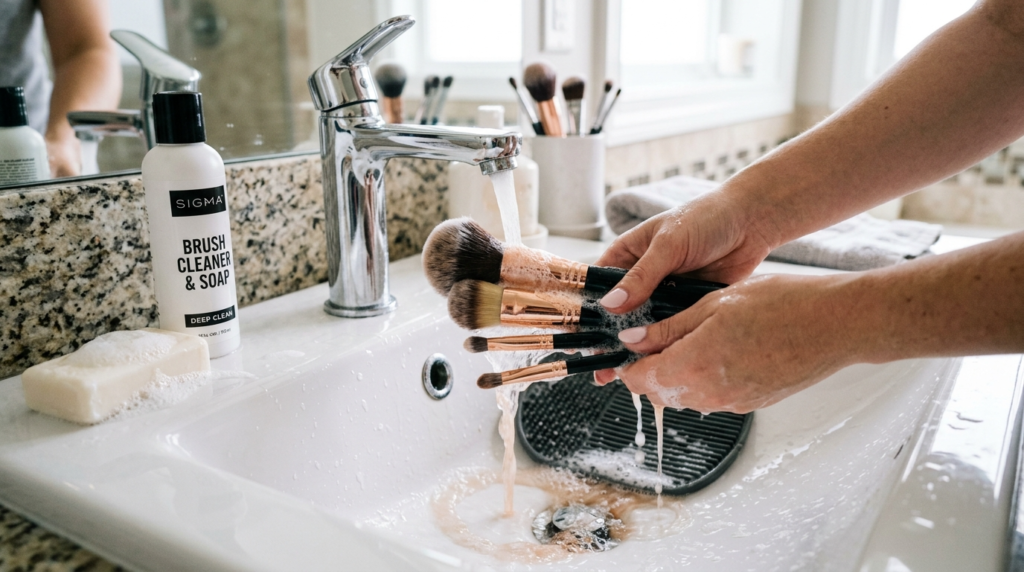
Old makeup, oil, and dead skin accumulate in brush bristles, creating a thriving environment for bacteria. Then you sweep that bacteria across your face daily. It is like washing your face with a dirty washcloth and wondering why it is not working. Dermatologists recommend washing brushes weekly, and most people do it never.
I started washing my brushes every Sunday with gentle soap and warm water. It takes fifteen minutes. I also replaced my beauty sponges regularly instead of using them for months. The texture of my skin improved noticeably, and the small irritated bumps along my cheeks disappeared. Clean tools are skincare. Dirty tools are sabotage.
10. I Got Consistent With Sunscreen
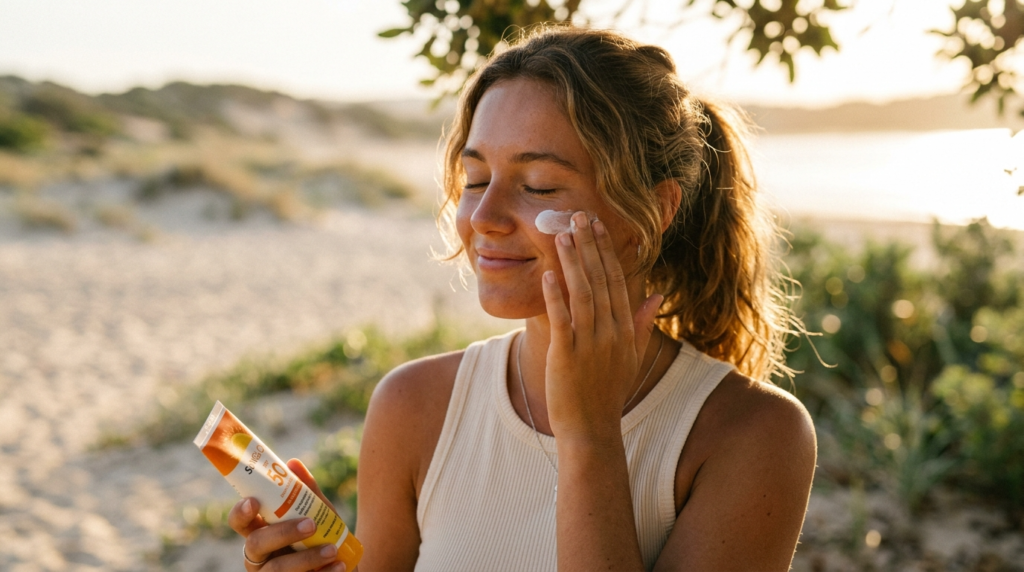
I used to skip sunscreen on cloudy days, indoors, and whenever I was in a hurry, which was most days. But UV damage is cumulative and constant. Up to 80 percent of UV rays penetrate clouds, and UVA rays come through windows. Inconsistent protection means your skin is always playing catch-up with damage.
I committed to daily SPF as the non-negotiable final step of my morning routine, rain or shine, indoors or out. I found a lightweight formula I actually enjoy wearing, which made consistency easy. Within months, my skin tone became more even, dark spots faded, and the overall clarity improved. Sunscreen is not just anti-aging. It is anti-everything that makes skin look tired and uneven. Consistency is the active ingredient.
What Changed When I Stopped
Here is what nobody tells you about quitting bad habits: the results compound. Each habit I stopped removed a source of irritation, and together they gave my skin the chance to do what it does naturally when left alone: balance itself. I did not need stronger products. I needed fewer assaults.
My routine is simpler now than it has been in years: gentle cleanse, moisturize, sunscreen in the morning. A few targeted treatments at night. That is it. The heavy lifting is done by what I stopped doing, not what I started. If your skin is struggling despite a good routine, look at your habits before your products. The answer might be subtraction, not addition.
Start with the habit that feels easiest. For me it was the phone screen. Ten seconds a day, visible results in weeks. Small wins build momentum, and momentum changes everything. Your skin is not the enemy. It is a messenger. Stop shooting it, and start listening to what it has been trying to tell you.