 Sarah Grey
Beauty trends promise quick transformations and eye-catching results — but not all of them are safe. Unusual techniques go viral on social media with little thought given to their long-term effects. They might look exciting or novel, but some of these methods can silently damage your skin, hair, or even your overall well-being. These trends deserve caution and informed skepticism. By understanding the potential risks, you can make smarter decisions and protect your health. Here are some of the stranger beauty trends that sound innocent at first but can have unpleasant consequences over time.
Here are the hidden risks behind 13 unusual beauty trends you should know — before you try them.
Charcoal Teeth Whitening Craze
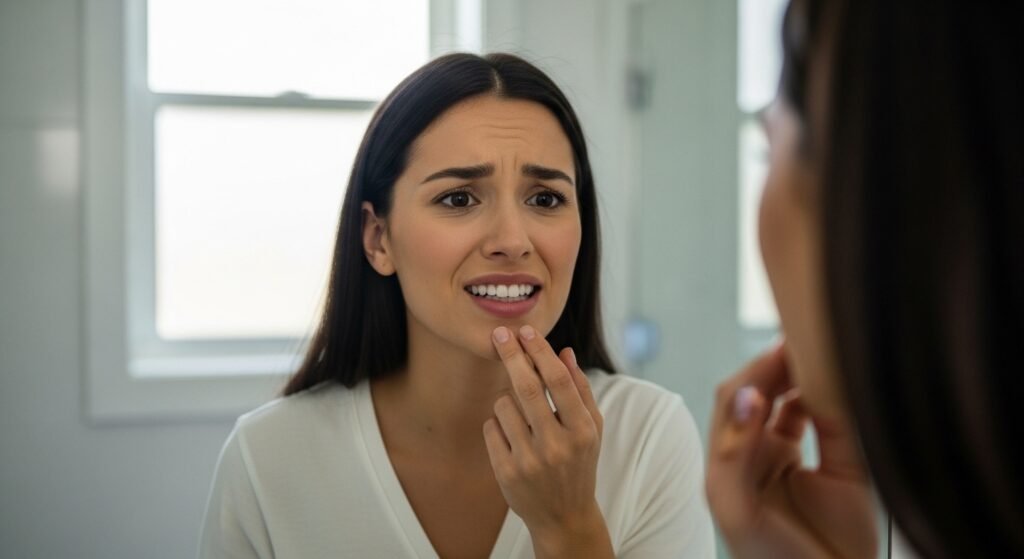
Activated charcoal has become popular for whitening teeth, but its abrasive nature can wear down enamel over time — leaving teeth sensitive and discolored rather than healthier.
Dentists warn that once enamel is gone, it does not grow back. If you want whiter teeth, professional whitening or enamel-safe products are far safer bets than charcoal scrubs.
DIY Chemical Peels at Home
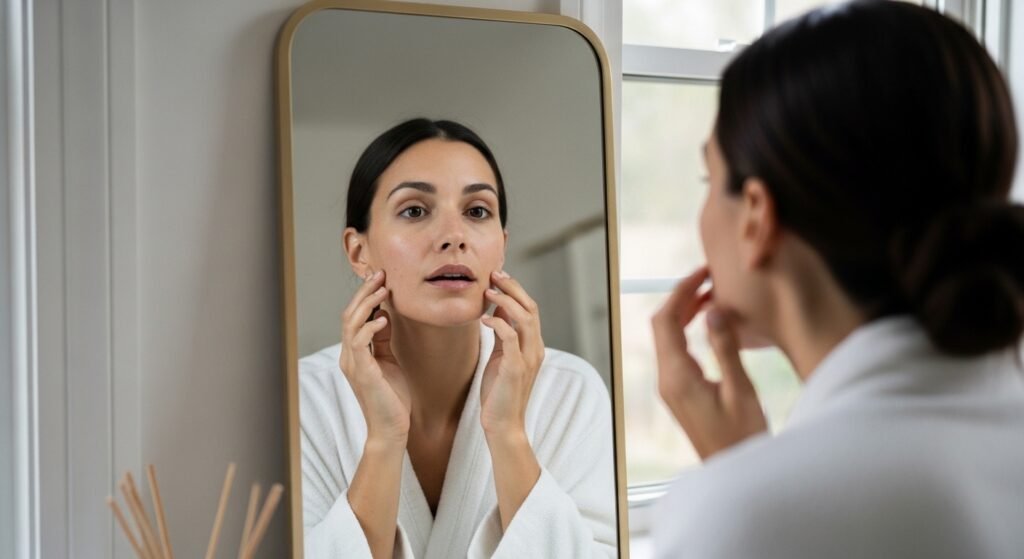
At-home chemical peels applied without professional guidance risk burns, irritation, and discoloration — especially when the wrong concentration meets sensitive facial skin.
Chemical peels are medical-grade treatments for a reason. A dermatologist controls the depth and neutralizes the acid; a bathroom mirror cannot. This is one trend to leave to the professionals.
Hair Smoothing with Harsh Treatments
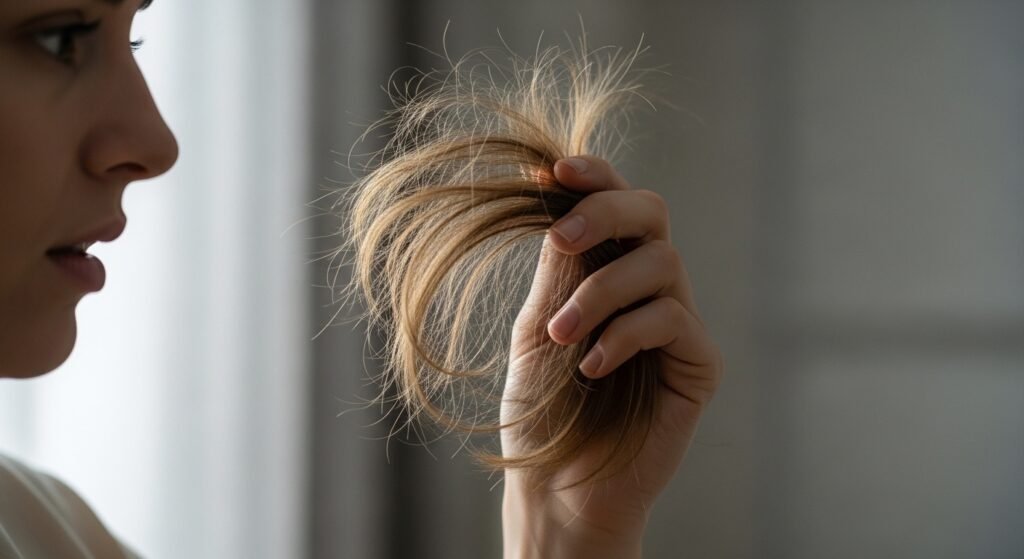
Some smoothing treatments rely on harsh chemicals that compromise hair structure — leading to breakage, dryness, and scalp sensitivity with repeated use.
Always ask what is in a smoothing formula before committing. Formaldehyde-releasing treatments in particular carry health concerns; gentler keratin options exist for a reason.
Nose Reshaping Clips Trend
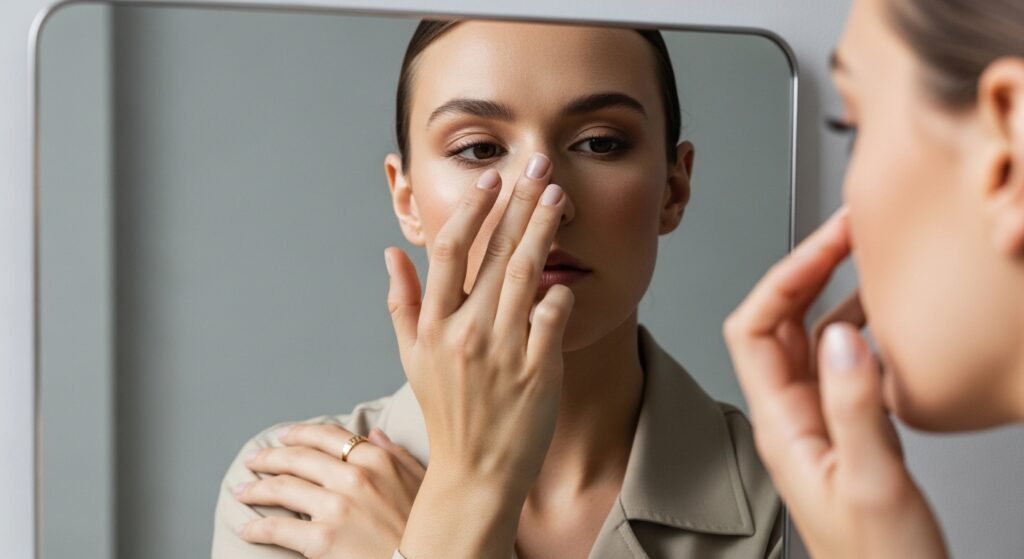
Nose reshaping clips claim to mold cartilage, but they mostly apply uncomfortable pressure that can restrict blood flow — without changing the nose’s structure in any lasting way.
Cartilage does not reshape from a plastic clip. Prolonged pressure risks skin damage and pain for zero lasting benefit — contouring makeup achieves a better illusion safely.
Overuse of Whitening Creams
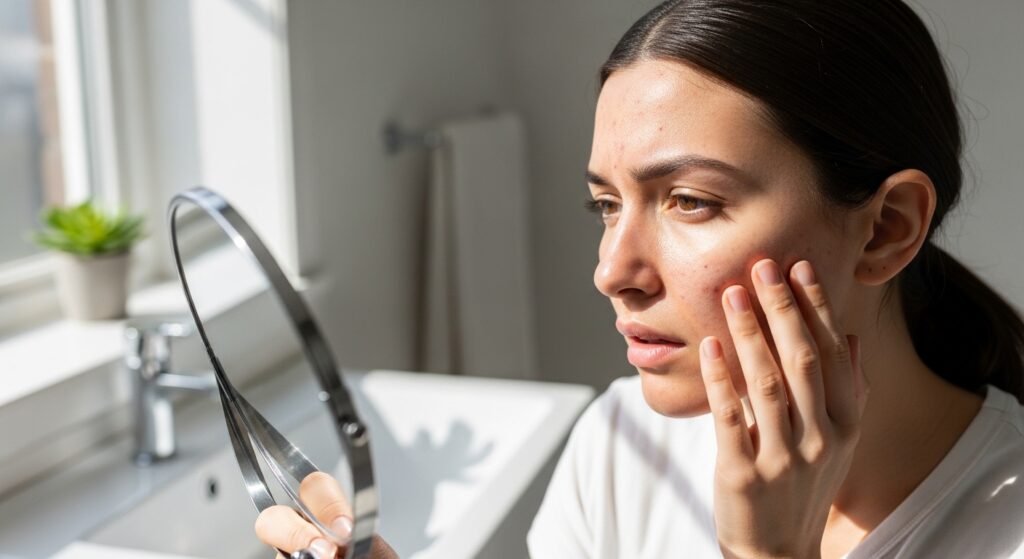
Overusing skin-lightening products disrupts the skin’s natural balance — causing thinning, sensitivity, and patchy pigmentation instead of the even complexion promised.
Some unregulated lightening creams contain harmful ingredients like mercury or high-dose steroids. If uneven tone bothers you, a dermatologist can recommend safe, evidence-based options.
Extreme Contouring Techniques
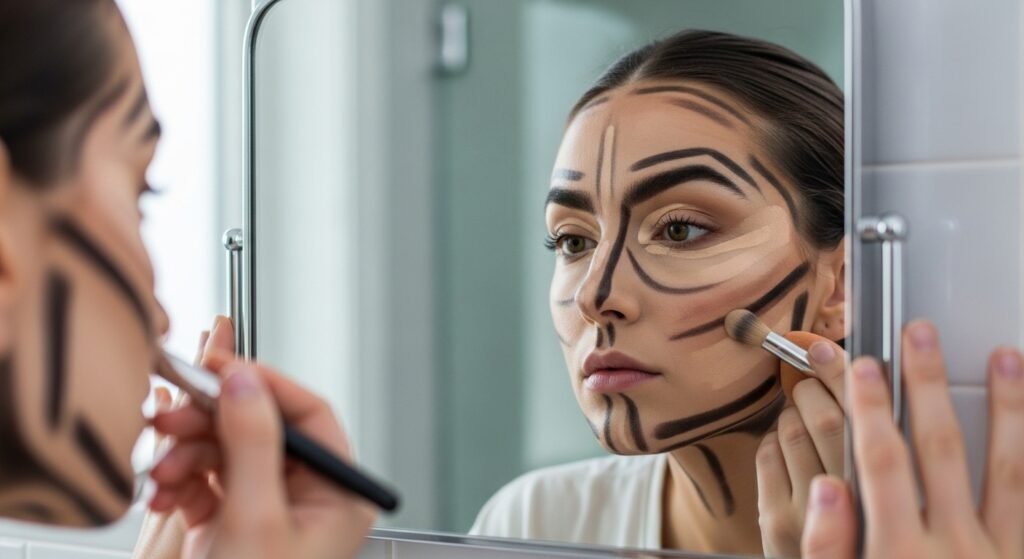
Heavy, long-wear contouring clogs pores and can trigger breakouts and irritation — especially when layers of product are not removed thoroughly.
The fix is simple: double-cleanse every night and give skin makeup-free days. Contouring is fine in moderation; it is the never-ending layers that cause trouble.
Lip Plumping Devices at Home
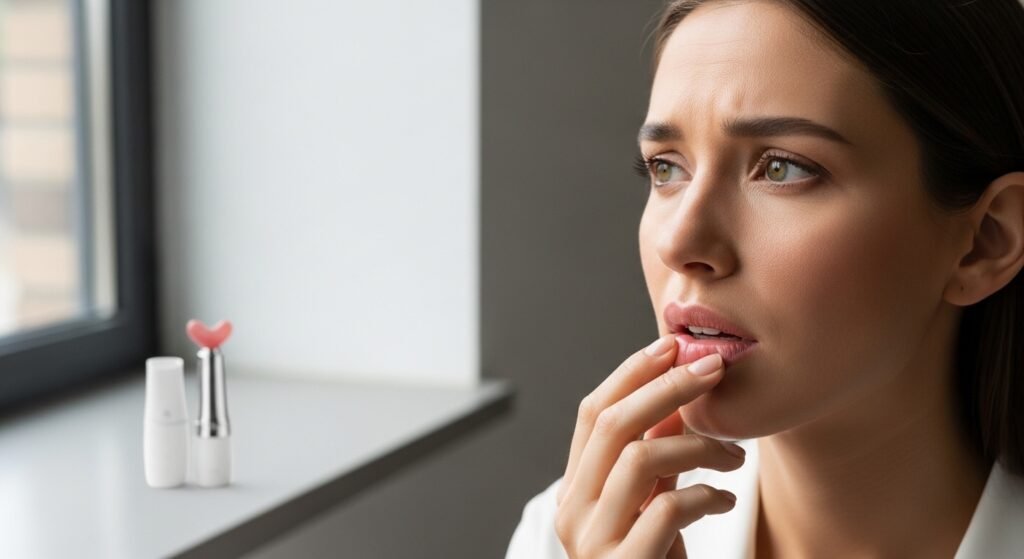
Suction devices that swell lips can cause bruising, irritation, and temporary swelling — and repeated or improper use may damage fragile lip tissue.
The plumping effect is short-lived; the risks are not. Lip-plumping glosses with mild irritants offer a gentler boost, and fillers — done by professionals — are the only lasting option.
Glue-Based Beauty Hacks
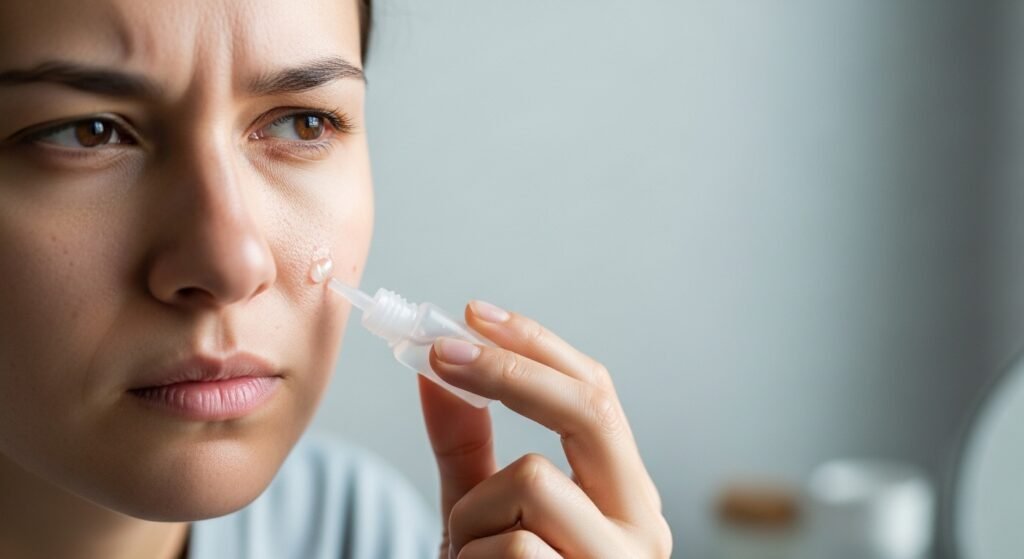
Using non-cosmetic adhesives on skin — for brow shaping or facial effects — can cause irritation and allergic reactions, particularly when the product was never meant for cosmetic use.
Skin-safe adhesives exist and are tested for facial use. Household glue is not one of them. If a hack calls for craft supplies on your face, skip it.
Frequent Heat Styling Without Protection
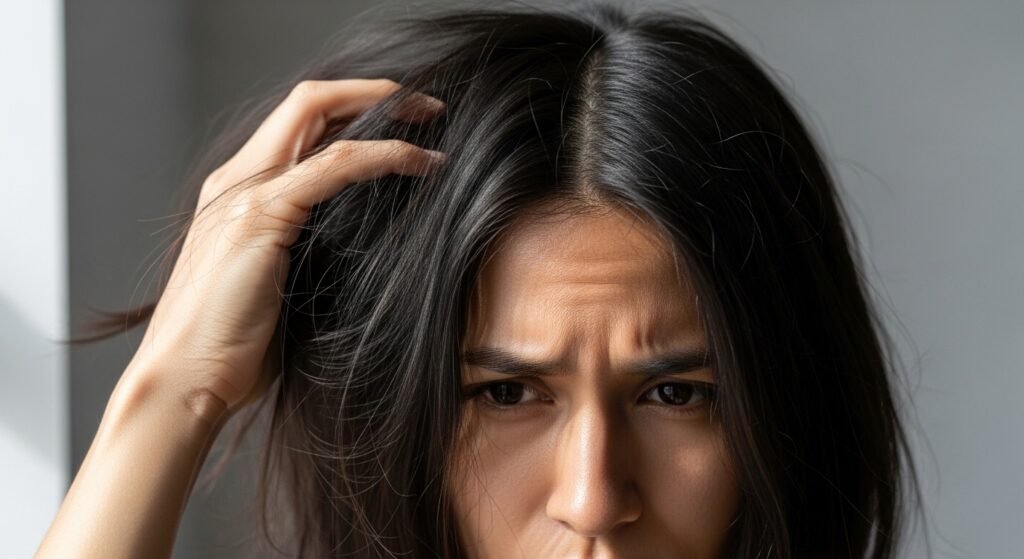
Repeated heat styling without protectant weakens hair strands — causing dryness, split ends, and the gradual loss of natural shine and strength.
A heat protectant spray takes ten seconds and prevents most damage. Lower the temperature, limit passes, and give hair heat-free days to recover.
DIY Natural Masks Without Testing
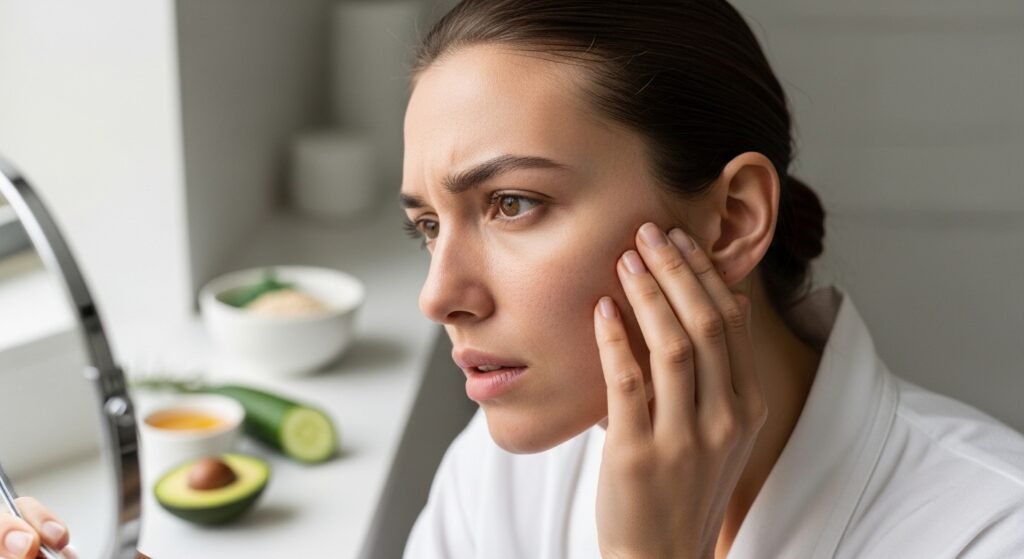
Natural ingredients sound safe, but combinations like lemon juice or undiluted essential oils can cause burns, allergic reactions, and irritation — especially without patch testing.
Natural does not mean gentle — poison ivy is natural too. Patch-test every DIY recipe on your inner arm first, and research each ingredient before it touches your face.
Tight Face-Lifting Tapes
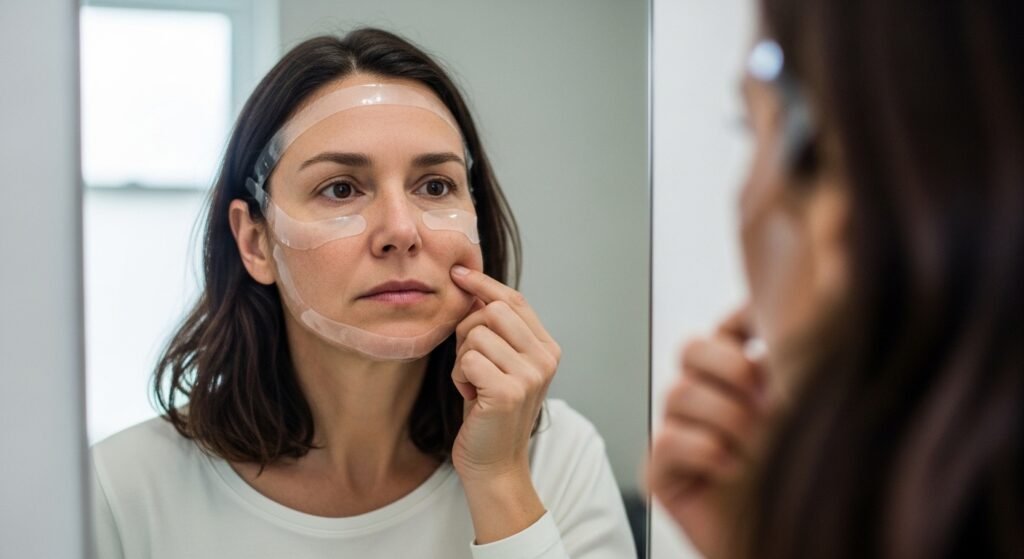
Adhesive lifting tapes offer only temporary visual change — and regular use or improper removal can stretch skin and cause irritation.
For a special event, they are a harmless trick. As a daily habit, they risk exactly the sagging they promise to fix. Use sparingly and remove gently with oil, never by ripping.
Over-Exfoliation Habits
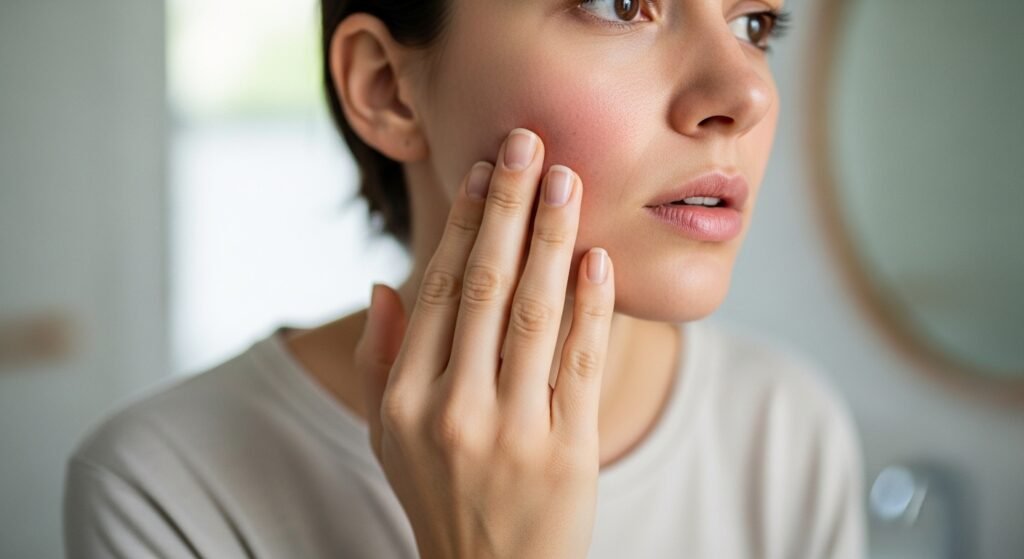
Excessive physical or chemical exfoliation strips the skin’s protective barrier — leaving it red, dry, and vulnerable to environmental damage.
More is not better with exfoliation. Two to three times weekly is plenty for most skin; if your face stings, flakes, or shines oddly, your barrier is begging for a break.
Unregulated Beauty Gadgets
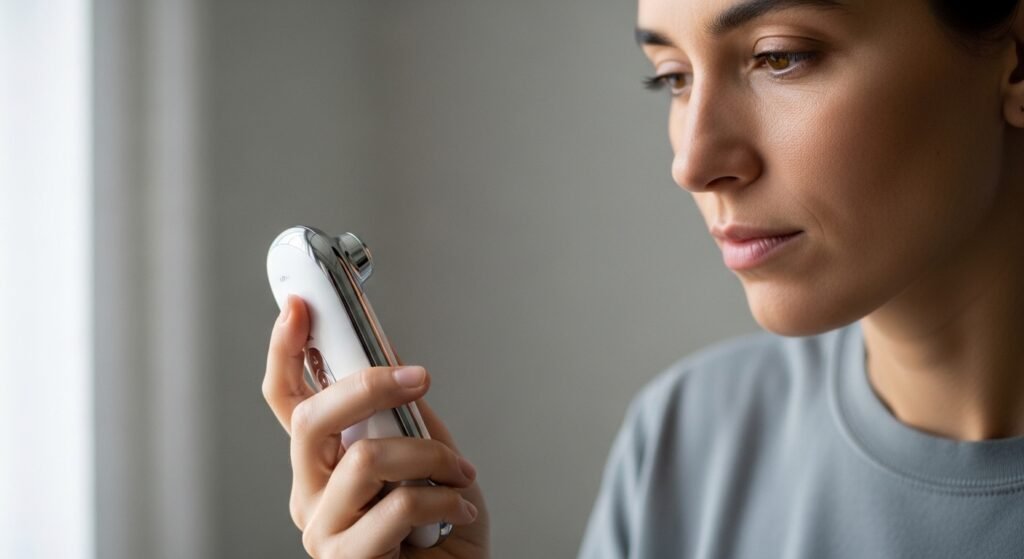
Trending beauty tools often skip proper safety testing — and misuse can damage skin when users do not understand how to operate them correctly.
Before buying any gadget, check for genuine reviews, clear instructions, and reputable manufacturing. If a device promises miracles with no evidence, your skepticism is the best protection.
The Red Flags Of A Risky Trend
Learn to spot the warning signs before a trend touches your face. Red flags include: promises of instant dramatic results, no scientific explanation of how it works, pressure to buy from a single seller, and a flood of sponsored posts with no independent reviews. Legitimate beauty innovations come with data, dermatologist commentary, and realistic timelines.
Another red flag is the “everyone is doing it” framing without any discussion of side effects. Real beauty journalism mentions risks; marketing disguised as content never does. If you cannot find a single critical voice, that silence is information.
Patch Testing: Your First Line Of Defense
Patch testing is the simplest safety habit in beauty, and the most skipped. Apply a small amount of any new product behind your ear or on your inner forearm, wait 24 to 48 hours, and watch for redness, itching, or bumps. This one step prevents the vast majority of bad reactions.
For DIY recipes, patch-test the exact mixture — not just individual ingredients, since combinations behave differently. And remember that sensitization can develop over time: a product that was fine for months can suddenly cause reactions, so stay observant.
Reading Ingredient Labels Like A Pro
You do not need a chemistry degree to read a label — just a few habits. Ingredients are listed in descending order of concentration, so the first five matter most. Learn to recognize common irritants (fragrance, drying alcohols, harsh sulfates) and look up anything unfamiliar before it goes on your skin.
Be wary of “proprietary blends” that hide concentrations, and of products that list impressive actives far down the label — there may not be enough to matter. Transparency is a sign of a trustworthy brand; secrecy is not.
The Mental Health Cost Of Beauty Pressure
The hidden risk nobody talks about is psychological. Chasing every viral trend trains your brain to see your natural face as a problem to fix. That cycle — dissatisfaction, purchase, brief hope, disappointment — is exhausting and expensive, and it erodes self-esteem over time.
Protect your mindset the way you protect your skin barrier. Unfollow accounts that make you feel inadequate, set a waiting period before buying hyped products, and remind yourself that filters are not faces. Confidence is the only beauty trend with no side effects.
Building A Safe, Simple Routine
The safest beauty routine is a boring one: gentle cleanser, moisturizer, sunscreen, and one or two targeted treatments introduced slowly. Dermatologists consistently say that consistency with basics outperforms any rotating cast of trendy products.
When you want to experiment, change one variable at a time so you know what caused any reaction. Keep a simple log of new products and how your skin responds. Boring routines produce the exciting results — clear, calm, healthy skin.
How To Vet A Beauty Trend Before Trying It
Before jumping on any viral beauty trend, run it through a quick safety check. Ask: is there scientific evidence it works? Do dermatologists or other professionals endorse it? Are the ingredients or devices regulated? A five-minute search can reveal whether a trend is innovation or just marketing.
Also check the source of the hype. A trend pushed only by sellers of the product deserves more skepticism than one backed by independent experts. When in doubt, patch-test, start slowly, and stop at the first sign of irritation.
When To See A Professional
Some beauty goals genuinely require expertise: chemical peels, injectables, laser treatments, and anything involving prescription-strength ingredients. A licensed dermatologist or aesthetician has the training to assess your skin and manage risks you cannot see coming.
Think of it as an investment, not an indulgence. One professional consultation often costs less than the pile of failed DIY products — and it comes with something no viral hack offers: accountability for your safety.
Trust Your Skin Over The Algorithm
Your skin is constantly giving you feedback — tightness, breakouts, glow, calm — and that feedback matters more than any viral recommendation. Learn your skin’s language: what it loves, what it tolerates, what it rejects. No algorithm knows your face better than you do.
When a trend conflicts with what your skin is telling you, believe your skin. The internet will move on to the next craze by Friday; you have to live in your skin every day. Let its signals — not strangers’ before-and-afters — guide your choices.
Beauty Should Never Cost Your Health
The through-line of every risky trend is the same: impatience. We want dramatic results now, and we trust strangers on the internet over our own caution. But the best beauty results have always come from consistency, patience, and respect for your body’s limits.
Stay curious, but stay skeptical. Your skin, hair, and health are worth more than any trend — and the most beautiful thing you can do is protect them.