 Sarah Grey
We have all fallen for it. The turquoise water, the empty beach, the influencer twirling in front of a landmark with not another soul in sight. Travel content online is a masterclass in selective framing, and the gap between the photo and the experience can be jarring. I have stood in the exact spot from a viral photo and found a construction site, a crowd of five thousand people, and weather that looked nothing like the filter. This is not to say travel is not wonderful. It is. But the reality hits harder than the highlight reel suggests, and knowing what to actually expect makes every trip better.
The Crowded Landmark Struggle
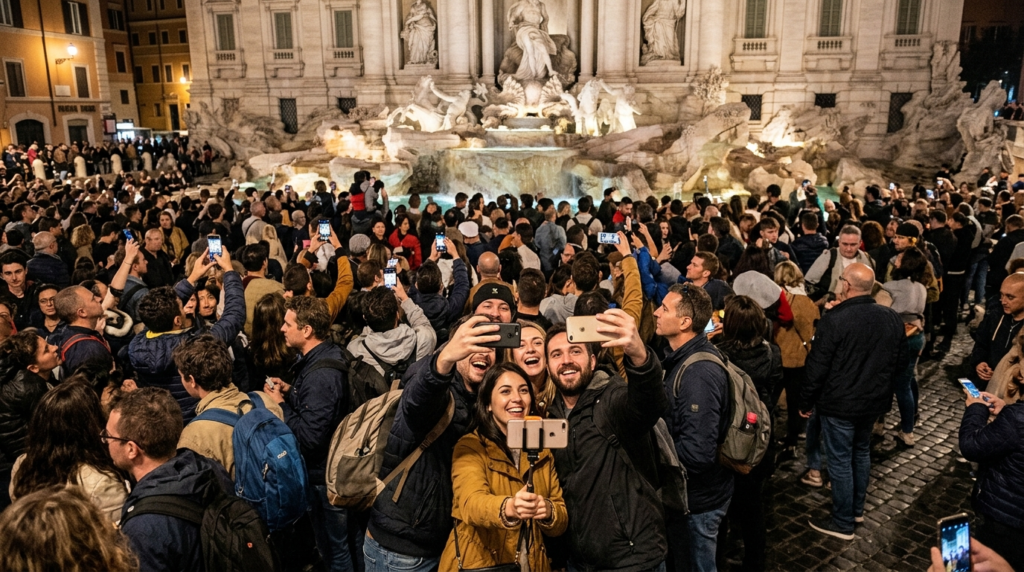
That dreamy photo of the Trevi Fountain with no one around was taken at five in the morning by someone who waited an hour for a ten-second window. Visit at any normal hour and you will share the view with thousands of other people who saw the same photo. Overtourism has become such a serious problem that cities are taking drastic action: Venice introduced a day-tripper entry fee in 2024, Barcelona has cracked down on short-term rentals, and famous sites from Maya Bay in Thailand to the Louvre have implemented timed entries and capacity caps.
The fix is not to skip famous places but to strategize. Go at opening time or near closing, visit on weekdays rather than weekends, and travel in shoulder seasons when crowds thin dramatically. Some of my best landmark experiences have been in the rain or at odd hours, when the tour buses are gone. And accept that the photo will have strangers in it. The memory of being there matters more than the proof.
Hidden Fees At Every Turn
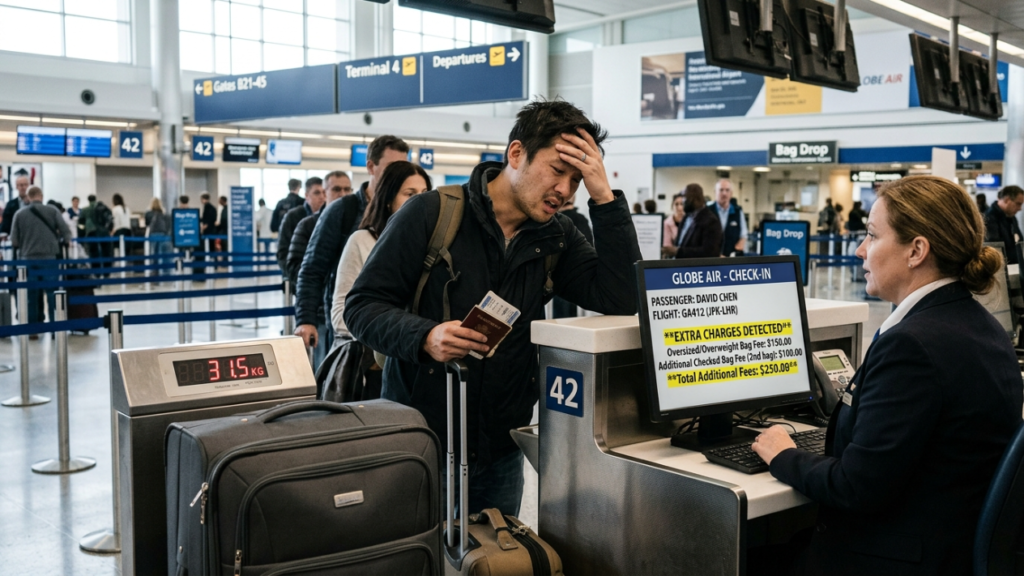
The price you see is almost never the price you pay. That budget airline fare doubles after baggage, seat selection, and booking fees. The hotel with the great nightly rate adds a forty-dollar resort fee, plus taxes, plus parking. In the United States, resort fees have become endemic in tourist cities: Las Vegas, Honolulu, Miami, and Orlando hotels routinely tack on thirty to fifty dollars per night in mandatory fees that are excluded from the advertised rate. The Department of Transportation has pushed airlines toward upfront fee disclosure, but hotels have been slower to change.
Protect yourself by always expanding the total price before booking. On hotel sites, look for the fine print about resort fees, destination fees, and parking. On flights, mentally add baggage and seat fees to every fare you compare. Use credit cards with no foreign transaction fees abroad, since those three percent charges add up silently. And read recent reviews specifically mentioning fees; fellow travelers are the best early warning system. The trip you budget honestly is the trip you actually enjoy.
The Jet Lag Fog
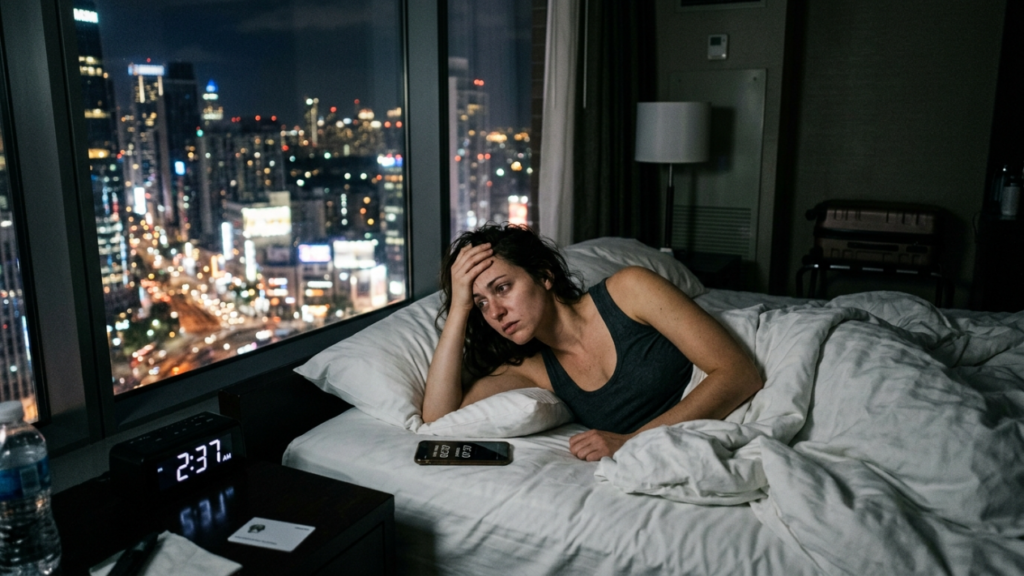
No travel photo captures jet lag, because jet lag is not photogenic. It is staring at a hotel ceiling at 3 a.m., wide awake, then falling asleep standing up at a museum at 2 p.m. Crossing multiple time zones disrupts your circadian rhythm, the internal clock that regulates sleep, digestion, and alertness. Sleep researchers estimate it takes roughly one day per time zone crossed to fully adjust, which means a trip from New York to Tokyo can leave you foggy for the better part of a week.
What actually helps: start shifting your sleep schedule a few days before departure, get bright daylight exposure in the morning at your destination, stay hydrated, and resist the urge to nap for hours on arrival. Short naps of twenty minutes are fine; a four-hour nap resets nothing and ruins the night. Eastward travel is typically harder than westward. And build a buffer day into your itinerary. Planning your most exciting activity for the morning after a red-eye is planning to experience it through a haze.
Expectations Versus Gritty Streets

Travel photos are cropped. That perfect shot of a Parisian boulevard cut out the overflowing trash bins, the construction scaffolding, and the souvenir hawkers. Every famous city has gritty, ordinary, under-construction parts, because real people live and work there. The internet shows you the monument; it does not show you the half-mile of tourist-trap shops you walk through to reach it. This is not a complaint. It is just the truth about visiting living cities instead of movie sets.
The travelers who love cities most are the ones who expect the grit and enjoy it. Some of my favorite travel memories are from unglamorous moments: a tiny neighborhood bakery, a park full of locals, a side street with no famous anything. Lower the expectation that every view will match the postcard, and raise your openness to what is actually there. The construction and the crowds are part of the real place. The real place is worth seeing.
The Van Life Reality Check

Van life content is some of the most misleading media on the internet. The videos show golden-hour coffee with mountain views. They do not show the 2 a.m. search for a legal parking spot, the lack of running water, the extreme temperatures, or the constant logistics of where to sleep, shower, and use a bathroom. Full-time van dwellers consistently report that the lifestyle is far more work and far less glamorous than the content suggests, with ongoing costs for fuel, maintenance, insurance, and campsites that add up fast.
None of this means van travel is bad. Renting a camper for a week on a planned route, with booked campsites and a realistic budget, can be genuinely wonderful. The problem is only the expectation that it is effortless freedom. It is effortful freedom, which is still freedom, just with chores. If the videos inspire you, try a short rental first before romanticizing a lifestyle. A weekend will teach you more than a hundred videos.
Unexpected Weather Disruptions
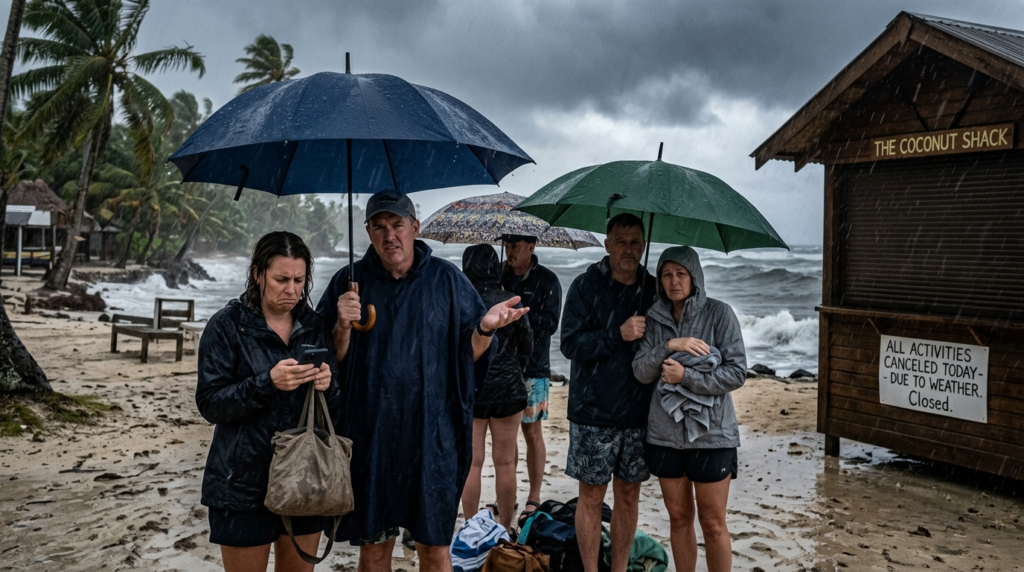
You can plan the perfect itinerary and the sky can still have other ideas. I once spent a long-awaited tropical week watching rain sheet down the windows. Climate change is making weather more unpredictable everywhere: stronger hurricane seasons, heat waves in normally temperate destinations, wildfire smoke disrupting summer travel across continents. The weather in the brochure is a historical average, not a promise.
Smart travelers build weather resilience into their plans. Travel insurance that covers weather disruptions is worth every penny during hurricane season or monsoon months. Pack layers regardless of the forecast. Have an indoor backup list for every destination: museums, markets, cooking classes, the glorious art of the long café afternoon. Some of my best travel days were rainy ones that forced me off the planned path. And check seasonal patterns before booking, not just average temperatures but rainfall, storm seasons, and extreme heat windows.
The Hotel Room Lottery
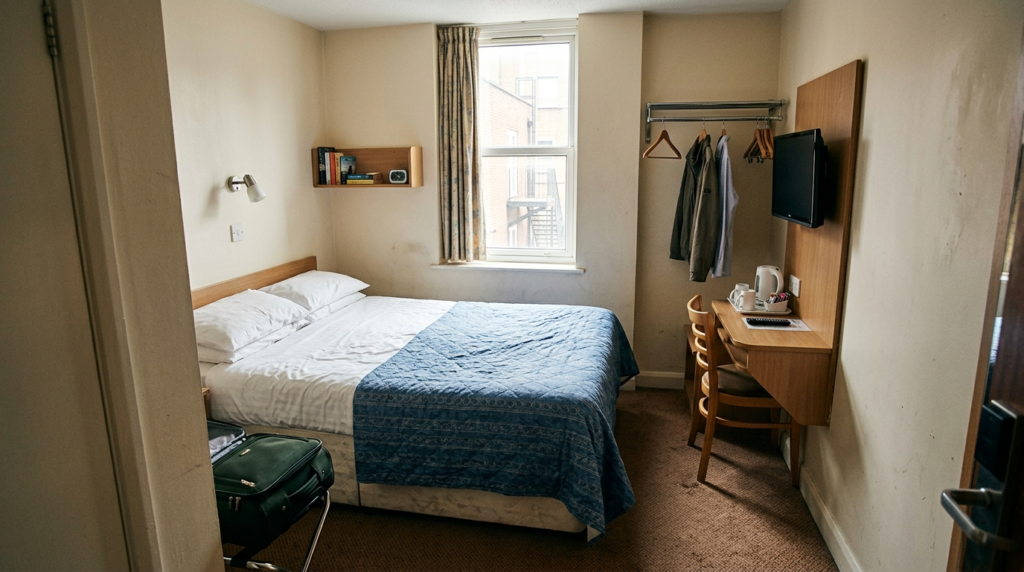
Hotel listing photos are shot with wide-angle lenses in perfect light, often of the single best room in the building. The room you get may be smaller, darker, noisier, or facing a brick wall. This is not always deception; hotels genuinely vary room to room. But the gap between the gallery and reality is one of travel’s most consistent disappointments. Professional listing photography is designed to sell, not to document.
Your best defense is other travelers’ photos. Scroll past the professional gallery to guest-uploaded images on review sites, which show what rooms actually look like. Read recent reviews mentioning noise, cleanliness, and whether the photos were accurate. And manage the hierarchy of what matters: location, cleanliness, and quiet beat square footage and décor every time. A small clean room in a great neighborhood beats a spacious suite next to a highway.
Digital Nomad Burnout

The laptop-on-the-beach photo is the biggest lie in remote work culture. Try actually working on a beach: the sun glares on your screen, sand invades your keyboard, the Wi-Fi is a rumor, and there are no outlets. Real digital nomads work from apartments, cafés, and coworking spaces, just like at home, except with worse ergonomics and timezone math. Studies on remote workers abroad consistently find that the blurred line between exploring and working leads to a specific exhaustion: you never fully vacation and never fully rest.
Working abroad can be wonderful with the right structure: a proper workspace, reliable internet verified in advance, overlapping work hours with your team, and real days off where the laptop stays closed. The burnout comes from trying to do two full-time things, working and traveling, in the same hours. If you try it, treat it like a work trip with benefits, not a vacation with emails. Your back, your eyes, and your sanity will thank you.
Public Transit Confusion
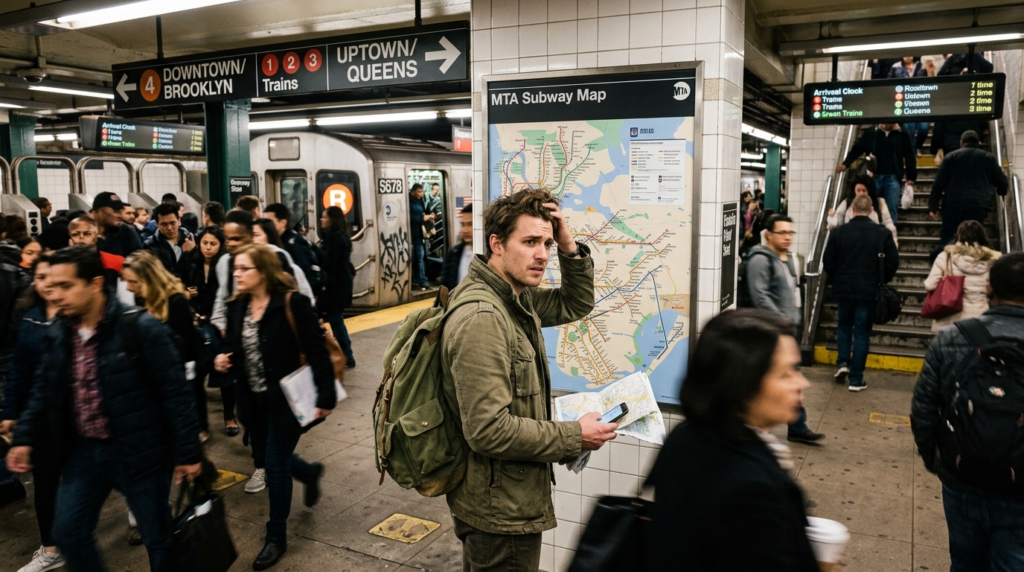
Every travel blogger makes foreign transit look effortless: tap a card, glide across the city. The reality is standing in a crowded station staring at a map in a language you do not read, while commuters flow around you like you are a rock in a river. Tokyo’s rail system has over a hundred lines run by different companies. Paris has ticket zones and validation rituals. Some cities require exact change, others need apps, others have machines that only take local cards.
The learning curve is real but short. Download the city’s transit app before you arrive, screenshot key routes for offline use, and buy day passes when the math favors them. Ask your hotel for the one route you will use most and master it first. And budget extra time for the first two days; getting lost on transit is a rite of passage, and some of my favorite discoveries happened on the wrong train. Confusion is temporary. The stories are permanent.
The Food Disappointment Factor
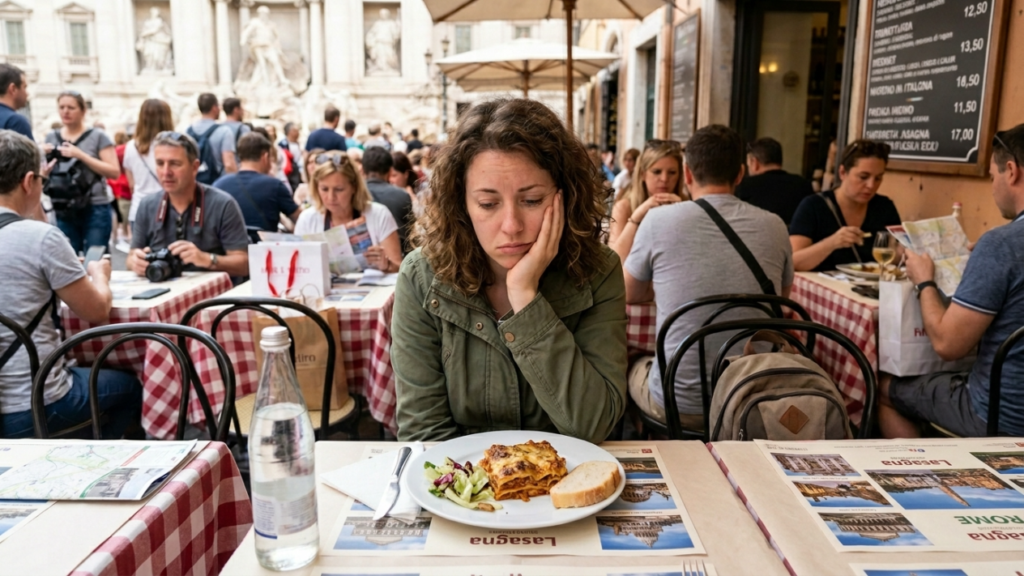
Not every meal abroad is a revelation. For every life-changing bowl of noodles, there is an overpriced, underwhelming tourist-trap dinner near a famous landmark. Restaurants in prime tourist zones often survive on foot traffic rather than quality, which is why the emptiest-looking side street frequently serves the best food in the neighborhood. The rule is simple: the closer to the landmark, the worse the food-to-price ratio.
Eat where the locals eat. Look for lines of residents, menus in the local language, and lunch crowds of workers. Markets and street food are often the best value and the most authentic experience. And forgive the occasional dud meal; it is part of the adventure. Some of my most memorable food experiences were accidents, and some of my most forgettable were the highly rated places I stressed about booking. Appetite and attitude matter more than reservations.
Packing Regret Sets In
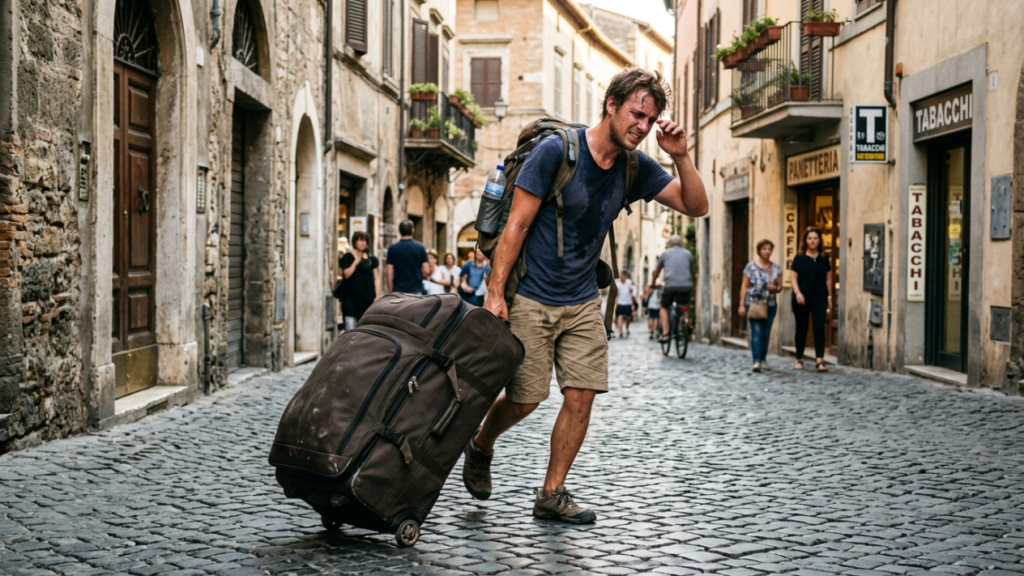
Nothing teaches you about overpacking like dragging a fifty-pound suitcase over cobblestones, up five flights of stairs, through a crowded train station. Everyone overpacks their first big trips. You bring options for weather that never comes, shoes for occasions that never happen, and just-in-case items that stay buried. Then you carry the consequences on your back, literally, through every transit connection.
The experienced traveler’s rule: lay out everything you think you need, then remove a third. Choose a color palette so everything matches, pack for a week regardless of trip length since laundry exists everywhere, and wear your bulkiest items on travel days. A carry-on-sized bag you can lift easily beats a checked behemoth in almost every scenario. Your shoulders, your schedule, and your baggage fees will all thank you.
The Social Media Pressure

The pressure to document everything can quietly ruin the experience it is meant to preserve. You have seen it: a viewpoint full of people watching the sunset through their phones, a restaurant table gone silent for the photo shoot. Research on the photo-taking impairment effect suggests that focusing on capturing a moment can actually reduce your memory and enjoyment of it. The content becomes the trip, instead of the trip producing the content.
I now take photos in dedicated bursts, then put the phone away. Mornings for pictures, afternoons for living, or whatever split works. Some experiences I do not photograph at all, and those are often the ones I remember best. Post the highlights if you like, but do not perform your vacation for an audience. The people whose travel content you envy are often the most distracted travelers at the viewpoint. Be the person who actually saw the sunset.
Coming Home To Reality

The final reality no one posts about: coming home. The post-vacation blues are a recognized phenomenon, a low mood that hits after the stimulation and novelty of travel ends and ordinary life resumes. The laundry, the inbox, the bills that kept coming while you were gone. After days of newness, routine can feel flat by comparison, and the contrast is genuinely disorienting for a few days.
Ease the landing. Leave a buffer day before returning to work if you can. Unpack promptly so the trip feels complete rather than lingering. Cook a favorite meal, look through your photos once, and start a small list for the next trip, because planning the next adventure is the best cure. And bring something home beyond souvenirs: a recipe, a habit, a perspective. The best trips change how you live, not just how you post. Reality, it turns out, was the destination all along.