 Richal Miller
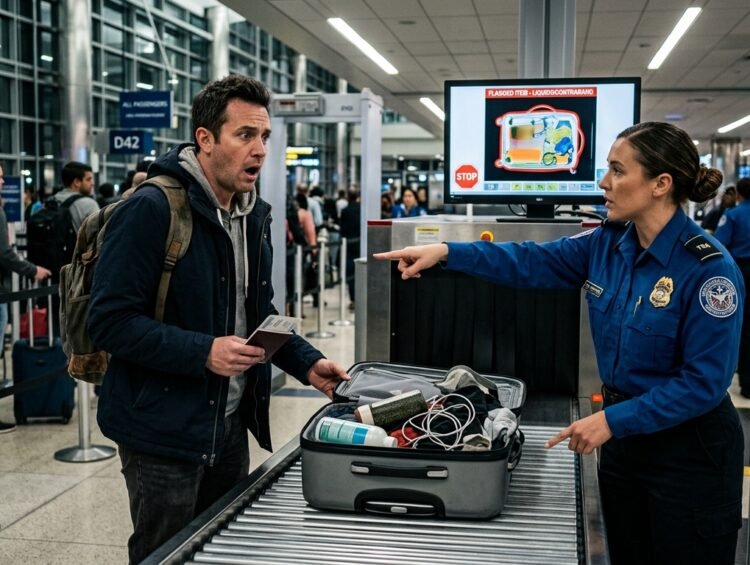
 Remember those moments when you stand in the security line, doing a frantic recall about whether you took out your laptop or if the extra bottle of sunscreen is slightly over the limit? This summer, such a typical airport dance will face a big change, and many might get quite surprised. From super scanners to a stricter application of even the older rules, the whole experience of flying through a large American airport might change significantly.
The End Of The Honor System
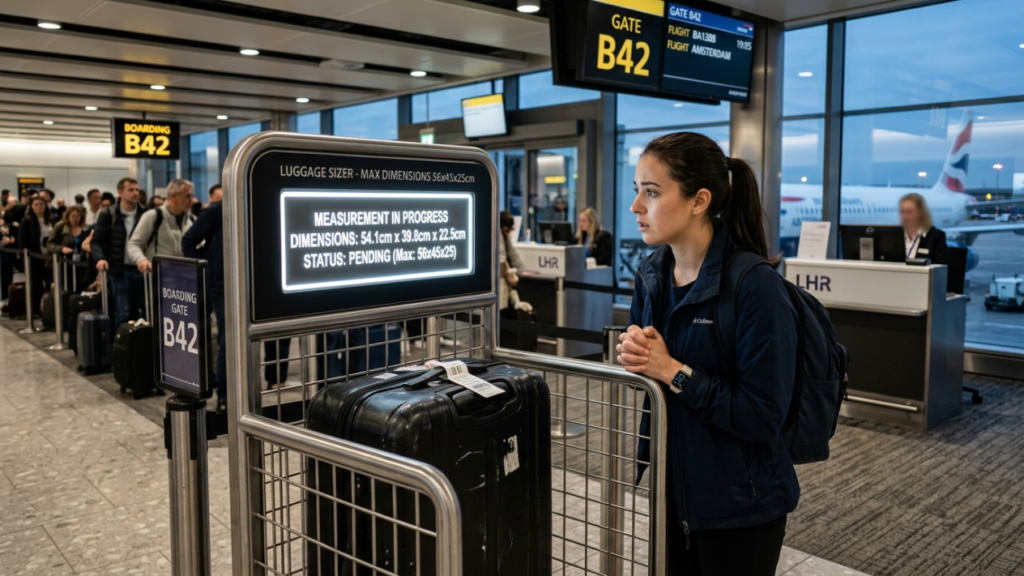
For a long time, most of us just shoved a bit too big a bag into the overhead bin without worrying about it. However, this summer, it seems that airlines will introduce automatic gate scanners that can measure your luggage dimensions with amazing accuracy using lasers.
The Wheels And Handles Rule
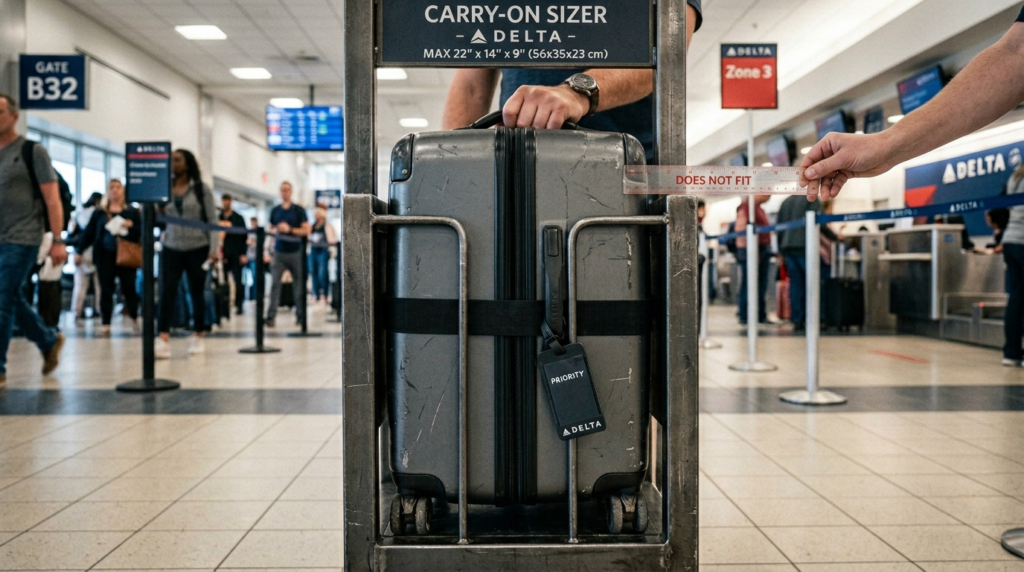
Although officially the size limits should stay almost the same, when measuring the dimensions, these days the officers also count the wheels and the handles. This tiny change alone can make your favorite carry-on bag suddenly not fit the requirements.
A New Identity Verification Fee
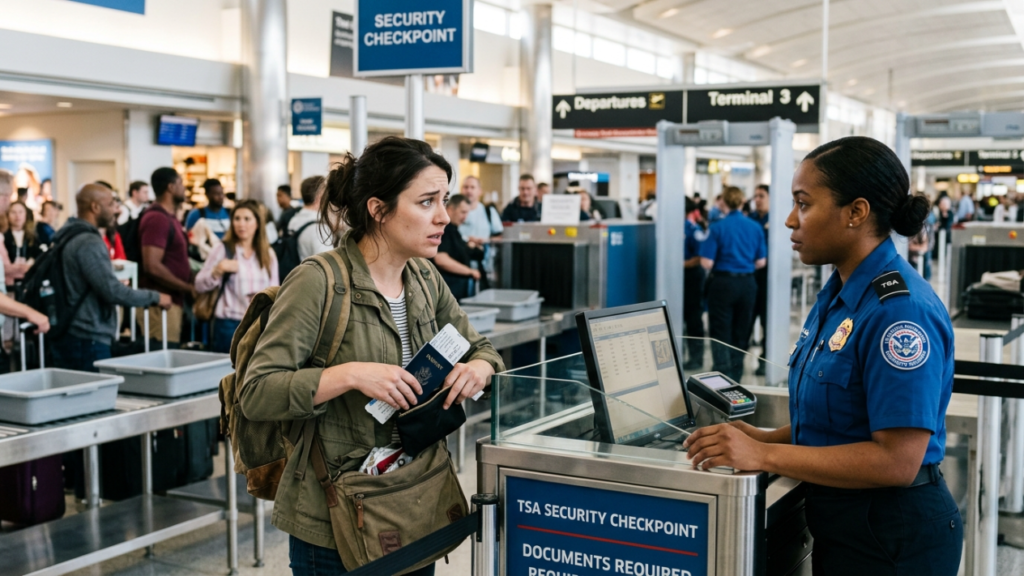
Some people who show up at airport checkpoints without a REAL ID or a valid passport might be charged with a newly introduced $45 verification fee. This alternate procedure might eventually only be used by those who have forgotten their identification documents.
Touchless ID Expansion Plans
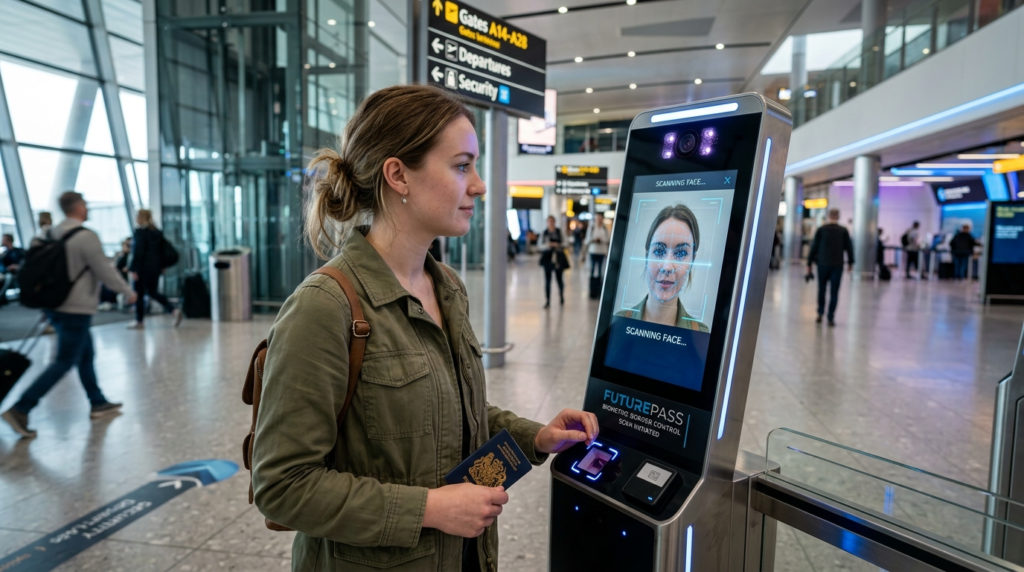
Facial recognition technology is being rolled out to more than sixty airports in the United States this spring and summer. Through this voluntary program, you might be able to pass through security less frequently, displaying an ID, because it could be done automatically by the system for PreCheck members.
Advanced CT Scanner Technology
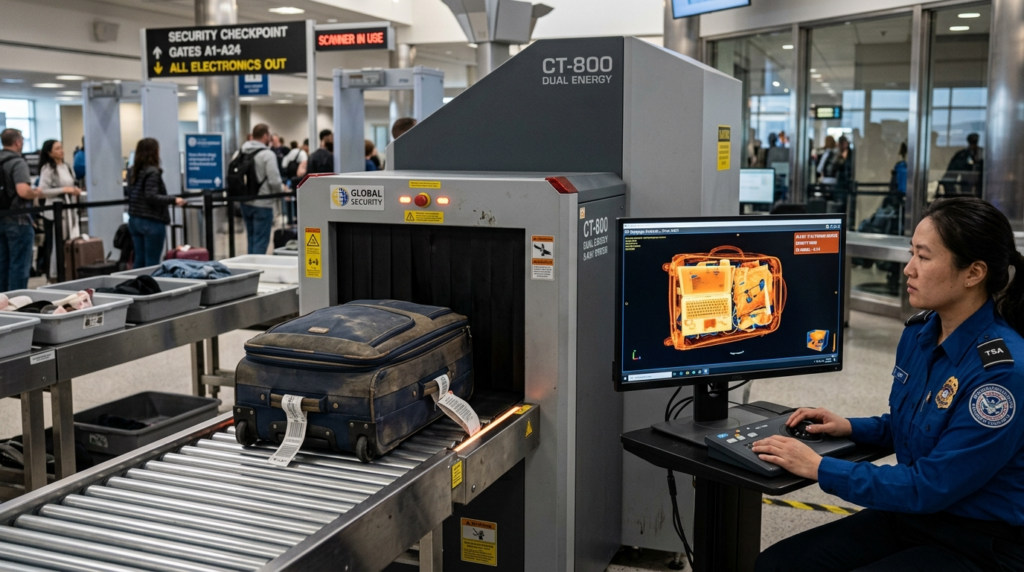
3D scanners are being installed at many terminals, which might make us think about new ways to pack, as you could keep your liquids and electronics in the bag while going through the checkpoint with these machines.
Liquid Limits Remain Steady
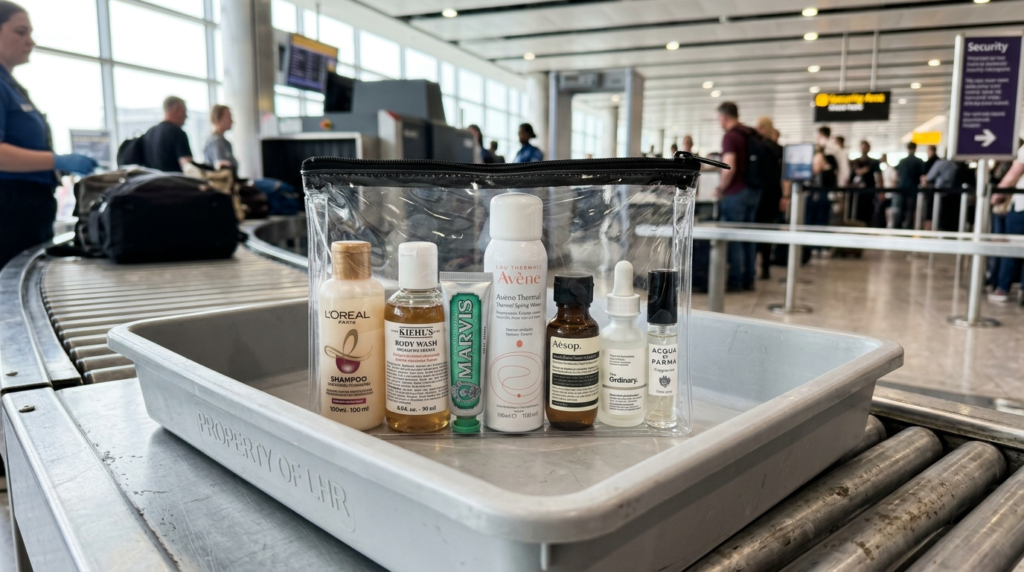
Even though the new tech may bring many changes, the standard three-point-four-ounce limitation on liquids will most probably stay the same for the time being. Most likely, the well-known quart-sized plastic bag will continue to be an essential item for travel till 2026.
The Regional Jet Reality
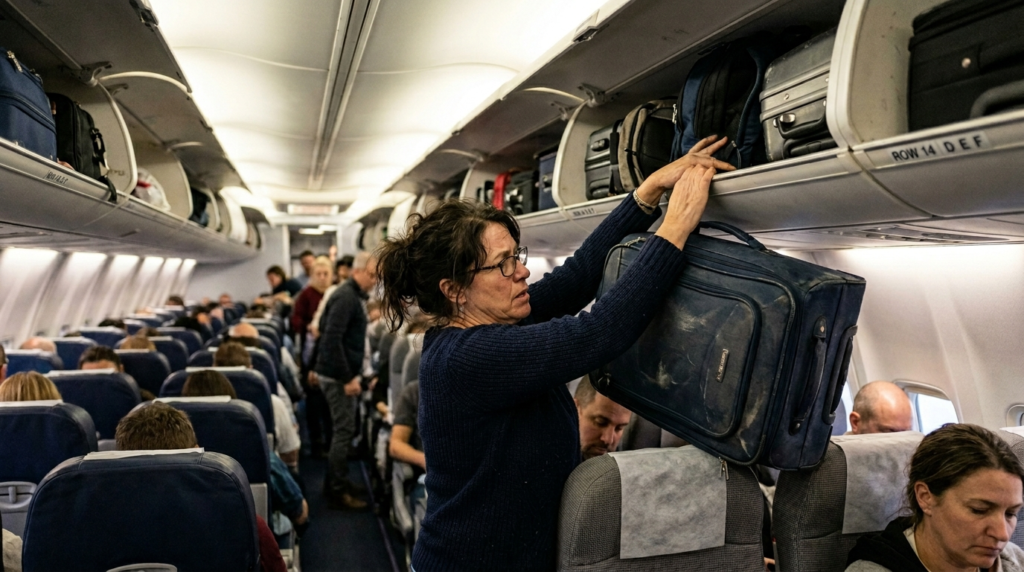
Besides the fact that small regional aircraft usually have significantly less overhead bin space compared to the larger jets that we see on long-haul flights, a bag that fits a cross-country flight may not be permitted on a shorter connection.
Weight Limits On The Horizon

Some experts say domestic flights might start charging extra for carry-ons to cut fuel costs. Right now, it’s rare, but that could change. A light bag probably helps avoid any unexpected charges later.
Digital ID Acceptance Growth
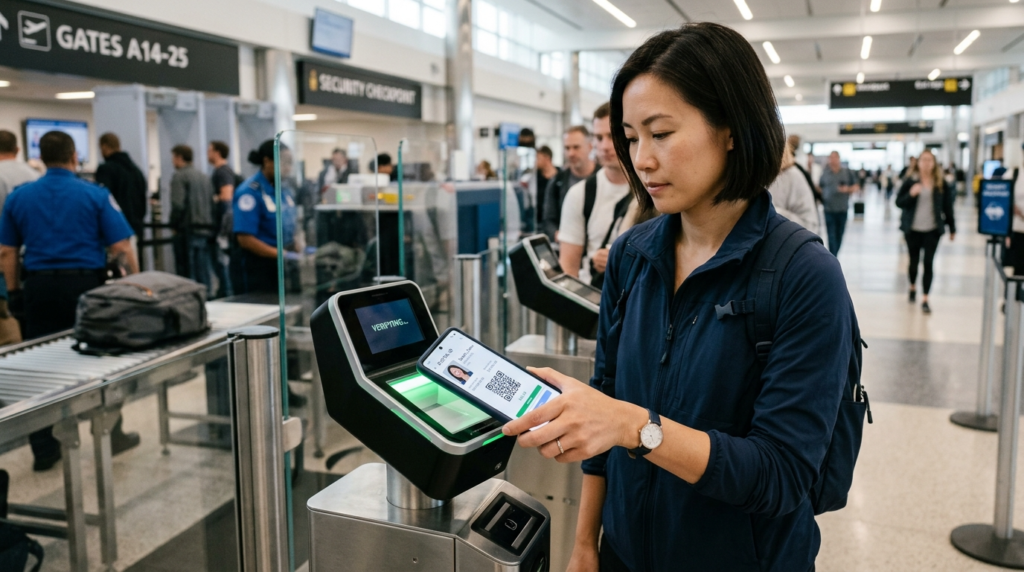
More states are rolling out digital driver’s licenses that work with TSA readers at certain airports. That means travelers who use tech might not need their wallets anymore.
The Gate Check Surprise
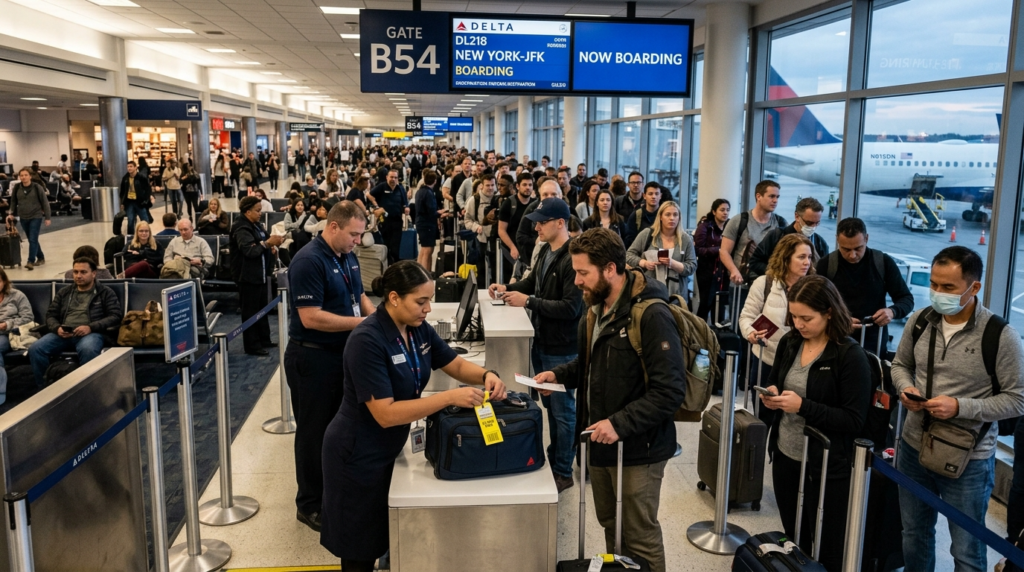
Gate check is becoming more common as bins fill up fast. If a bag exceeds the limit, they might charge you more, mainly during summer peaks.
Expandable Bag Risks
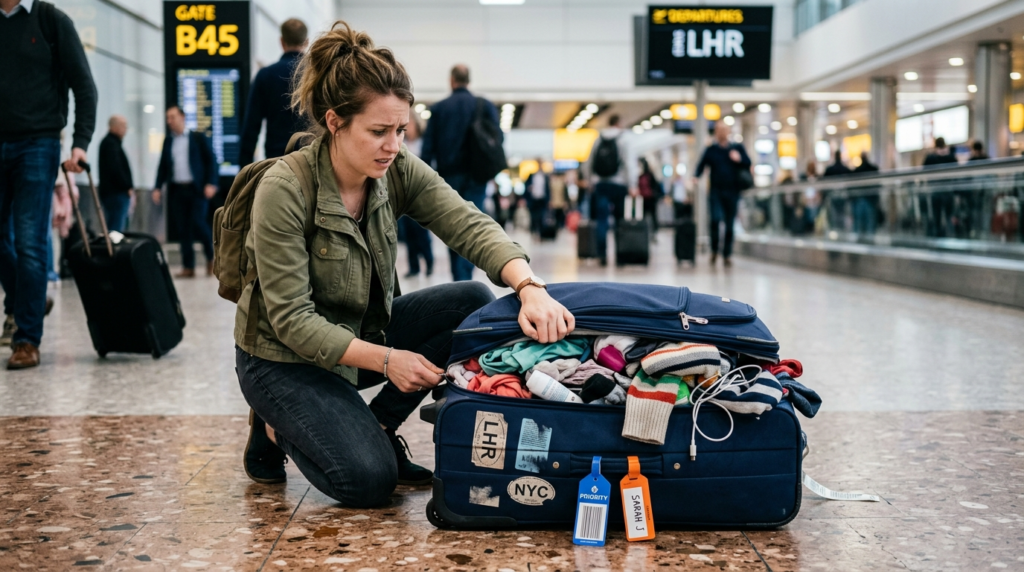
The expansion zipper on suitcases is handy for souvenirs, but it often pushes the weight over the allowed limits. During busy times, this leads to being asked to check your bag at the gate.
Medical Liquid Exemptions
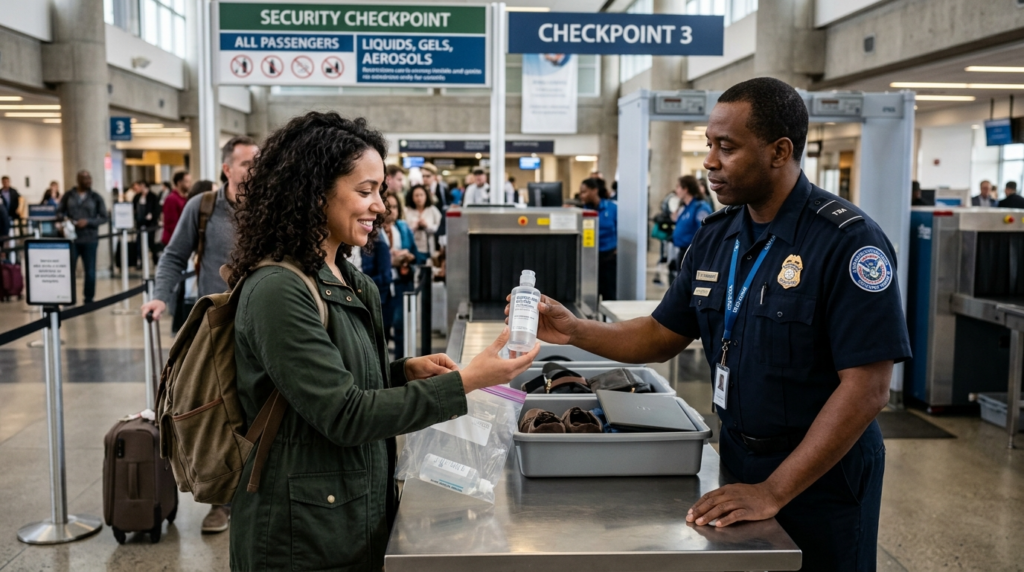
Medically needed liquids are usually allowed in bigger amounts. Telling an officer about them when traveling could save time and prevent delays at security.
Soft-Sided Versus Hard-Shell
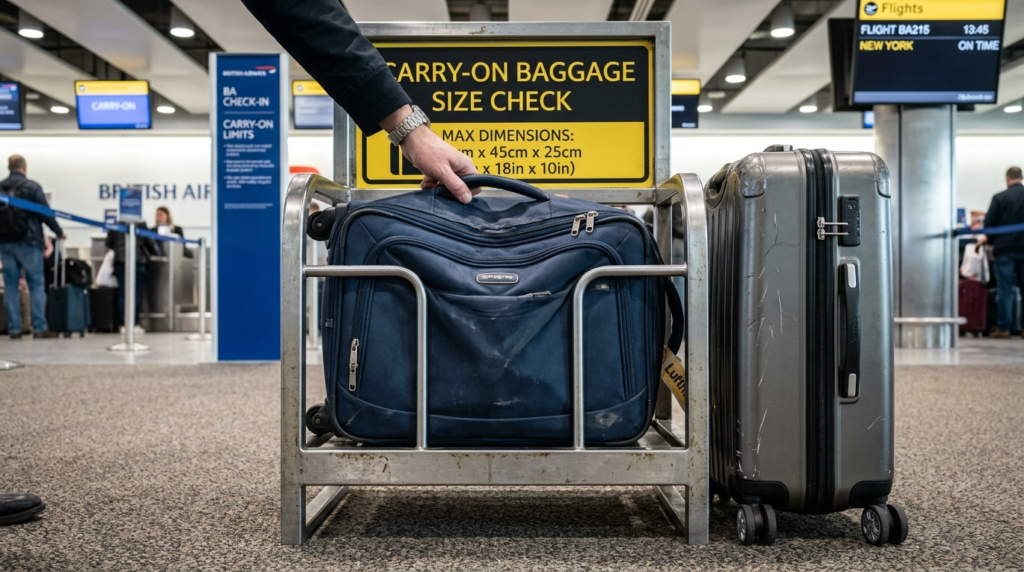
Soft-sided luggage was once the easiest to compress in metal sizers, but with the use of automated sensor systems, the amount of flexibility is now greatly reduced. In fact, a hard-shell suitcase is more likely to give you the assurance that your bag is exactly the right shape for carry-on restrictions.
The Standard Size Movement
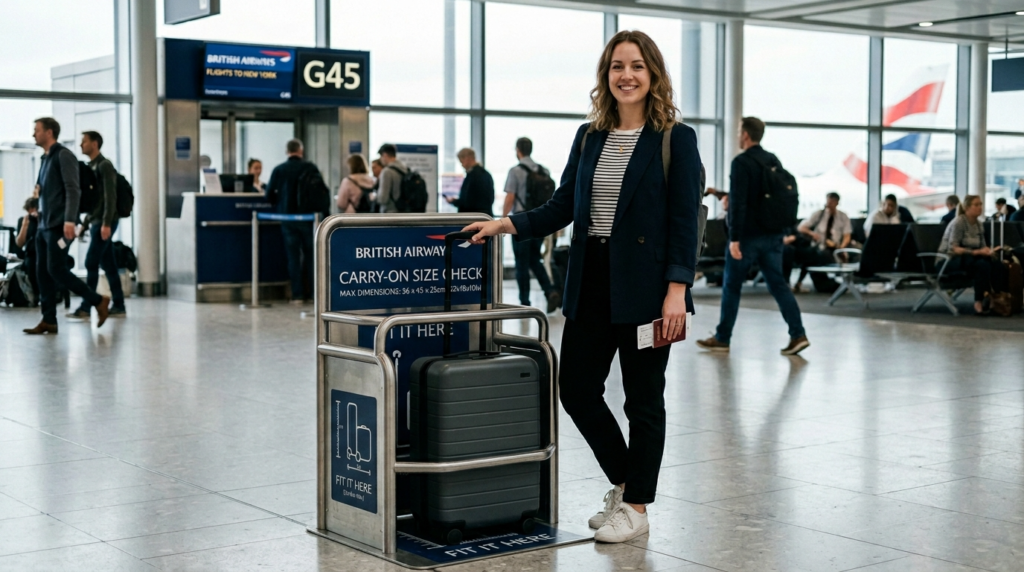
A number of airlines, as well as industry stakeholders, are beginning to champion a standard carry-on size of 22 x 14 x 9 inches. Consequently, quite a few manufacturers and retailers are already launching and advertising their new bag models as meeting these 2026 standards for the main carriers/majors.