 Sarah Grey
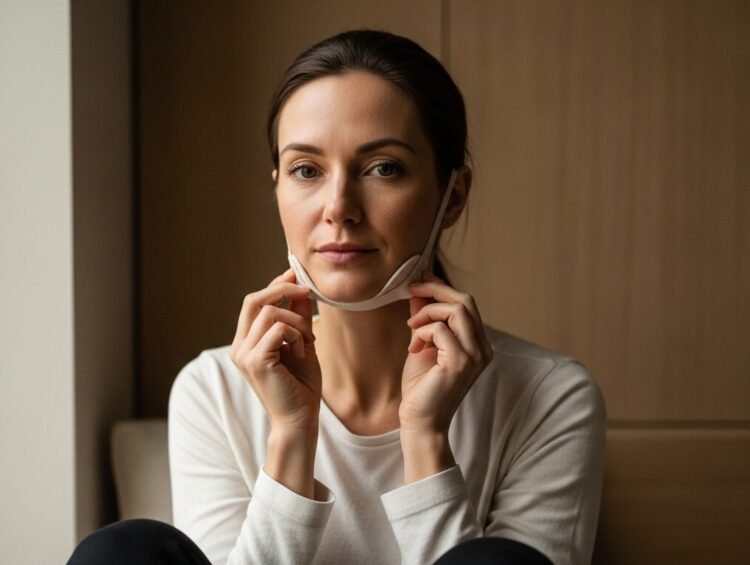
Scroll through any social feed and you will see them: chin-hugging straps promising a perfectly defined jawline in minutes. With millions of views and influencers swearing by dramatic before-and-afters, face-lifting masks have become one of beauty’s biggest viral sensations. But do they really work — or is it just clever lighting and wishful thinking?
Here is the honest breakdown of face-lifting masks: what they do, what they cannot do, and whether they are worth your money.
The Rise Of The Jawline Strap

Beauty trends move fast, and the jawline strap has become the latest obsession for anyone wanting a non-invasive sculpting boost. These V-line masks and chin lifters are being tested everywhere as people chase that snatched look from home.
The appeal is obvious: no appointments, no needles, no downtime — just strap on and wait. In a world of instant gratification, the promise of a sharper jawline in under an hour is almost irresistible. But promises and results are two different things.
How These Chin Masks Actually Function

Most of these products combine physical compression with skin-nourishing ingredients. The strap lifts the skin upward while an inner gel layer delivers moisture, cooling agents, and sometimes firming ingredients directly to the jawline area.
Think of it as a targeted sheet mask with a compression bonus. The skincare ingredients do the hydrating and soothing work; the strap adds temporary tightening and de-puffing through gentle pressure. Understanding this split is key to setting realistic expectations.
A Temporary Fix For Morning Puffiness
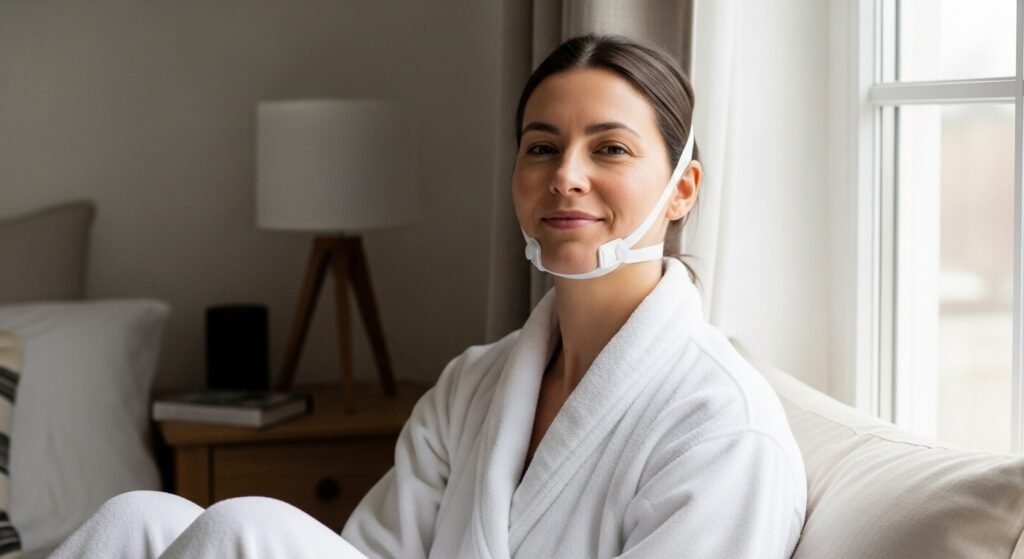
Where these masks genuinely shine is de-puffing. If you wake up with fluid settled in your lower face, compression plus cooling can produce a visibly more refreshed look — similar to what a cold compress or chilled gua sha does after a salty dinner or short night.
This is the most legitimate use case: a quick morning refresh before photos or an event. The effect is real but temporary, typically lasting a few hours. For special occasions, that is honestly enough.
The Science Of Physical Compression
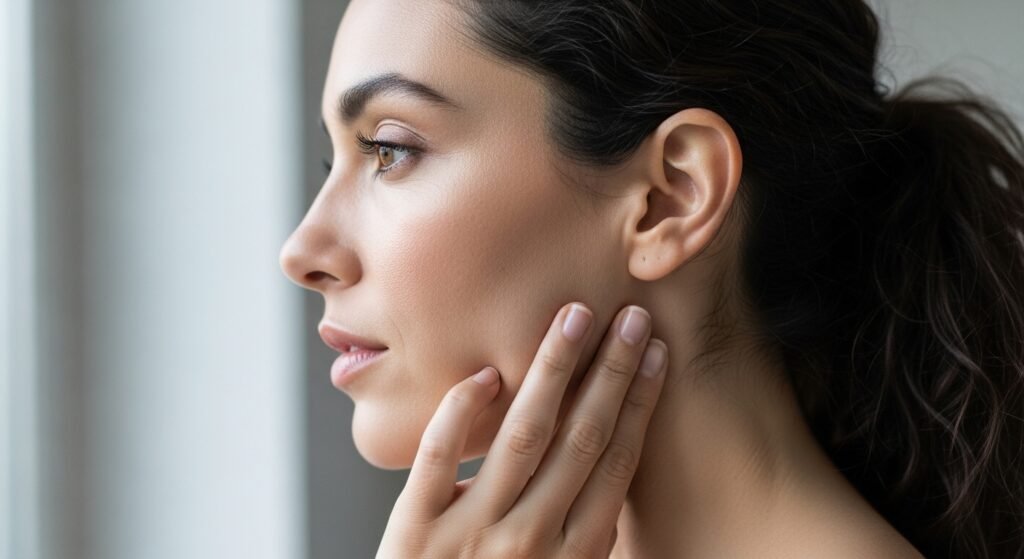
Reshaping skin with wrapping is an ancient beauty trick, but here is the hard truth: a tight strap flattens the skin while it is on, yet your underlying facial structure stays exactly the same the moment it comes off. Compression cannot move fat, tighten ligaments, or rebuild collagen.
Dermatologists are clear on this: no strap can produce lasting structural change. Any “lifting” you see is fluid displacement and skin smoothing — real, but fleeting. Lasting contour changes require professional treatments, not elastic bands.
Managing Your Daily Expectations
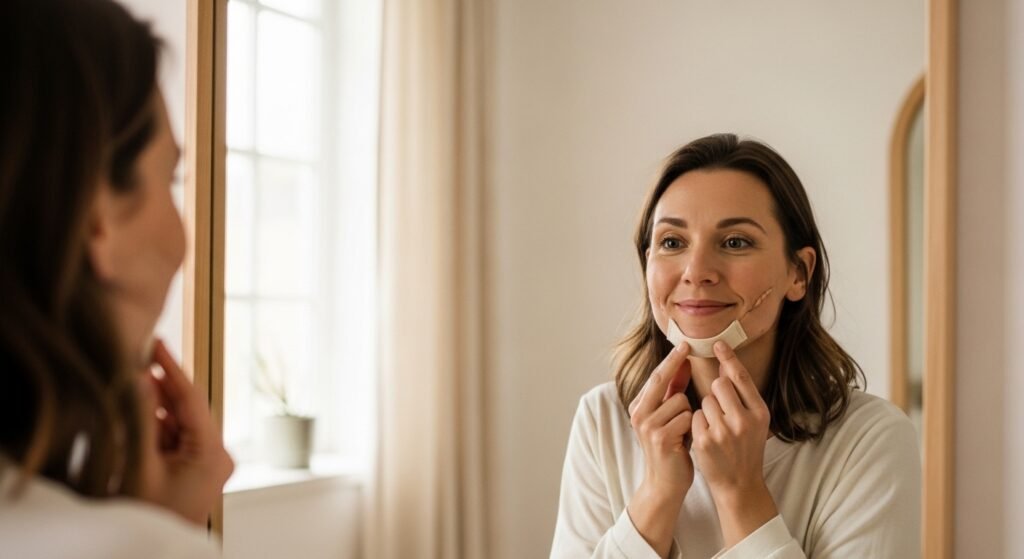
Think of these masks as a temporary pick-me-up, not a transformation. They can deliver a pleasant glow and a bit of de-puffing for a couple of hours — genuinely useful before an event — but they are not a substitute for professional treatments or consistent skincare.
The disappointment comes from expecting a facelift in a box. Enjoy the masks for what they are — a fun, affordable refresh — and you will not be let down. Expect miracles, and the only thing getting lifted is your credit card balance.
The Role Of Modern Influencer Culture
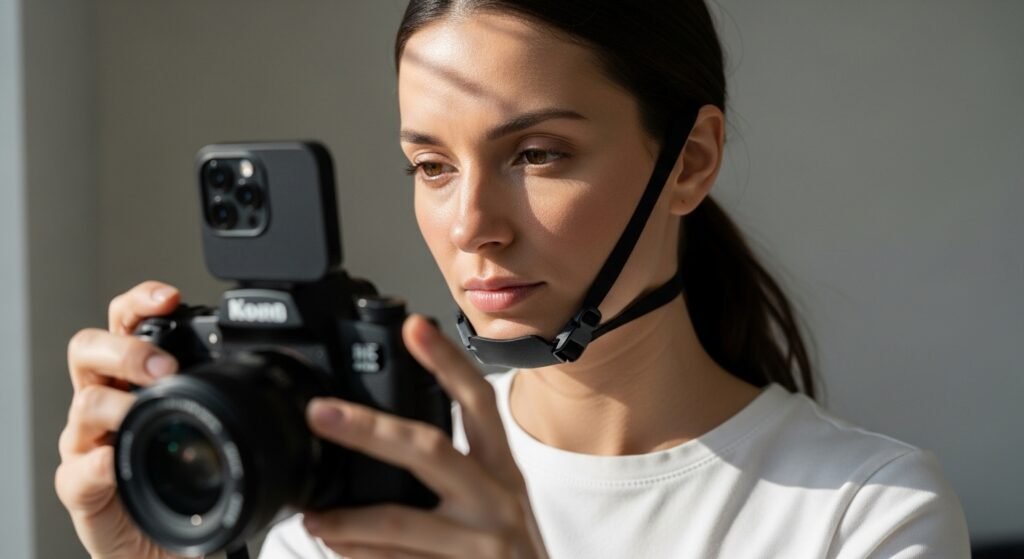
Viral videos are engineered to impress: flawless lighting, strategic angles, and clever editing can make any product look miraculous. While the masks may offer modest benefits, the on-screen drama is heavily amplified by how the content is shot and cut.
Many glowing reviews are also sponsored, which does not make them dishonest but does mean enthusiasm should be taken with a grain of salt. Look for unsponsored, long-term reviews — and photos taken in the same lighting — before deciding.
Potential For Skin Sensitivity

The adhesives and active ingredients do not agree with everyone. Some users report redness, itchiness, or breakouts along the jawline — especially those with sensitive or acne-prone skin. The combination of occlusion, fragrance, and pressure can be a lot for delicate skin.
Always patch-test on your jaw before a full application, and pay attention to how your skin feels during wear. Tingling that turns to burning means stop immediately. No temporary de-puffing is worth a week of irritation.
The Importance Of Consistency

Some brands claim results improve with regular use, attributing cumulative benefits to the ingredients or repeated compression. This is one of beauty’s favorite debates — and the evidence for lasting change from straps alone remains thin.
What consistency does reliably improve is your skincare routine itself: regular masking means regular hydration and self-care, which genuinely benefits skin over time. The ritual may matter more than the strap.
Comfort Levels While Strapped In

A tight band hooked around your chin and ears is not everyone’s idea of spa time. The sensation strikes many as strange or uncomfortably tight, which naturally limits how long anyone wants to wear it.
If you try one, start with short sessions — twenty to thirty minutes — and never sleep in a compression strap unless the product is specifically designed for it. Discomfort is your body asking you to take it off; listen.
Comparing Masks To Other Tools
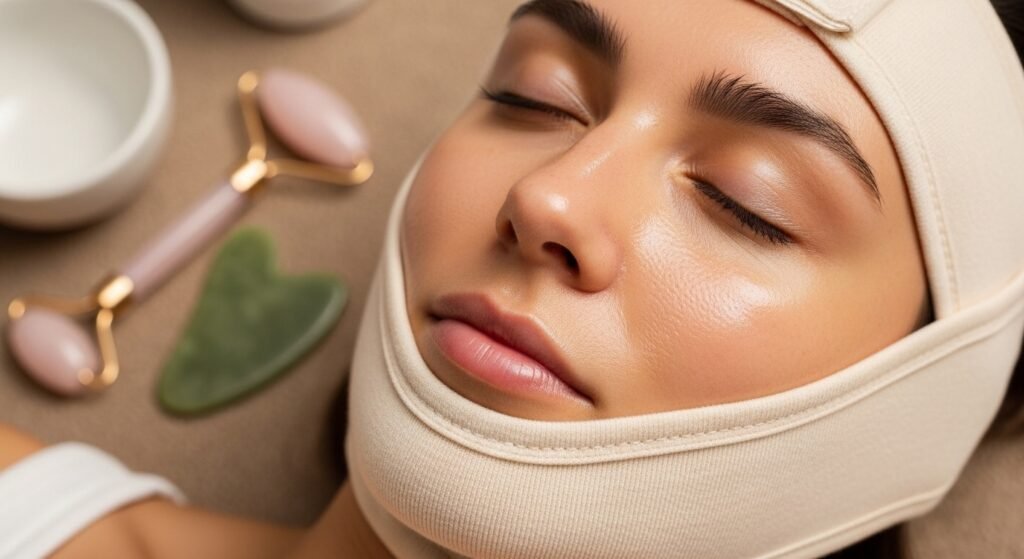
How do chin straps compare to facial rollers or gua sha stones? All target the skin’s surface, but the strap’s advantage is hands-free pressure on the jawline — you can wear it while doing other things, unlike tools that demand your active participation.
That said, gua sha and rollers offer something straps do not: lymphatic drainage technique and the meditative ritual of facial massage. Many estheticians consider skilled manual work more effective than passive compression. The best tool is the one you will actually use consistently.
What Dermatologists Actually Say
Dermatologists tend to land in the same place on these masks: harmless for most people, modestly useful for de-puffing, and incapable of producing lasting lift. They compare the effect to shapewear for your face — smoothing and temporary, not transformative.
The professional consensus is refreshingly honest: if you enjoy the ritual and the short-term refresh, go ahead. Just do not skip proven skincare — sunscreen, retinoids, moisturizer — in favor of a strap. The boring basics outperform every viral gadget over time.
Smarter Ways To Define Your Jawline
If a sharper jawline is the goal, several approaches have better evidence behind them. Consistent facial massage and gua sha can reduce puffiness over time. Staying hydrated, limiting excess salt and alcohol, and sleeping on your back all minimize morning fluid retention. Good posture — especially less time craned over a phone — genuinely improves the look of the neck and jawline.
For lasting change, professional options like radiofrequency or ultrasound treatments stimulate collagen with real clinical backing. They cost more than a strap, but unlike a strap, their results are measurable. Match the solution to how much the goal matters to you.
How To Use Them Safely
If you decide to try a face-lifting mask, a few safety basics go a long way. Start with clean, dry skin and follow the product’s timing exactly — more time does not mean more lift, it means more irritation risk. Remove the strap gently rather than yanking it off, and moisturize afterward to soothe the skin.
Never wear a compression strap over broken skin, active breakouts, or sunburn. Skip it entirely if you have TMJ issues, since pressure along the jaw can aggravate jaw pain. And wash reusable straps regularly — a dirty strap pressed against your face for an hour is a breakout waiting to happen.
Who Should Skip Them Entirely
These masks are not for everyone. People with rosacea, eczema, or highly reactive skin should steer clear — the combination of pressure, occlusion, and active ingredients is a flare-up recipe. Anyone with jaw problems, recent facial procedures, or fillers should check with their provider first.
If you are prone to contact dermatitis, scrutinize the ingredient list for common triggers like fragrance and certain adhesives. When in doubt, skip the strap and stick with gentler de-puffing methods like cold spoons or a chilled jade roller — zero risk, similar short-term payoff.
The Cost Breakdown: Worth It?
Single-use chin masks typically run a few dollars each, while reusable straps cost anywhere from fifteen to fifty dollars. Compared to professional treatments, that is pocket change — but compared to a free cold compress or facial massage, it is an ongoing expense for a temporary effect.
Do the math honestly: if you use them weekly for the de-puffing ritual you enjoy, the cost is reasonable self-care. If you are buying them hoping for a cumulative transformation, that money is better saved toward proven skincare or a professional consultation. Spend on the ritual, not the fantasy.
The Verdict: Fun, Not Foundational
So, do face-lifting masks really work? For temporary de-puffing and a pre-event refresh — yes, modestly. For lasting lift or genuine facial restructuring — no. They are a fun, affordable beauty ritual, not a replacement for skincare fundamentals or professional treatments.
Buy one if the ritual appeals to you, keep your expectations honest, and never let a viral strap distract from the unglamorous basics that actually transform skin. Your jawline — and your wallet — will thank you.
One last tip: take your own before-and-after photos in identical lighting if you try one. That honest comparison — not the influencer’s ring light — will tell you exactly what the mask does for you. Trust your own mirror over anyone’s feed.