 Sarah Grey
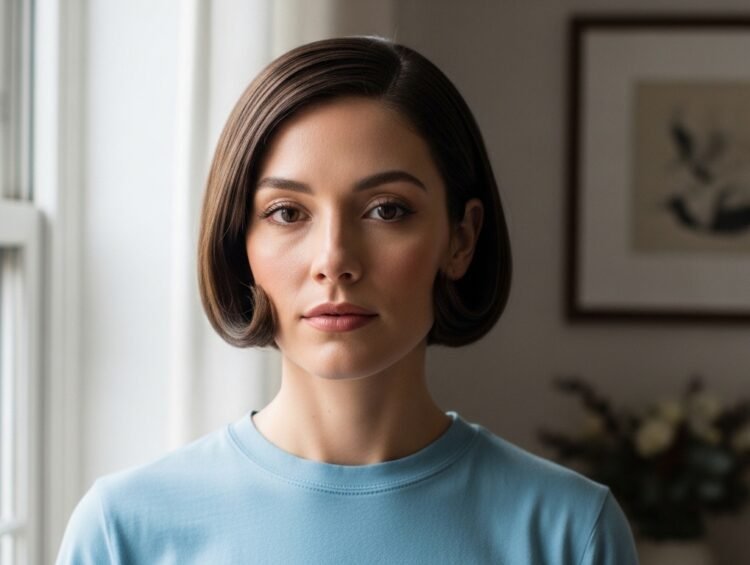
When winter finally loosens its grip and the first green appears on the trees, the urge to shed the heavy layers extends to our hair. This spring, salons are reporting a clear favorite: the pageboy bob, a retro-inspired cut with rounded edges, a soft inward curve, and an unmistakable vintage charm. After years of long, flowing waves dominating the trends, this polished throwback is appearing on streets, runways, and social media feeds with a modern, easygoing twist. It is equal parts classy and convenient, and it may be the freshest way to welcome the new season.
What makes the pageboy bob so appealing right now is its balance. It has the structure of a classic bob but the softness of a grown-out cut, the polish of vintage styling but the ease of modern wash-and-go hair. Whether you are considering a dramatic chop or simply curious about the trend, this guide covers the cut’s history, who it flatters, how to style it, and exactly what to ask for in the salon chair.
A nod to the past
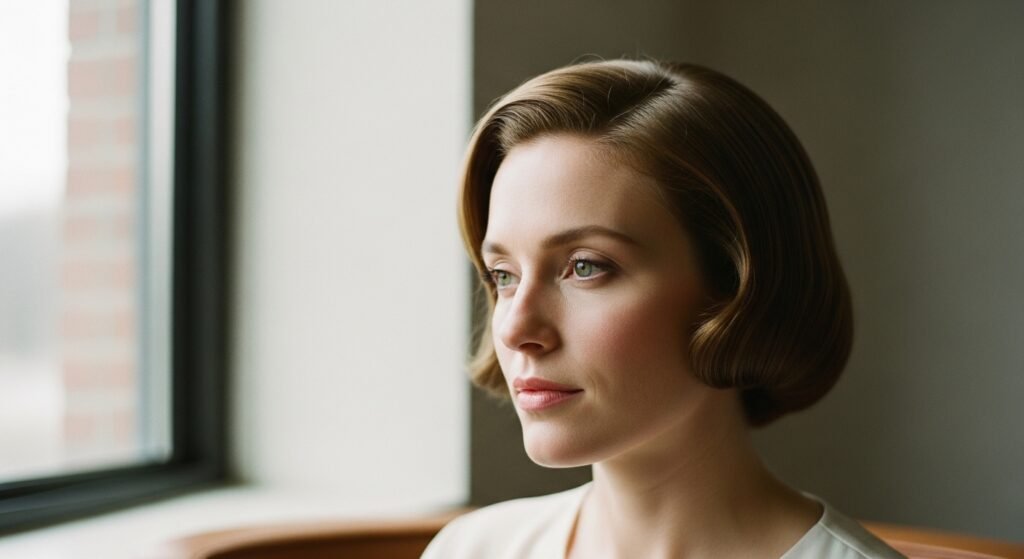
The pageboy takes its name from the hairstyle of medieval page boys, young male attendants whose hair was cut in a distinctive rounded bowl shape. The style entered women’s fashion in the early 20th century and reached its peak in the 1950s and 1960s, when stars and models wore the chin-length cut with its ends curled under and often paired with a fringe. It was neat, ladylike, and modern all at once, a perfect emblem of the post-war new look.
Today’s revival keeps the DNA, the rounded silhouette, the inward curve, the sense of polish, but softens everything. Where the original could look severe and helmet-like, the modern pageboy has textured ends, invisible layers, and movement. It is less costume, more cool-girl classic, which is why it is winning over a generation that never lived through its first heyday.
Why short hair feels right now

Spring has always been makeover season, and there is psychology behind the big chop. Shedding length after winter feels like shedding weight: hair dries faster, styles quicker, and swings freely in warmer weather. Short hair also reads as confident and decisive, a visible commitment to change. After several years of ultra-long extensions and high-maintenance lengths dominating social media, the pendulum was ready to swing back toward something crisper and more deliberate.
The pageboy bob hits the sweet spot of short-but-not-severe. It is dramatic enough to feel like a transformation but long enough to remain versatile, tuckable behind ears, pinnable for events, and growable without an awkward phase. That practicality is a large part of its current obsession status.
The magic of the rounded silhouette
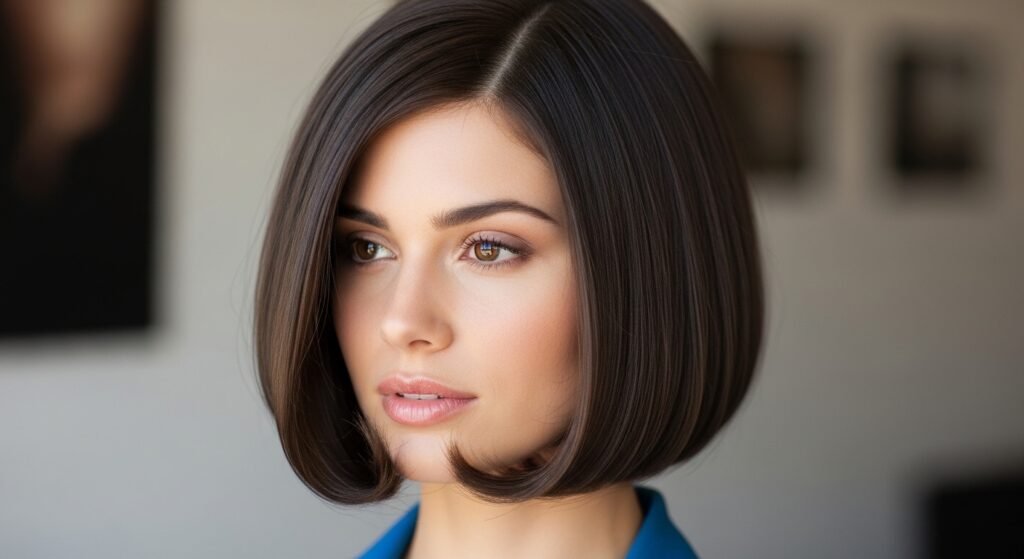
The defining feature of the pageboy is its curve. Unlike the sharp, architectural lines of a blunt bob or the shattered ends of a shag, the pageboy turns under in a continuous rounded line that frames the jaw. This curvature is created through a combination of cutting technique, the perimeter is cut to encourage the under-turn, and styling, usually a round brush and blow-dryer directing the ends inward.
The effect is softness with structure. The rounded shape flatters the face by echoing its natural contours rather than fighting them, and the inward movement creates the illusion of volume and bounce. It is a silhouette that looks deliberate from every angle, which is why it photographs so beautifully.
Pageboy versus other bobs: know the difference
Bob terminology gets confusing, so here is the field guide. The classic blunt bob is one length with sharp, straight ends and no curve. The French bob is shorter, cheekbone-grazing, often with bangs and a slightly tousled finish. The lob is simply a long bob hitting the collarbone. The pageboy sits between the French bob and the classic bob in length, usually chin to just below, and its signature is the rounded, turned-under perimeter, often with a fringe. If the ends flip under in a smooth curve rather than hanging straight, you are looking at a pageboy.
Knowing the difference matters when you sit in the salon chair. Bring reference photos and use the word “pageboy” alongside descriptions like “rounded under” and “soft curve” so your stylist understands you want the vintage-inspired shape, not a blunt or textured bob.
Versatility across different hair textures
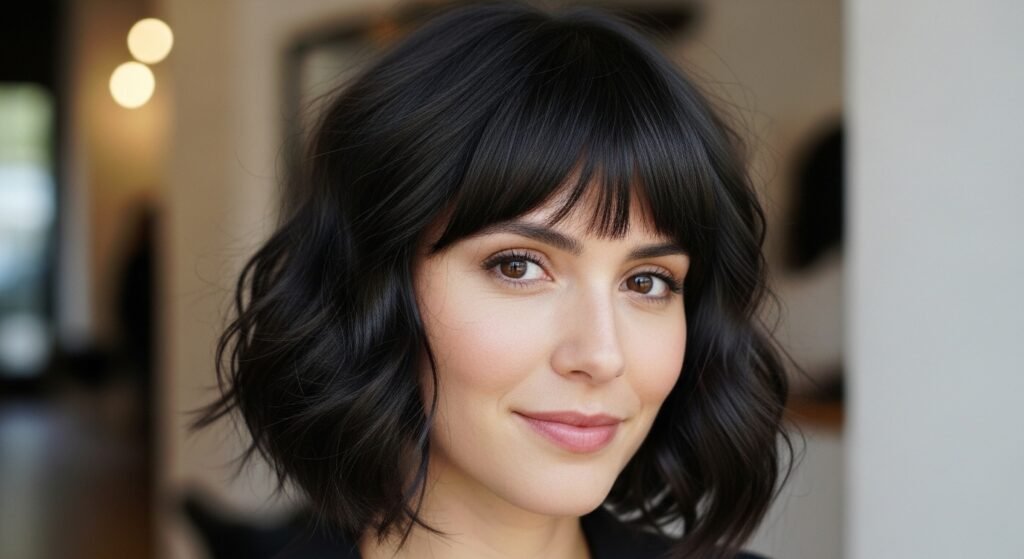
One of the happiest surprises of the pageboy revival is how well it adapts to texture. On straight hair, it delivers the sleek, polished curve of the classic reference photos. On wavy hair, the natural bend enhances the rounded shape, giving an effortless, modern result with minimal styling. On curly hair, a skilled stylist can shape a rounded curly bob that captures the pageboy spirit with volume and bounce, though it requires a cut designed for curl patterns rather than a straight-hair template.
Fine hair benefits enormously: the rounded perimeter makes ends look thicker, and the shape creates volume that fine hair often lacks. Thick hair needs internal layering to prevent the dreaded triangle shape, but once properly thinned and shaped, it holds the curve beautifully. The key in every case is a stylist who cuts for your specific texture rather than forcing one template onto all hair.
Finding the right length for your face shape
The pageboy is adaptable, but length placement makes all the difference. For round faces, a slightly longer version that hits just below the chin elongates, especially with a side-swept fringe that breaks up width. For square faces, softness is everything: chin-length curves and wispy bangs soften strong jawlines. Oval faces can wear nearly any variation, while heart-shaped faces balance a narrower chin with volume at the jawline, exactly what the pageboy’s curve provides.
A good stylist will assess your face shape, hairline, and neck length before cutting. The consultation matters more than the trend photo: the right pageboy is customized, not copied.
Low-maintenance morning routines
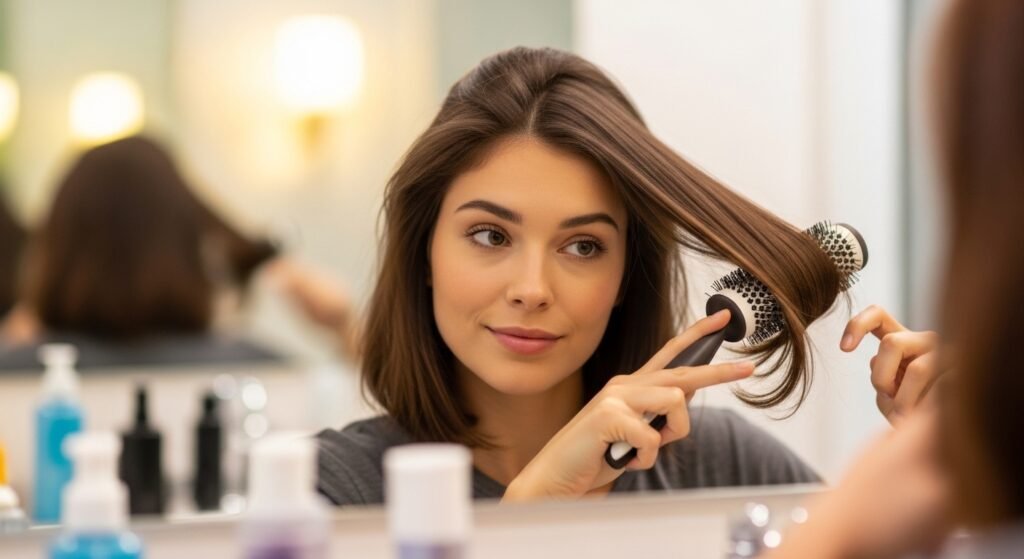
For a cut with such a polished reputation, the pageboy is refreshingly easy to live with. The signature curve can be revived in minutes: a quick pass with a round brush and blow-dryer, directing ends under, restores the shape. On second days, many wearers find the cut falls into place with just a spritz of water or a touch of smoothing cream. Large hot rollers or a velcro roller set for ten minutes while you do makeup will also recreate the bend with almost no effort.
The real time savings come from the basics: less hair to wash, dry, and detangle every single day. Most pageboy wearers report cutting their styling time significantly compared to long hair, which is a large part of why the cut feels so liberating.
Framing the features perfectly
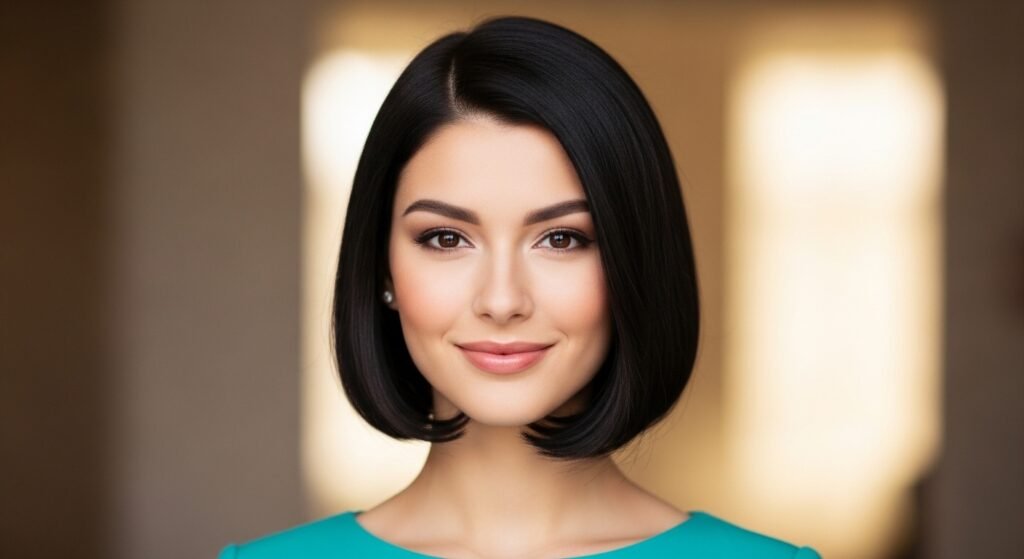
Striking at or just below the chin, the pageboy does something remarkable for the face: it spotlights the cheekbones, jawline, and neck. Earrings get their moment, the neck looks longer, and the whole face appears lifted. Makeup artists love the cut because it creates a natural frame that draws the eye to the eyes and cheekbones, which is why the pageboy pairs so well with a bold lip or defined brow.
This face-framing quality also makes the cut ideal for showcasing accessories. Statement earrings, scarves, and necklaces all gain visibility when hair sits above the shoulder. If you love jewelry, the pageboy is your cut’s best friend.
The influence of vintage cinema
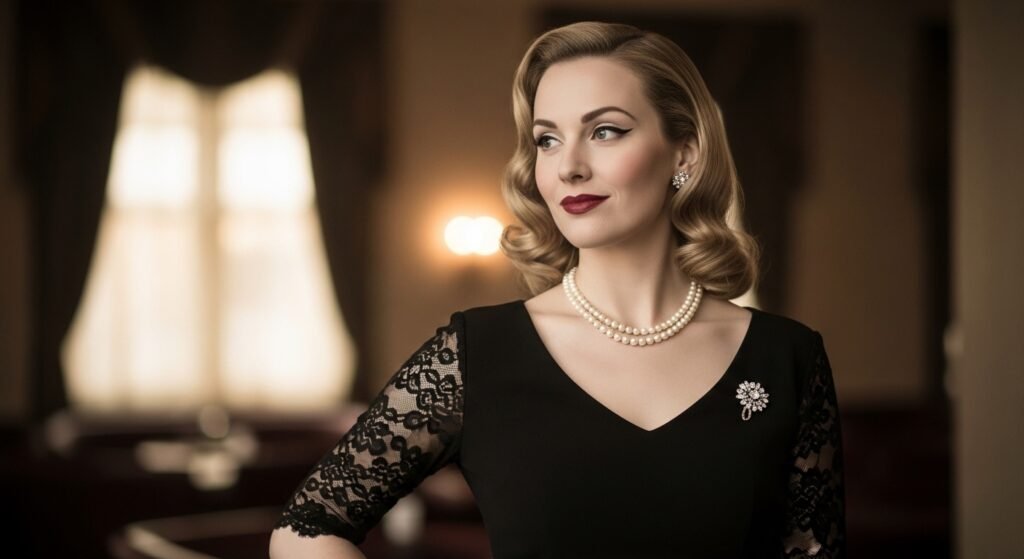
So much of the pageboy’s current appeal is cinematic. The cut evokes mid-century starlets, French New Wave heroines, and the polished heroines of classic Hollywood, women who looked effortlessly put-together. That association gives the style an instant sophistication: wearing it feels like stepping into a film still, with all the confidence that implies.
This vintage current also explains the cut’s popularity for events. A pageboy styled sleek and glossy reads as evening-ready with almost no additional effort, which is why it keeps appearing on red carpets alongside the street-style versions.
Subtle layers create secret volume
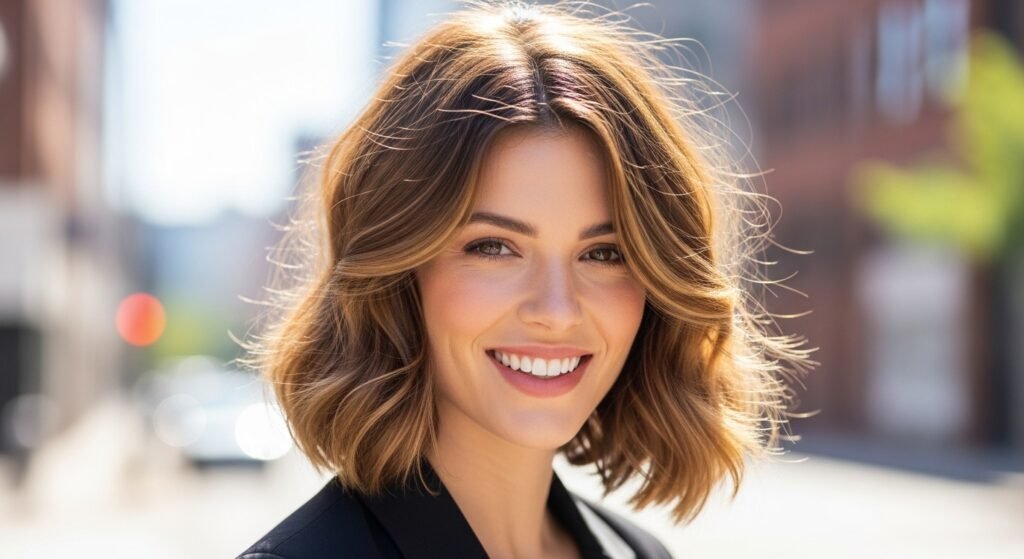
The modern pageboy’s secret weapon is invisible layering. Where the vintage version could look heavy and solid, today’s cut hides soft internal layers that remove weight, encourage the under-turn, and create movement. The surface stays smooth and curved while the interior does the structural work, which keeps the style light, bouncy, and full of air throughout the day.
This is also what separates a great pageboy from a mediocre one. Ask your stylist about internal layering or invisible layers specifically; it is the difference between a cut that swings and one that sits.
Playing with different fringe options
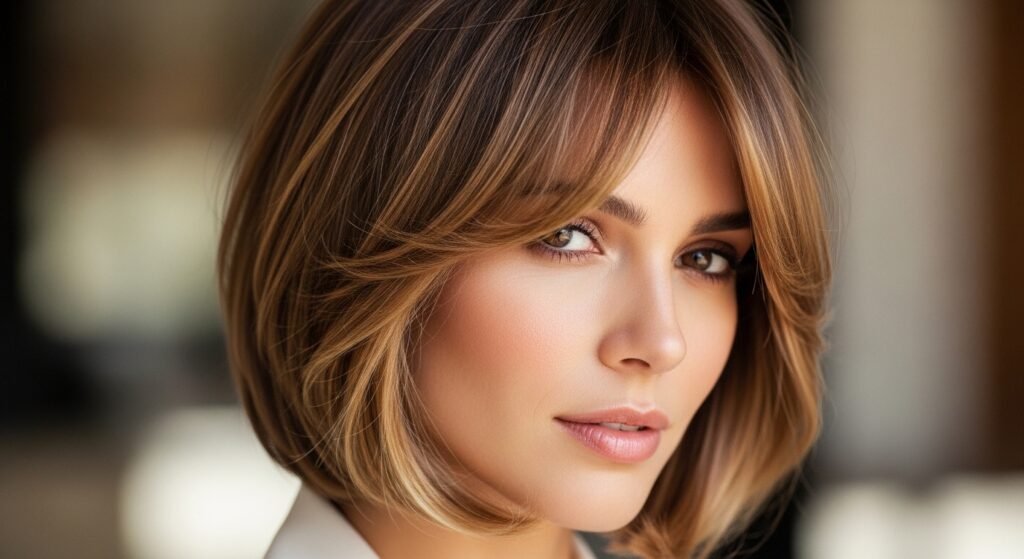
Bangs transform the pageboy’s personality completely. A heavy, straight-across fringe delivers the full retro statement, bold, graphic, and unmistakably vintage. A soft, wispy fringe keeps things romantic and modern. Curtain bangs that blend into the sides create the most versatile option, framing the face while growing out gracefully. Micro-bangs offer an edgier, fashion-forward take for the brave.
No fringe at all is equally valid: a side part with the front tucked behind one ear gives a sleeker, more minimal interpretation. Discuss your forehead, hairline, and styling patience with your stylist, since bangs demand more frequent trims than the rest of the cut.
Color ideas that elevate the cut
The pageboy’s clean lines make it a perfect canvas for color. A rich, single-process shade, glossy espresso, deep copper, or platinum, emphasizes the cut’s graphic quality and shine. Subtle dimension through balayage or soft highlights adds movement to the curve, catching light as the hair swings. For the adventurous, the rounded shape shows off vivid colors beautifully, since the smooth surface displays tone evenly.
Whatever the color, shine is non-negotiable for this cut. Glossing treatments, shine serums, and regular trims keep the pageboy looking expensive. The style’s entire effect depends on healthy, reflective hair.
Adapting to the office and beyond
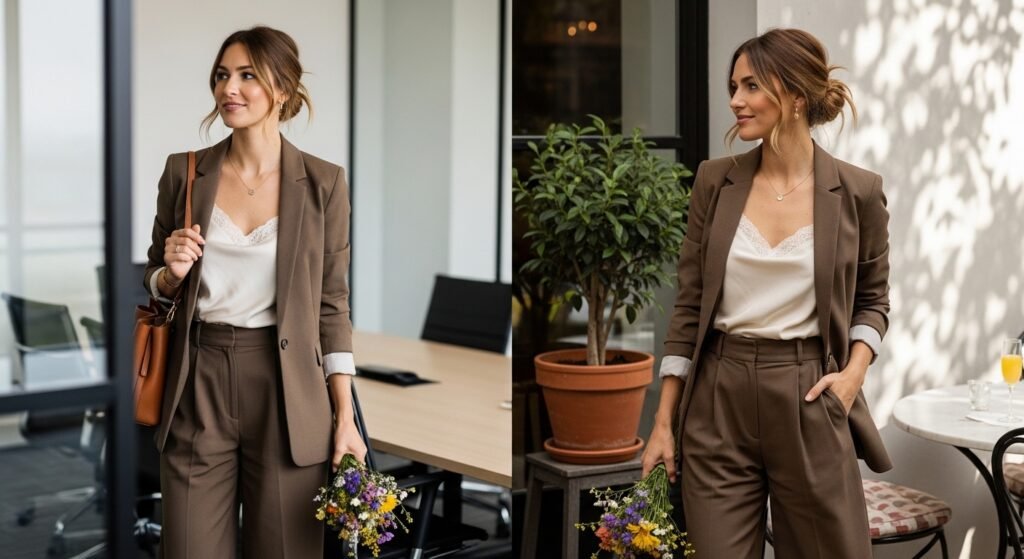
The pageboy moves effortlessly from professional to personal. For the office, it reads as polished and intentional with minimal effort, the rare cut that looks styled even when you have done almost nothing. For evenings, a deeper side part, a little extra shine serum, and perhaps a decorative clip transform it into event hair. For weekends, air-drying with a touch of texture cream gives a relaxed, modern version.
This chameleon quality is the cut’s superpower. One haircut, three personalities, zero extra appointments. It is no wonder busy women are obsessed.
Healthy hair takes center stage
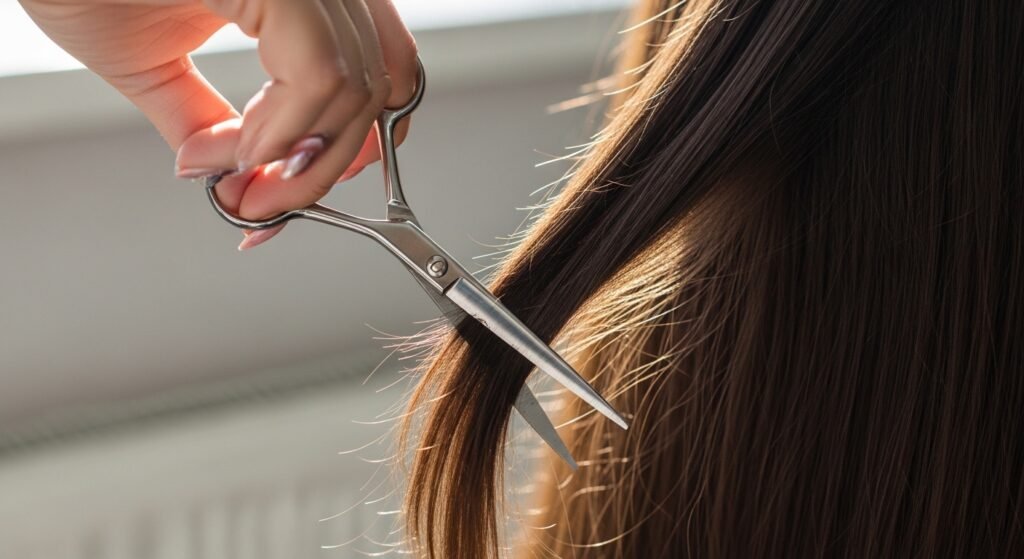
Chopping to a bob is also a health reset. Removing dry, split ends left over from winter instantly makes hair look shinier, thicker, and brighter. Shorter hair suffers less mechanical damage from daily styling, and regular trims every six to eight weeks keep the shape sharp and the ends fresh. Many women find their hair’s condition transforms within months of going short.
Support the cut with the right care: a sulfate-free shampoo, a lightweight conditioner that will not weigh down the curve, and a heat protectant whenever you blow-dry. Healthy hair is the entire foundation of this style’s appeal.
What to ask for in the salon chair
Ready to take the plunge? Bring multiple reference photos showing the exact curve and length you want, from the front and the side. Ask for a chin-to-jaw-length cut with a rounded, turned-under perimeter, invisible internal layers for movement, and a fringe plan that suits your face. Discuss how you actually style your hair daily so the cut matches your real routine, not an idealized one. And book the follow-up trim before you leave: the pageboy’s precision is what makes it sing, and six to eight weeks keeps it perfect.
Spring’s biggest hair obsession earned its title by being many things at once: retro and modern, polished and easy, dramatic and wearable. The pageboy bob is proof that the most exciting trends are sometimes the ones we have seen before, returned with a fresh eye and a lighter hand. If you have been waiting for a sign to make the chop, this is it.