 Sarah Grey
We have all stood before a closet bursting with bright patterns and neon experiments and wondered how getting dressed became so complicated. Lately, the fashion world has been breathing a collective sigh of relief, pulled back toward something grounded and sure. Everyone seems to be searching for the balance between “I tried too hard” and “I didn’t try at all.” Enter khaki: the raw, earthy tone stepping into the frame. While eye-grabbing corals and tech-influenced silvers grab the early headlines, 2026 is shaping up as the year we find comfort in the most dependable shade of all.
Khaki’s rise is not about boring beige; it is about a cultural craving for calm, versatility, and authenticity. From runways to sidewalks, the color is proving it can do everything louder shades can, with more staying power. Here is why khaki is taking over 2026, and how to wear it well.
The Return Of The New Neutral
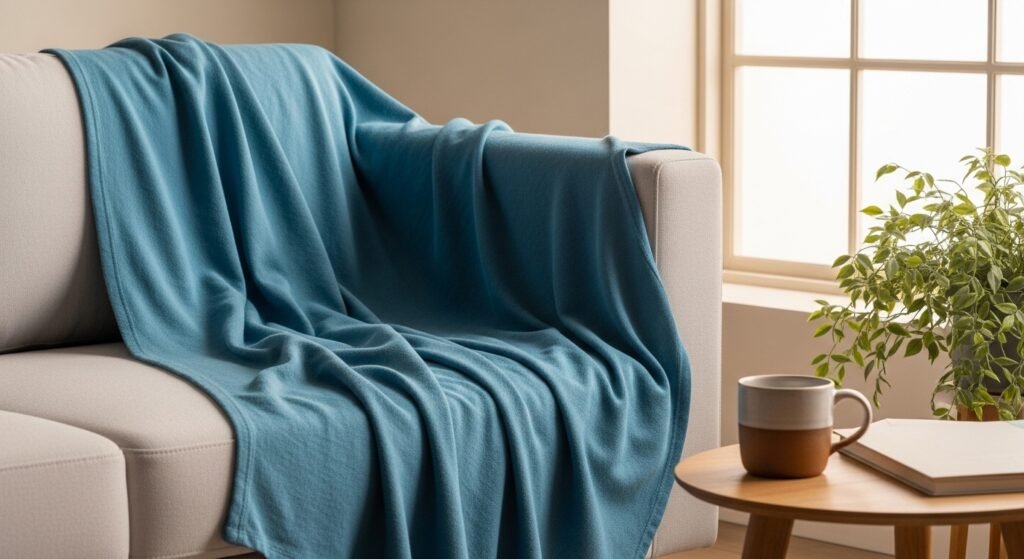
It might look like a color we have seen a thousand times, but this khaki moment carries a new vitality. The shade is shifting away from its stiff office associations toward something more relaxed and deliberate. Designers are cutting it in softer silhouettes, washing it for lived-in texture, and pairing it with unexpected partners. The result feels fresh rather than familiar: a neutral with a point of view.
Neutrals cycle in and out of favor, but khaki’s return feels different because it answers a specific moment. After years of dopamine brights and maximalist prints, the collective eye is tired. Khaki offers rest without retreat, a color that says you have nothing to prove and everything under control. That quiet confidence is exactly the 2026 mood.
Versatility Beyond The Office
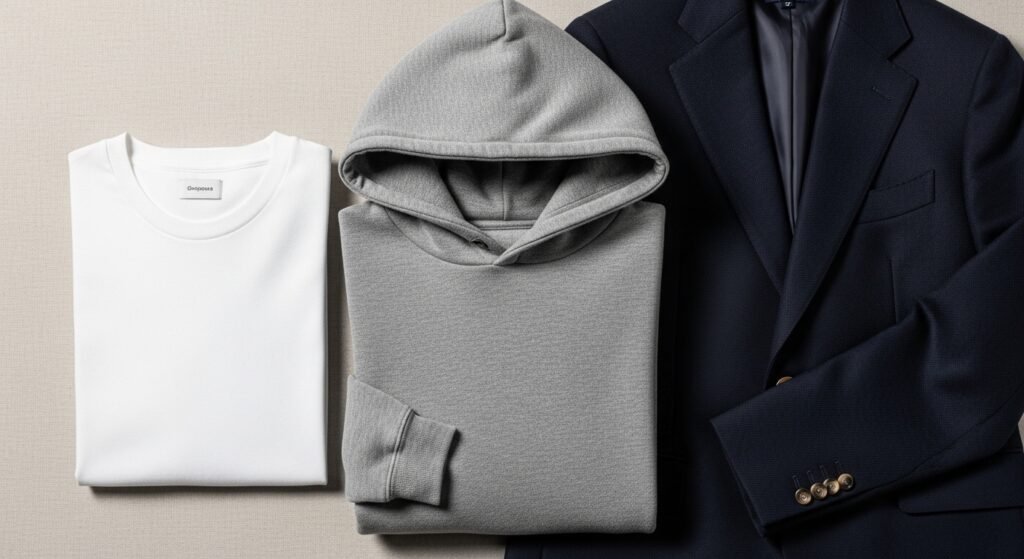
Khaki may have built its reputation in Monday morning meetings, but it is proving to be a weekend hero as well. The same tone that anchors a tailored blazer looks equally at home with a white T-shirt and sneakers, with denim, with linen, with leather. Few colors move so effortlessly across the formality spectrum, which makes khaki the hardest-working shade in the closet.
This versatility is also practical economics. A khaki trench, trouser, or overshirt multiplies the outfits already in your wardrobe, bridging pieces that never used to speak to each other. In an era of thoughtful consumption, a color that makes everything you own more wearable is worth its weight in gold, or rather, in sand.
A Natural Connection To Earth
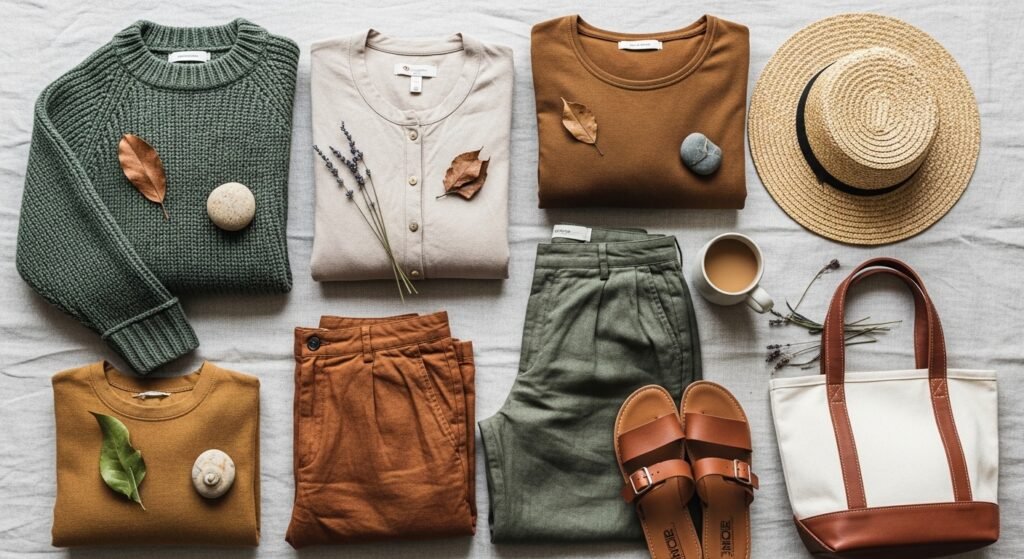
There is something deeply soothing about wearing colors drawn from nature. Khaki’s earthy warmth, the shade of sand, stone, dry grass, and desert light, offers a visual exhale in a screen-saturated world. As digital life grows louder, the appeal of the organic and grounded only intensifies. Khaki is the color equivalent of stepping outside.
This natural resonance also explains khaki’s emotional register. It reads as honest, stable, and unpretentious, qualities people are craving in both clothes and culture. Wearing it feels like a small alignment with the real world, a reminder that some things, like earth and sky, do not need an update.
The Influence Of Utilitarian Design
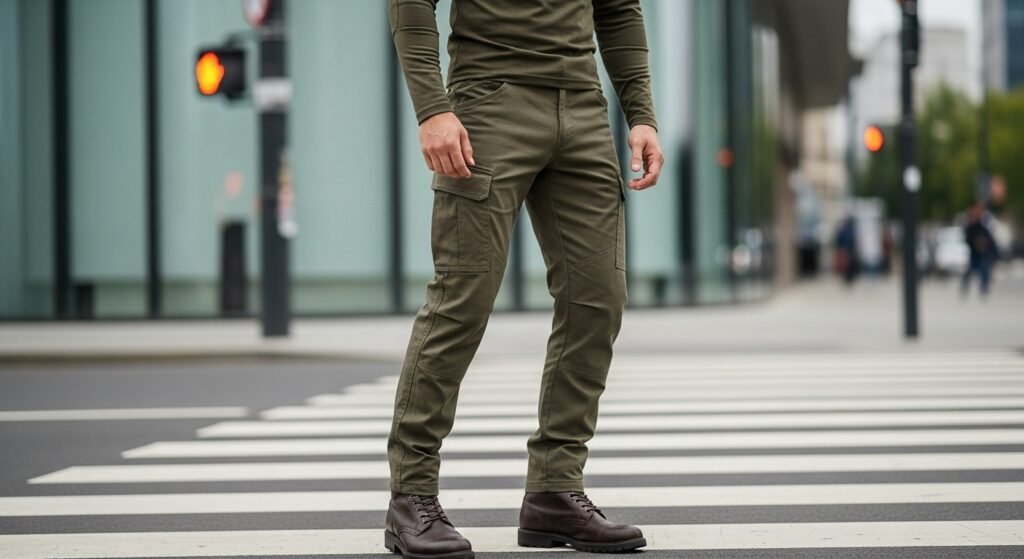
Practicality has become a genuine fashion value, and khaki is its flagship color. Think cargo pockets, sturdy twills, ripstop fabrics, and silhouettes built for movement. The utilitarian wave, from workwear jackets to field trousers, gave khaki a rugged new context, and the color repaid the favor by making function look refined.
The beauty of the utilitarian influence is that it democratized the shade. Khaki no longer belongs to any single tribe; it belongs to anyone who values clothes that work as hard as they do. Pockets, durability, comfort: khaki carries all of it without sacrificing an ounce of style.
High Fashion Meets Everyman Style
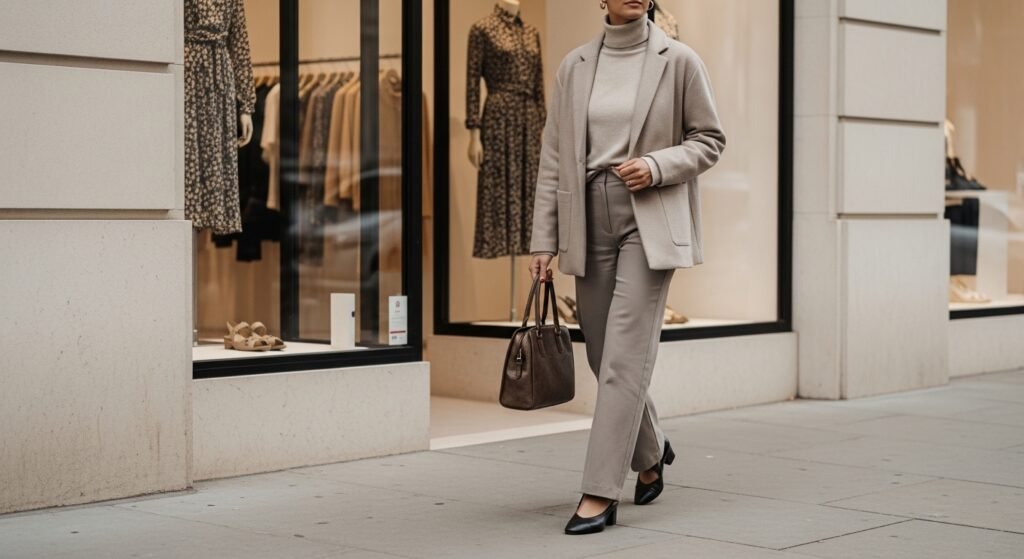
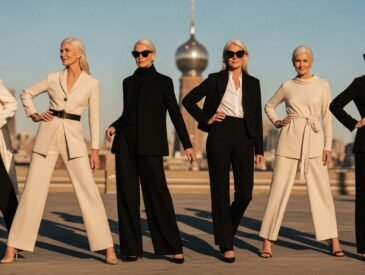
Luxury runways are finally speaking the same language as the rest of us. Major designers are showing khaki in forms that would look as natural in a grocery aisle as under Paris lights: oversized field jackets, fluid wide-leg trousers, impeccably cut shirt dresses. The high-low convergence gives the color a rare cultural fluency.
When couture and the high street agree on a color, the trend has real legs. Khaki’s runway endorsement does not make it precious; it makes it validated. You can wear the five-dollar thrifted version or the five-hundred-dollar designer one, and both read as completely current.
Why It Complements Every Skin Tone
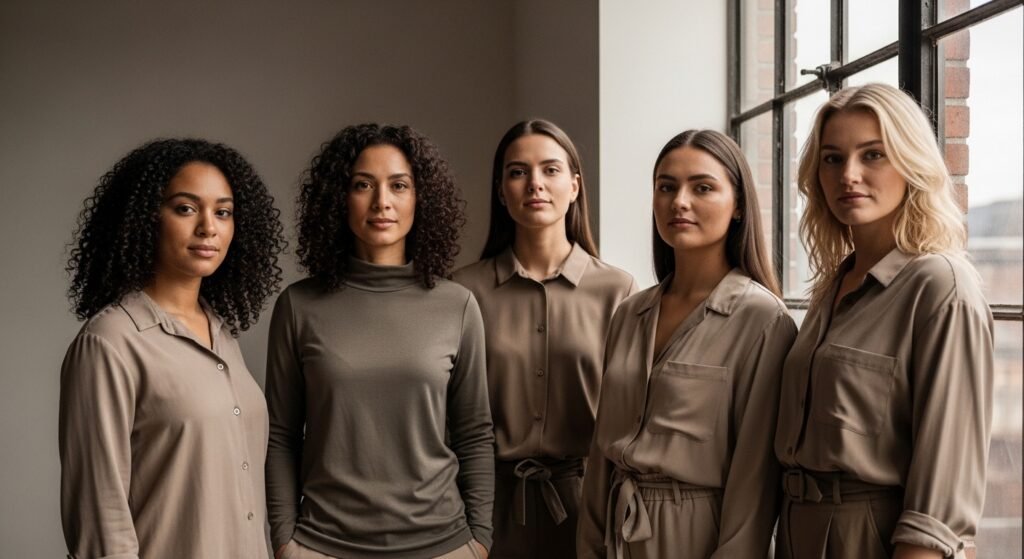
Khaki’s greatest democratic trait is its range. From pale sand to deep olive-tinged bronze, the khaki family spans warm and cool, light and deep, offering a flattering shade for every complexion. Unlike stark black or optic white, which can be demanding near the face, khaki’s muted warmth tends to illuminate rather than overpower.
Finding your khaki is simple: cooler complexions glow in greige-leaning khakis, warmer complexions in golden ones, and deeper skin tones can carry the richest, darkest versions beautifully. A color trend that genuinely includes everyone is a trend worth embracing.
Sustainability And Timeless Appeal
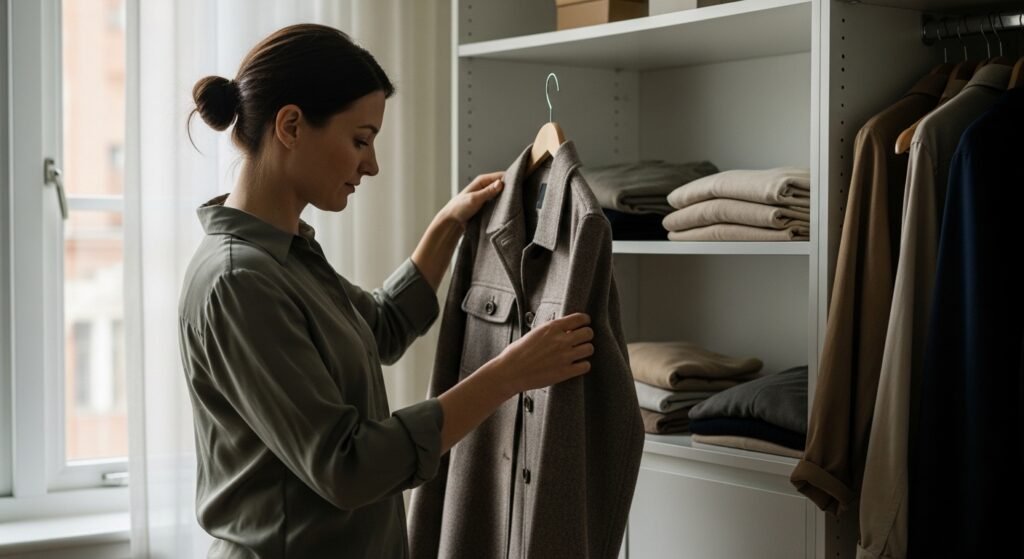
In a fast-fashion world, choosing a color with a long lifespan is a smart act of resistance. Khaki does not expire with the season; a well-made khaki jacket looks as right in five years as it does today. Investing in timeless tones means fewer replacements, less waste, and a wardrobe that improves with age rather than dating itself.
The sustainability angle runs deeper than longevity. Khaki’s natural dyes and undyed variants align with the move toward lower-impact textiles, and its military-surplus heritage gives secondhand khaki an authentic patina no new garment can fake. The most sustainable khaki is the one already in circulation.
The Perfect Backdrop For Bold Accents
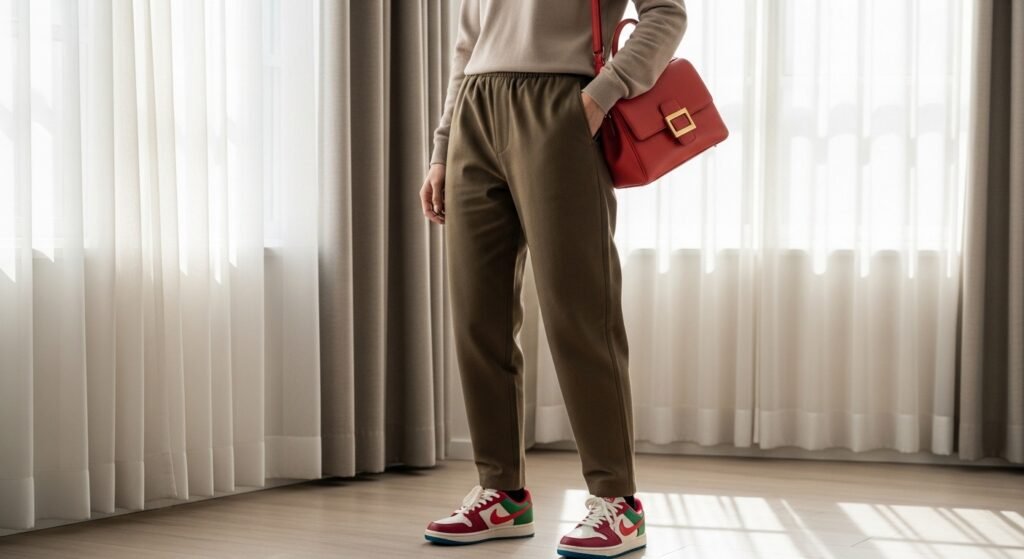
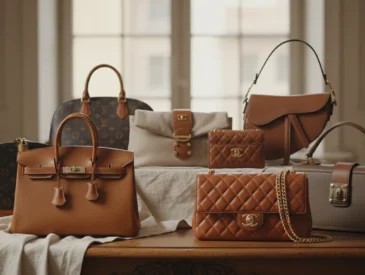
Think of khaki as the ultimate supporting actor. Its quiet confidence creates the ideal backdrop for a bright red handbag, electric blue sneakers, or a bold printed scarf to truly shine. Where a louder base would compete, khaki recedes just enough to let your statement pieces do the talking.
This makes khaki the strategist’s color. Build the foundation in khaki, then rotate accents by mood, season, or whim. It is the easiest way to look intentional without overthinking, and it keeps even the boldest accessories feeling grounded and chic.
Gender Neutrality In Modern Closets
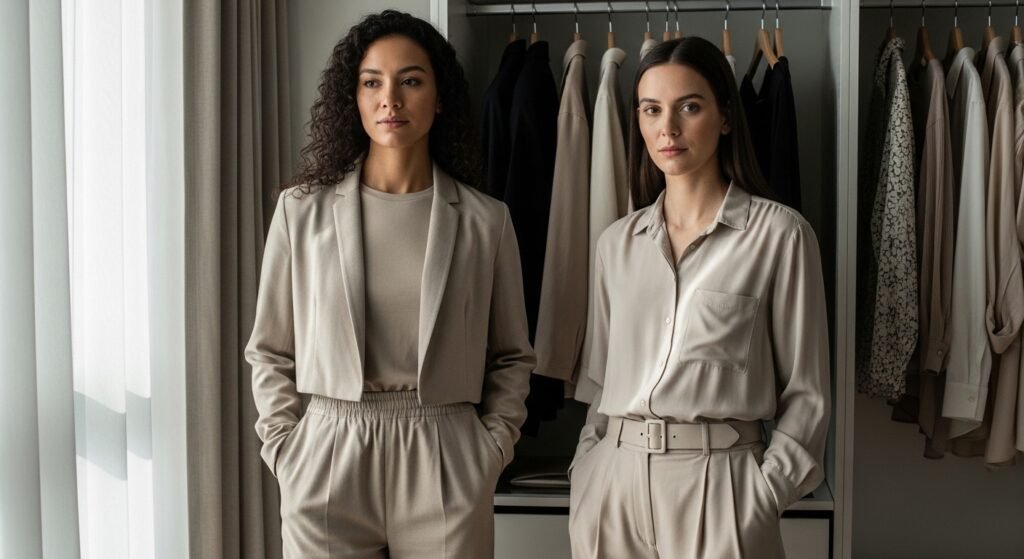
As fashion’s gender boundaries dissolve, khaki sits comfortably in the middle. It carries no stereotypical baggage, moving freely between menswear, womenswear, and the growing universe of unisex design. Shared wardrobes, borrowed-from-anyone silhouettes, and gender-neutral collections all find a natural home in this earthy palette.
The neutrality is philosophical as well as aesthetic. Khaki does not perform femininity or masculinity; it simply performs ease. In a culture rethinking every old binary, a color that refuses to pick a side feels like the future.
Transitioning Through The Four Seasons
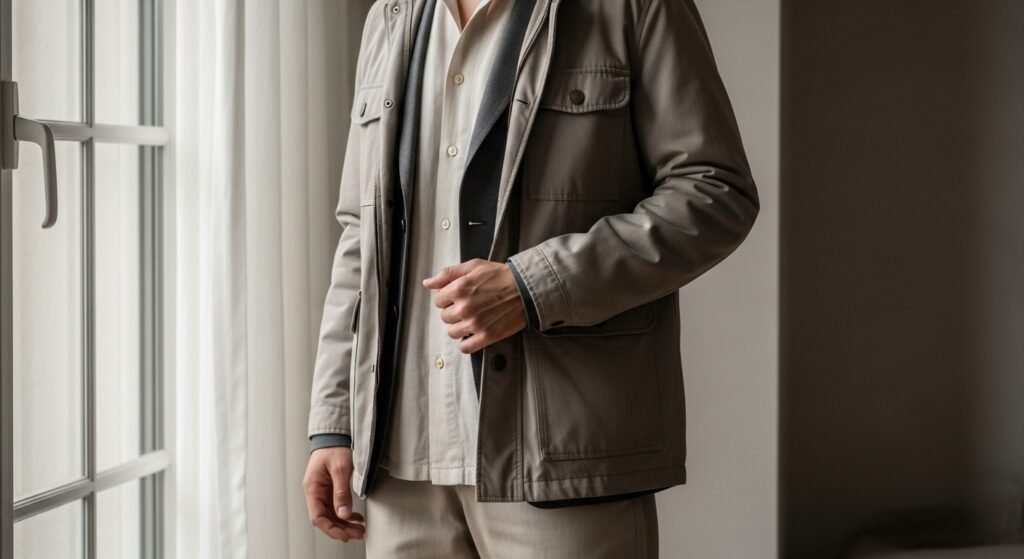
Many colors get trapped in a season, but khaki travels through all four with ease. It is light enough for a spring afternoon in linen, warm enough for summer evenings, rich enough to layer under autumn wool, and deep enough to anchor winter’s heaviest coats. Few shades offer that kind of year-round passport.
The seasonal trick is fabric and tone. Lighter, washed khakis breathe in heat; darker, brushed versions ground cold-weather layers. One color, four wardrobes: khaki is the rare trend that simplifies getting dressed instead of complicating it.
Why 2026 Is The Year Of Calm
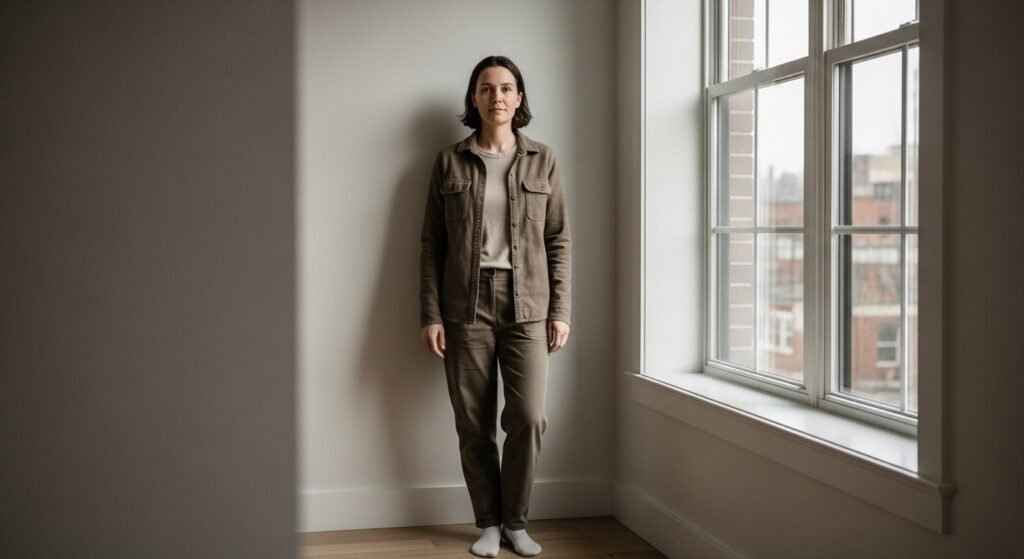
With life racing at an alarming rate, our color choices reveal a collective wish to slow down. Khaki’s dependable familiarity offers a visual deep breath, a way to feel a little more balanced without saying a word. It is no accident that the year’s defining shade is its calmest one.
Color psychology has long linked earthy tones to feelings of stability, reliability, and quiet optimism. In uncertain times, people dress for the feelings they want. Khaki is 2026’s wearable exhale, and it looks good on everyone.
How To Wear Khaki In 2026
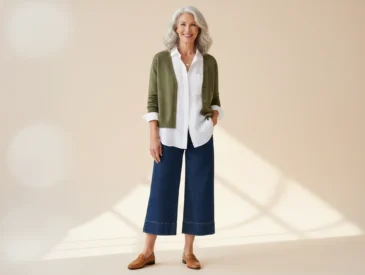
Start with one hero piece: a relaxed trench, a pair of wide-leg trousers, or an overshirt in washed khaki. Keep the rest simple and let the color’s texture do the work. For contrast, pair it with crisp white, deep navy, or soft black; for harmony, layer it with cream, olive, and camel. Add one bold accessory to keep it modern.
The surest shade of all turns out to be the most exciting one, precisely because it never tries too hard. Khaki is not having a moment; it is becoming the foundation. Build on it, and 2026 dressing gets a whole lot calmer, and a whole lot better.
Thrift stores are khaki treasure troves, since the color’s timelessness means vintage pieces still look current. Look for well-made military surplus, classic trenches, and sturdy twill trousers; a tailor can modernize the fit for very little. Secondhand khaki is sustainable, affordable, and often better constructed than fast-fashion equivalents.
For a polished take, try tonal dressing: layer several khaki shades from sand to olive in one outfit. The subtle variation creates depth and looks effortlessly expensive. Finish with simple gold jewelry and clean sneakers or loafers, and the calmest color of 2026 becomes the most confident choice of all.