 Sarah Grey
Cold plunges are everywhere these days. Scroll through social media and you will find videos of people climbing into tubs filled with ice water at dawn, wellness centers advertising guided cold immersion sessions, and athletes swearing by their post-workout ice baths. The concept is strikingly simple: submerge yourself in cold water, endure the shock, and emerge feeling invigorated. For some, it is refreshing and empowering. For others, the mere thought of voluntarily sitting in ice water seems incomprehensible. The curiosity is understandable. Something that looks both intense and simple at the same time naturally raises questions. Are cold plunges genuinely beneficial, or are they just another wellness trend destined to fade? The answer, as with most health practices, is more nuanced than either extreme suggests.
Cold water immersion sits at the intersection of ancient tradition and modern biohacking culture. It promises benefits ranging from faster muscle recovery to improved mood to increased mental toughness. Some of these claims are supported by emerging research, others rest on thinner evidence, and a few may be overstated by enthusiastic proponents. This article examines what cold plunges actually do, what the science says, who might benefit, and who should approach with caution.
The Rise of Cold Water Immersion
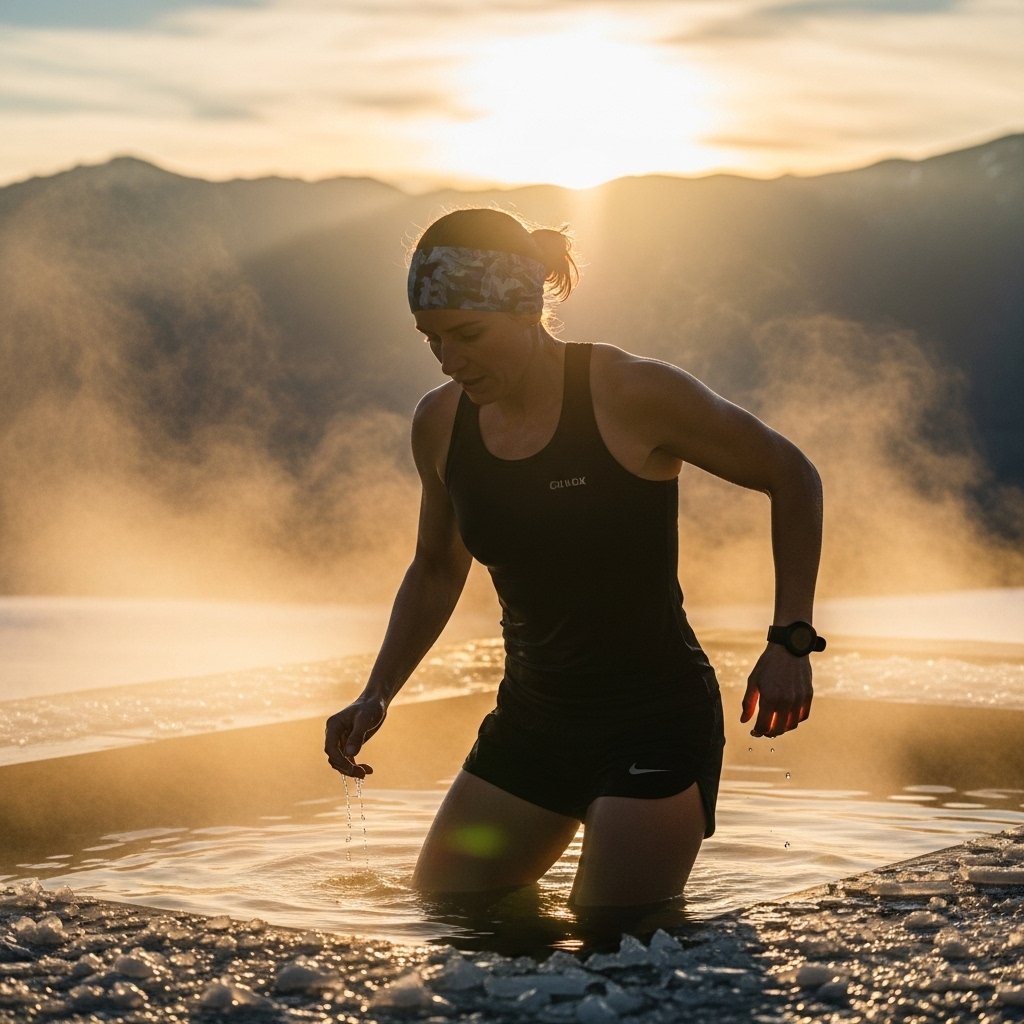
The use of cold water therapy is not new. Various cultures have practiced forms of cold immersion for centuries, from the frigid baths of ancient Sparta to the winter swimming traditions of Scandinavia and Russia to the misogi rituals of Japan. What is new is the contemporary packaging. Wellness influencers, professional athletes, and busy executives have embraced cold plunging as a cornerstone of optimized living, and the practice has moved from niche to mainstream with remarkable speed.
Much of the recent surge can be traced to figures like Wim Hof, the Dutch extreme athlete whose breathing techniques and cold exposure protocols attracted a devoted global following. His methods, while controversial in some scientific circles, brought cold immersion into the wellness conversation in a way that felt accessible and empowering. Around the same time, the broader biohacking movement began treating the body as a system to be optimized, and cold exposure fit neatly into that framework as a simple, measurable intervention. Companies selling cold plunge tubs for home use have further accelerated the trend, turning what was once a lake or a locker room ice bath into a backyard wellness appliance.
The Appeal of Doing Hard Things

Part of the allure is psychological. There is a deep human satisfaction in deliberately choosing discomfort and enduring it. Climbing into ice water requires overriding every instinct that screams to stay warm and comfortable. When you do it anyway, and then climb out, the sense of accomplishment is immediate and visceral. You did a hard thing before breakfast. That feeling of triumph can set a tone of capability for the rest of the day.
This psychological dimension should not be dismissed as mere placebo. The sense of agency that comes from voluntary hardship is real and can genuinely affect how people approach other challenges. Some practitioners describe cold plunging as a form of moving meditation or a daily proof that they can handle discomfort. Whether or not the physiological benefits live up to the hype, the mental framework of starting the day with a conquered challenge has value for many people. The ritual itself, the discipline of showing up for something difficult, may be as important as the cold.
Recovery and Muscle Soreness
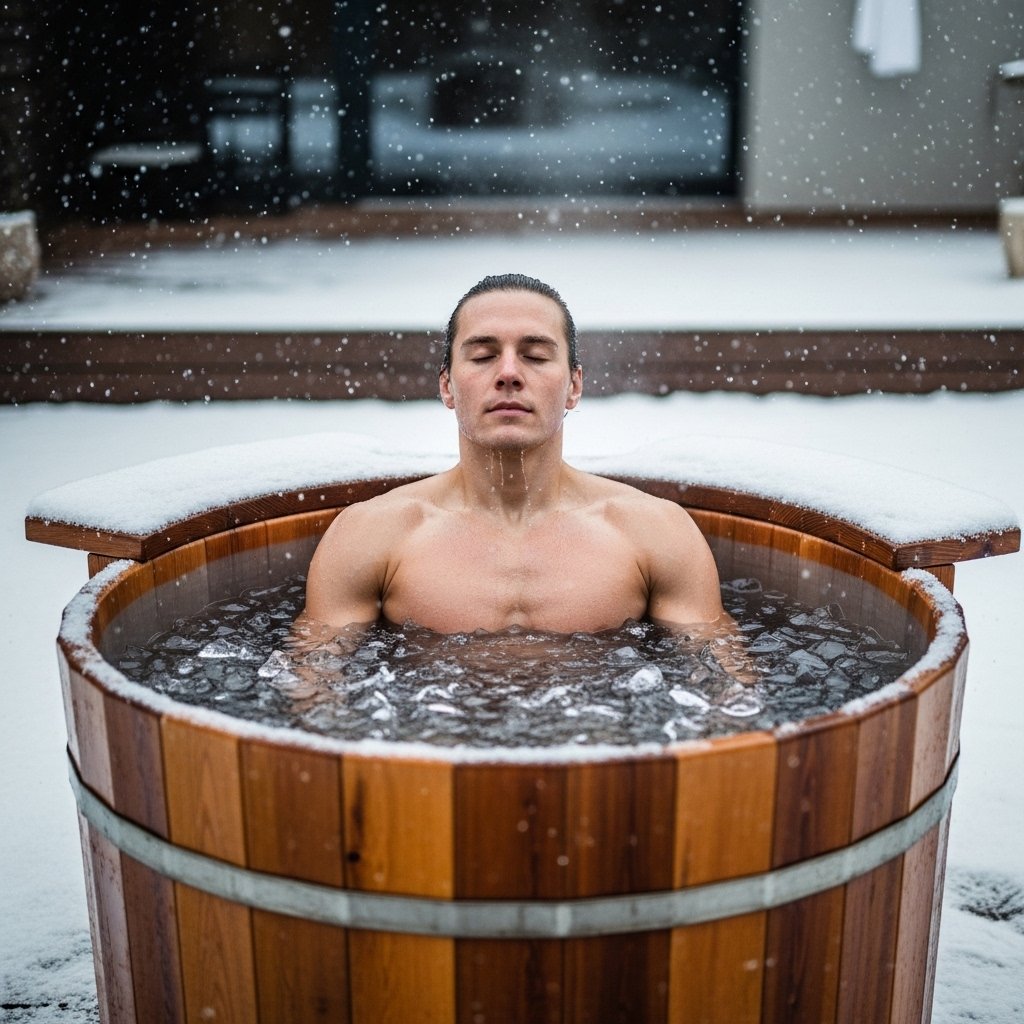
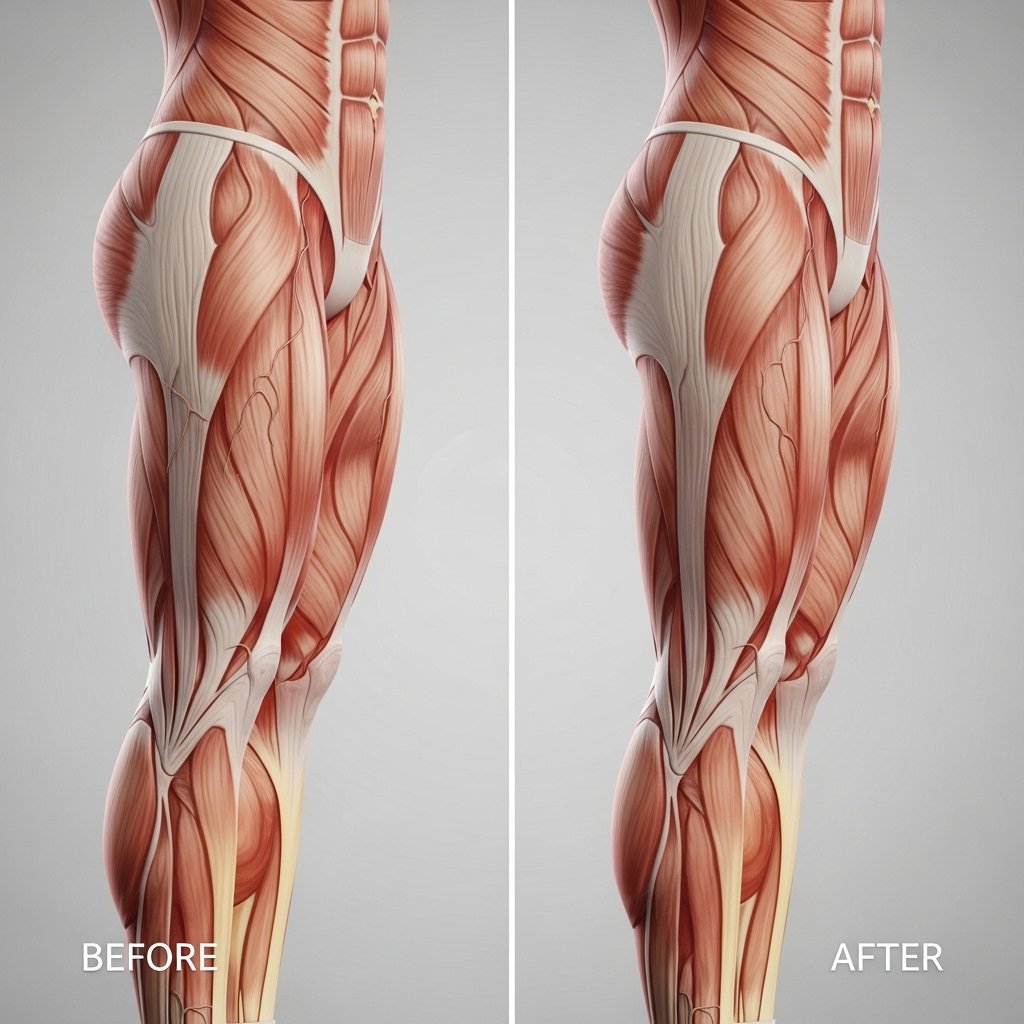
Ice baths are not a new invention in athletic circles. Sports teams have used cold water immersion for decades to help athletes recover between training sessions and competitions. The theory is straightforward: cold water constricts blood vessels, which may reduce inflammation and flush metabolic waste from muscles. When you exit the cold, blood vessels dilate and fresh, oxygenated blood flows back into the tissues. Many athletes report feeling less stiff and sore after a cold soak.
The research, however, paints a mixed picture. Some studies have found that cold water immersion can reduce the perception of muscle soreness in the hours after intense exercise. A well-known review of the evidence suggested modest benefits for recovery, particularly for endurance athletes. But other studies have found little difference compared to active recovery or simply resting. There is also a potential trade-off: some research indicates that regular cold immersion after strength training may blunt the muscle-building adaptation, possibly by dampening the inflammatory signals that trigger growth. For athletes focused on building strength, timing cold plunges away from workouts may be wiser than plunging immediately after lifting.
Mood and Mental Clarity
Many cold plunge enthusiasts report feeling alert, energized, and mentally clear afterward. There is a plausible biological basis for this. Cold water shock triggers a surge of norepinephrine, a neurotransmitter involved in focus and attention, and studies have measured increases in dopamine as well. The sudden cold activates the sympathetic nervous system, producing a jolt of arousal that feels like a reset button for a groggy mind. It is difficult to ruminate about your inbox when your body is convinced it is fighting for survival.
Some proponents go further, suggesting cold immersion may help with symptoms of depression or anxiety. The evidence here is preliminary and should be treated with caution. While the neurochemical surge is real, it is short-lived, and there is no robust clinical evidence that cold plunges treat mood disorders. That said, the combination of intense physical sensation, controlled breathing, and the accomplishment of enduring discomfort may genuinely improve subjective well-being for some people. The clarity many describe may come as much from the forced mindfulness of the experience as from any lasting chemical change.
Stress Tolerance and Resilience
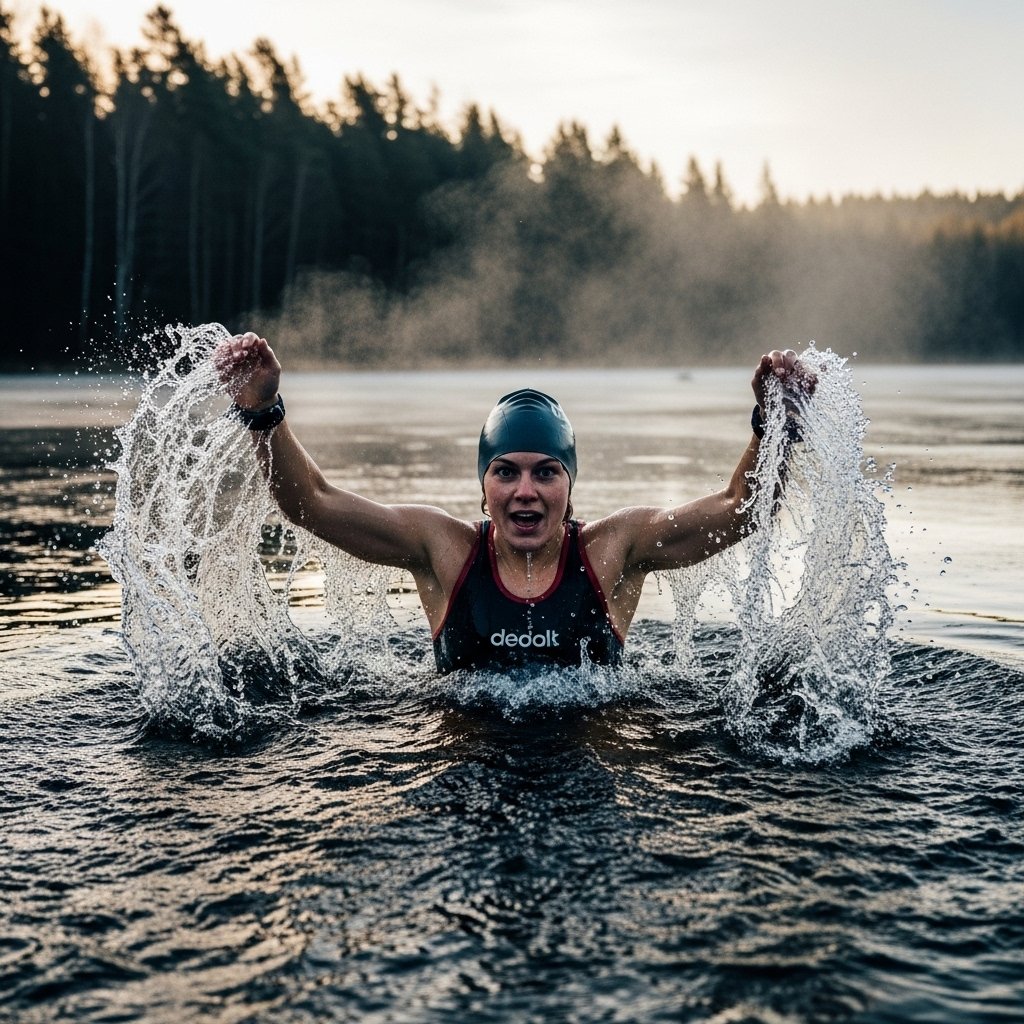
Regular exposure to manageable stressors may train the body and mind to handle stress more effectively. This concept, known as hormesis, suggests that small doses of challenge, whether from exercise, heat, cold, or fasting, can trigger adaptive responses that make us more resilient. Cold water immersion is often framed as a hormetic stressor: brief, controlled, and followed by recovery. Over time, practitioners may find that their stress response becomes more measured, not only in the tub but in daily life.
The idea is intuitively appealing, but the science of cross-adaptation, where tolerance to one stressor improves tolerance to others, is still developing. There is some evidence that cold habituation reduces the physiological stress response to cold itself, meaning regular plungers show a smaller spike in heart rate and stress hormones over time. Whether this translates to better handling of a difficult meeting or a traffic jam is less clear. Still, the practice of remaining calm while the body alarms is a genuine skill, and cold water provides an intense training ground for it. Learning to control your breathing while submerged in ice water is a masterclass in composure under pressure.
The Influence of Social Media
It is impossible to discuss the cold plunge boom without acknowledging social media’s role. Videos of people gasping as they lower themselves into ice baths are inherently watchable. They combine spectacle, vulnerability, and a satisfying narrative arc in under a minute. Influencers and celebrities sharing their routines have turned cold immersion into a status symbol of discipline and wellness commitment. When millions of people watch these clips, curiosity naturally follows.
Social media’s influence cuts both ways. On one hand, it has democratized access to wellness ideas that were once confined to elite athletic facilities. On the other, the format rewards drama over nuance. A thirty-second clip rarely mentions contraindications, optimal protocols, or the mixed state of the evidence. The excitement of the trend can outpace careful interpretation, leading some newcomers to plunge into water that is too cold, stay in too long, or ignore warning signs from their bodies. As with any wellness practice amplified by algorithms, a dose of skepticism is healthy.
Tradition Meets Modern Wellness
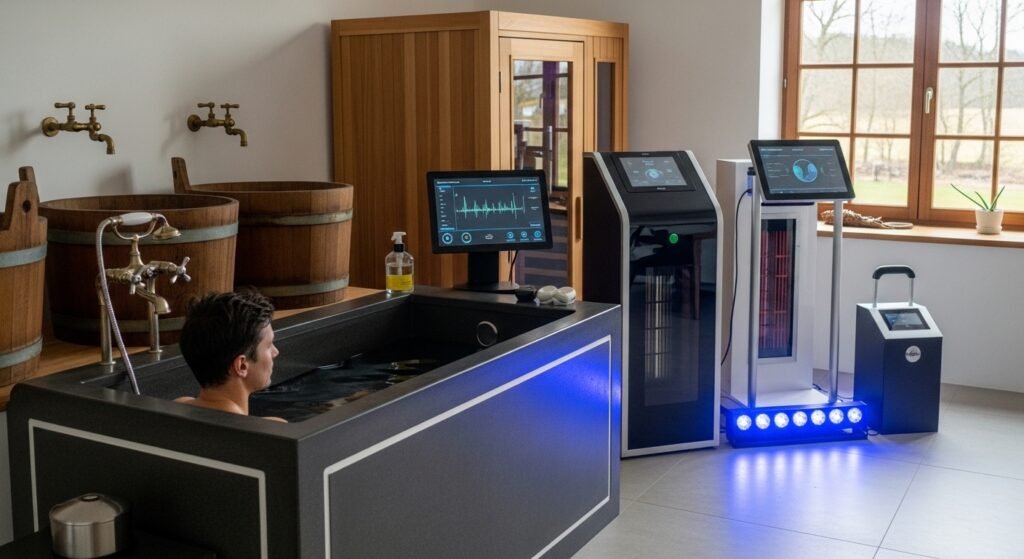
The origins of cold water immersion stretch back to ancient bathing traditions, but today it sits alongside high-tech wellness equipment like infrared saunas, compression boots, and sleep trackers. This blend of the ancient and the cutting-edge is part of the appeal. Cold plunging feels primal and authentic, a rejection of over-comfort, while also fitting neatly into the quantified-self culture of optimization and self-improvement. It is both a return to something old and an embrace of something new.
Many modern practitioners combine cold immersion with contrasting heat exposure, alternating between sauna and plunge in a practice inspired by Scandinavian traditions. This contrast therapy is said to amplify circulation benefits and deepen the sense of invigoration. While the evidence for specific protocols remains limited, the ritual itself, moving deliberately between extremes, has a meditative quality that many find grounding. The historical roots lend the practice a credibility that purely novel biohacks lack, even as the modern wellness industry repackages it for contemporary consumers.
What the Research Actually Says
Taking stock of the scientific literature, the picture is one of promising but incomplete evidence. Cold water immersion most likely provides modest benefits for perceived muscle recovery after endurance exercise. It probably produces a short-term boost in alertness and mood through neurochemical changes. It may improve cold tolerance over time through habituation. Claims about fat loss, immune enhancement, and longevity remain speculative, with little direct human evidence. The strongest effects appear to be subjective: people feel better, more alert, and more accomplished. Those subjective effects are real to the people experiencing them, even if the objective physiological changes are modest.
It is also worth noting that much of the research uses small sample sizes and short timeframes. Long-term studies of habitual cold plungers are scarce. Publication bias may favor positive results, and the placebo effect is difficult to disentangle from physiological effects when the intervention is as dramatic as ice water. This does not mean cold plunges do nothing, but it does mean confident claims about transformative health benefits outrun the data. A balanced view acknowledges both the genuine appeal and the limits of current knowledge.
Safety Considerations and Who Should Be Cautious
Cold water immersion is not without risks, and certain people should approach with particular caution or avoid it altogether. The cold shock response causes a sudden increase in heart rate and blood pressure, which can be dangerous for people with cardiovascular conditions. There is also a risk of hypothermia if water is extremely cold or exposure is prolonged, and the gasp reflex upon sudden immersion can lead to water inhalation. People with heart conditions, high blood pressure, or circulation disorders should consult a physician before attempting cold plunges.
For healthy individuals, sensible precautions make the practice considerably safer. Start with moderately cold water rather than ice, keep initial sessions brief, never plunge alone, and exit immediately if you feel dizzy, numb beyond the expected discomfort, or unwell. Avoid submerging your head, and warm up gradually afterward rather than jumping into a hot shower, which can cause a sudden drop in blood pressure. Pregnant individuals and those with certain medical conditions should seek medical advice first. Cold plunging should feel challenging but controlled, never reckless.
Personal Preference Plays a Role
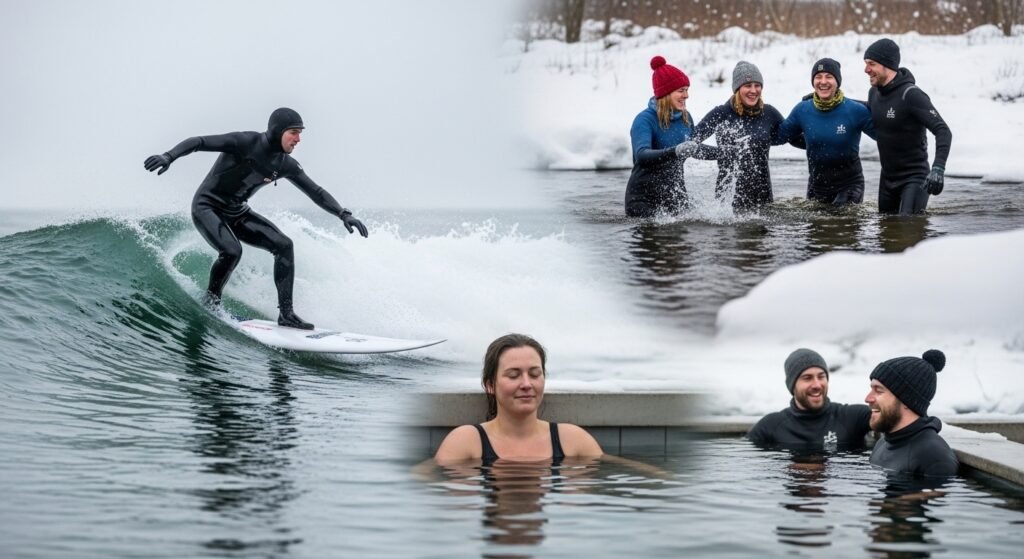
Some people genuinely love cold plunges. After the initial shock subsides, they describe a sense of calm euphoria, a tingling aliveness, and a clear-headed energy that carries into their day. Others try it once and decide never again, and that is a perfectly valid response. Individual differences in body composition, cold tolerance, and psychological disposition all shape the experience. What feels invigorating to one person may feel merely miserable to another.
This variability is a useful reminder that wellness is not one-size-fits-all. The best health practices are the ones you will actually sustain, and enjoyment matters for adherence. If cold plunging feels like punishment every time, the stress of forcing it may outweigh any benefit. If it feels like a bracing ritual you look forward to, that positive association is itself valuable. Paying attention to your own response, rather than following the crowd, is the wisest approach to any trend.
Building a Routine Around It
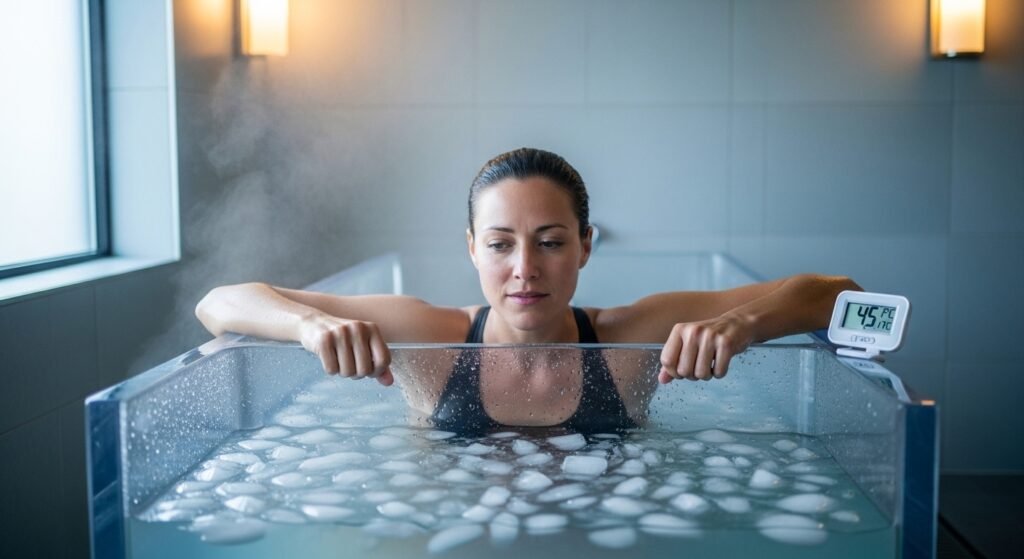
For those who decide to try cold plunging, consistency matters more than intensity. Brief, controlled sessions on a regular schedule are more sustainable and likely more beneficial than occasional extreme exposures. A common starting point is water around 50 to 59 degrees Fahrenheit for one to three minutes, gradually working colder or longer as tolerance builds. Many practitioners plunge three to five times per week, often in the morning. The key is gradual progression: let your body adapt rather than shocking it into submission.
Building the routine around existing habits improves adherence. Some people plunge right after their morning workout, others make it a standalone ritual before the day begins. Tracking how you feel afterward, energy, mood, sleep quality, can help you determine whether the practice is serving you. And remember that rest days are fine. Cold exposure is a stressor, and like exercise, it requires recovery. More is not always better, and listening to your body remains the most important guideline.
Trend or Long-Term Habit
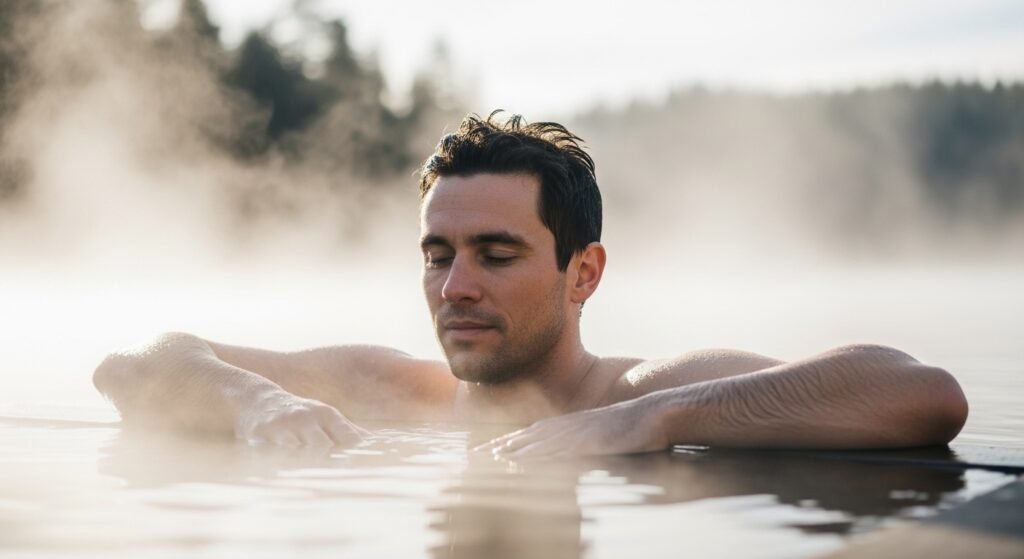
Cold plunges may become a permanent fixture of wellness culture for some and a passing phase for others. Their staying power will likely depend on whether individuals find genuine, repeatable value in the practice beyond the initial novelty. The history of wellness trends suggests that practices with deep roots and plausible mechanisms tend to endure in some form, even as the hype cycle moves on. Cold immersion has both, which bodes well for its longevity.
Ultimately, the question is not whether cold plunges are universally good or merely a trend, but whether they are good for you. The honest answer requires curiosity and self-observation. Try it sensibly, pay attention to how your body and mind respond, and let your own experience guide you. If the cold leaves you feeling clearer, calmer, and more capable, then it is more than a trend in your life. If it leaves you cold in every sense, there are plenty of other ways to build resilience. The most important wellness practice is the one that helps you feel at home in your own body.