 Sarah Grey
The last thing anyone wants after a long day of fasting is to be rushed and frazzled in the kitchen. Iftar should feel like a soft landing, not a second shift. The good news is that the most satisfying iftar spreads are also the simplest: a handful of easy dishes, a little planning, and familiar ingredients that come together without stress. Calm cooking makes for a calm evening, and a calm evening is what Ramadan is really about.
The secret to effortless iftar is choosing recipes that forgive you. Dishes that can be prepped ahead, assembled in minutes, or made from what is already in the pantry, with no specialty shopping and no complicated technique. The eleven ideas below are built for real Ramadan evenings: nourishing, flavorful, and kind to both the cook and the schedule, so you spend the evening at the table with your family, not chained to the stove.
Fresh Fruit Chaat
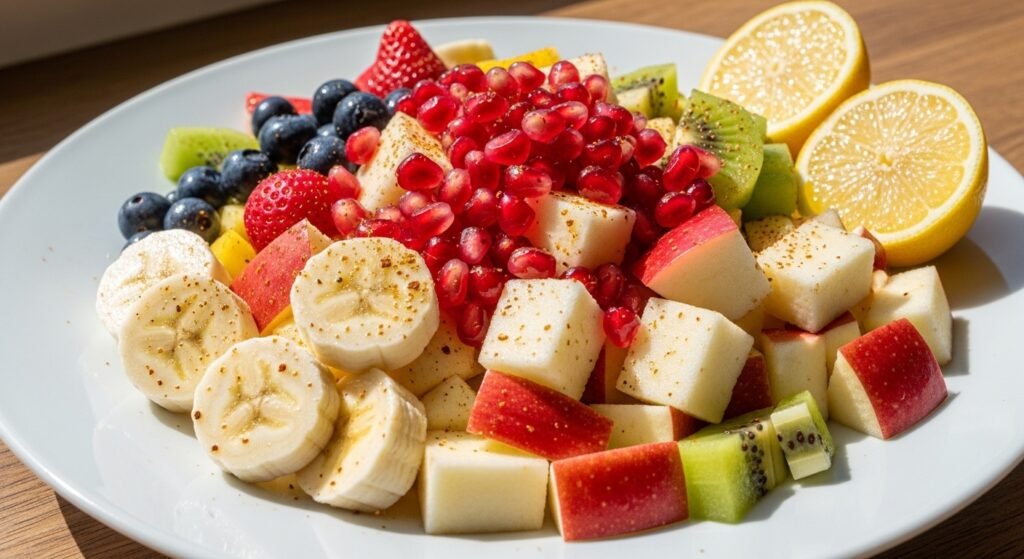
Fruit chaat is the ultimate low-effort iftar starter: chop whatever fruit is in season, bananas, pomegranate, apples, oranges, grapes, melon, squeeze over fresh lemon juice, and dust generously with chaat masala. Ten minutes of relaxed work yields a big bowl that is hydrating, naturally sweet, and gently stimulating to an appetite that has been resting all day.
Prep it in the afternoon and refrigerate, the flavors meld beautifully as it chills and the fruit releases its juices. The chaat masala adds that signature tangy-savory lift that makes plain fruit exciting and craveable. It is the dish that asks almost nothing of you and gives back energy, color, and freshness exactly when you need them most.
Classic Dates and Milk
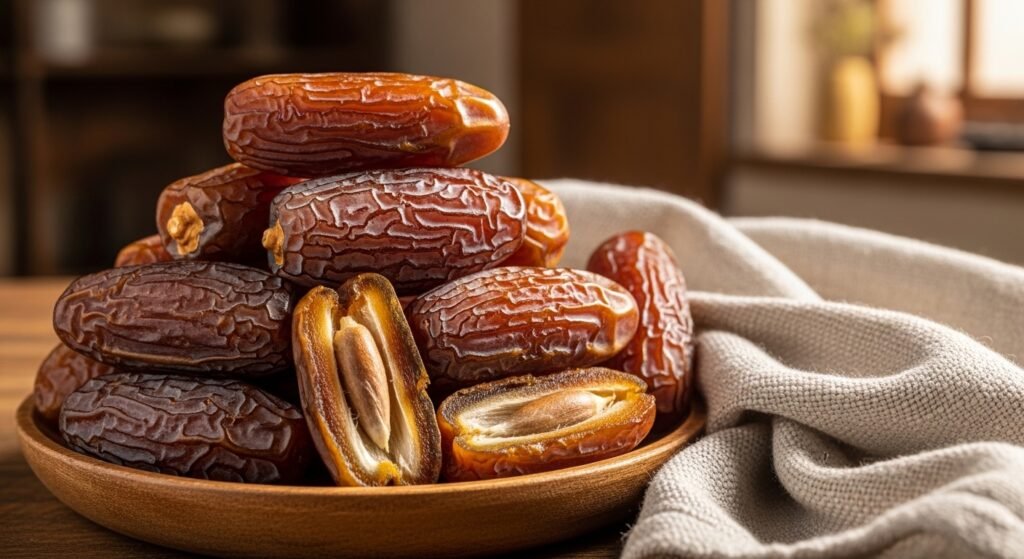
Some pairings endure for centuries because they are perfect, and dates with milk is one of them. Soft, caramel-sweet dates provide immediate gentle energy to break the fast, exactly as tradition prescribes, while a glass of milk, served chilled or warm according to your preference, soothes and sustains. Zero cooking, zero fuss, complete nourishment in its simplest form.
Keep good dates on hand all month: Medjool for their lush, honeyed sweetness, or any variety your family loves. This is the iftar foundation that everything else builds upon, and on the busiest evenings, it can stand nearly alone without anyone feeling deprived. Simple, traditional, deeply satisfying, and ready in seconds.
Crispy Vegetable Pakoras

Pakoras deliver maximum comfort for minimum effort. Whisk chickpea flour with water, salt, cumin, coriander, and a pinch of chili into a thick batter, fold in sliced onions, potatoes, spinach, or cauliflower, and fry spoonfuls in hot oil until deep golden and crisp. The whole process takes about twenty minutes, and the reward is a heaped plate of shatteringly crisp, savory fritters.
Mix the batter ahead of time and refrigerate; fry fresh just before serving for the very best crunch. Serve with store-bought or homemade mint chutney and watch them disappear. Few things announce iftar like the smell of pakoras frying in the kitchen, it is practically the aroma of the Ramadan evening itself.
Soothing Lentil Soup
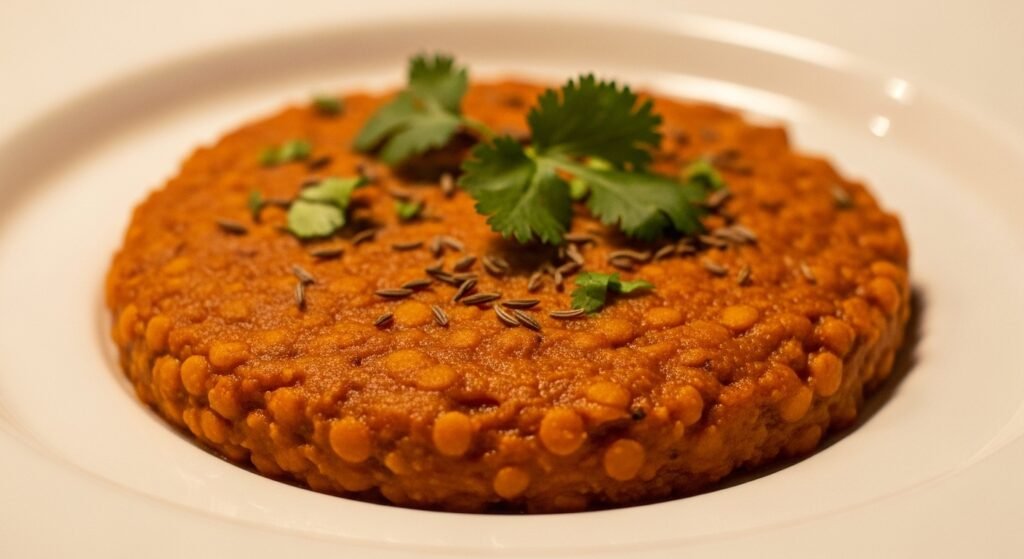
After hours without food, a gentle soup is pure kindness in a bowl. Red lentils simmer with turmeric, garlic, onion, and cumin until they collapse into creamy smoothness, no blender required, just a pot and thirty quiet minutes of unattended simmering. Finish with a squeeze of lemon juice and a thread of good olive oil for brightness.
This soup practically cooks itself while you handle everything else, and it reheats beautifully, so make a big pot on the weekend and enjoy it across several evenings. Light yet rich in protein and fiber, it eases the stomach gently into the meal ahead. Comfort food at its most effortless and forgiving.
Quick Chickpea Salad
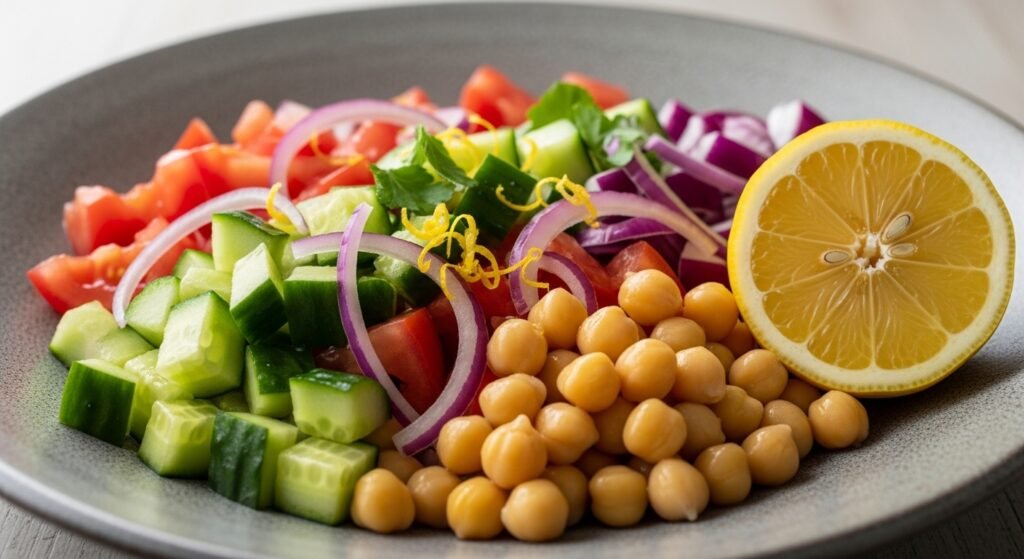
Canned chickpeas are the busy cook’s best friend during Ramadan. Rinse and drain them well, toss with diced cucumber, juicy tomatoes, and finely sliced red onion, then dress with fresh lemon juice, olive oil, and salt. In under ten minutes you have a protein-packed salad that actually satisfies. Add chaat masala or roasted cumin for extra character.
Make it an hour ahead; it only improves as the chickpeas soak up the dressing. The chickpeas provide lasting, steady energy after the fast, the vegetables add freshness and crunch, and the whole thing costs very little to assemble. It is the kind of practical, nourishing dish that quietly anchors a weeknight iftar.
Yoghurt and Cucumber Raita
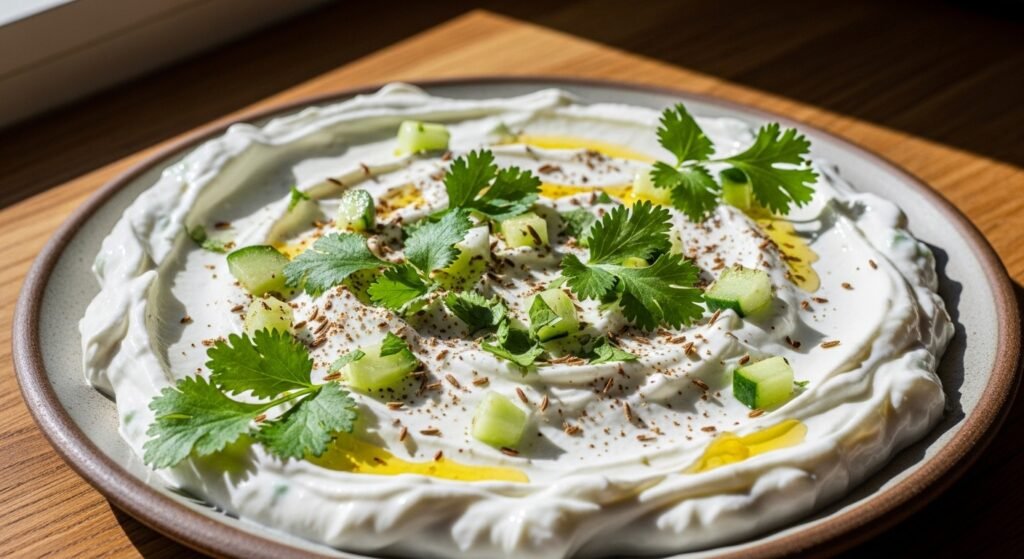
Raita is the cooling counterpoint that every iftar table needs. Whisk thick yogurt until silky smooth, fold in grated or finely diced cucumber, and season with roasted cumin powder, salt, and a handful of fresh coriander leaves. Five minutes of work, then it chills in the fridge until serving time.
Its cool creaminess balances fried snacks and spiced dishes beautifully, refreshing the palate between bites. It also aids digestion after a long fast, which makes it as functional as it is delicious. Keep a bowl in the fridge all month long; it goes with absolutely everything on the table.
Simple Chicken Rolls
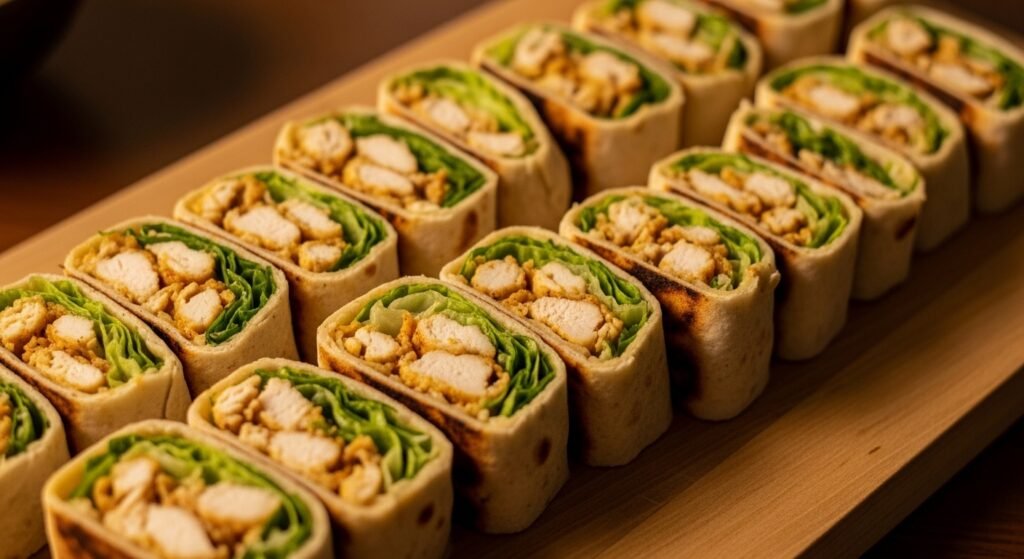
For genuinely hectic evenings, chicken rolls are the answer. Take leftover roast chicken or a store-bought rotisserie bird, shred the meat, season lightly with salt, black pepper, and a squeeze of lemon, then roll it up in warm flatbread or tortillas with crisp lettuce and a drizzle of yogurt sauce or chutney. Assembly takes mere minutes from start to finish.
Slice the rolls into pinwheels for easy sharing, and they instantly become finger food fit for unexpected guests. They are filling without being heavy, endlessly adaptable to whatever is in the fridge, and living proof that a satisfying iftar main course does not require hours at the stove.
Baked Samosas
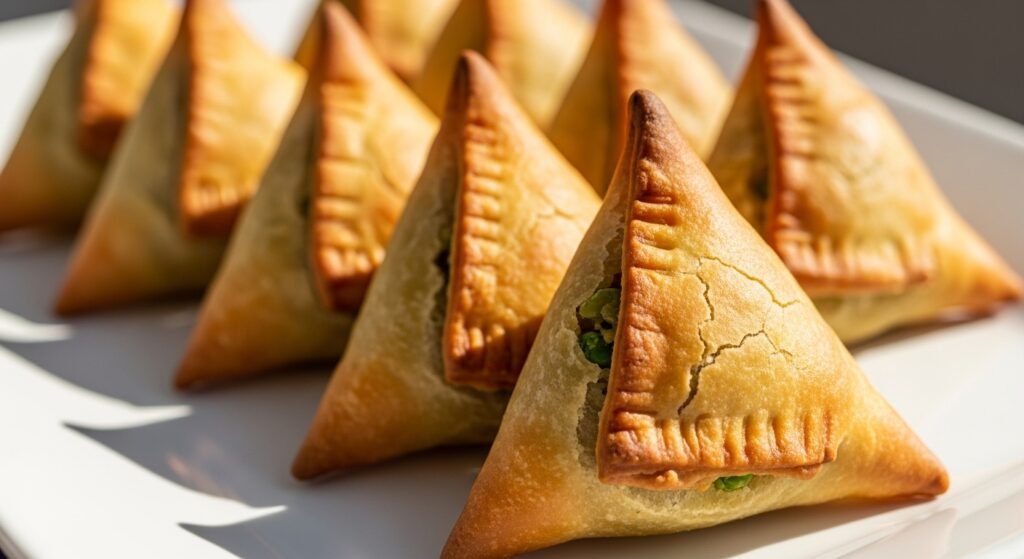
All the samosa joy with a fraction of the fuss: fill store-bought pastry sheets or spring roll wrappers with spiced potatoes, peas, or seasoned minced meat, seal the edges with a dab of water, brush lightly with oil, and bake in a hot oven until crisp and deeply golden. No vats of hot oil to manage, no frying in batches, just the oven doing all the work.
Assemble them in the morning or even the night before and refrigerate until baking time; they go straight from fridge to oven. They emerge lighter than fried samosas but every bit as satisfying, and they reheat well for second helpings. A calm cook’s shortcut to a beloved classic, without compromise.
Refreshing Rooh Afza Drink
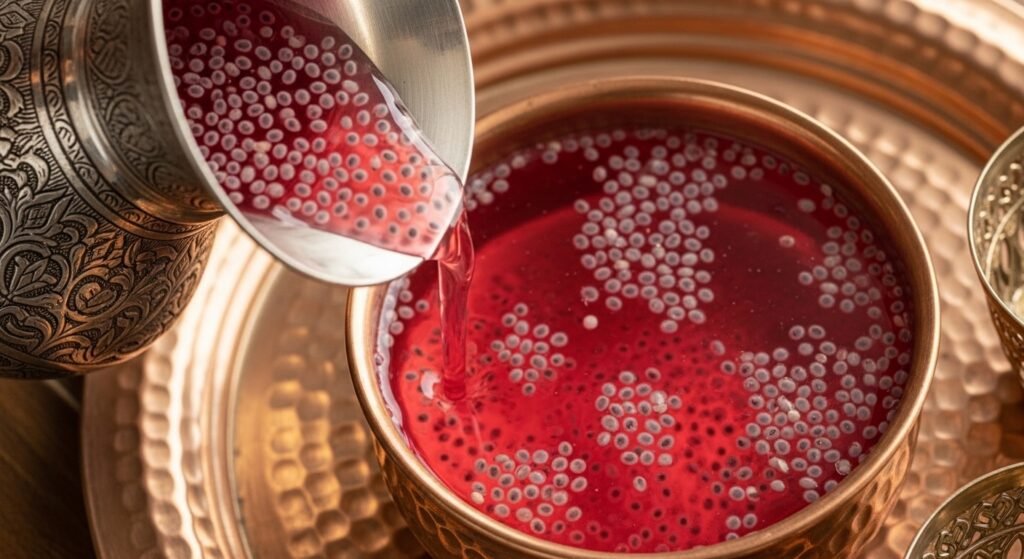
Rooh Afza, the iconic rose-and-herb syrup, is Ramadan in a glass for millions of families across South Asia and beyond. Stir a few spoonfuls into a jug of ice-cold water or chilled milk, add plenty of ice and a spoonful of basil seeds for their delightful texture, and you have an instantly festive drink. It takes less than a minute to make enough for the whole table.
The floral sweetness is deeply nostalgic and wonderfully refreshing after a day of fasting, and the vivid rose-pink color makes the table feel celebratory. Serve it in a clear glass pitcher so everyone can admire it. Some traditions are completely effortless, and this beloved sharbat is the very best of them.
Stuffed Dates with Nuts
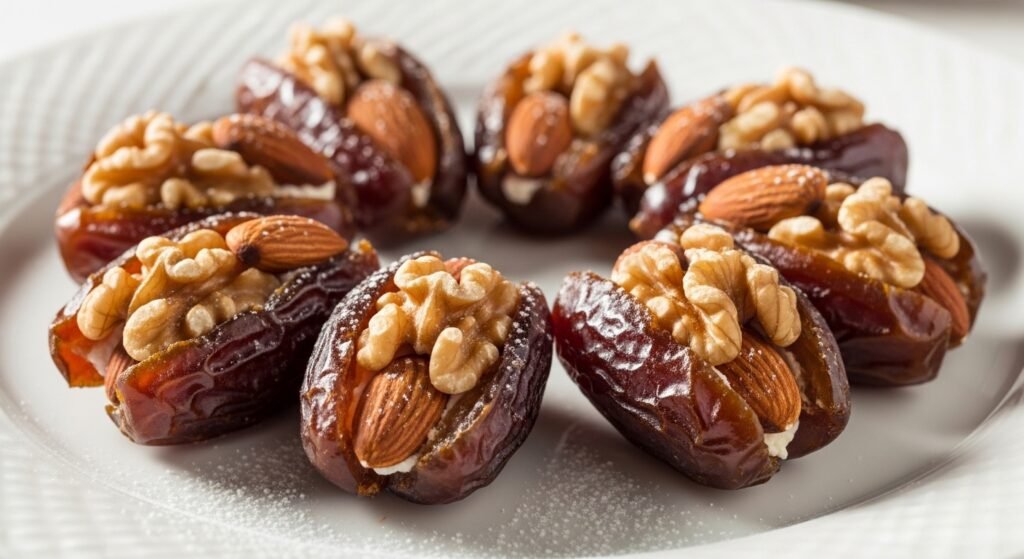
Elevate the humble date in under five minutes: slit plump Medjool dates lengthwise, remove the pits, and tuck a toasted almond or walnut half into each one. Arrange them neatly on a small plate, perhaps with a dusting of desiccated coconut, and you have an elegant bite that tastes like a handmade confection. The crunch of the nut against the caramel-soft date is a small, perfect luxury.
These are wonderful for welcoming guests and make lovely little gift boxes during the month. Children enjoy helping with the stuffing, which makes it a sweet family activity too. A tiny effort with an outsized impression, and further proof that the simplest ideas are so often the most memorable ones.
Easy Semolina Halwa
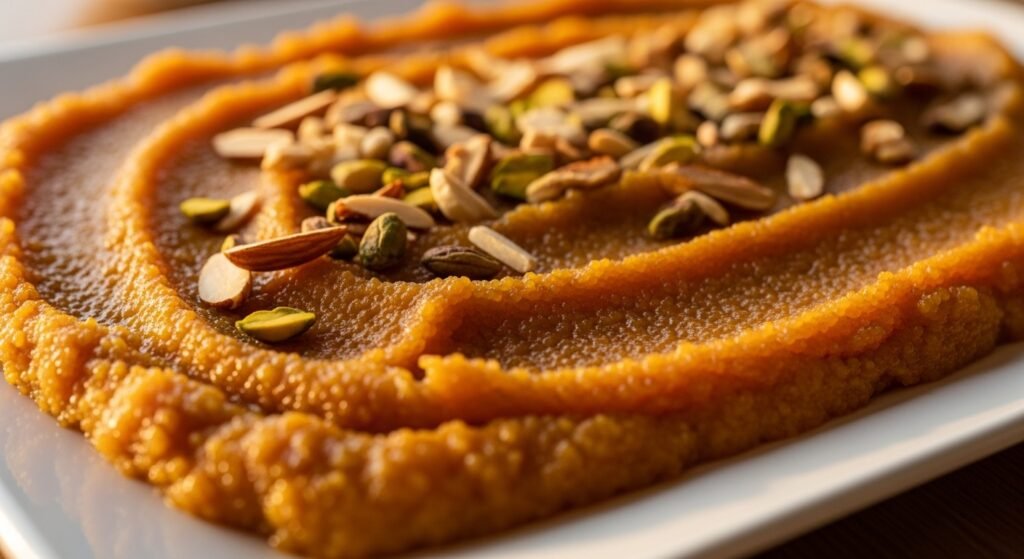
Semolina halwa is the weeknight dessert of champions: toast fine semolina in generous ghee over medium heat until golden and nutty-fragrant, then stir in hot sweetened water or milk laced with green cardamom, and cook, stirring, until thick, glossy, and pulling away from the pan. Fifteen minutes, one pan, endless comfort.
Top with toasted almonds and pistachios and serve warm in small bowls. It is soft, soothing, warming, and deeply satisfying, the gentle sweet ending that a calm iftar deserves. Leftovers, if there are miraculously any, reheat perfectly with a small splash of milk.
A Little Planning Goes a Long Way
The real secret behind every effortless iftar is not a recipe at all; it is a short list made in the afternoon. Decide the menu before the hunger sets in, pull out what can be prepped early, and keep the table simple. A written plan turns the pre-iftar hour from frantic to peaceful, and it means nothing important gets forgotten in the rush.
Batch a few staples for the week: a jar of chutney, a pot of lentil soup, a tray of baked samosas ready to heat. Small preparations compound across the month, and each evening gets easier. Ramadan is thirty days long; cook like it, with systems that sustain you rather than sprints that exhaust you.
Calm Cooking, Joyful Evenings
The thread running through all eleven ideas is ease. None demands rare ingredients, complicated technique, or hours of standing at the counter. Most can be prepped ahead, many come together in minutes, and every single one nourishes without stress. That is the real recipe for a calm Ramadan: choose food that serves the evening, not the other way around.
Plan a little, prep what you can, and keep the menu simple and heartfelt. Then sit down, break your fast with gratitude, and enjoy the people gathered around your table. A peaceful iftar is not about perfection on the plate; it is about presence at the table. And presence, shared with love, is the most flavorful ingredient of all.