
 Sarah Grey
Some families learned to stretch simple ingredients when money was tight. These humble dinners rarely appeared in cookbooks, yet they filled bowls and gathered everyone around the table.
Built from pantry staples and creative leftovers, these meals reflected quiet resourcefulness. One pot could simmer all day and nourish many.
Though rarely cooked today, these dishes remind us that care matters more than cost. Thoughtful cooking turns scarcity into comfort.
Here are eleven humble family dinners that sustained generations. Each one proves that love is the most important ingredient.
These recipes also carry lessons for today. Waste less, savor more, and cook with intention.
Many of these dishes were born during the Great Depression. Families passed the techniques down through generations.
Bean Soup
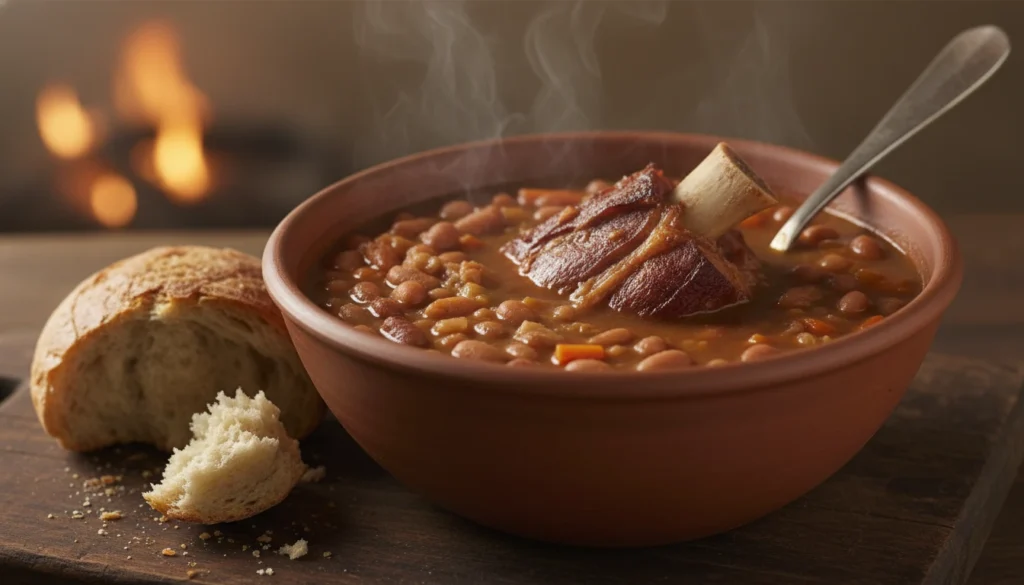
A pot of beans could feed a family for days. Families added onions, carrots, and a ham bone when available.
The soup thickened as it simmered slowly. Served with bread, it was hot and deeply nourishing.
Dried beans cost pennies yet deliver abundant protein. They are the ultimate budget staple.
Soaking beans overnight reduces cooking time. A little planning saves fuel and effort.
The ham bone, saved from Sunday dinner, flavored the whole pot. Nothing went to waste.
Each bowl tasted better the next day. Flavors melded and deepened overnight.
Crusty bread for dipping is essential. It stretches the meal even further.
Bean soup is humble cooking at its finest. Simple, filling, and full of care.
Keep dried beans in the pantry always. They are insurance against lean weeks.
Navy beans and pinto beans work best here. Both become creamy when simmered long.
Fried Potatoes and Onions
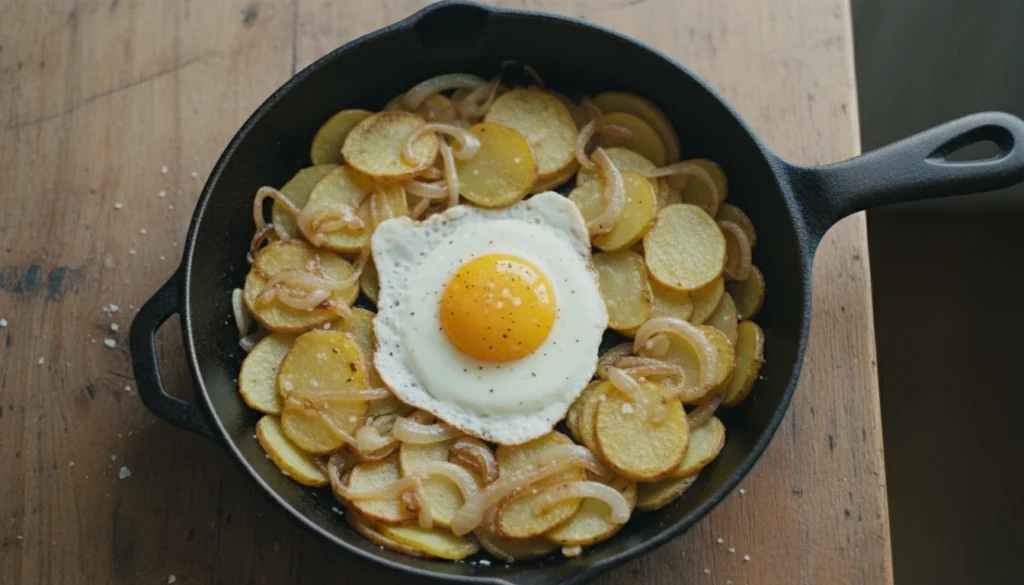
Potatoes were cheap and reliable. Thin-sliced and fried with onions in a skillet, they turned golden and crisp.
A sprinkle of salt was enough seasoning. Sometimes an egg was added for extra comfort.
Cast iron skillets create the perfect crust. Even heat is the secret.
Slice potatoes thin for maximum crispness. Patience lets each slice brown properly.
Onions caramelize alongside, adding sweetness. The combination is irresistible.
This dish works for breakfast, lunch, or dinner. Versatility made it a weekly staple.
A fried egg on top turns it into a complete meal. Protein meets comfort.
Fried potatoes and onions prove simplicity satisfies. Two ingredients, endless comfort.
A bag of potatoes goes a long way. Store them cool and dark.
Russet potatoes crisp up beautifully. Their high starch content helps browning.
Creamed Chipped Beef on Toast
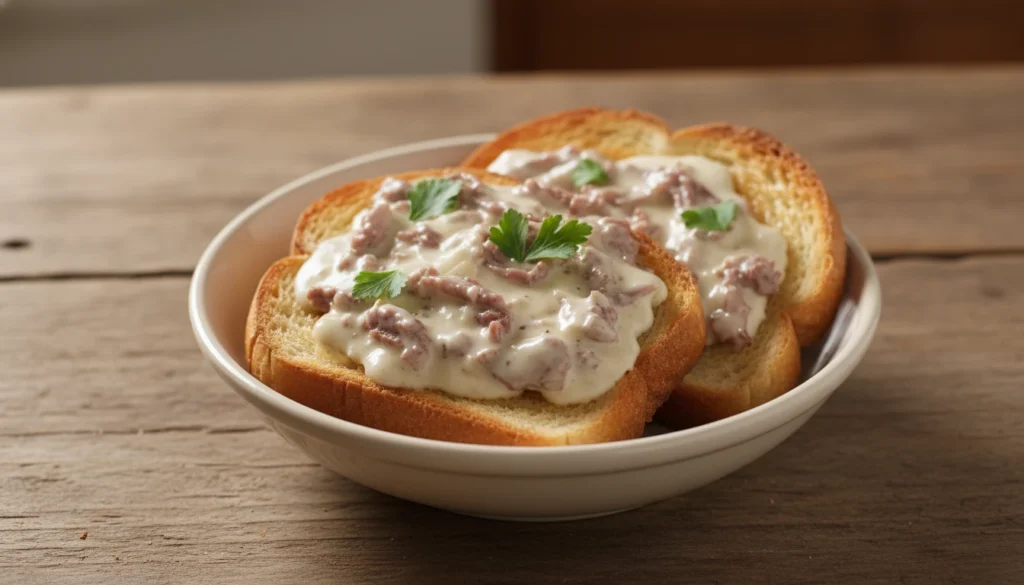
Known as simple comfort food, this dish combined dried beef with creamy white sauce. Poured over toast, it fed many.
It required little meat yet felt filling. The creamy sauce made it satisfying.
Dried beef was shelf-stable and affordable. Pantries always held a package.
The white sauce, or béchamel, is flour, butter, and milk. Three ingredients create magic.
Rinse the dried beef to control saltiness. This step balances the flavor.
Toast sturdy bread that holds the sauce. Soggy toast ruins the experience.
Black pepper is the perfect finishing touch. It cuts through the richness.
Creamed chipped beef on toast is military comfort food. It sustained generations.
Serve it hot and eat immediately. The sauce waits for no one.
Soldiers nicknamed it with colorful slang. The affection behind it was real.
Cornbread and Milk
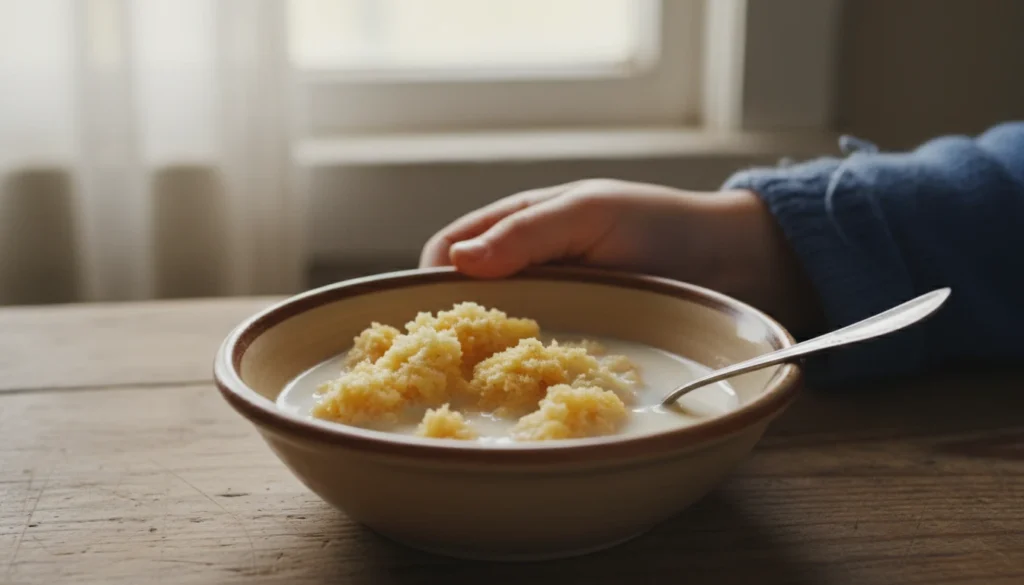
A quick supper was cornbread crumbled into cold milk. It required no fancy ingredients.
The simple combination comforted many families. It proved that basic food could satisfy deeply.
Cornmeal was among the cheapest staples available. A bag lasted for weeks.
Baked in a cast iron skillet, cornbread develops a crisp crust. The texture contrast delights.
Cold milk poured over warm cornbread creates comfort. Temperature contrast soothes.
Some preferred buttermilk for tanginess. Others added a drizzle of honey.
This was often a late-night or light supper. It asked little and gave much.
Cornbread and milk is Southern comfort at its simplest. Tradition in a bowl.
Leftover cornbread never goes to waste this way. Every crumb has a purpose.
Stone-ground cornmeal has the best flavor. It makes noticeably better cornbread.
Tomato Sandwiches

Thick tomato slices on bread with mayonnaise made a light lunch. When gardens overflowed, this dish appeared often.
It celebrated the summer harvest simply. Ripe tomatoes needed nothing more.
Beefsteak tomatoes sliced thick are ideal. Juicy and meaty, they carry the sandwich.
Soft white bread is the traditional choice. It soaks up the tomato juices perfectly.
A generous spread of mayonnaise is essential. It adds richness to the fresh tomato.
Salt and pepper are the only seasonings needed. Simplicity lets the tomato shine.
Eat over the sink to catch the drips. Messiness is part of the joy.
Tomato sandwiches are summer on bread. Seasonal perfection, nothing more.
Grow your own tomatoes if you can. The flavor reward is enormous.
Duke’s mayonnaise is the Southern favorite. Devotees swear by nothing else.
Cabbage and Noodles
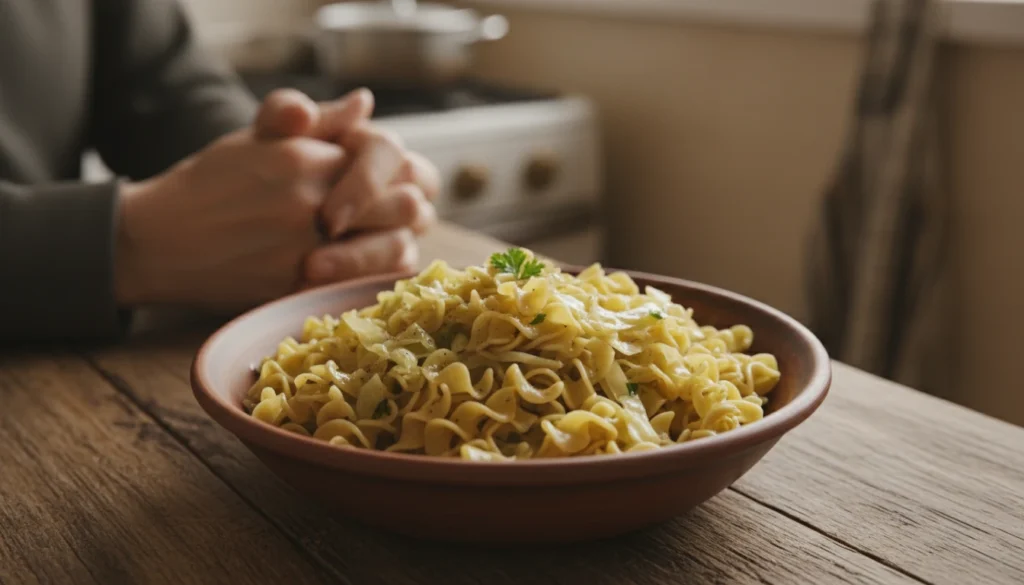
Shredded cabbage cooked in butter and tossed with egg noodles made a filling meal. It used cheap ingredients in one pot.
The mild flavors pleased everyone. Families enjoyed it repeatedly without tiring.
Cabbage is among the most affordable vegetables. A single head feeds many.
Butter transforms humble cabbage into something delicious. Don’t skimp on it.
Egg noodles add substance and comfort. Their richness balances the cabbage.
Caraway seeds add traditional Eastern European flavor. A pinch changes everything.
This dish, known as haluski, has deep roots. Immigrant families carried it across oceans.
Cabbage and noodles prove humble ingredients satisfy. One pot, endless comfort.
It reheats beautifully for next-day lunches. Make a big batch confidently.
Green cabbage is traditional here. Savoy works too in a pinch.
Rice and Gravy
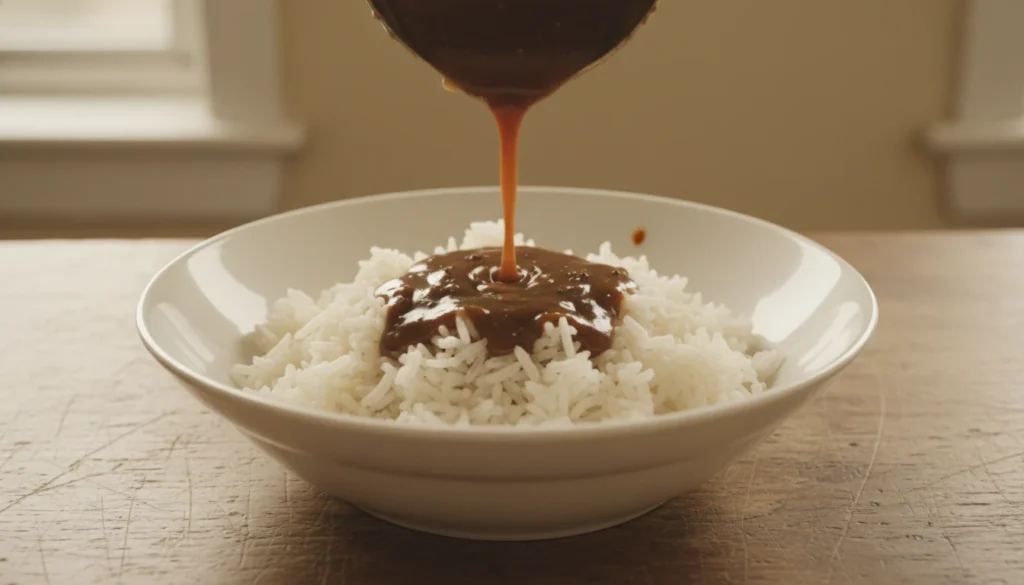
Plain rice became the base for whatever drippings remained from earlier meals. The simple gravy stretched meat flavor across portions.
It was practical and comforting. Nothing was wasted in a resourceful kitchen.
Rice is the world’s most economical staple. It fills and satisfies affordably.
Pan drippings from any roast make excellent gravy. Save every drop.
Flour thickens the drippings into proper gravy. A smooth roux is the foundation.
Fluffy rice absorbs the savory sauce perfectly. Each grain carries flavor.
This dish taught the value of using everything. Waste was not an option.
Rice and gravy is resourcefulness on a plate. Humble, hearty, and wise.
Keep rice in airtight containers. A weevil-free pantry matters.
Long-grain rice stays fluffy best. It separates into distinct grains.
Macaroni with Stewed Tomatoes
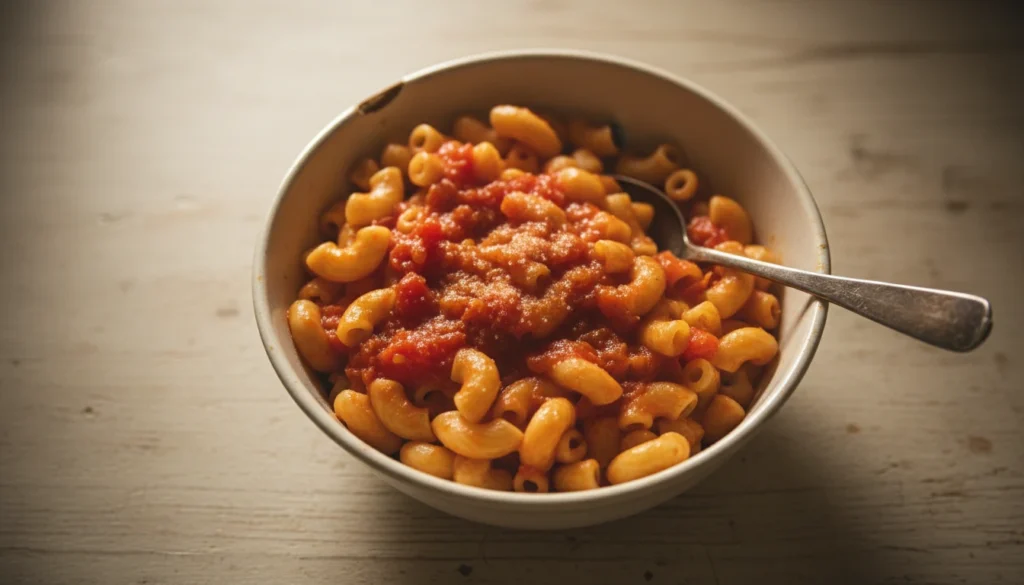
Macaroni mixed with canned stewed tomatoes made a tangy, warming bowl. It required minimal preparation.
A pinch of sugar balanced the acidity. The dish tasted vibrant despite its low cost.
Elbow macaroni is the classic choice. Its curves hold the tomato sauce.
Canned tomatoes were pantry heroes. Affordable and available year-round.
Butter stirred in at the end adds richness. It mellows the tomato tang.
This was often a meatless Monday dinner. Simplicity suited tight budgets.
Kids loved the sweet-tart flavor. Even picky eaters cleaned their bowls.
Macaroni with stewed tomatoes is pantry cooking perfected. Two cans, one pot, dinner done.
Stock up when canned tomatoes go on sale. The pantry thanks you.
Fire-roasted tomatoes add smoky depth. Try them when you want variety.
Potato Soup
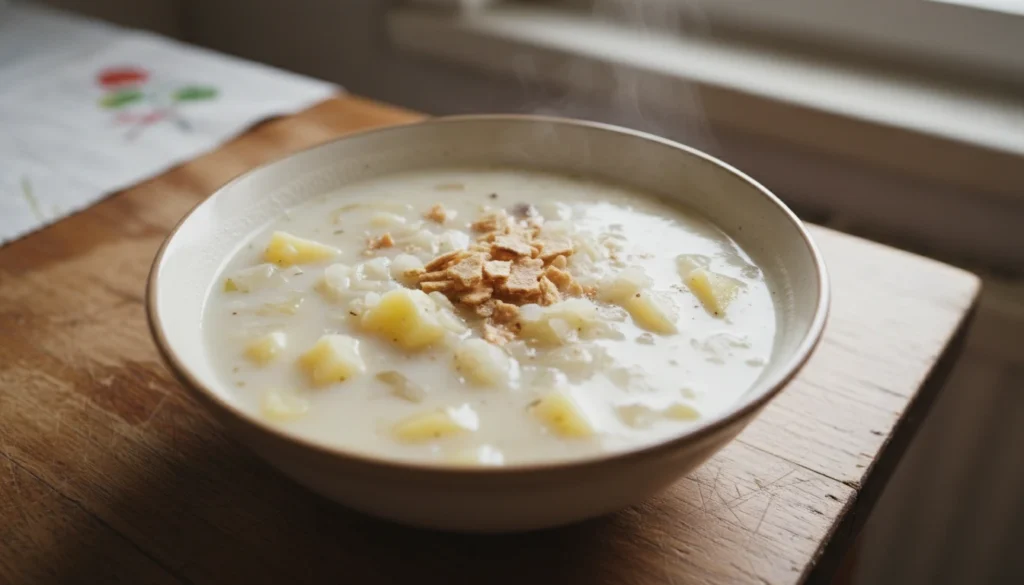
This simple soup combined water, potatoes, onion, and a splash of milk. It simmered until smooth and comforting.
Crackers crumbled on top added texture. It appeared when cupboards looked nearly empty.
Potatoes are the ultimate budget vegetable. Filling, versatile, and cheap.
Onion provides the aromatic base. Even one onion transforms the pot.
Mashing some potatoes thickens the soup naturally. No cream required.
A splash of milk at the end adds richness. It turns water-based soup creamy.
Salt generously; potatoes need it. Proper seasoning makes simple soup shine.
Potato soup is poverty cuisine elevated. Dignity in every spoonful.
Freeze extra portions for later. Future you will be grateful.
Yukon Gold potatoes make the creamiest soup. Their texture is naturally buttery.
Peanut Butter Bread
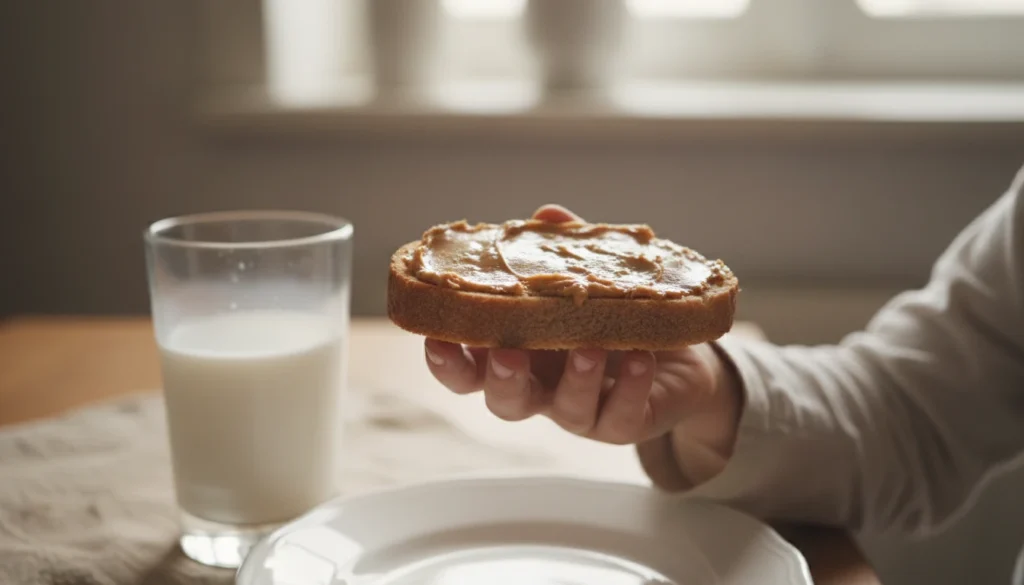
Hearty bread spread thick with peanut butter became dinner on difficult evenings. It required no cooking.
It provided protein affordably. A glass of milk completed the meal.
Peanut butter is protein-packed and shelf-stable. A jar lasts for weeks.
Day-old bread, often discounted, worked perfectly. Sturdy bread holds the spread.
Banana slices on top added sweetness when available. A luxury topping.
This was the ultimate no-cook dinner. Zero effort, real nourishment.
Kids never complained about this meal. Peanut butter is universally loved.
Peanut butter bread is survival food with dignity. Simple fuel for tough times.
Natural peanut butter needs a good stir. The oil separation is normal.
Whole grain bread adds fiber and substance. It keeps you fuller longer.
Leftover Hash
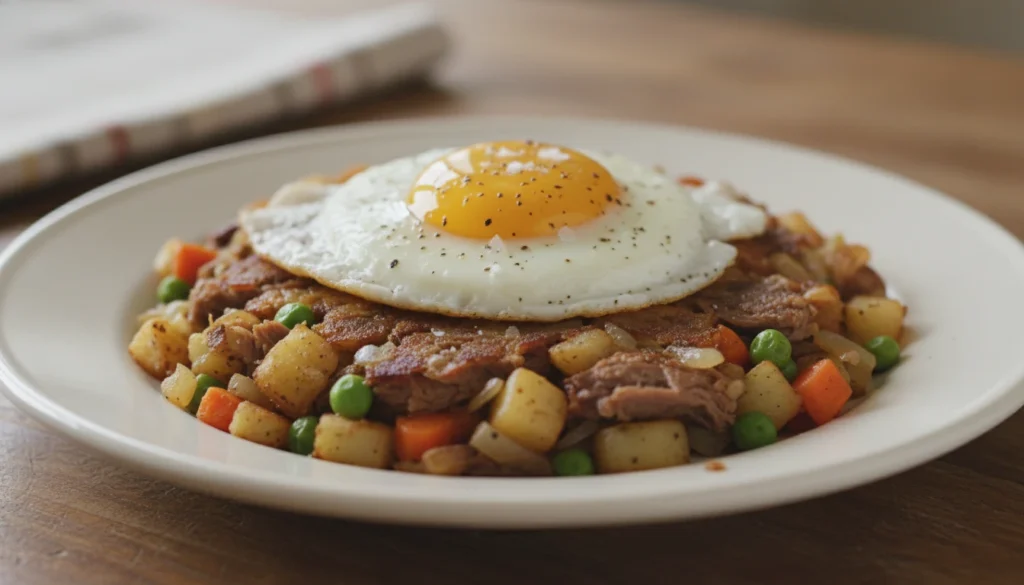
Bits of meat and vegetables from earlier meals were chopped and fried together. Nothing was wasted.
The flavors mingled into something new. An egg on top made the plate complete.
Hash is the original clean-out-the-fridge meal. Resourcefulness tastes delicious.
Diced potatoes form the crispy base. They stretch small amounts of meat.
High heat creates the coveted crispy bits. Don’t stir too often.
A fried egg on top adds richness. The runny yolk becomes sauce.
Every hash is different, depending on leftovers. Improvisation is the recipe.
Leftover hash honors the no-waste kitchen. Yesterday’s dinner becomes today’s treasure.
Plan leftovers with hash in mind. Cook extra potatoes deliberately.
Worcestershire sauce adds savory depth. A few dashes transform the flavor.
Honoring Humble Cooking
These humble dinners carry wisdom worth remembering. They teach resourcefulness, gratitude, and creativity.
Cook one of these meals and taste history. The flavors connect us to resilient generations.
Share these recipes with your family. Humble food deserves to be remembered.
The next time money feels tight, remember these tables. They were full of love.
Write down your own family’s humble recipes. Future generations will thank you.