 Sophia Martinez
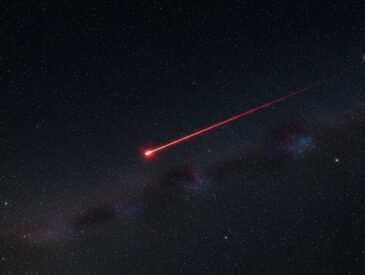
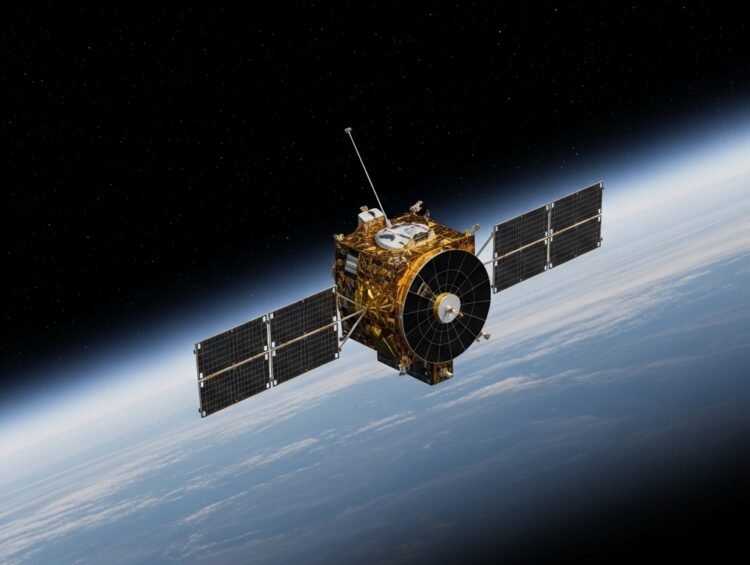
 You do not get to wake up every day and hear that a 1300-pound object of space history is crashing down back to Earth, but here we are. One of NASA’s dedicated Van Allen probes has been spinning around the world for more than a decade, and it is finally retiring from the roost and returning home in flames. Although the term “falling satellite” may evoke the image of the beginning of the best disaster movie, the actual circumstances are slightly more scientific and, to be truthful, much less frightening to us, who are on the ground. The greater part of this mass of metal will disappear in the air, as it does, to the west, into thin air, or it will become a flash of light, which most of us will not be able to see.
The Final Countdown For Van Allen Probe A
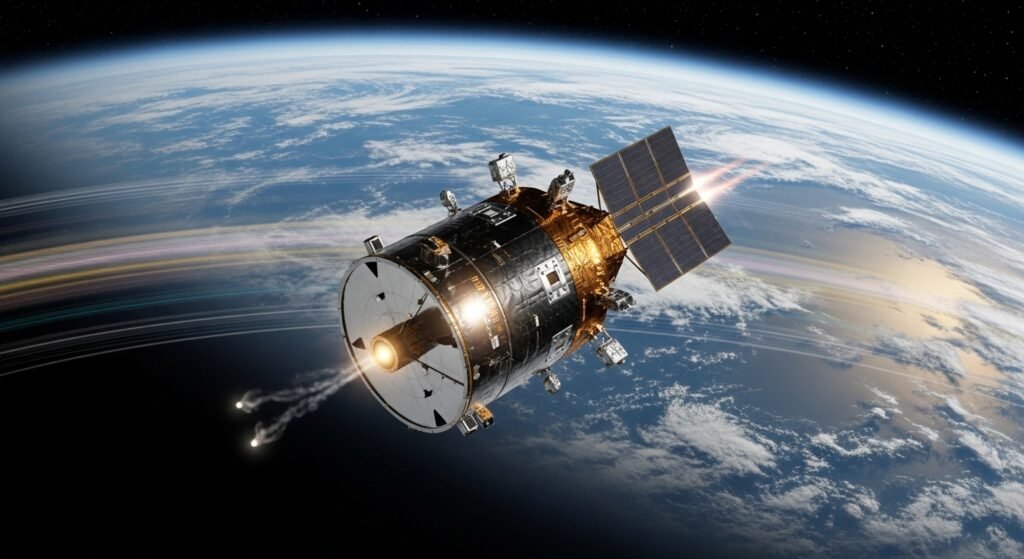
Van Allen Probe A is currently making its final phase, or rather, its final few orbits. It has spent over a decade assisting us in knowing more about the invisible radiation belts surrounding our planet, and now it has used up the fuel that helped maintain its orbit
Why The Satellite Is Coming Down Now
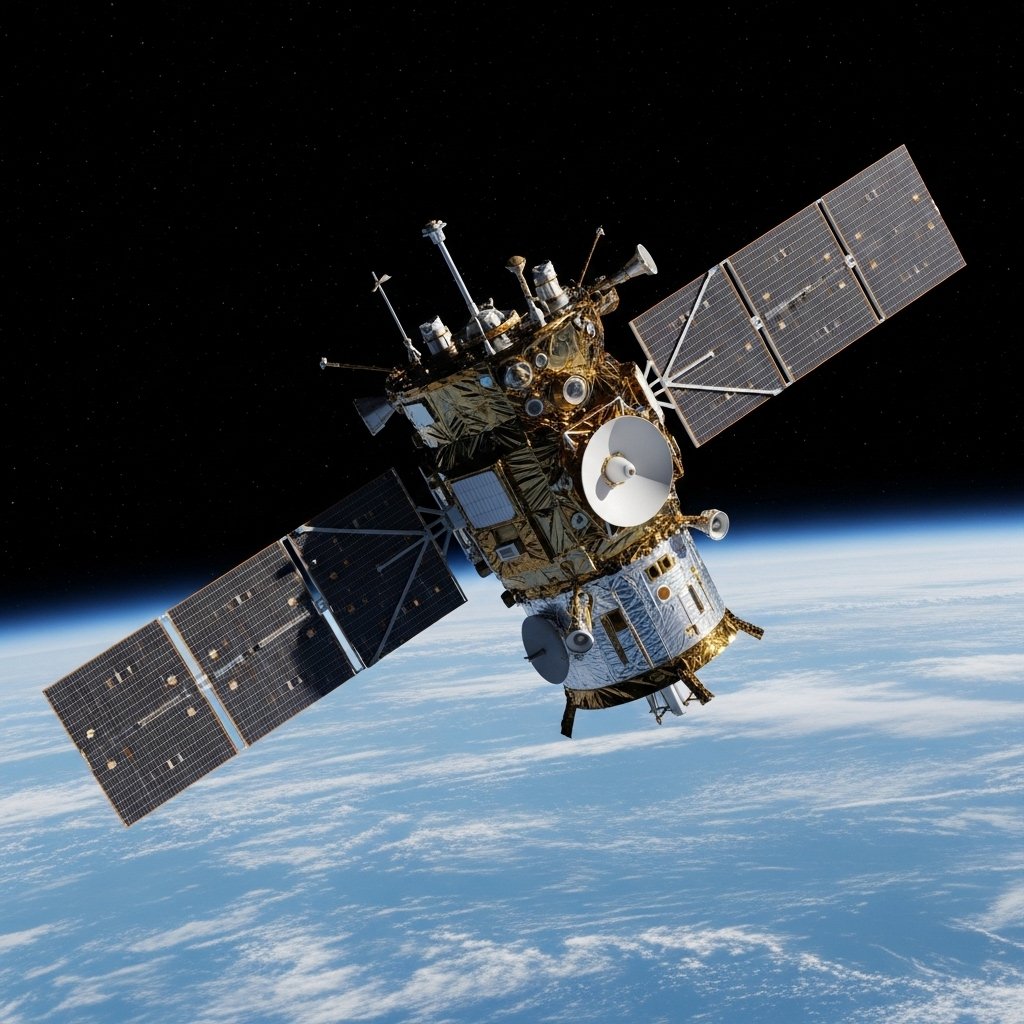
You may ask why it is falling on us today. A highly active Sun has happened to be making the atmosphere of the Earth swell lately, which has provided a slight additional wind resistance to the satellite. This drag made it slow its pace to allow gravity to then take the wheel.
A Fiery Transformation In The Sky
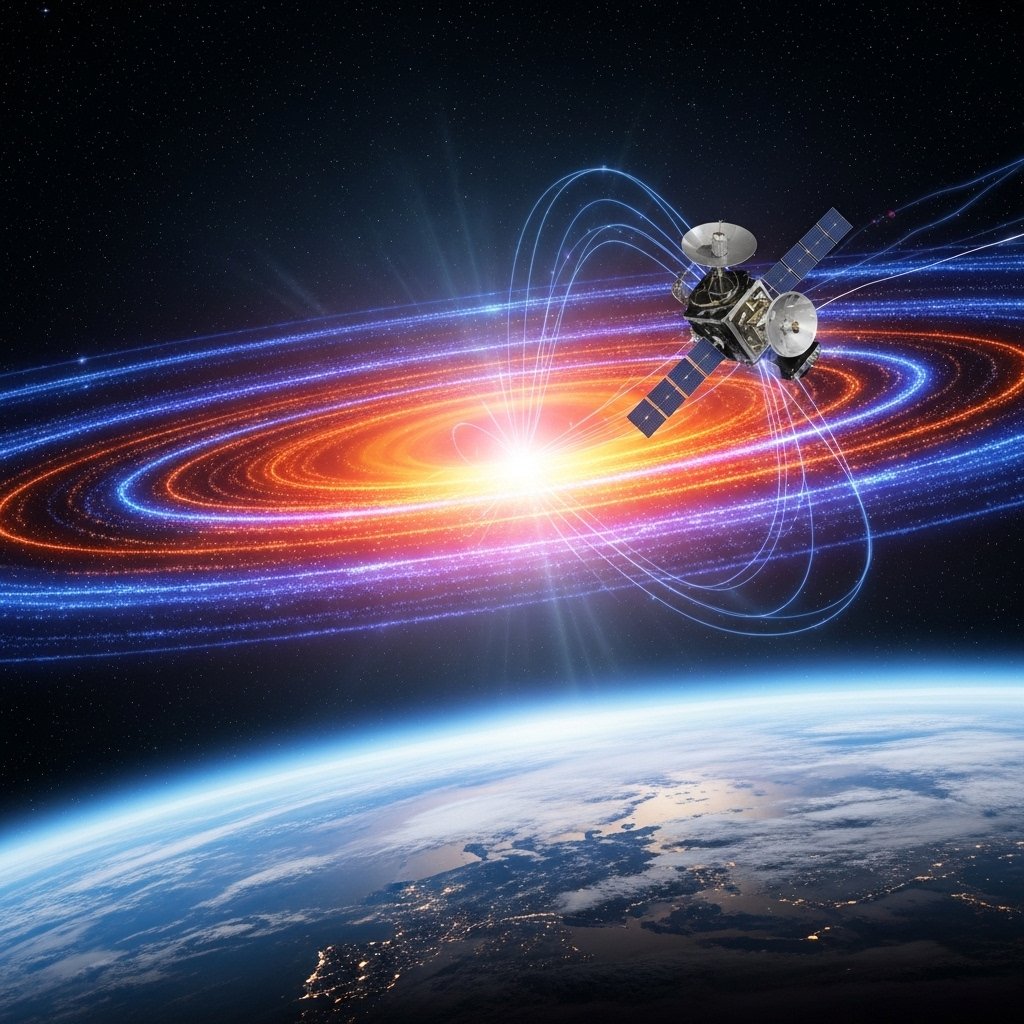
When the probe strikes the dense layers of our atmosphere, it will become unbelievably hot—we are talking 2,700 degrees Fahrenheit. Most of the aluminum and the finer instruments will merely melt away and form gas and dust before they can reach us at those temperatures.
The Odds Of Getting Hit By Debris

You can most likely afford to relax, in case you are concerned that a bit of space debris will settle on your vehicle. NASA calculates the probability of any individual being hurt by this reentry at about 1 in 4,200, which is a minute fraction of a percent.
Where Exactly Is The Crash Site
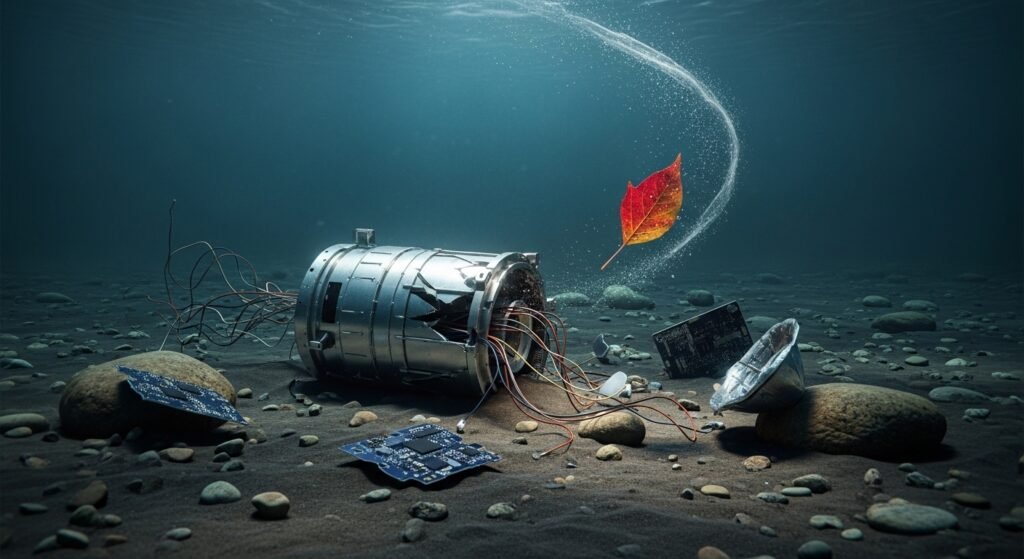
Guessing the point where an uncontrolled satellite will land is difficult, similar to guessing where a leaf will fall in a hurricane. Since the earth is mostly blanketed with large oceans and barren, lone wilderness, it is highly likely that any remaining fragments will be found at the sea bottom.
The Legacy Of The Radiation Belts

This satellite was not simply aimlessly drifting around; it belonged to a pair that investigated the Van Allen radiation belts. These are massive belts of charged particles that serve as a defense mechanism for the Earth, and this mission showed us how they really work.
Why Scientists Are Not Panicking
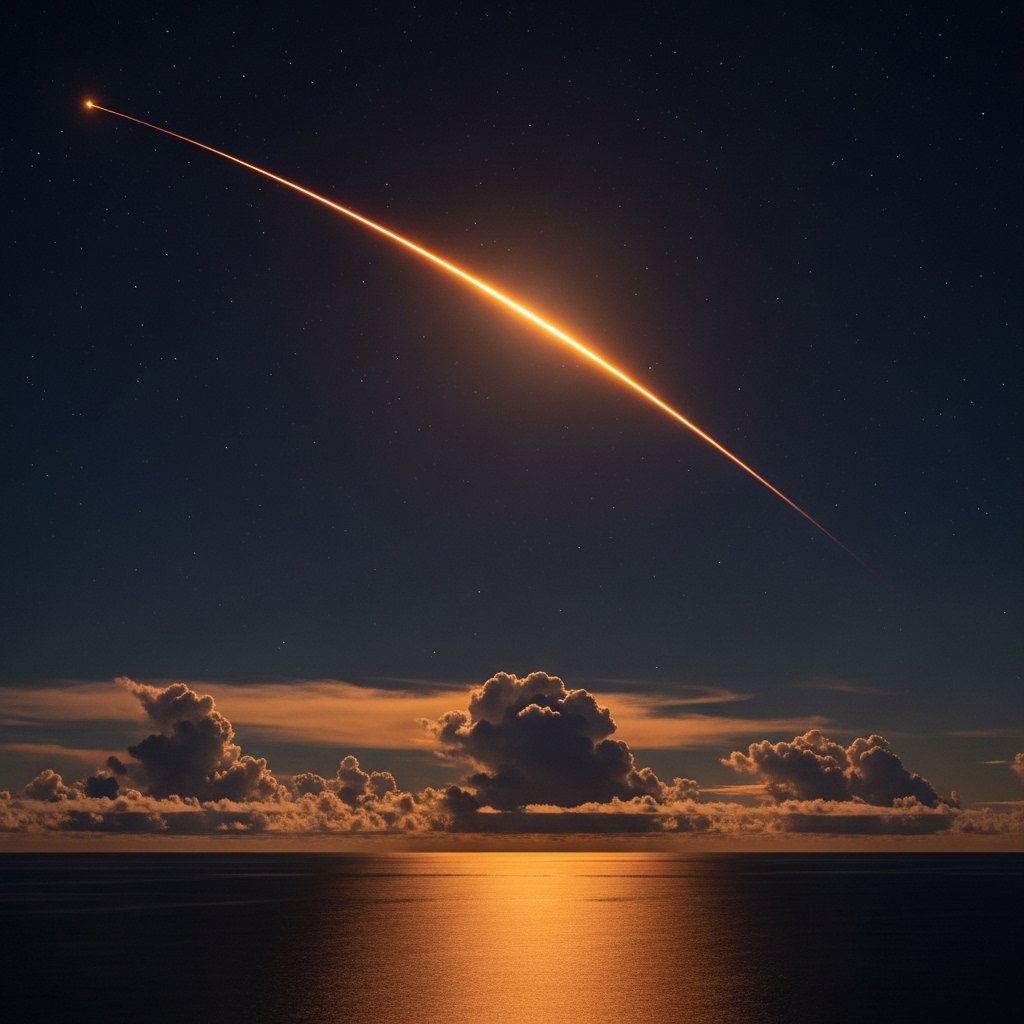
Although it may sound dramatic to say that it was out of control, it is a natural process of the satellites of that time. This was not the first time engineers knew that such a day would arrive someday; they had been monitoring the degradation of the orbit over the years to ensure that nothing was going above the limit of safety.
The Role Of The US Space Force

Surprisingly, it is this 1300-pound traveler that the Space Force has been watching very keenly. They employ giant radar devices to monitor the precise position of the satellite and give reports as to when and where the satellite may at last plunge.
Surviving Components Of The Reentry

Although the probe will burn up, some hardened material of titanium or stainless steel may withstand the heat. These consist of small tanks or structural ribs that are thick enough to penetrate through the fire into the ocean.
Space Junk and Future Missions
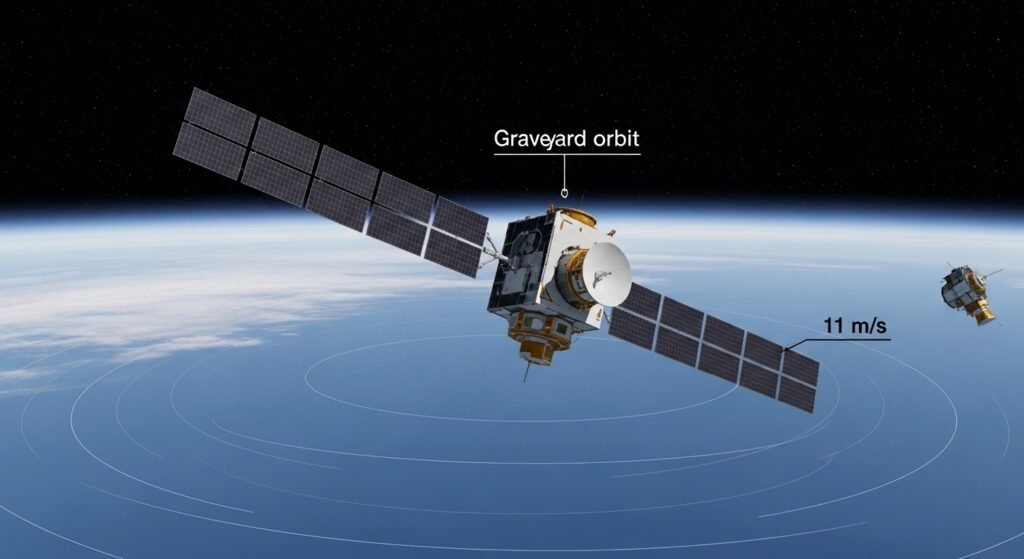
This incident helps us remember that space is becoming congested. In present-day satellites, graveyard orbits are common, and controlled reentry is used to ensure that the satellite will fall precisely where we want it to fall rather than leaving it to chance.