 Sophia Martinez
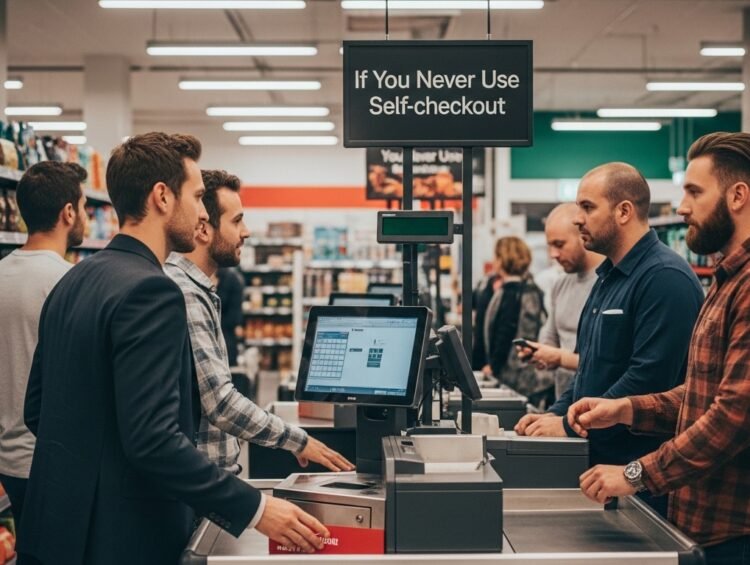
 For some men, skipping the self-checkout lane has nothing to do with technology and everything to do with mindset. The choice to stand in line and interact with a cashier often reflects deeper personality traits that shape how they shop, dress, and move through the world. In men’s fashion especially, these patterns reveal values rooted in quality, connection, and confidence rather than convenience.
You Appreciate the Human Touch in Every Experience
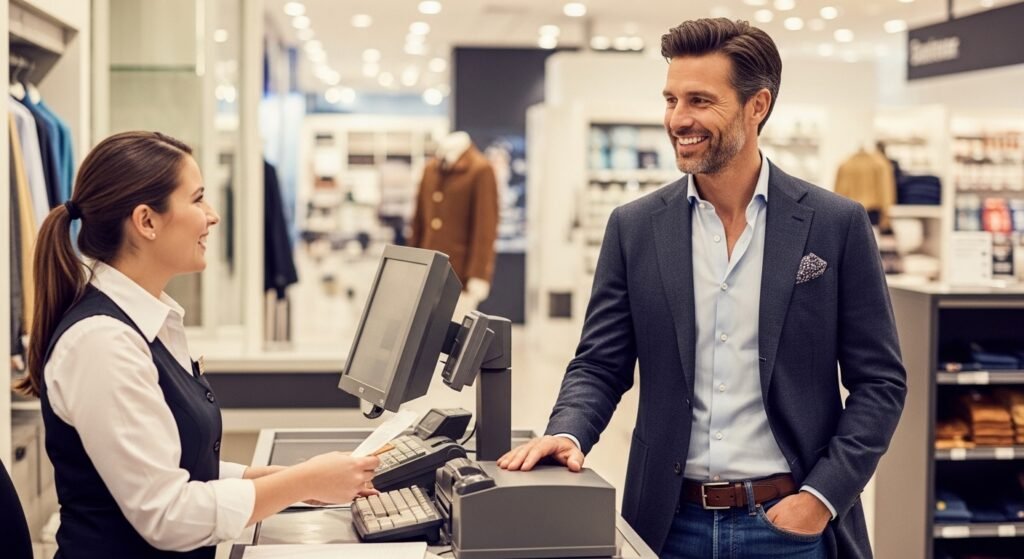
Men who avoid self-checkout often value personal interaction, even in brief exchanges. A simple greeting at the register feels like part of the shopping ritual, much like speaking with a knowledgeable sales associate when choosing a tailored blazer or premium denim. In men’s fashion, this trait shows up as an appreciation for craftsmanship and service. You likely prefer stores where staff can guide you through fit, fabric, and function, because clothing is not just a transaction but an experience shaped by conversation and trust.
You Prefer Thoughtful Decisions Over Speed
Self-checkout is built for speed, yet you are rarely in a rush when making purchases. This slower approach carries over into how you build your wardrobe, favoring careful consideration over impulse buys. You may spend time comparing cuts, feeling materials, and imagining how a piece integrates into your existing rotation. That patience often results in a closet filled with timeless staples instead of trend-driven items that lose appeal after a season.
You Value Structure and Clear Processes
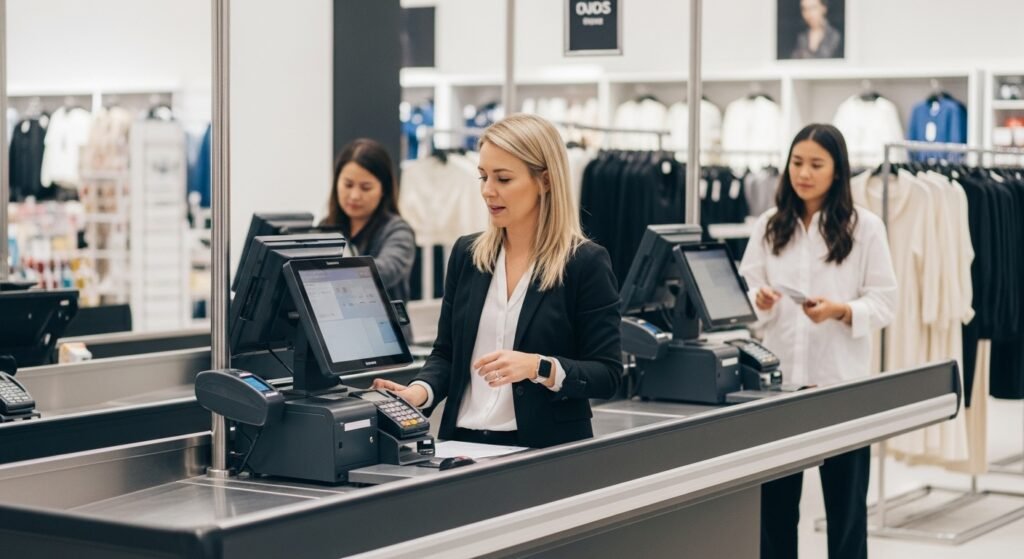
Traditional checkout lines follow a predictable flow, and that structure can feel reassuring. The presence of a cashier handling the scanning and payment removes uncertainty and allows you to focus on the overall shopping experience. In fashion, this preference for order often translates into a well-organized wardrobe and a consistent personal style. You likely know which brands fit you best and stick to silhouettes that complement your build, creating a dependable and polished appearance.
You See Shopping as More Than a Task
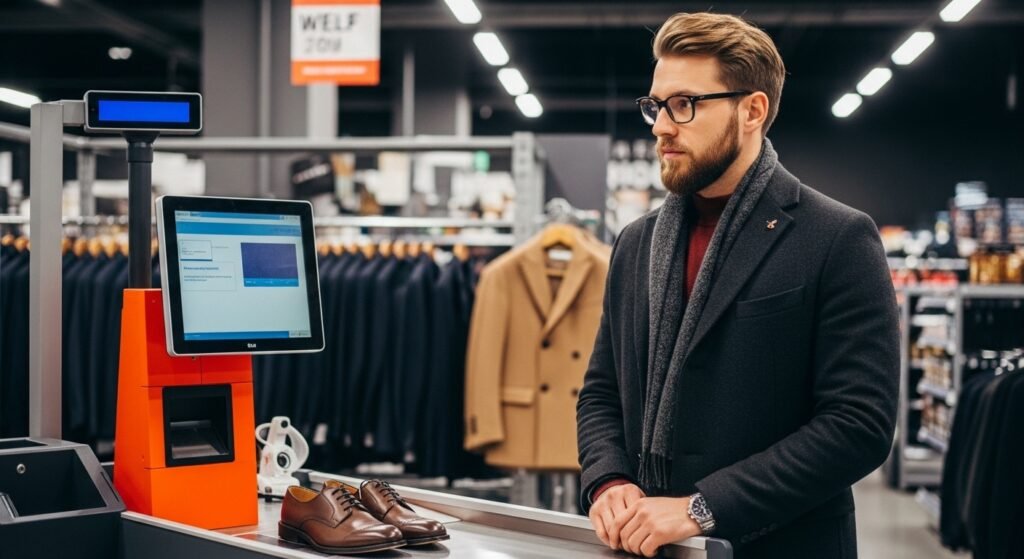
For many men, shopping is simply a chore to complete quickly. If you avoid self-checkout, however, you may view it as a purposeful activity that deserves attention rather than automation. This mindset often aligns with an interest in men’s fashion as a form of self-presentation. Whether selecting a new overcoat or investing in quality shoes, you treat the process as part of refining your image rather than just acquiring clothing.
You Trust People More Than Machines
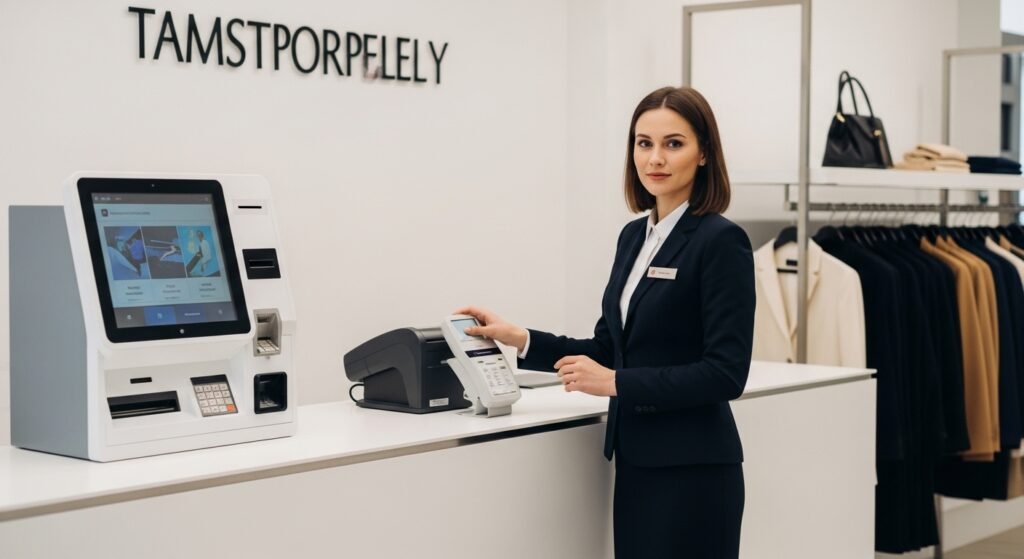
Technology offers convenience, yet it can also feel impersonal. Choosing a cashier over a machine suggests you place greater confidence in human interaction, especially when accuracy and service matter. In the fashion world, that trust might extend to tailors, stylists, and experienced sales professionals. You recognize that expertise and a trained eye can elevate your look in ways that no automated system can replicate.
You Notice the Details Others Overlook
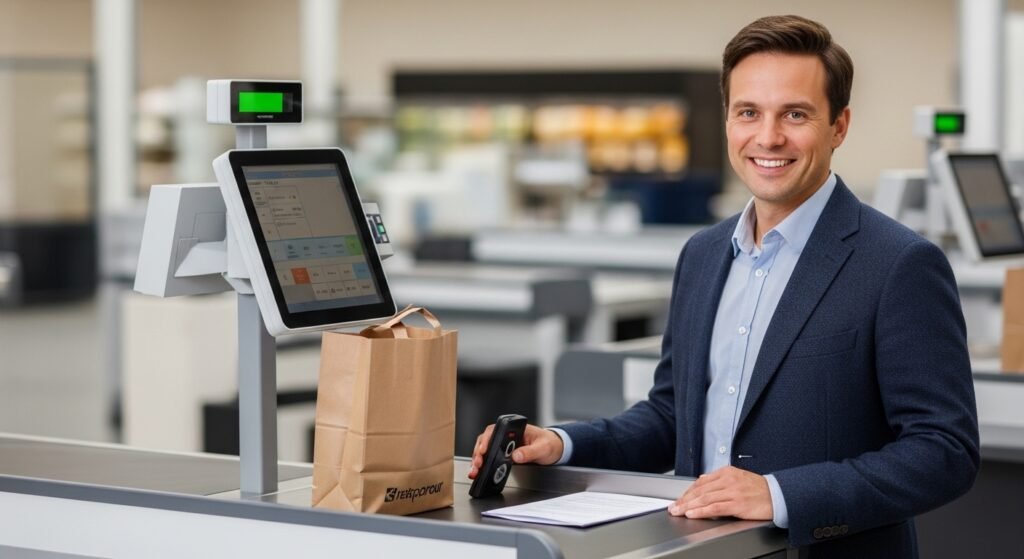
Self-checkout requires you to scan, bag, and manage every item yourself. If you prefer a staffed register, it may be because you appreciate the finer details of how purchases are handled and presented. That same attention to detail likely shapes your style. From the stitching on a jacket to the drape of a shirt, you notice subtle differences that others might miss, and those nuances guide your buying decisions.
You Value Accountability and Reliability
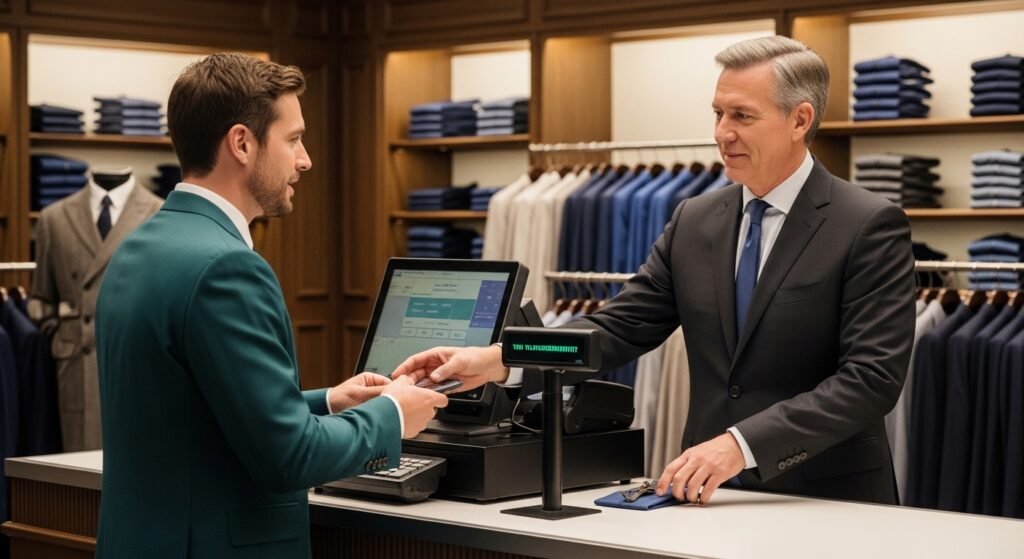
With a cashier, there is a shared responsibility in the transaction. Errors can be corrected quickly, and questions can be answered on the spot, creating a sense of reassurance. n men’s fashion, this trait often appears as loyalty to specific brands or stores that consistently deliver quality. You appreciate reliability and are willing to return to places that uphold standards rather than experimenting with unknown options.
You Associate Presentation With Respect

Standing in line and engaging with a cashier reflects a belief that everyday interactions matter. It signals that presentation and courtesy are not reserved for formal occasions but woven into daily life. That perspective naturally extends to how you dress. Even casual outfits are chosen with intention, because you understand that clothing communicates respect for yourself and for the people you encounter.