 Sarah Grey
Entering a closet filled with clothes but feeling that there is absolutely nothing to wear is one of modern life’s most familiar frustrations. We own more than ever yet feel less satisfied with our options. So I decided to run an experiment: for one full month, I would wear only ten items from my wardrobe. No shopping, no borrowing, no cheating. What happened over those thirty days changed how I think about clothing, consumption, and personal style.
The Initial Shock Of A Bare Closet
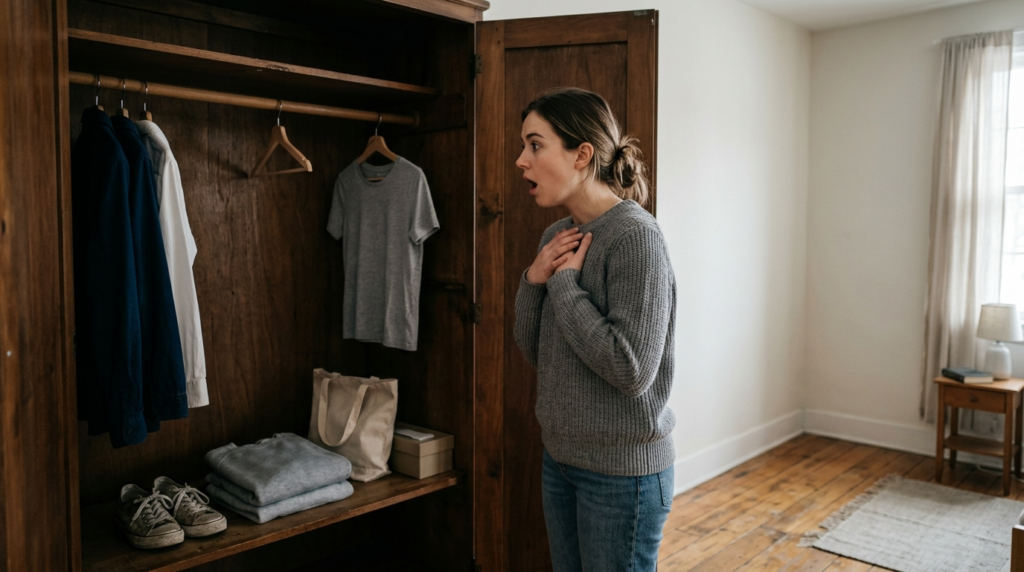
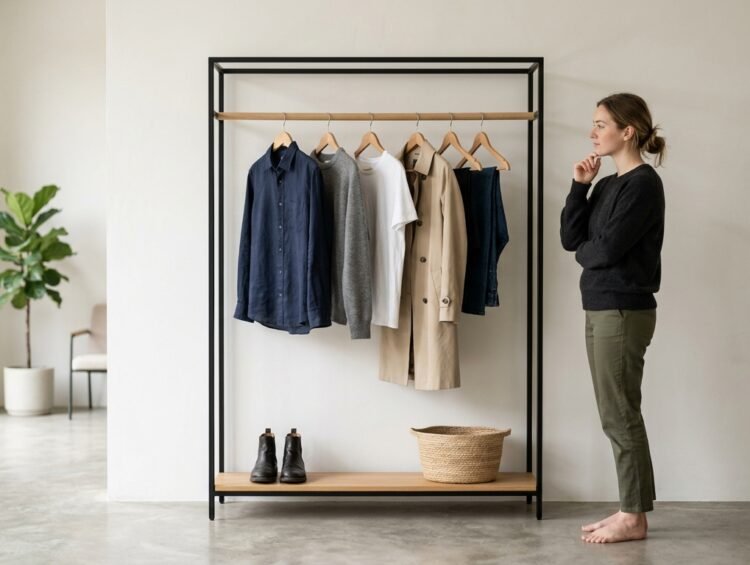
At first, the whole idea of facing a nearly empty closet was genuinely intimidating. I stood in front of ten hangers feeling a strange mix of liberation and panic. What if I got bored? What if something ripped? What if I had an event and nothing felt right? The first three days were the hardest, as I kept reaching for favorites that were now off-limits.
But something shifted around day four. The panic faded and was replaced by a surprising calm. Choosing an outfit took two minutes instead of twenty. The paradox of choice, that more options make us less happy, played out in real time. With only ten items, there was nothing to agonize over. I simply got dressed and got on with my day, and it felt like reclaiming hours of mental energy.
What Made The Cut: My Ten Items
Choosing the ten items was an experiment in itself. I prioritized versatility above all: dark jeans that work everywhere, a white button-down, a black tee, a cozy sweater, a simple black dress, comfortable sneakers, ankle boots, a tailored blazer, a warm coat, and a scarf that added color. Every piece had to earn its place by working in multiple combinations and suiting my actual daily life, not an imagined one.
The selection process revealed how many of my clothes were single-use: the top that only worked with one specific skirt, the shoes too uncomfortable for real walking, the “nice” items I was saving for occasions that never came. The ten I chose were the workhorses, the pieces I reached for when I wanted to feel good without thinking. They were not the most exciting items I owned, but they were the most honest.
Getting Creative With Simple Layers
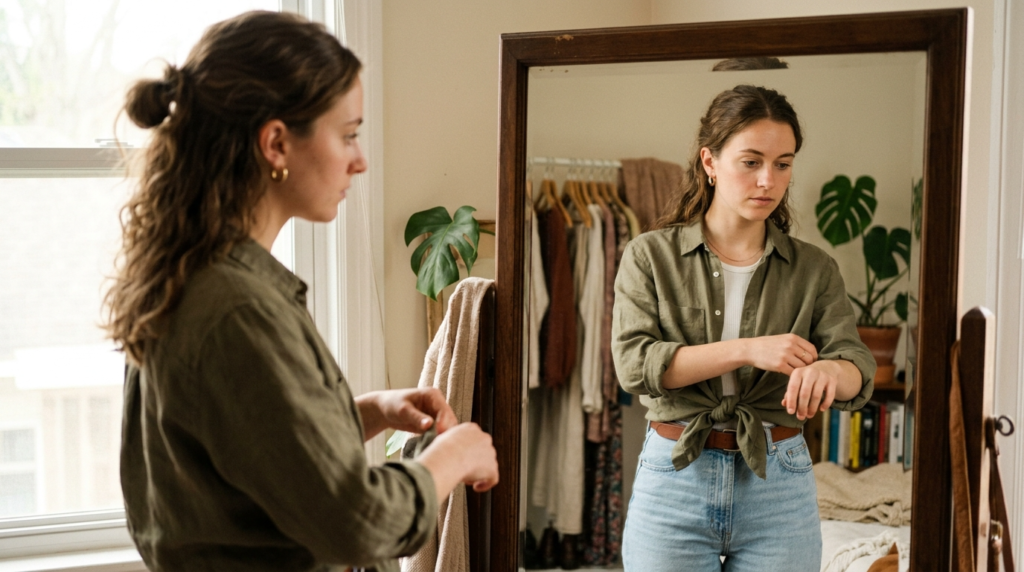
Having only a few choices forced me to consider my clothes in an entirely different way. A simple button-down became a jacket when worn open over a tee, a dress transformed with a sweater layered on top, and accessories I had ignored for months suddenly became essential tools for variety. Constraint, I discovered, is the mother of creativity.
By week two, I was combining pieces in ways I had never attempted with a full closet. Tucking, rolling, layering, and knotting turned ten items into dozens of distinct outfits. I learned that versatility matters far more than volume. A well-chosen small wardrobe outperforms a sprawling one because every piece earns its place and works hard.
The Unexpected Boost In Mental Clarity
There is a certain calm that comes from knowing exactly what you will wear each day without deliberation. Decision fatigue is real: every small choice depletes the mental energy available for bigger ones. Eliminating the daily wardrobe debate freed up surprising amounts of focus for work, relationships, and creative thinking.
This is why so many successful people adopt uniform dressing. It is not about a lack of imagination but about conservation of attention. My ten-item month gave me a taste of that clarity. Mornings became peaceful instead of frantic, and I started my days feeling composed rather than already behind. The mental benefits alone made the experiment worthwhile.
The Hardest Days Of The Challenge
Not every day was easy. Around day twelve, I was invited to a dinner where everyone would be dressed up, and my ten items suddenly felt inadequate. I spent an hour styling and restyling, convinced I looked boring compared to what I imagined others would wear. I almost quit the experiment entirely. But I went, felt fine within twenty minutes, and realized the anxiety had been entirely in my head.
Day twenty brought a different challenge: sheer boredom. I was tired of the same textures, the same colors, the same familiar silhouettes in the mirror. But pushing through that boredom taught me something valuable about myself. The constant urge for novelty was a conditioned habit, not a genuine need. By day twenty-five, the restlessness had passed and been replaced by a deep appreciation for simplicity. The hardest days turned out to be the ones that taught the most.
Laundry Habits Underwent A Major Shift
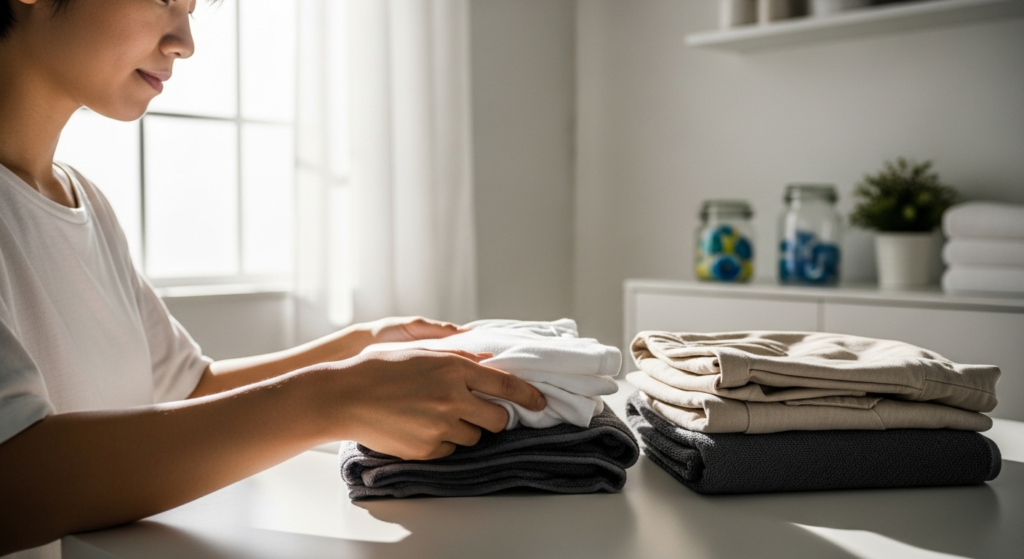
With less available to wear, my laundry habits had to change completely. Instead of letting clothes pile up for a weekly mega-load, I washed small batches every few days. It forced a rhythm that was actually more efficient: no more overflowing hampers, no more marathon folding sessions, no more discovering I had nothing clean at the worst possible moment.
I also became much more intentional about garment care. When you only have ten items, you treat each one well: reading care labels, air-drying delicates, addressing stains immediately instead of letting them set. My clothes lasted better because they had to. The experiment taught me that a smaller wardrobe does not mean more laundry stress; it means smarter, steadier habits.
Redefining The Meaning Of Personal Style
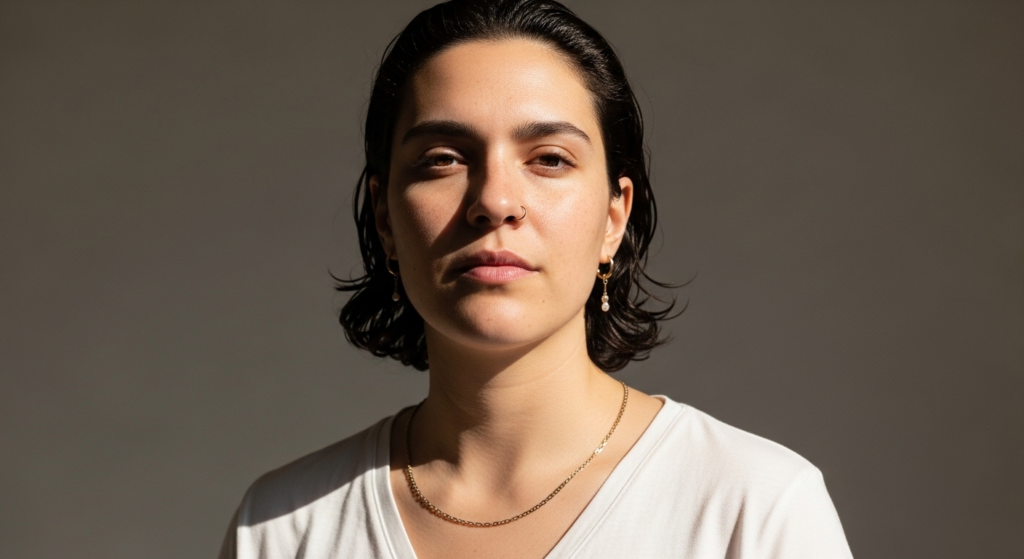
Stripping away excess forced a genuine exploration of what I actually like to wear versus what I think I should like. Without the noise of dozens of competing options, clear preferences emerged: the soft fabrics I instinctively reach for, the silhouettes that make me feel like myself, the colors that suit my actual life. My personal style became sharper precisely because it had less to hide behind.
I realized that much of my wardrobe had been aspirational rather than actual: clothes for a life I did not lead, trends I did not truly love, sizes I was waiting to fit into someday. The ten items I chose were honest. They reflected who I am right now, not who I was pretending to be. That honesty turned out to be the foundation of real, lasting style.
The Financial Benefits Of Not Shopping

Not entering clothing stores and muting shopping content for a full month had an immediate and measurable financial impact. Without constant exposure to new arrivals, sales notifications, and targeted social media ads, the urge to buy simply faded away. I saved a significant amount of money without feeling deprived, because deprivation was never the point; the experiment replaced shopping with something far more interesting.
More importantly, I broke the deeply ingrained reflex of treating shopping as entertainment or emotional regulation. Feeling bored? Sad? Celebrating something? The old answer was always to buy something new. A month without that option forced healthier responses: calling a friend, going for a walk, cooking a good meal, actually feeling the feeling instead of shopping through it. Both my bank account and my mindset improved measurably.
Navigating Different Social Settings
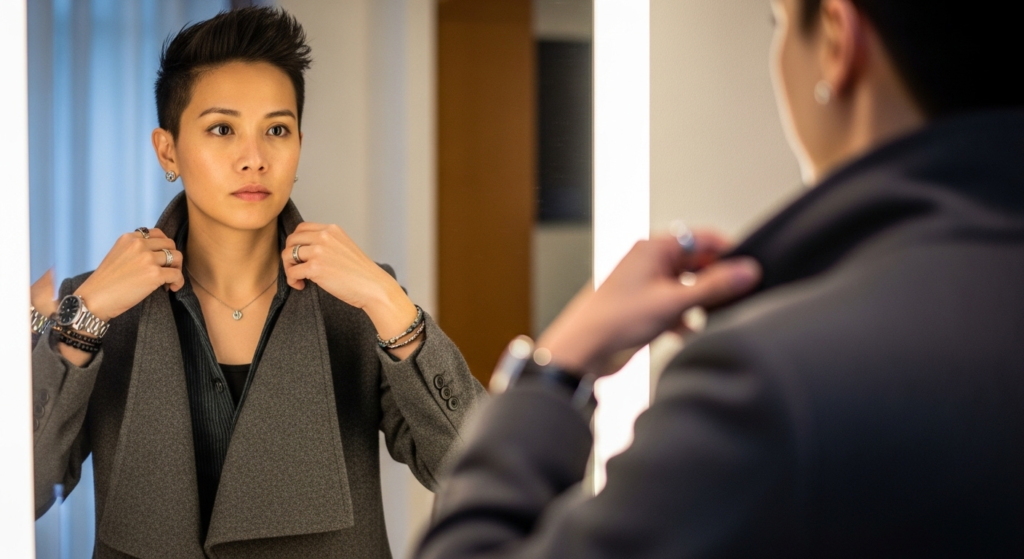
Wearing the same ten items to a casual weekend brunch and a formal work meeting required genuine styling skill and creativity. I learned to dress individual pieces up and down through accessories, grooming, layering, and above all, attitude. A simple black dress worked beautifully everywhere with the right shoes and self-assurance. Context, I discovered, is created far more by how you carry yourself than by the specific clothes you wear.
Nobody noticed the repetition nearly as much as I had feared they would. People are far too absorbed in their own lives and concerns to track what you wore last Tuesday. And on the rare occasions when someone did notice, the reaction was admiration and curiosity rather than judgment. Owning the experiment openly turned potential embarrassment into fascinating conversations about consumption, values, and intentional living.
A New Perspective On Fast Fashion
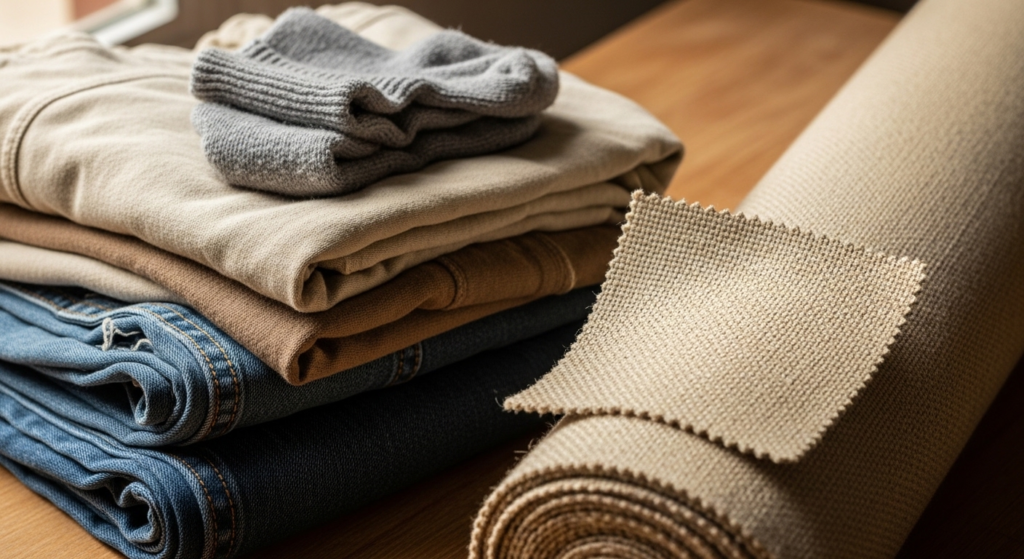
This experiment made it crystal clear which items in my closet are genuinely durable and which ones fall apart after just a few wears. The well-made pieces among my ten looked better on day thirty than the cheap fast-fashion items did on day three. Fast fashion’s false economy became impossible to ignore: the “bargain” top that pills, warps, and loses its shape immediately is no bargain at all.
I also confronted the environmental weight of my old shopping habits in a visceral way. The fashion industry ranks among the world’s largest polluters, and every discarded cheap garment contributes to overflowing landfills and wasted resources. Wearing ten items for a month made the abstract statistics concrete and personal. Going forward, I would far rather own less of demonstrably better quality, chosen carefully and worn for years.
Moving Forward With A Leaner Wardrobe
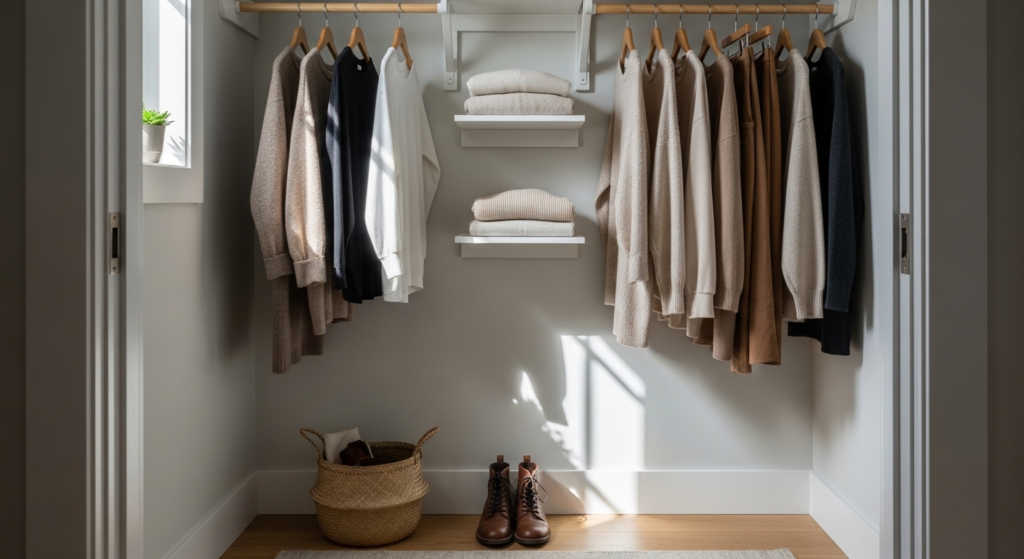
Although the thirty-day month is over, the desire to stuff everything back into the closet is completely gone. The insights from the experiment stuck: I now know exactly which pieces I truly love wearing, which silhouettes genuinely work for my body and life, and how little I actually need to feel well-dressed. I donated bags of clothes without a moment of regret and kept only what truly earns its place.
My wardrobe is still not down to ten items; I am not a minimalist monk and never will be. But it is dramatically leaner, far more intentional, and more authentically me than it has ever been. Getting dressed remains easy, shopping remains rare, and my personal style is clearer than ever before. The formal experiment ended, but the lessons are permanent. Sometimes the very best way to find your style is to take almost everything away.
Less Really Is More
Thirty days, ten items, countless lasting lessons. The wardrobe challenge taught me that genuine style comes from knowing yourself deeply, not from owning more things; that creativity truly thrives under constraint; that money not spent is freedom earned; and that nobody is watching your outfits nearly as closely as you imagine. If your closet is overwhelming you, try the experiment for yourself. You might be genuinely surprised by how little you actually need to feel completely like yourself.