 Richal Miller
 We have all been dreaming of that European vacation of our dreams, and we only imagined having a valid passport and some form of adventure to sail through customs. Nonetheless, the traveling environment is changing drastically this year, and your blue booklet may not be of much use, as you run the risk of missing your flight unexpectedly. The only way to make sure that your vacation is stress-free is to keep up-to-date with these new digital requirements.
The New Digital Doorbell
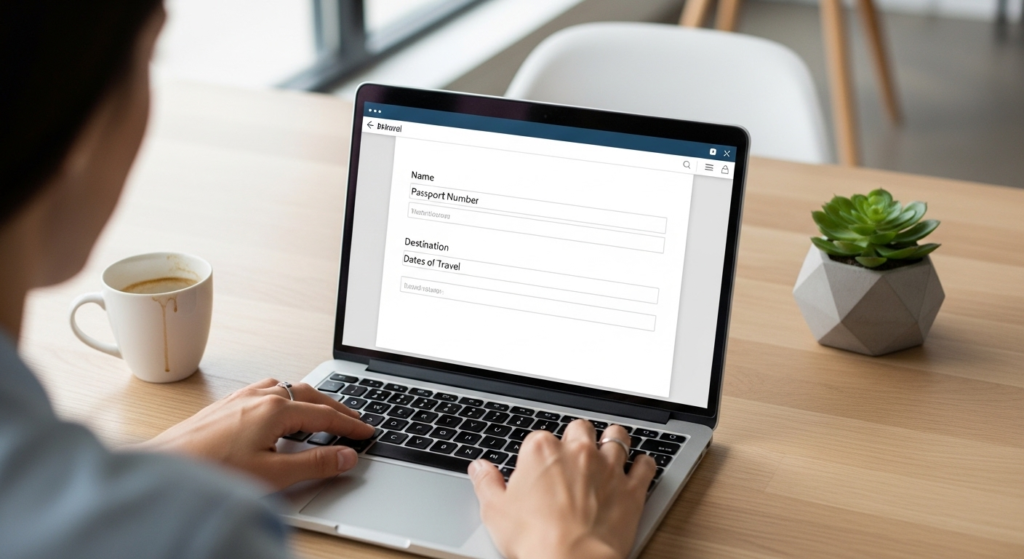
Late in 2026, the European Union will launch a pre-travel authorization called ETIAS. This online permit could be compulsory for every American even prior to flying to the airport.
Saying Goodbye To Stamps
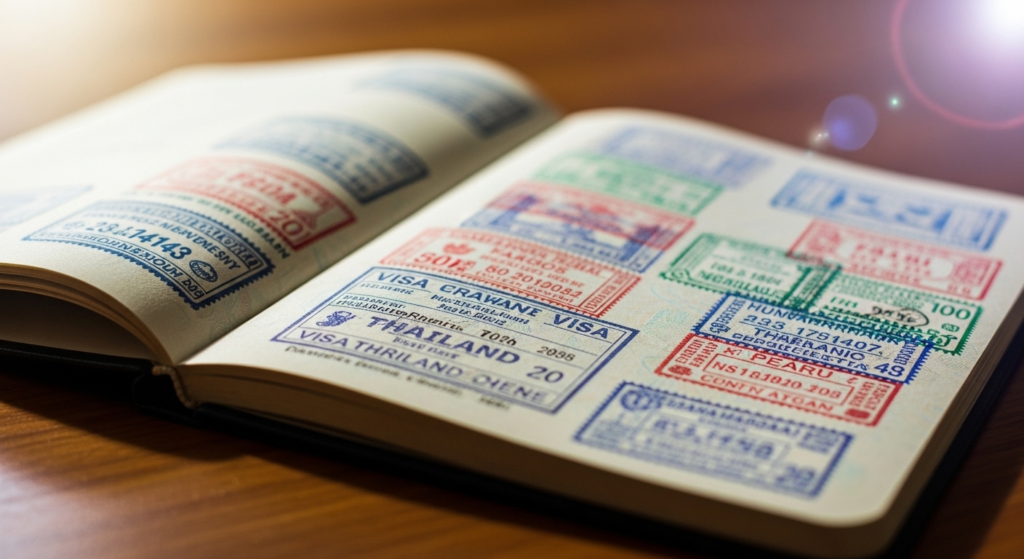
The entry-exit system is replacing the traditional ink stamps that we are used to collecting. This technology upgrade might be in a position to monitor your stay period with a lot more precision than the manual ones.
Sharing Your Biometric Data
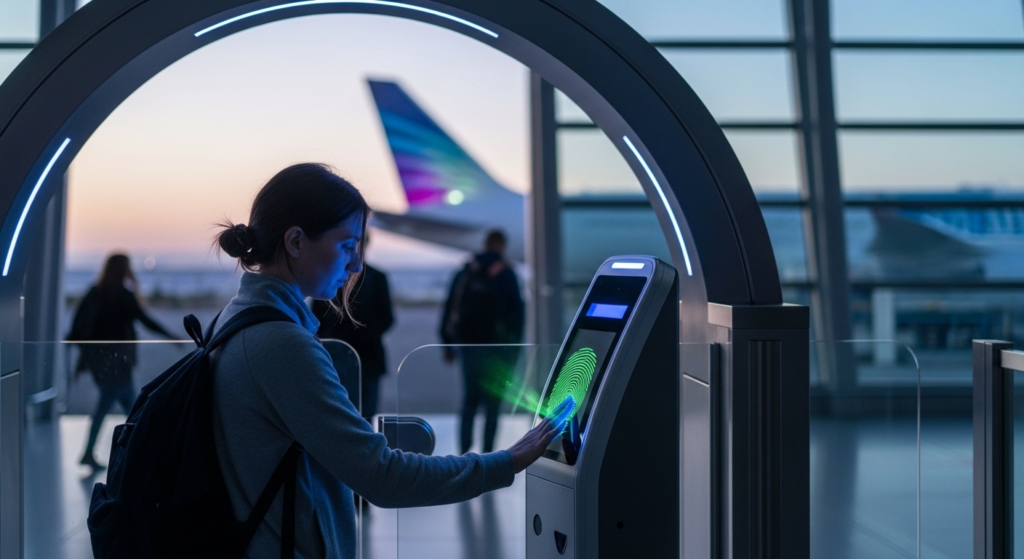
The first thing you can expect to receive in the Schengen Area this year is a request to give fingerprints and a facial scan upon landing. This is a security measure that may come to be a norm in international traveling.
The Small Processing Fee
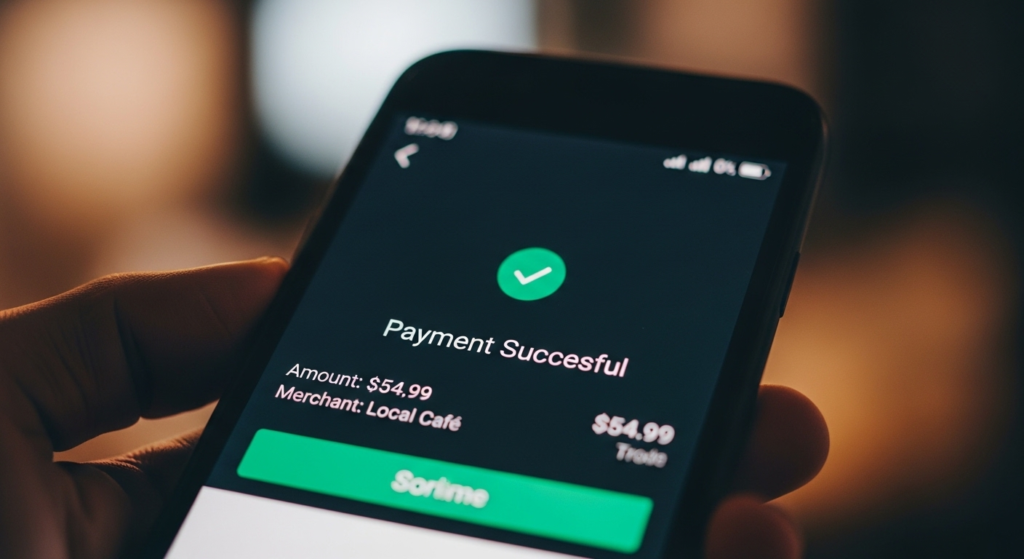
To apply for your traveling authorization will not be very expensive; it will probably cost you about twenty euros. Although it does not cost a lot, it is a necessary stage to go through online.
Understanding The Uk Requirement
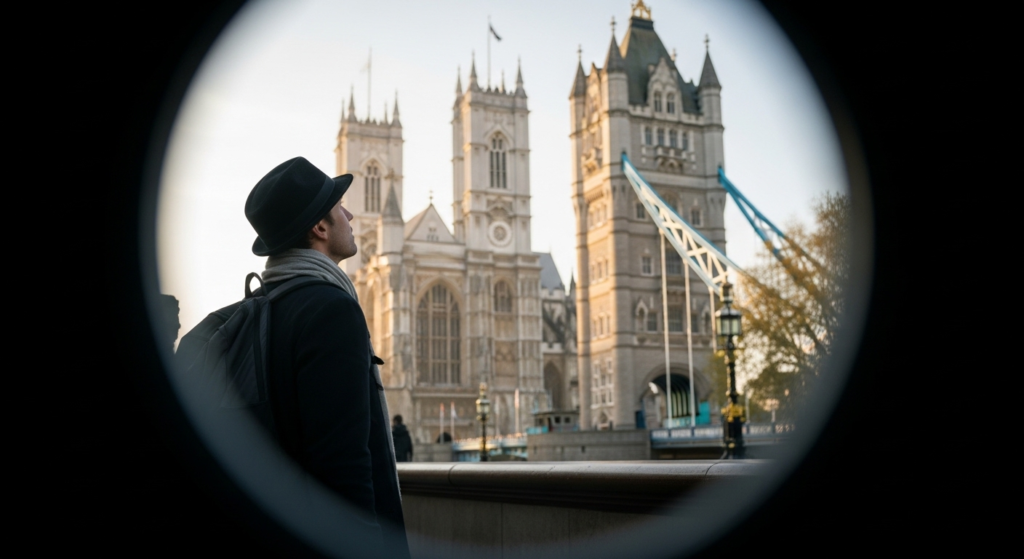
When visiting London, as part of your trip, keep in mind that the United Kingdom has a separate authorization. It implies that you may be required to have two digital permits to take one trip.
Applying Well In Advance

Although a great number of applications may be granted within minutes, authorities recommend at least seventy-two hours prior to departure. Any possible technical hitches or additional security checks can be done in this window.
The Three-Year Window

After your new digital authorization is approved, it could remain effective up to three years. This might even simplify the process of planning follow-up trips to Europe.
Self-Service Kiosk Arrival
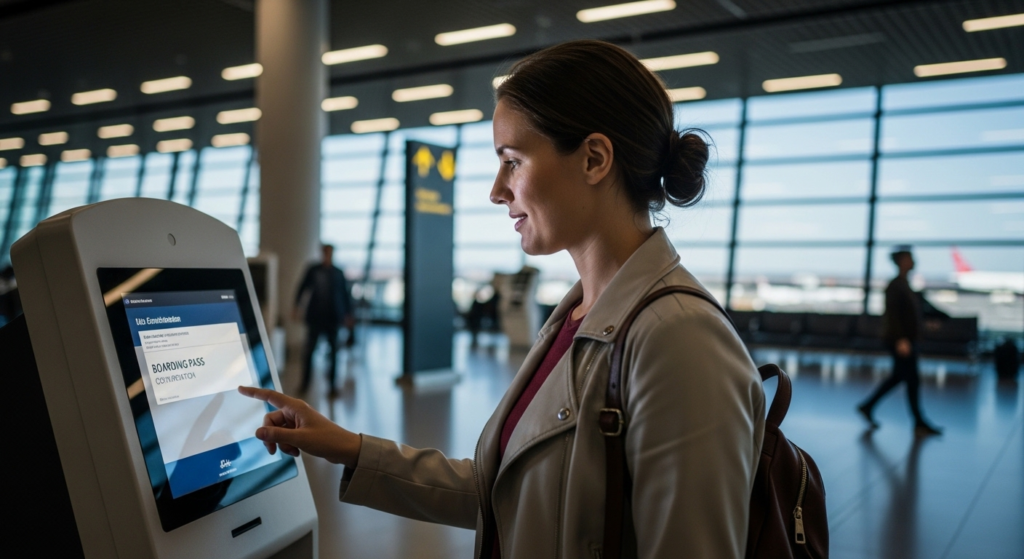
Most of the large airports in Europe are currently installing automated check-in kiosks for passengers who have biometric passports. The possible result of using these machines is that you can greatly hasten your visit to the crowded customs lines.
Digital Records Over Paper
Your travel history will now be stored in a centralized database as opposed to being stored only on your passport pages. The change may make life easier for frequent fliers and business travelers.
Proving Your Return Plans
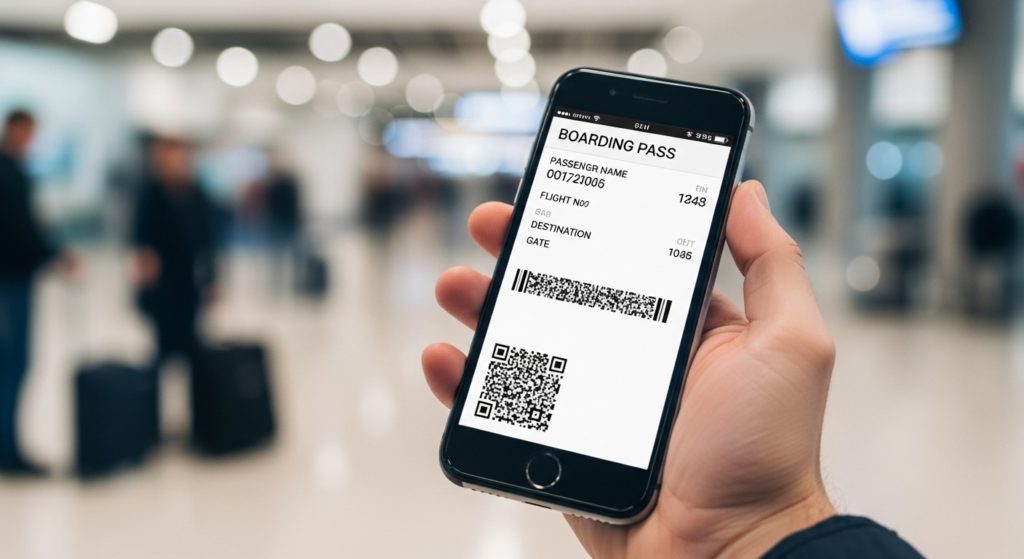
Border officers may still request to look at a confirmed return ticket or evidence of onward travel. It is possible that having these documents on your phone may make your entry a lot easier.
Health Insurance Considerations
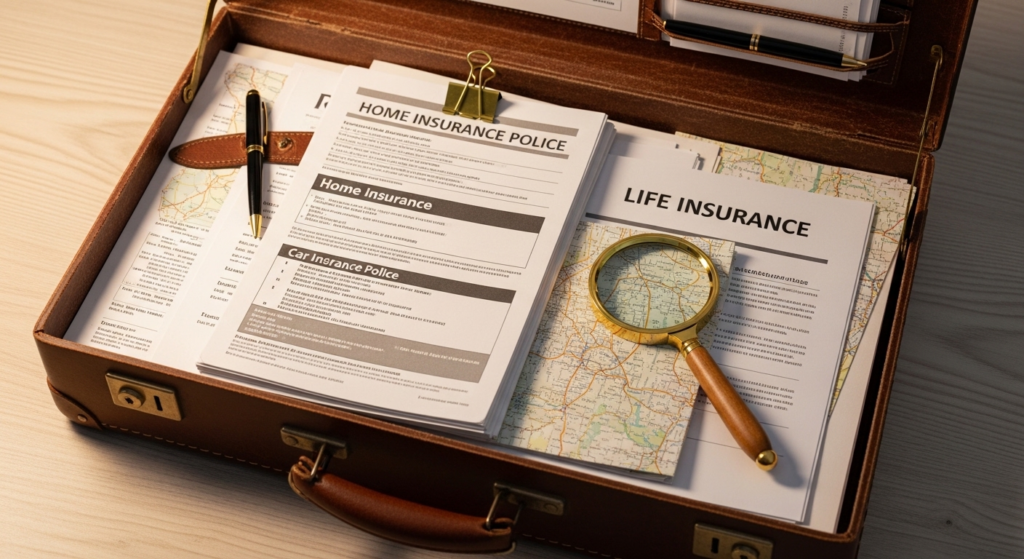
While not always a strict requirement for the digital permit, having travel insurance is often highly recommended. It may even cover you against high medical bills in case of an unexpected foreign crisis.
The End Of Visa-Free Walk-Ups
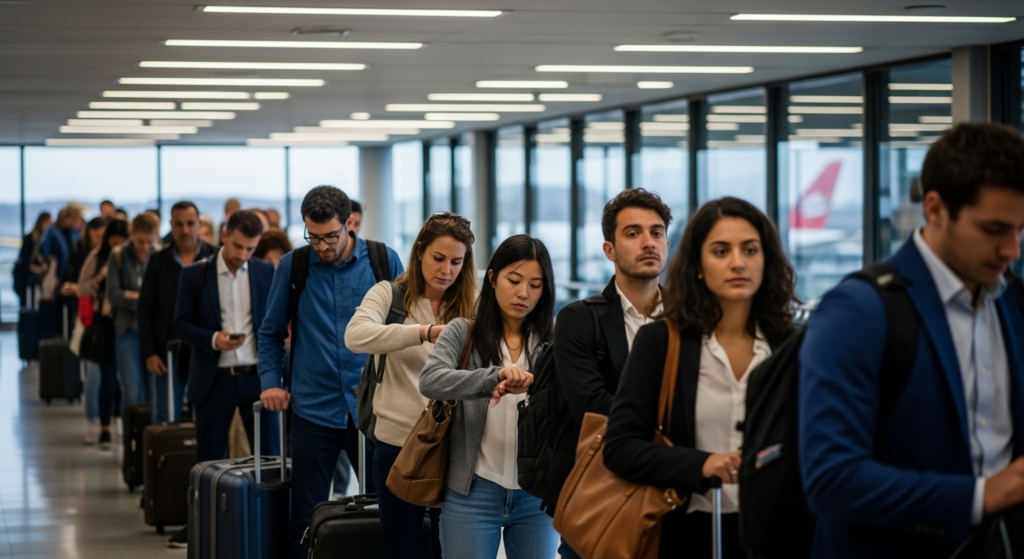
The days of merely turning up and stamping in are probably fading away. Most international travelers will at some point in their lives have to adapt to this new digital reality.
Mobile App Convenience
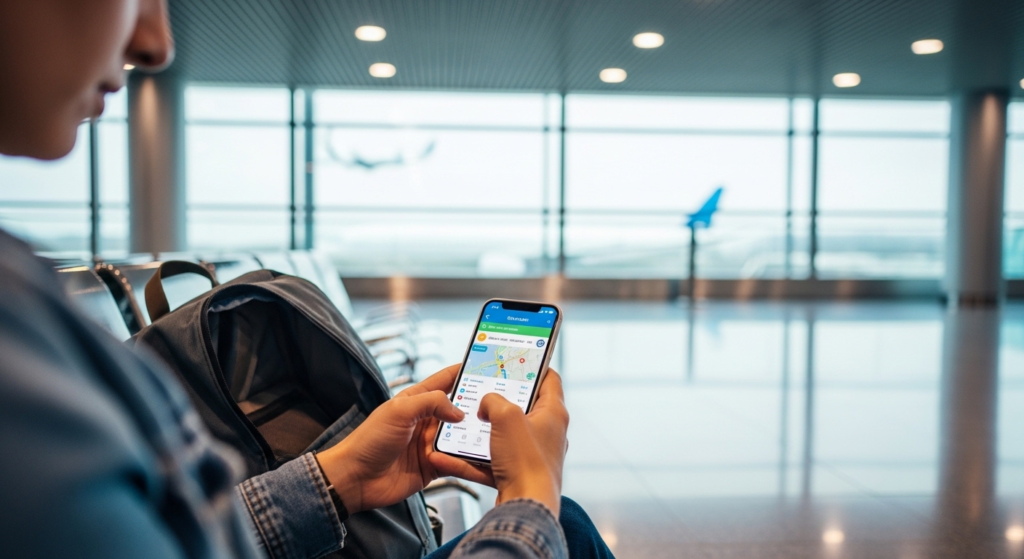
The European Union plans to launch an official app for handling these new travel authorizations. Handling your information on your mobile phone can possibly be the most effective means of remaining compliant.
Staying Updated On Changes
Travel regulations may at times change with minimal notice when new systems are rolled out. Monitoring the official government travel websites may possibly eliminate any last-minute surprises.