 Sophia Martinez
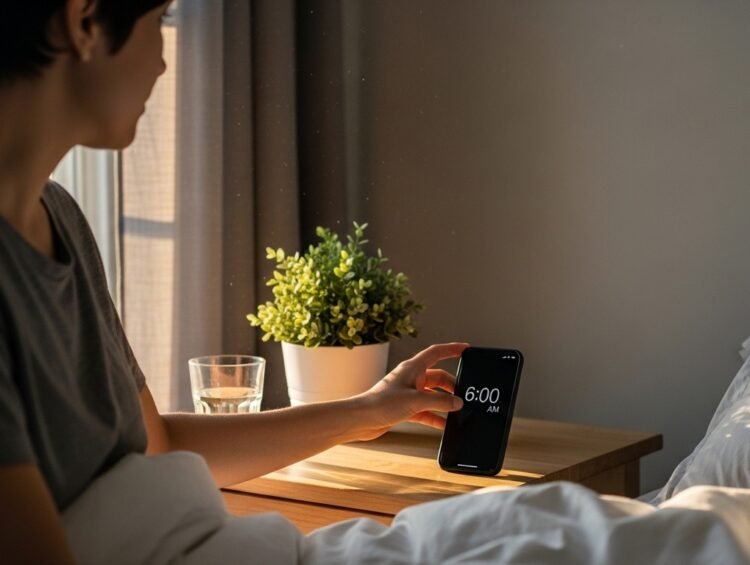
 For years, my mornings began with a familiar ritual: the alarm rang, I tapped snooze, and I promised myself five more minutes that rarely felt restful. Eventually, I wondered what would happen if I simply stopped negotiating with my alarm clock and stood up the moment it rang. So I committed to a 30-day no snooze rule, curious whether such a small change could truly reshape my energy, focus, and overall routine.
The First Morning Shocked My System

On the first day, getting up immediately felt abrupt and almost unnatural because my body had grown accustomed to drifting in and out of light sleep during those repeated snooze cycles. Instead of easing into the day, I felt a jolt of resistance, but I also noticed a surprising clarity that came from making one decisive action without hesitation.
I Realized Snoozing Was Not Restful Sleep
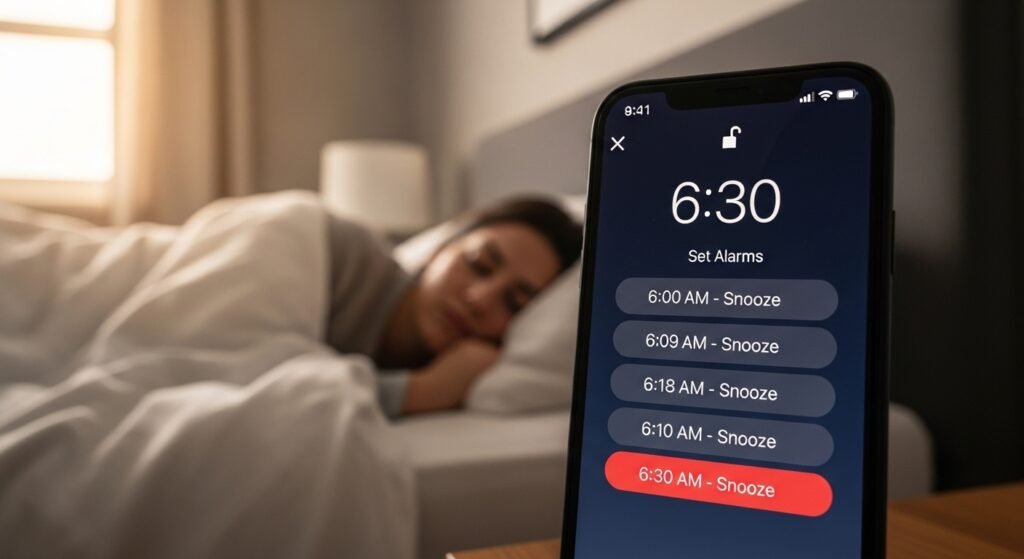
As the days progressed, I learned that hitting snooze was not giving me meaningful rest but fragmenting my final sleep cycle and leaving me groggier. Research shows that interrupted sleep, especially in short bursts, can increase sleep inertia, which explains why I often felt more tired after multiple alarms than when I finally rose on the first ring.
My Mornings Became More Structured

Without the cushion of extra minutes, I had to prepare more intentionally the night before, which meant setting out clothes, organizing my workspace, and choosing a realistic bedtime. This structure created a smoother start because I was no longer scrambling to make up lost time from repeated snoozing.
My Energy Levels Evened Out Throughout the Day

By the second week, I noticed fewer dramatic dips in energy during midmorning hours, likely because I was waking up at a consistent time and reinforcing my circadian rhythm. Waking at the same moment each day helped my internal clock stabilize, making mornings feel less like a battle and more like a predictable transition.
I Became More Accountable to Myself

Standing up when the alarm sounded became a small but powerful act of self-discipline, reinforcing the idea that I could keep promises made to myself. That simple commitment carried into other areas of my day, where I found it easier to start tasks without procrastinating.
My Evenings Started to Matter More

Knowing I would not rely on snooze forced me to respect my bedtime, since adequate sleep became essential rather than optional. I began winding down earlier, limiting late-night distractions, and prioritizing seven to eight hours of rest to ensure the alarm would not feel punishing the next morning.
Stress Around Mornings Decreased

Ironically, removing snooze reduced anxiety because I was no longer half-awake and calculating how many minutes I could afford to lose. The predictability of getting up right away removed the mental tug-of-war and replaced it with a calmer, more straightforward routine.
I Learned That Motivation Follows Action

I had always believed I needed to feel motivated before getting out of bed, but the experiment taught me that action often comes first and motivation follows. Once my feet touched the floor, momentum built quickly, and the dread I once associated with mornings faded faster than expected.
The Results Were Subtle but Lasting

After 30 days, I was not transformed into a radically different person, yet the shift in how I approached mornings created a noticeable ripple effect throughout my schedule and mindset. The no snooze rule did not magically increase my productivity overnight, but it strengthened consistency, improved sleep quality, and replaced hesitation with intention, proving that small behavioral changes can have a meaningful long-term impact.