 Sophia Martinez
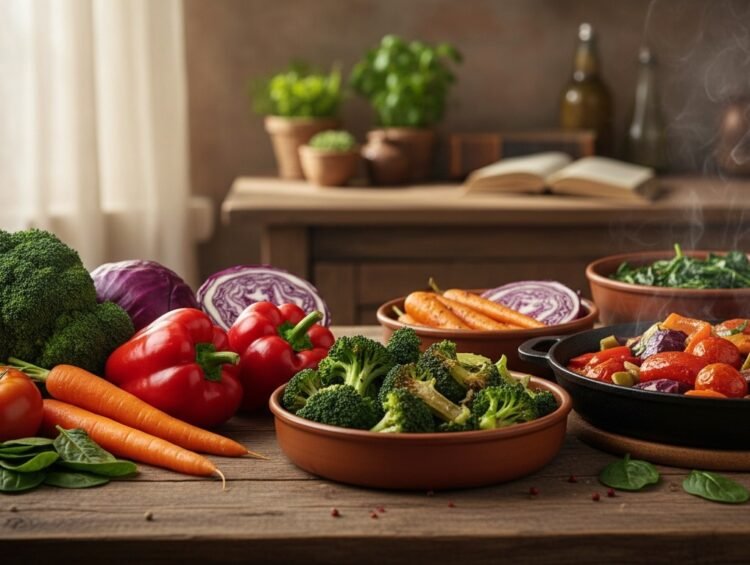
 It’s common to believe uncooked greens are automatically better for you – yet there’s more to it. Cooking might actually increase the availability of key nutrients in certain plants, helping your system take in helpful substances more freely. Breaking down rigid plant structures through warmth exposes useful elements that may otherwise stay locked away. Surprisingly, gentle heat can also weaken natural barriers to absorption, allowing broader benefits across different foods. Some veggies gain health and flavor by cooking, say nutrition studies plus dietitians. Nine examples stand out: they’re better eaten warm than cold from the fridge.
Carrot Tops

A burst of color hides what grows above carrots – full of vitamins A, K, plus protective compounds that fight breakdown. Heat for just a moment softens pungency while turning some key ingredients easier to take in by the body. Throw them into simmering broth or cook briefly in butter until tender, bringing depth without showing up in common dishes.
Tomatoes

Full of lycopene, tomatoes bring a powerful antioxidant that supports healthy hearts. Heat helps the body absorb it better – when walls in food cells break down, the compound slips freely into meals. What pools on bread or drips from roasted peppers tends to deliver more nutrients than sliced salads.
Beet Greens
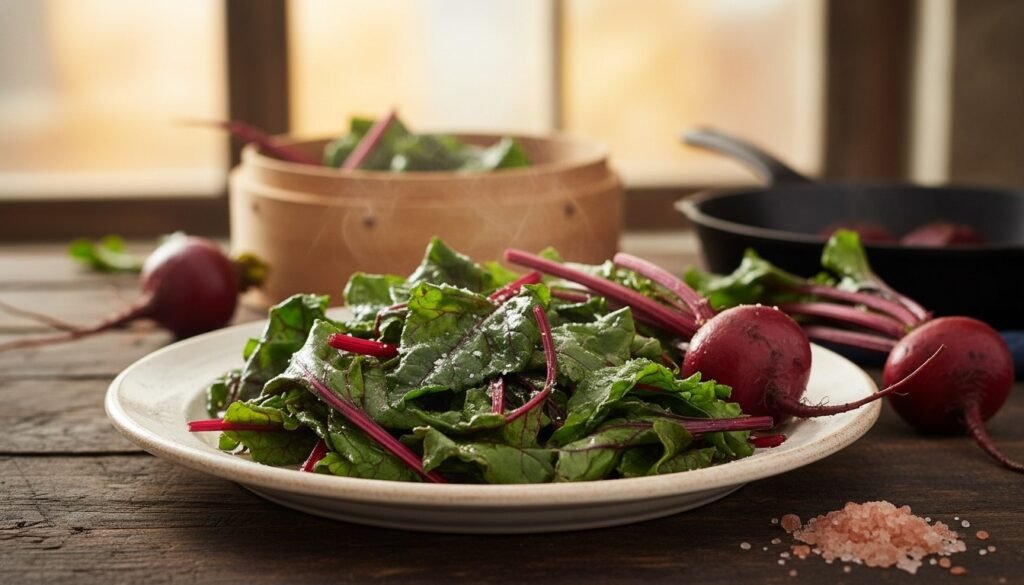
Beet greens show up less, yet they carry rich amounts of minerals along with color-rich pigments. When lightly cooked, oxalates drop – this helps calcium, iron, and magnesium enter the body better. Heat from sautéing or steaming holds onto food value while turning fibrous parts gentle on the tongue.
Mushrooms

When mushrooms cook, their antioxidant power often grows along with key substances tied to immune function. Heat may clear out parts that could irritate the body while making them easier to absorb. Whether browned in a pan, roasted slowly, or cooked on a grill, they gain depth of taste plus better intake of nutrients.
Asparagus
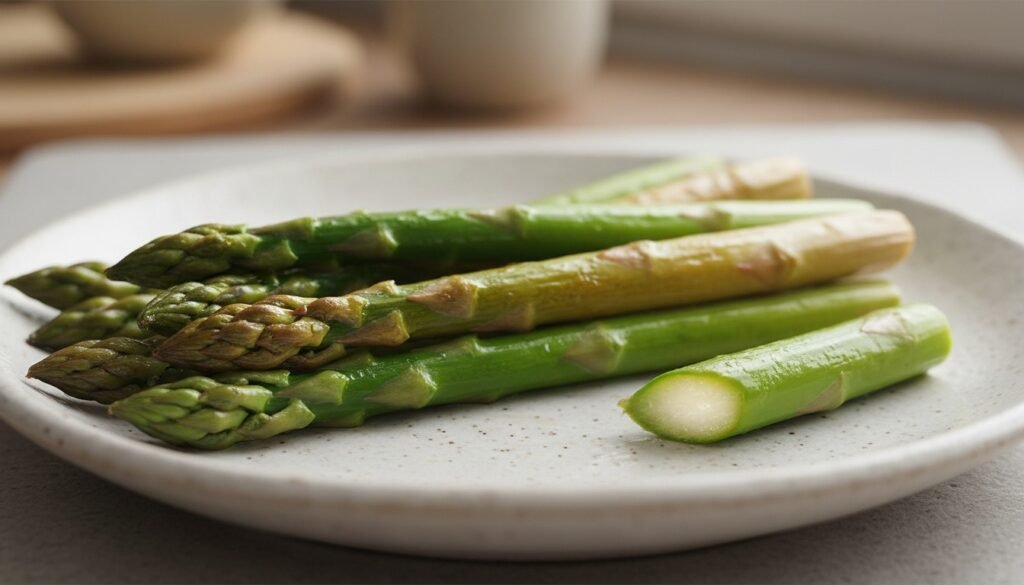
Ferulic acid and related feruloyl forms show high antioxidant activity in asparagus. Heat changes how these substances interact with the body – steaming or roasting tends to unlock them better. Even when cooked, asparagus often breaks down more smoothly during digestion. Its bright taste stays just as strong after preparation.
Kale
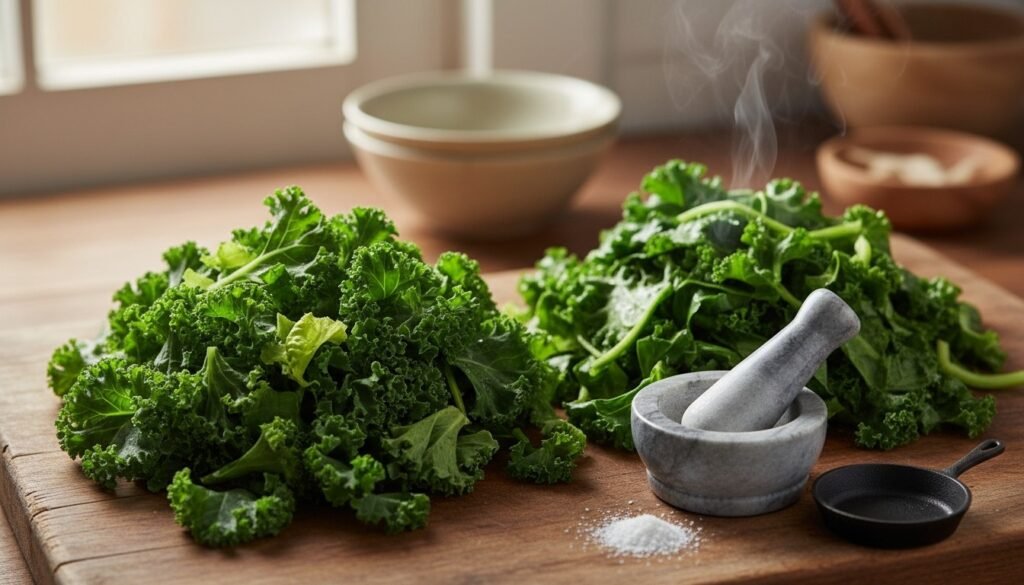
Raw kale shows up in salads, yet heat breaks down oxalates – this helps the body take in more calcium, iron, and magnesium. A quick steam or pan cook softens the stalks without losing vital texture or active compounds. Vitamins stay intact when methods stay gentle.
Eggplant

Fibers soften when eggplants roast or grill – heat shifts their structure. Inside those purple pockets, nasunin stands ready, trapped in the outer peel. This pigment blocks activity tied to oxidation, active but quiet. Tenderness arrives not by magic but motion: molecules realign across heat waves. Aroma molecules rise too, blending quietly into simmering sauces.
Kale Stems
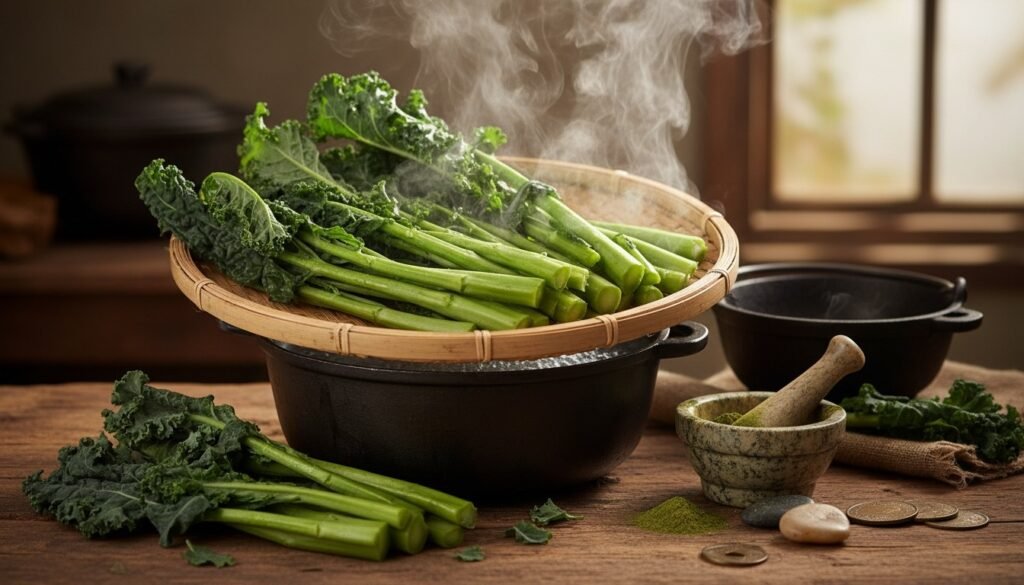
Though tougher, the kale stem packs denser texture and deeper fiber structure than the leaf parts. A gentle heat – say steaming or slow cooking – breaks down those stiff strands, unlocking nutrients easier. This method also pulls out better use of minerals like calcium and iron, along with antioxidant levels, all without dragging out the prep clock when stems feel hard.
Zucchini

When heated gently, zucchini sends carotenoids into the body where they matter. A quick stir on the stovetop brings out vitamin C along with unseen helpers inside the flesh. Steam rises, bringing clarity to how well the nutrients mix in liquid meals or baked layers. What once was tough now slips past digestion barriers without effort.