 Sarah Grey
If you are an American dreaming of a European vacation, here is something you need to know: your passport alone is no longer enough. Europe has introduced new digital travel requirements that every American visitor must complete before boarding. Show up without them, and you could be denied boarding. Here is the complete guide to what Americans need for Europe in 2026.
Whether you are headed to Paris, Rome, Barcelona, or London, these are the must-know entry requirements.
1. ETIAS: Your Pre-Travel Authorization
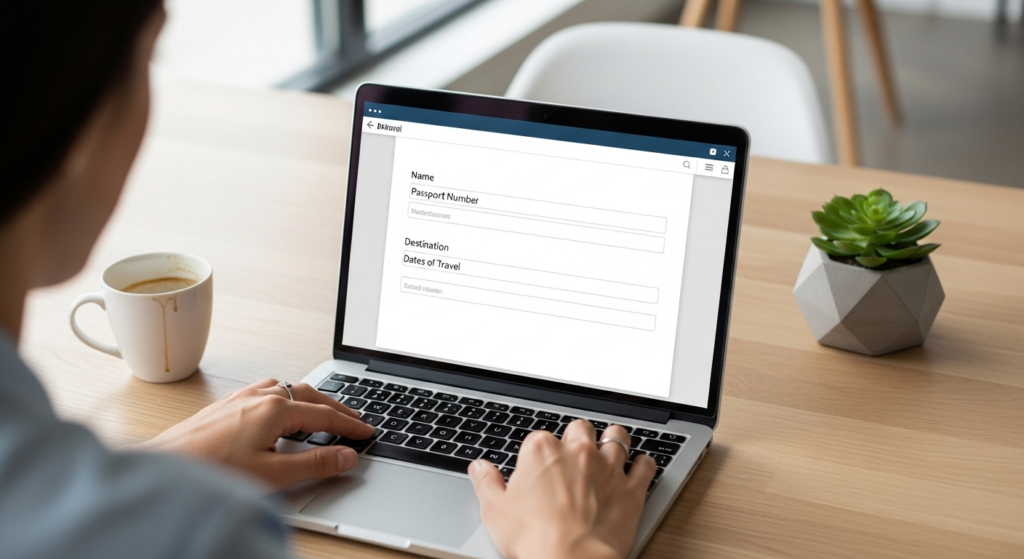
ETIAS, the European Travel Information and Authorisation System, is a pre-travel authorization that American citizens must obtain before visiting the Schengen Area. It is similar to the US ESTA system that Europeans use to visit America. You apply online, answer security questions, and receive authorization linked to your passport.
This is not a visa, but it is mandatory. Airlines are required to verify your ETIAS authorization before boarding. Without it, you will not get on the plane. The application takes about ten minutes, and most approvals come through quickly. But do not leave it to the last minute. Apply at least a few weeks before your trip to allow time for any issues.
2. Goodbye to Passport Stamps
The Entry/Exit System (EES) replaces manual passport stamps with electronic records. When you arrive in the Schengen Area, your entry is logged digitally. When you leave, your exit is logged. The system automatically calculates how many days you have spent in the Schengen zone.
For Americans, this means no more collecting stamps as souvenirs. But it also means no more ambiguity about your 90-day limit. The system tracks everything precisely. Overstays are detected automatically. The 90 days within any 180-day period rule is now enforced by technology, not by border officers squinting at faded ink.
3. You Will Provide Biometric Data
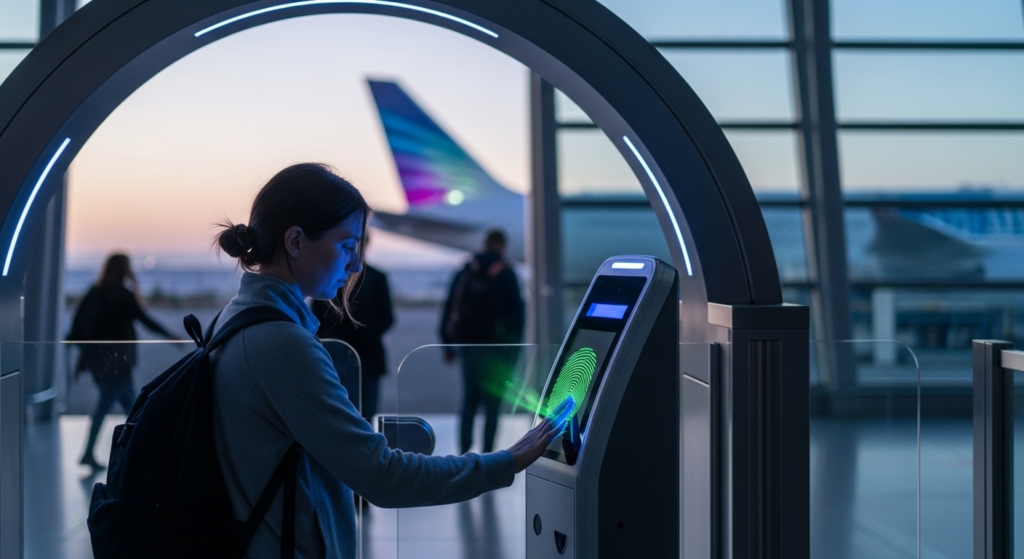
Under EES, American travelers provide biometric identifiers on arrival: a facial image and fingerprints. This data verifies your identity and links your entries and exits to you personally. It is the same kind of biometric collection the US has used for foreign visitors for years.
Your first entry takes the longest because the system creates your initial file. Subsequent entries are faster. The process is quick and mostly contactless. Your data is protected under EU privacy regulations and used only for border management. It is the new standard for international travel, and Americans already go through similar procedures when foreigners visit the US.
4. The ETIAS Fee Is Small
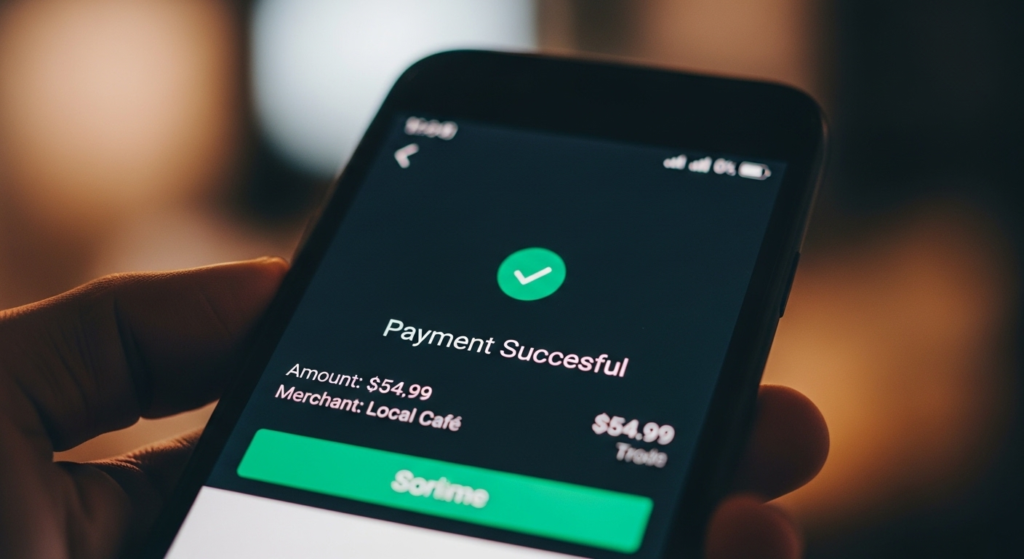
The ETIAS application includes a processing fee of around seven euros, roughly eight dollars. This covers the security screening of your application. Travelers under eighteen and over seventy are typically exempt from the fee, though they still need the authorization.
Eight dollars for multi-year travel authorization is a bargain. But be careful where you apply. Use only the official EU ETIAS website. Third-party sites charge inflated service fees for something you can do yourself in ten minutes. The official application is straightforward. Do not pay extra for middlemen.
5. The UK Has Its Own System: ETA
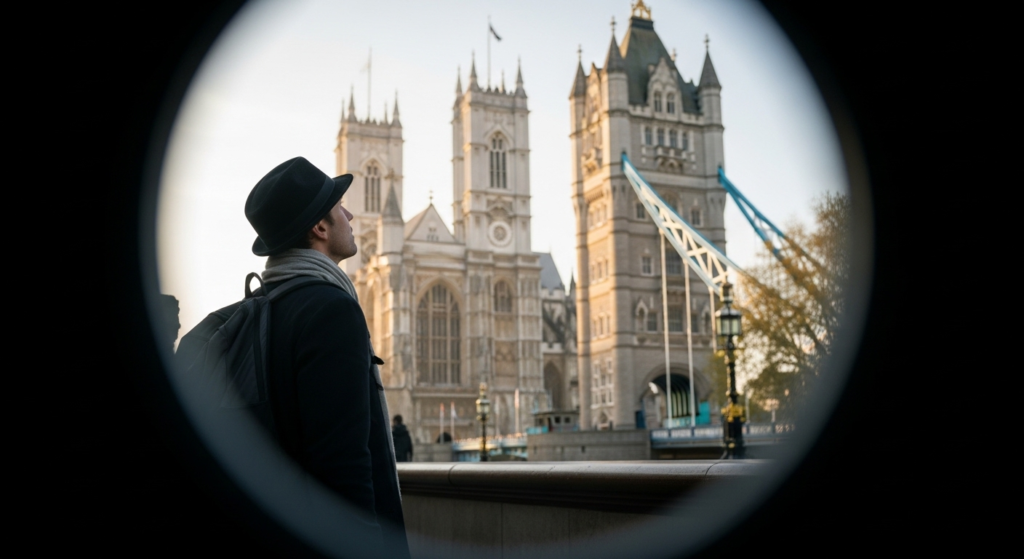
Here is what many Americans miss: the United Kingdom is not in the Schengen Area and has its own separate requirement. The UK Electronic Travel Authorisation (ETA) is mandatory for Americans visiting Britain. If your trip includes both London and Paris, you need both the UK ETA and the EU ETIAS. Two systems, two applications.
The UK ETA is applied for online or via a mobile app. It costs around ten pounds and is typically approved quickly. Like ETIAS, it is linked to your passport and valid for multiple visits. Do not assume that one authorization covers both. The UK left the EU, and its border is fully separate. Plan for both if you are visiting both.
6. Apply Well Before You Fly

Most ETIAS and UK ETA applications are approved within minutes or hours. But some require additional review that can take days or weeks. Authorities recommend applying at least a month before travel, and earlier is always better. Do not book non-refundable flights before you have your authorization.
Think of it like a passport: you would not apply for a passport the week before an international trip. Treat travel authorizations the same way. Apply early, get approved, then book with confidence. The peace of mind is worth the advance planning. Last-minute applications are a gamble you do not need to take.
7. Authorizations Last for Years

Once approved, ETIAS is typically valid for three years or until your passport expires, whichever comes first. During that period, you can make multiple trips to the Schengen Area without reapplying. The UK ETA similarly covers multiple visits over its validity period.
This makes the small fee and ten-minute application even more worthwhile. One application covers years of European adventures. But remember: if you get a new passport, you need a new authorization because it is linked to your passport number. Keep track of expiration dates for both documents.
8. Use the Airport Kiosks
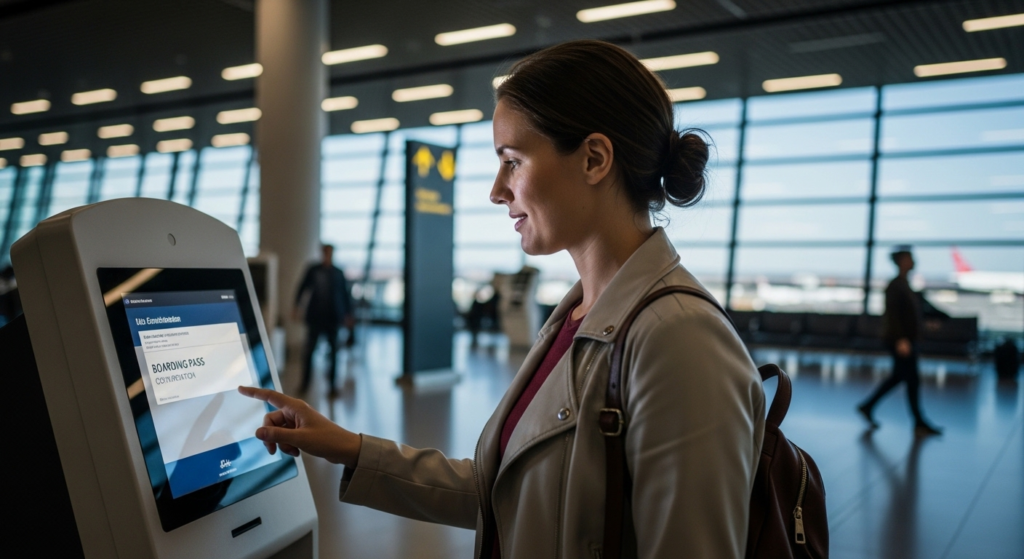
Major European airports have self-service kiosks for EES processing. These guide you through passport scanning, facial image capture, and fingerprint collection. They are multilingual and designed for first-time users. Using them is often faster than waiting for a staffed lane.
On your first trip, allow extra time for the full enrollment. On return trips, the process is much quicker because your biometric file already exists. Follow the signs to the correct lane: first-timers and returning travelers may be directed differently. When in doubt, ask airport staff. They help confused Americans all day long.
9. Your Travel History Is Now Digital

Every entry and exit is stored in a centralized EU database. Border officers across the Schengen Area can see your travel history instantly. This eliminates disputes about when you entered or how long you stayed. The record is precise and permanent.
For law-abiding travelers, this is convenient. For anyone tempted to overstay, it is a warning. The system does not forget, and overstay records can affect future visa applications worldwide, not just for Europe. Respect the 90/180 day rule. The technology makes enforcement automatic.
10. Have Your Return Plans Ready
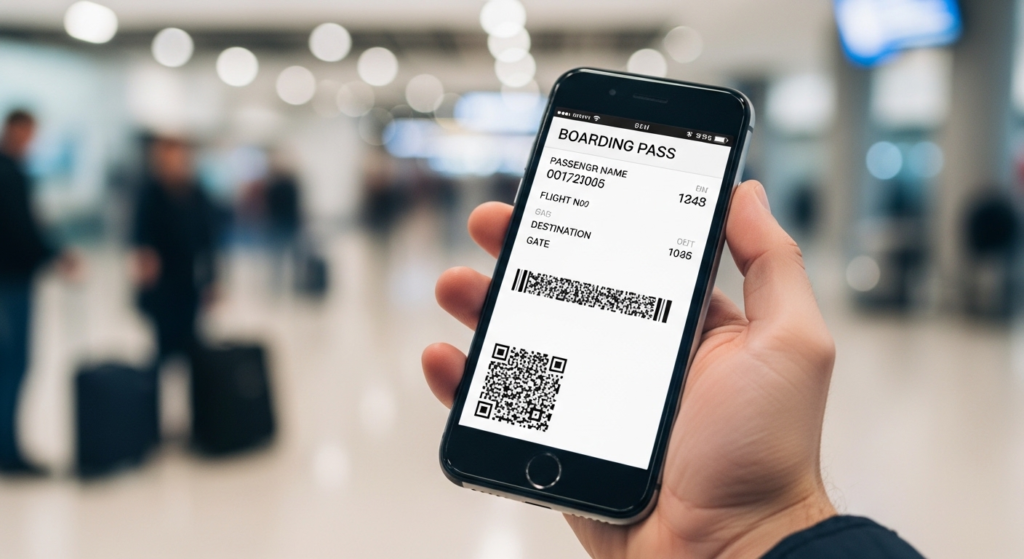
Even with ETIAS and EES, border officers can ask for proof of your travel plans. Have your return flight confirmation, hotel bookings, and travel itinerary accessible on your phone. They may ask how long you are staying, where you are going, and how you will support yourself.
This is standard border procedure worldwide, not specific to the new systems. Answer honestly and calmly. Have documents ready. The vast majority of American tourists with proper paperwork are admitted without issue. Preparation prevents problems.
11. Get Travel Health Insurance

While not always a strict entry requirement for Americans, travel health insurance is strongly recommended and sometimes requested. European healthcare is excellent but not free for visitors. A medical emergency without insurance can cost tens of thousands of dollars.
Get a policy that covers medical emergencies, evacuation, and trip interruption. It typically costs less than a nice dinner for a week of coverage. Some credit cards include travel insurance if you book with them. Check your benefits before buying a separate policy. Either way, do not travel without it.
12. The Era of Just Showing Up Is Over

For decades, Americans enjoyed true visa-free travel to Europe: just show up with a passport. That era is ending. The new systems require advance digital authorization. This is the global trend. The US requires ESTA from Europeans. Canada requires eTA. Australia requires ETA. Europe is simply joining the standard.
The adjustment is psychological more than practical. Ten minutes online and a few dollars is a small price for access to 30 countries. But it requires a mindset shift: international travel now starts with paperwork, not packing. Build authorization into your trip planning from day one.
13. Use Official Apps and Websites Only
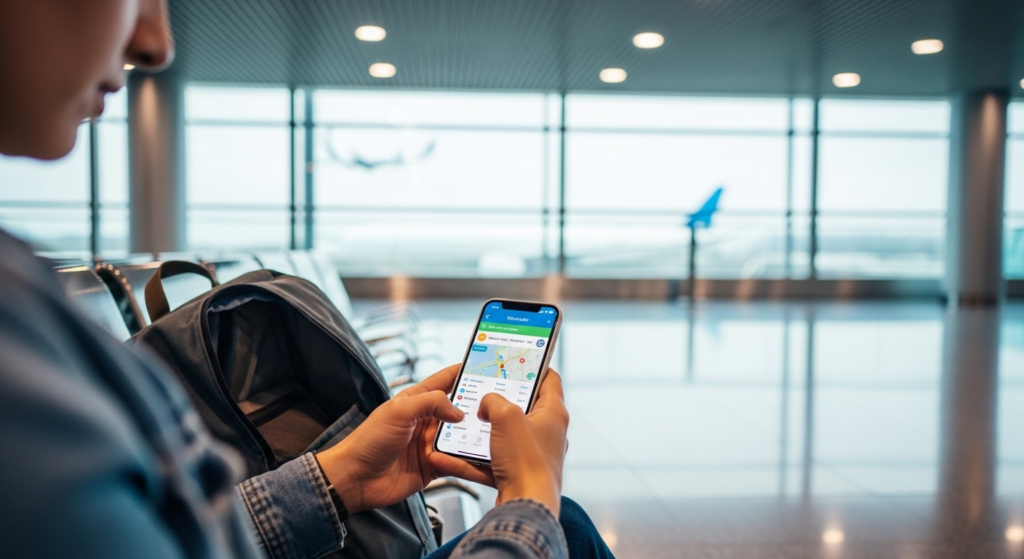
Both the EU and UK offer official websites and mobile apps for their travel authorizations. Use only these official channels. Scam sites mimic the real ones, charging high fees or stealing personal data. Always verify you are on an official government domain before entering passport details.
The official ETIAS website is on europa.eu. The UK ETA uses gov.uk. Bookmark these. Never click on ads for travel authorization services. The real process is simple enough to do yourself. If a site charges more than the official fee, it is not official.
14. Stay Informed as Systems Evolve
New border systems evolve. Launch dates shift, procedures are refined, and requirements are updated. What is true today might be adjusted tomorrow. Before every trip, check the official EU and UK websites for the latest requirements. Do not rely on outdated blog posts or social media rumors.
Sign up for travel alerts from the US State Department. Follow official EU and UK border accounts. A five-minute check before you fly can save you from surprises at the airport. In the age of digital borders, the most important travel skill is staying informed.
American Traveler Checklist for Europe 2026
- Valid US passport with at least six months validity beyond your travel dates
- ETIAS authorization for Schengen Area countries, applied for in advance
- UK ETA if visiting Britain, applied for separately
- Return flight booked and confirmation accessible
- Accommodation proof for your stays
- Travel health insurance covering medical emergencies
- Extra airport time for first-time EES biometric enrollment
Europe is absolutely worth the extra paperwork. The new requirements add about twenty minutes and fifteen dollars to your trip planning. In return, you get access to some of the world most incredible destinations with faster, more secure border crossings. Do the paperwork, then forget about it and enjoy the adventure. The Eiffel Tower, the Colosseum, and a thousand other wonders are waiting.