
 Sarah Grey
Attractiveness is often misunderstood as something fixed or purely physical, but in reality it is deeply connected to behavior, presence, and how a person makes others feel in everyday interactions. The smallest habits can quietly shape first impressions and long term perceptions, influencing how confident, trustworthy, and engaging you appear without requiring dramatic changes or artificial effort.
Psychologists who study first impressions keep arriving at the same conclusion: people judge attractiveness far more by how you act than by how you look. Within seconds of meeting you, others are reading your body language, your tone, your attentiveness, and your energy. These signals form an impression that is remarkably durable.
The good news is that behavior is trainable. Unlike bone structure or height, habits can be built deliberately, practiced daily, and refined over time. The eight habits below are small, which means they are sustainable, but their effects compound into a presence that people find magnetic.
None of these require you to become someone else. They ask only that you become more deliberate about the person you already are. Let us walk through each one.
Maintaining Genuine Eye Contact

Holding natural eye contact during conversations signals confidence and attentiveness without saying a single word. When done with warmth rather than intensity, it shows respect and makes others feel acknowledged and valued.
Eye contact is one of the most powerful nonverbal signals humans exchange. Studies consistently show that people who maintain comfortable eye contact are rated as more confident, more likable, and more trustworthy. It tells the other person that you are present, not just physically but mentally.
The key word is natural. Staring feels aggressive, while darting eyes suggest anxiety or disinterest. Aim for a relaxed rhythm: hold eye contact for a few seconds, glance away briefly, then return. This mirrors the pattern of comfortable, engaged conversation.
If eye contact feels difficult, start small. Practice with cashiers, baristas, and colleagues in low-stakes moments. Over time, the habit becomes automatic, and the discomfort fades. Many people report that this single change transforms how others respond to them.
There is also a physiological effect. Eye contact triggers the release of oxytocin, the bonding hormone, in both people. That means your gaze does not just signal connection. It helps create it.
Practicing Active Listening

Truly listening instead of waiting for your turn to speak creates an immediate sense of connection and maturity. People are naturally drawn to those who make them feel heard because it reflects empathy and emotional awareness.
Most people listen only partially. They nod while mentally rehearsing their reply, checking their phone, or thinking about something else entirely. The speaker can always tell. Being genuinely listened to is so rare that it feels remarkable when it happens.
Active listening has specific techniques. Face the speaker. Put the phone away. Ask follow-up questions that show you absorbed what was said. Reflect back key points in your own words. These small behaviors signal that the other person’s words matter to you.
The attractiveness payoff is significant. People associate good listeners with emotional intelligence, patience, and depth, all qualities consistently rated as attractive. A great listener is remembered long after a great talker is forgotten.
Start by catching yourself in the habit of formulating replies. When you notice it, gently redirect your attention to the speaker’s words. Listening is a skill, and like any skill, it improves with deliberate practice.
Standing and Sitting with Good Posture
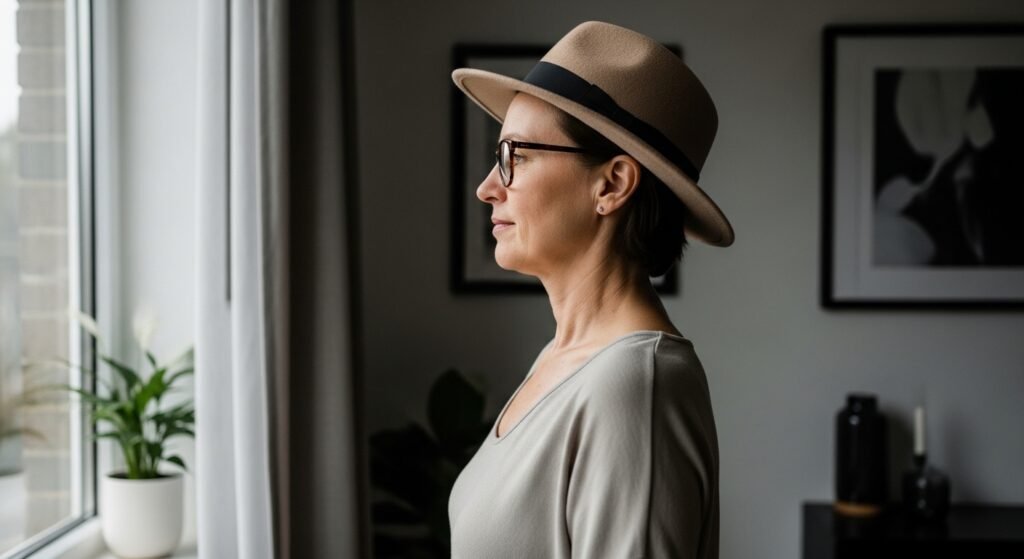
An upright posture subtly communicates self assurance and energy while also improving your own mood and breathing. Even small adjustments in how you carry yourself can change how others perceive your confidence and presence.
Posture is read instantly and unconsciously. An upright stance signals confidence, openness, and vitality. A slumped posture suggests fatigue, insecurity, or disengagement, even when none of those are true. Your body is telling a story before you speak.
The effect works inward too. Research on embodied cognition shows that expansive, upright postures can reduce stress hormones and increase feelings of confidence. Standing tall does not just make you look confident. It helps you feel confident.
Building the habit takes reminders. Set a phone alert, put a sticky note on your monitor, or link posture checks to routine moments like walking through doorways. Strengthening core muscles with simple exercises also makes good posture feel natural rather than forced.
Think of posture as the frame around everything else you do. It costs nothing, requires no equipment, and changes how the world sees you within seconds.
Speaking Clearly and Calmly

A steady tone and thoughtful pacing make your words easier to understand and more impactful. Clear communication shows composure and credibility, qualities that consistently increase personal appeal.
How you speak shapes how your ideas land. A rushed, mumbling delivery undermines even brilliant thoughts, while a calm, clear voice gives weight to simple ones. People associate vocal steadiness with authority and self-control.
Pacing matters enormously. Speaking slightly more slowly than feels natural gives your words room to breathe and gives listeners time to absorb them. Pauses, used deliberately, signal confidence. Only nervous speakers fear silence.
Volume and tone count too. A voice that is too quiet suggests uncertainty. One that is too loud feels aggressive. Aim for a warm, moderate volume with natural variation. Recording yourself once can reveal habits you never noticed.
Clear speech is also a form of respect. It says that you value the listener’s time and want to be understood. That consideration is quietly but powerfully attractive.
Keeping a Neat and Polished Appearance
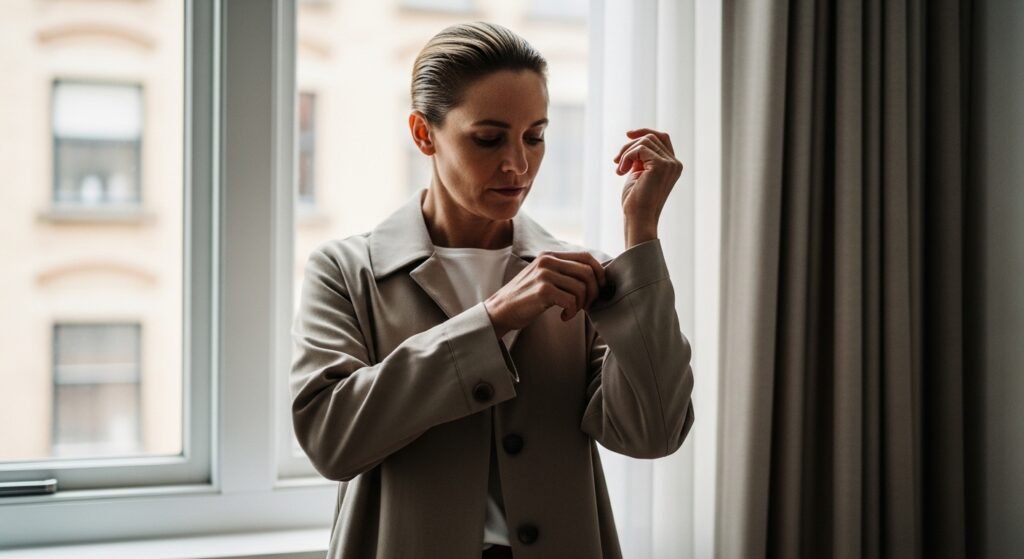
Simple grooming habits and clean clothing demonstrate self respect and attention to detail. You do not need expensive items to look put together, but consistency in presentation leaves a lasting positive impression.
Appearance is not about beauty standards or designer labels. It is about the message that care sends. Clean hair, trimmed nails, fresh breath, and clothes that fit well all say the same thing: this person respects themselves and the people around them.
The research backs this up. Well-groomed individuals are consistently rated as more competent, more trustworthy, and more likable. These judgments form in seconds and influence everything from hiring decisions to dating outcomes.
The habit is simpler than it sounds. Build a short daily routine: shower, groom, dress intentionally. Keep clothes clean and in good repair. You do not need a large wardrobe, just one that is maintained. Consistency beats extravagance every time.
There is a self-reinforcing loop here. Looking polished improves how you feel about yourself, which improves your posture, your eye contact, and your energy. The outside and the inside lift each other.
Showing Appreciation Openly

Expressing gratitude for small efforts builds warmth in relationships and strengthens mutual respect. People naturally gravitate toward those who acknowledge kindness and respond with sincere appreciation.
Gratitude is disarmingly attractive because it is generous. A person who notices and names the good in others creates an emotional climate that people want to be part of. It costs nothing and returns enormously.
The habit is about specificity. A vague thanks is nice, but a specific one is memorable. Instead of just saying thanks, say what you appreciated and why. That detail shows you were paying attention, which makes the gratitude feel real.
Appreciation also transforms the giver. Studies link regular gratitude practice to higher happiness, lower stress, and better relationships. The person who appreciates openly tends to notice more good in the world, which makes them more pleasant to be around.
Make it daily. Thank a colleague, compliment a friend, acknowledge a stranger’s effort. Small, sincere appreciations accumulate into a reputation for warmth that people find irresistible.
Managing Reactions with Emotional Control

Responding thoughtfully instead of reacting impulsively shows maturity and stability. Calm behavior during stress often makes someone stand out as dependable and strong.
Emotional control is not suppression. It is the pause between feeling and acting, the space where choice lives. People who master that pause are perceived as steady, reliable, and safe, qualities at the core of long-term attractiveness.
The contrast is stark. Someone who erupts at minor frustrations creates tension that others want to escape. Someone who stays composed under pressure creates calm that others want to be near. The same situation produces opposite impressions.
Building this habit starts with awareness. Notice your triggers and your physical warning signs: the tight chest, the quickened pulse. Practice the pause by counting breaths or simply waiting before responding. Over time, the pause becomes your default.
Calm is contagious. In a heated room, the composed person becomes the anchor everyone gravitates toward. That quiet authority is one of the most attractive qualities a person can develop.
Smiling with Authenticity

A genuine smile softens your expression and makes you instantly more approachable. Authentic positivity has a contagious effect, encouraging comfort and openness in social interactions.
Not all smiles are equal. Researchers distinguish the genuine Duchenne smile, which engages the muscles around the eyes, from the polite social smile. People can tell the difference intuitively, and only the genuine version builds real warmth.
Authenticity cannot be faked, but it can be cultivated. The trick is to connect the smile to a real feeling: think of something you appreciate, make eye contact with warmth, let the expression follow the emotion. Forced cheerfulness repels. Genuine warmth attracts.
Smiling also changes your own state. The facial feedback effect means that smiling can genuinely lift your mood, reduce stress, and make you feel more positive. It is one of the rare habits that benefits the giver and receiver equally.
Aim for warmth, not performance. A soft, genuine smile held a moment longer than usual says that you are happy to see someone. Few signals are simpler or more powerful.
Small Habits, Lasting Magnetism
None of these habits requires talent, money, or a new wardrobe. They require only attention and repetition. Eye contact, listening, posture, clear speech, grooming, gratitude, composure, and a genuine smile: each one is small, and together they are transformative.
The most attractive people you know are probably not the most physically striking. They are the ones who make others feel seen, respected, and at ease. That is a skill set, not a gift, and it is available to anyone willing to practice.
Pick one habit and start today. Practice it deliberately for two weeks until it feels natural, then add another. Within a few months, you will carry a presence that people notice, remember, and want to be around. That is what true attractiveness looks like.