 Sarah Grey
Pasta might seem easy to make, still tiny routines while cooking shift results without warning. Many think pouring oil into boiling water helps prevent sticking, helps flavor too – yet this actually disturbs the subtle chemistry behind great pasta. Instead of helping, it often weakens what makes a meal feel complete.
Adding oil to pasta water is one of the most persistent kitchen myths. It gets passed down through families, repeated in casual cooking advice, and defended with confidence. But ask professional chefs and food scientists, and you will hear a near-unanimous verdict: the oil does nothing useful, and it actively works against you.
The reasons come down to simple physics and chemistry. Oil and water do not mix. Starch is what makes sauce cling. Salt is what seasons from within. Once you understand what is actually happening in the pot, the oil habit stops making sense.
Here are eight reasons to leave the oil bottle in the cupboard when the pasta goes in.
Oil Does Not Prevent Pasta from Sticking
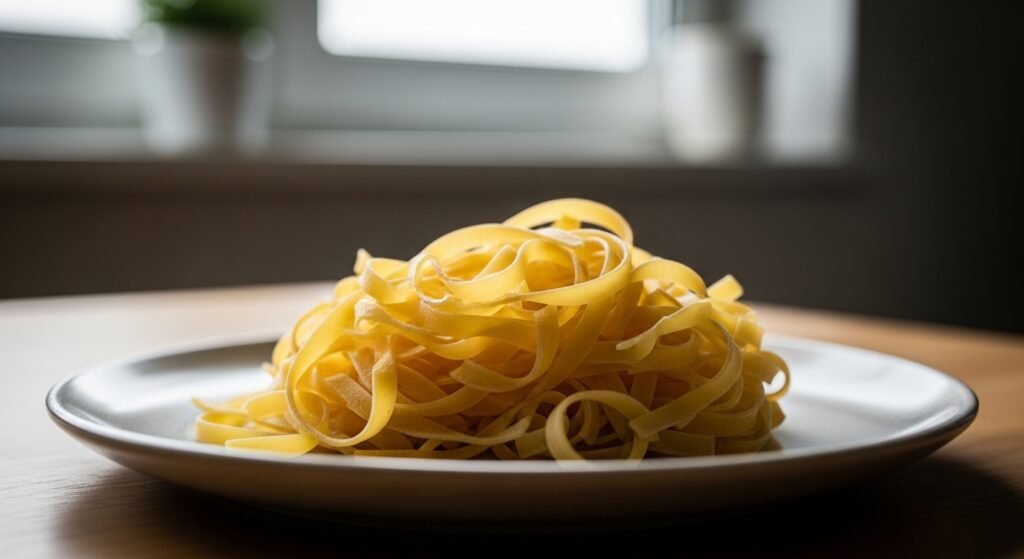
Pasta sticks happen either lack of stirring those initial sixty seconds or too little water so shapes bump into each other. Floating oil sits on top of boiling water, never really covering the pasta during cooking, which means the solution misses its mark entirely.
Oil floats. This is the whole problem in one sentence. When you pour oil into boiling water, it rises straight to the surface and stays there. The pasta cooks below, fully submerged, never touching the oil at all. The supposed anti-stick coating never reaches what it is supposed to coat.
Pasta sticks for two real reasons: insufficient water and insufficient stirring. Shapes that are crowded together bump into each other and fuse, especially in the first minute when surface starch is stickiest. A big pot of well-salted, rolling boiling water solves this. Oil does not.
Think of it this way: if oil actually prevented sticking, professional kitchens would use it. They cook enormous quantities of pasta daily, and sticking would be a disaster at that scale. Yet you will not find oil in their pasta water. You will find plenty of water, plenty of salt, and constant attention.
The myth persists because people add oil and their pasta does not stick, then credit the oil. In reality, the large pot of water and the occasional stir did the work. The oil was just a spectator.
It Interferes with Sauce Adhesion
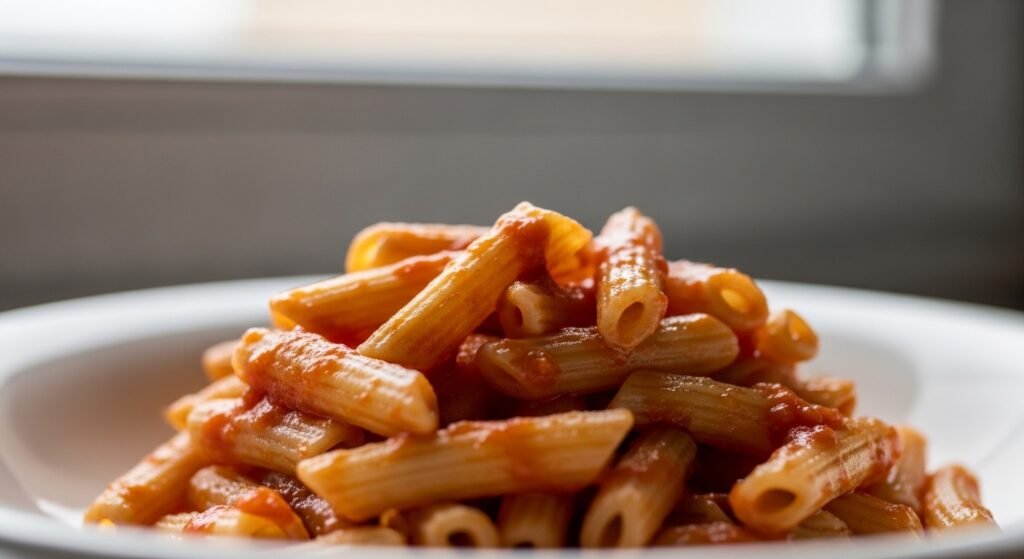
Foods giving off starch as they cook make pasta hold onto wet, savory layers more easily. A layer of melted fat left on cooked noodles creates a slippery shield – this keeps outside seasonings from sticking well.
Here is where oil does real damage. When you drain the pasta, the water pours away but the oil, which was floating on top, coats the noodles as they pass through it. Every strand gets a thin, greasy film.
That film is the enemy of sauce. A great pasta dish depends on sauce clinging to every piece, and sauce clings to starch, not to grease. The oil layer acts like a raincoat, causing sauce to slide off and pool at the bottom of the bowl instead of coating the pasta.
The result is a dish that tastes disconnected: plain slippery noodles with sauce sitting underneath. Compare that to properly cooked pasta, where the sauce hugs each strand and every bite is balanced. The difference is the oil.
If you love the flavor of olive oil on pasta, add it after, tossed with the sauce, where it belongs. In the water, it only gets in the way.
Starch Is Your Ally, Not Your Enemy
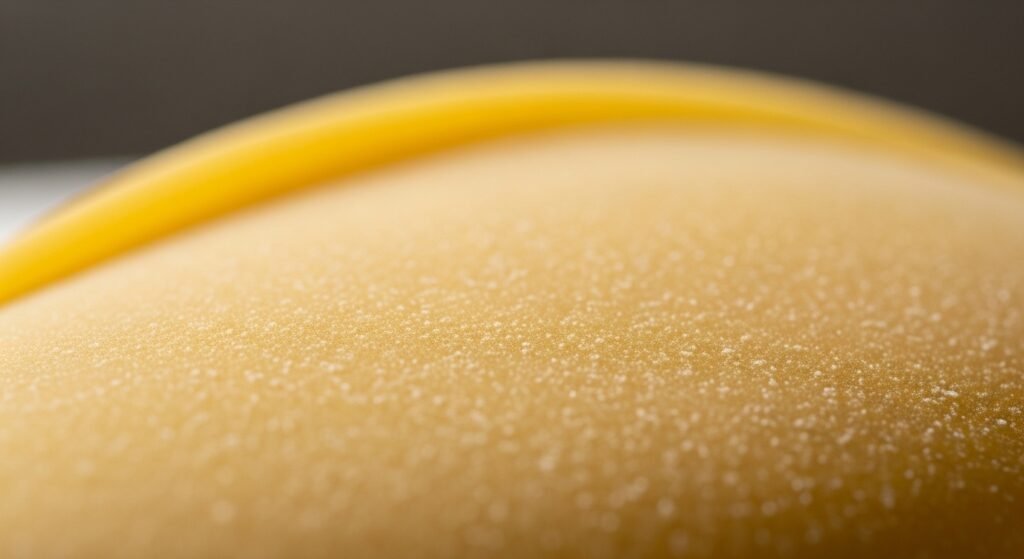
When pasta cooks, it leaks starch into the pot, making the broth just thicker and more ready for coating. That same starch acts like a bridge between the sauce and leftover pasta liquid – helping them stick together without separating.
Starchy pasta water is liquid gold in Italian cooking. It is the secret behind silky carbonara, glossy cacio e pepe, and any sauce that clings instead of pooling. The dissolved starch emulsifies fat and water, turning a loose sauce into a creamy coating.
Oil in the water does nothing to help this process and can hinder it. Some cooks worry that oil reduces the starch in the water, though the bigger issue is what it does to the pasta surface. Either way, it works against the starch strategy, not with it.
The professional move is to save a cup of pasta water before draining. That cloudy, salty, starchy liquid is the most valuable ingredient in the pot after the pasta itself. Use it to loosen and bind your sauce, and you will understand why Italians treat it as precious.
Embrace the starch. It is doing more for your dinner than oil ever could.
Proper Stirring Is the Real Solution
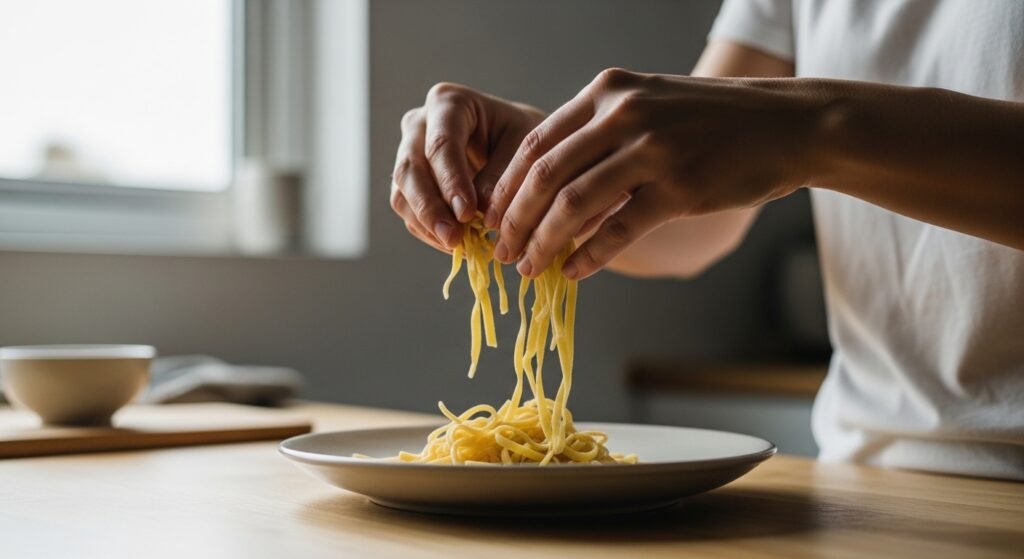
Start by watching closely when cooking begins. A quick mix early on splits ingredients before they stick together. That moment – just seconds into heating – decides whether bits stay apart or bond too soon.
The first sixty seconds are when pasta is most vulnerable to sticking. As the exterior starch hydrates, the surfaces become tacky. Pieces resting against each other can fuse. A good stir right after the pasta hits the water, and another a minute later, prevents this completely.
After those first minutes, the pasta has firmed up enough that occasional stirring is plenty. The boiling action itself keeps pieces moving. You do not need to stand over the pot the whole time, just give it attention when it matters most.
Long shapes like spaghetti and fettuccine benefit from a gentle fanning motion as they soften into the pot. Short shapes like penne and fusilli just need a confident stir. Either way, the spoon is mightier than the oil bottle.
Make stirring your habit instead of oiling. It takes seconds, costs nothing, and actually works.
Salt Does More Than Oil Ever Could
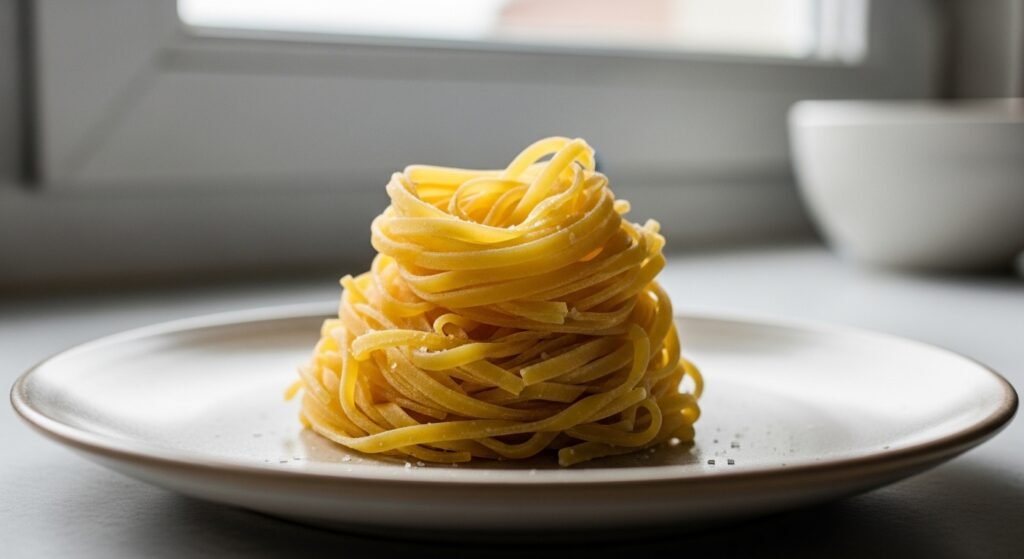
Flooded pot does more than soak the outside – pasta drinks up from within while it cooks. Drip of oil never touches the noodles since it sits above the wave, just coating the surface where nothing meets it.
Salt is the one addition your pasta water truly needs. Pasta absorbs water as it cooks, and if that water is well salted, the seasoning penetrates every bite from the inside out. No amount of sauce can compensate for bland, unsalted pasta.
The classic guidance is to salt the water until it tastes like the sea, roughly one to two tablespoons per four to six quarts of water. It sounds like a lot, but most of it goes down the drain. What remains is perfectly seasoned pasta.
Oil, by contrast, seasons nothing. It floats on top, touches nothing, and washes away. If you are going to add one thing to the pot, make it the thing that actually changes the pasta: salt.
Salt generously, stir occasionally, and skip the oil. That is the entire formula for better pasta.
Oil Wastes an Opportunity for Better Texture
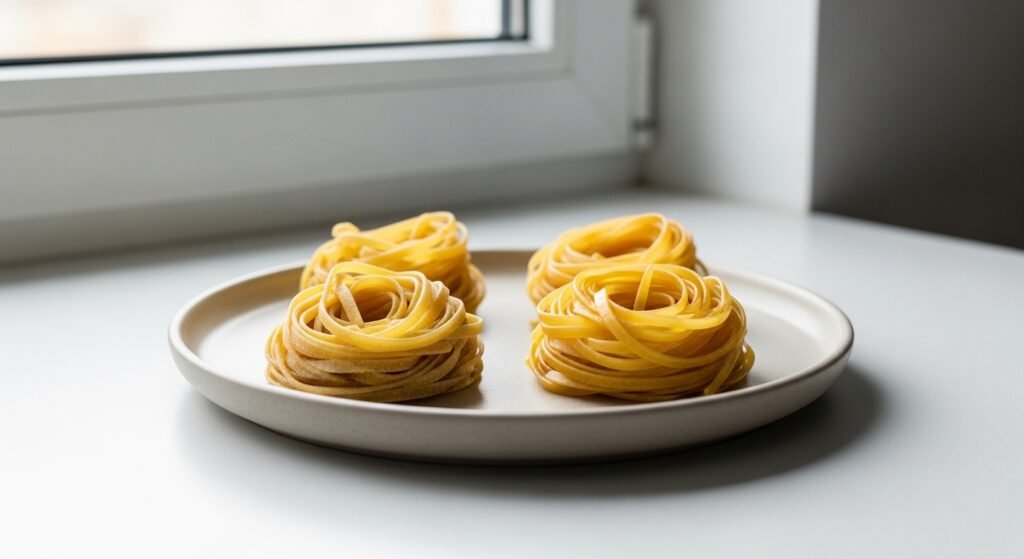
After draining, a drizzle of oil can make pasta slippery, pushing flavor away instead of drawing it in. Starch sticking out across its edges actually helps sauce settle better, creating depth without clutter.
Texture is what separates good pasta from great pasta. The ideal is al dente: firm to the bite, with a surface that grips sauce. Oil undermines both qualities, making noodles slick and soft-feeling even when they are cooked correctly.
There is one exception worth noting. If you are cooking pasta to serve cold, as in a pasta salad, or holding it before saucing much later, a light toss of oil after draining can prevent sticking during storage. But that is oil after cooking, for a specific purpose, not oil in the boiling water.
For hot pasta served immediately, which is how pasta is meant to be eaten, the move is to transfer it directly from pot to pan with the sauce, along with a splash of pasta water. Toss over heat for a minute, and the starch, water, and sauce fuse into a glossy coating.
That glossy, clinging finish is impossible with oiled noodles. Skip the oil and taste the difference texture makes.
Boiling Water Temperature Remains Unchanged
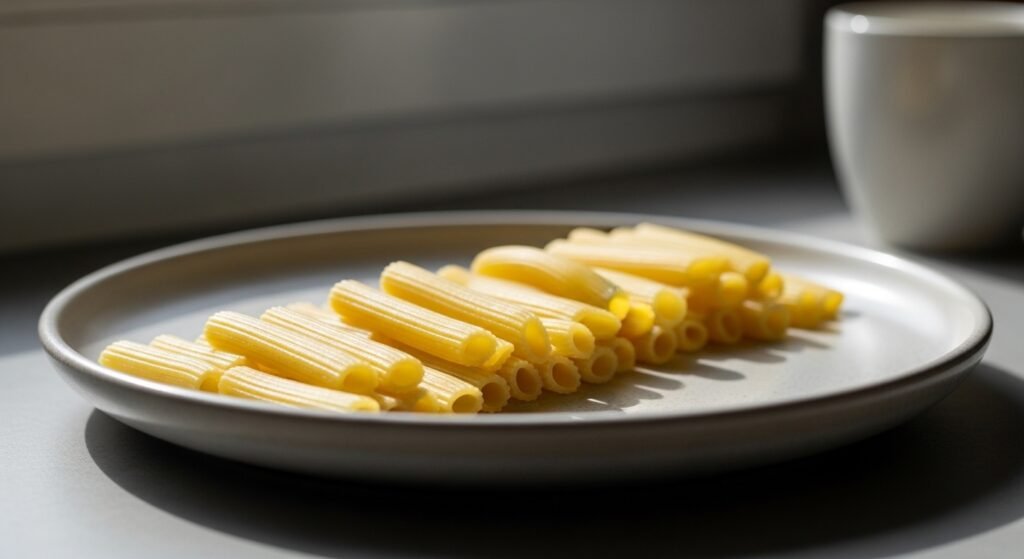
Oil often gets mentioned, yet it changes little when water heats up. Boiling happens whether something is added or not – the real factor is steady, salted water moving freely in a roomy kettle. Heat spreads well under these conditions, ensuring every piece cooks evenly without extra delays.
Some cooks believe oil raises the boiling point or helps water boil faster. It does neither in any meaningful way. The amount of oil typically added is far too small to affect the boiling point, and it certainly does not transfer heat to the pasta.
What actually matters for even cooking is a full, rolling boil and plenty of room. Crowded pasta in barely simmering water cooks unevenly and turns gummy. A large pot with vigorous bubbles keeps every piece moving and cooking at the same rate.
Do not look to oil for thermal benefits that do not exist. Look to your burner, your pot size, and your water volume instead.
Good pasta is about heat, water, salt, and time. Oil is not on the list.
Professional Kitchens Avoid This Habit
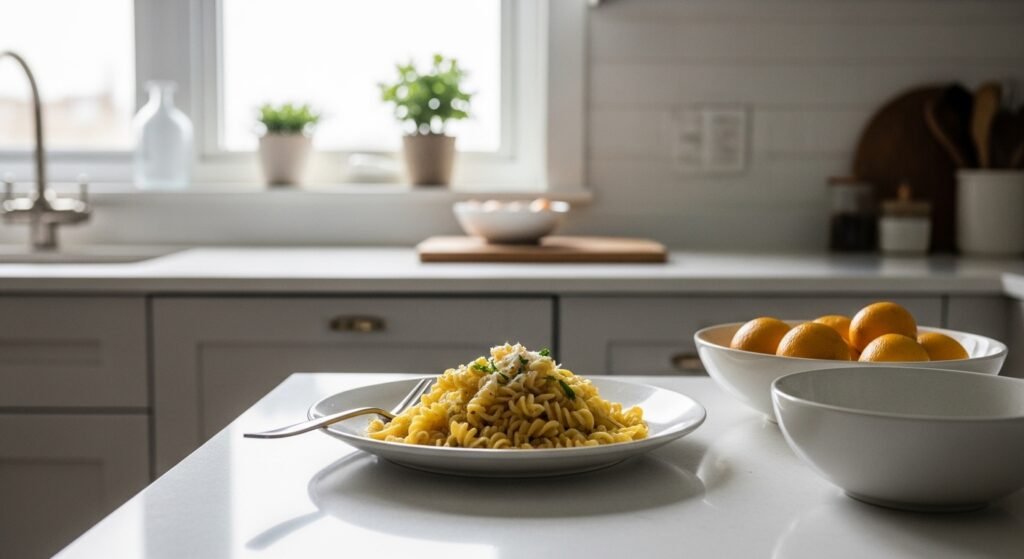
Down in pro kitchens, chefs lean on water flow, salt levels, and clockwork moments – no oil needed – to hit exact goals. What stands behind their work? Skill, plus a clear view of how starch reacts when heated, builds pasta that grips flavors well and feels finished.
Ask chefs in Italy, where pasta is a religion, and the response to oil in pasta water ranges from amusement to horror. The technique simply does not exist in professional Italian cooking. It is a home-kitchen myth that never made the jump to the pros.
What the pros do instead is instructive. They use abundant water, salt it aggressively, stir at the critical moments, time the cooking precisely, and finish the pasta in the sauce with starchy water. Every step has a purpose. Oil has no purpose, so it has no place.
This consensus spans cuisines and continents. From trattorias in Rome to fine dining in New York, the method is the same. When the entire professional world agrees, it is worth listening.
Cook like the professionals: lots of water, lots of salt, good timing, and no oil. Your pasta will thank you.
The Right Way to Cook Pasta
Bring a large pot of water to a full rolling boil. Salt it generously. Add the pasta, stir immediately and again after a minute. Cook until just shy of al dente, reserving a cup of the starchy water before draining.
Transfer the pasta directly to your sauce, add a splash of pasta water, and toss over heat for a minute or two. The starch will bind everything into a glossy, clinging finish. Serve immediately.
No oil in the water. No rinsing the pasta. Just water, salt, starch, and technique. That is all great pasta has ever needed.