 Sarah Grey
Most of us get dressed on autopilot. We reach for whatever is clean, give the mirror a three-second glance, and head out the door — and honestly, most days that is fine. But style works like a quiet language, and small errors in grammar can change the whole message. The good news is that looking polished rarely requires a new wardrobe. It usually comes down to tiny, fixable habits: a hem that pools instead of skimming, a shirt that could use ninety seconds with a steamer, shoulders that sit an inch too low. None of these are fashion crimes. They are simply the little things nobody told us, the details our eyes have learned to skip because we see ourselves every day. Once you start noticing them, though, you cannot unsee them — and fixing them is easier than you think. Here are the everyday style mistakes you are probably making without realizing it, and the simple tweaks that solve each one.
The Mystery Of The Incorrect Hemline
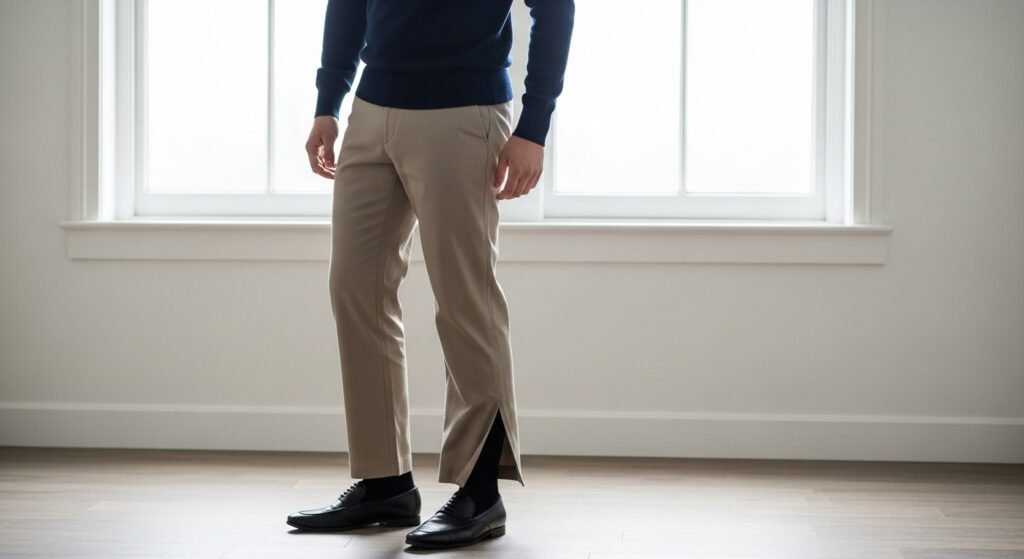
Pant length is one of the most powerful and most ignored details in an outfit. A hem that drags along the ground makes legs look shorter and the whole outfit look borrowed, while trousers cut too short can make an otherwise sharp look feel awkward and unfinished. Either way, the eye goes straight to the mistake instead of the person.
The sweet spot depends on the shoe. With trousers, aim for the hem to just kiss the top of the shoe with a slight break; with jeans, a clean crop above the ankle or a full stack-free length both work. What never works is fabric pooling in sad folds around your feet or a hem flapping halfway up the shin.
The fix is gloriously simple: find a tailor, or learn the five-minute no-sew hem for casual pants. Hemming is one of the cheapest alterations in existence, and it instantly makes off-the-rack trousers look custom. Once your hems are right, everything above them looks better too.
Forgetting The Power Of A Quick Steam

Wrinkles are the fastest way to make expensive clothes look cheap. A beautiful shirt pulled from the dryer and worn as-is reads as careless, while the same shirt given ninety seconds with a handheld steamer reads as intentional and polished. The garment did not change; the effort did.
You do not need a full ironing-board ritual. Hang the garment, fill the steamer, and work from top to bottom while the fabric is taut. It takes less time than brewing coffee, and the difference is dramatic: collars sit flat, seams fall straight, and the fabric itself looks richer and more expensive.
Build it into your routine: steam tomorrow’s outfit the night before, or keep the steamer by the closet for morning touch-ups. Linen and cotton wrinkle by nature, so this is not about perfection. It is about the two-minute effort that separates “thrown on” from “put together.”
Overlooking The Fit Of Your Shoulders
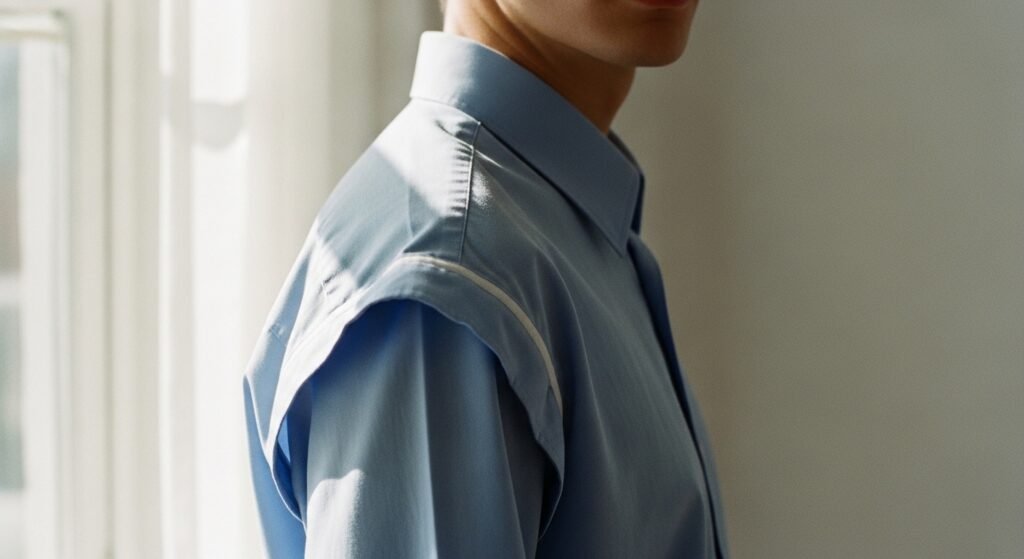
Here is a fitting secret tailors know and shoppers miss: the shoulder seam tells the truth about every top you own. When it sits right at the edge of your shoulder bone, the garment looks made for you. When it droops halfway down your arm, the whole thing sags, no matter how nice the fabric is.
This is the detail that separates a ten-dollar tee that looks great from a hundred-dollar blazer that looks wrong. Shoulders that are too wide make you look smaller and sloppier; shoulders cut too narrow pull and restrict. It is the frame on which everything else hangs, quite literally.
When shopping, check the shoulders before you check the mirror. If the seam does not sit right, put it back, because shoulders are the hardest thing to alter well. Prioritize this one fit point and suddenly half your closet will look like it was tailored.
The Case Of The Distracting Undergarments

Nothing hijacks an outfit faster than visible undergarments: bright straps under a white blouse, waistbands peeking above low jeans, or lines carving across fitted trousers. The eye goes straight to the distraction instead of the outfit you worked to assemble.
The solution is boring and effective. Invest in nude-for-you seamless underwear, and do a quick mirror check from the side and back before leaving. Thin, light-colored, and clingy fabrics are the usual offenders, so give them an extra glance. What looks fine from the front can tell a different story from behind.
Think of undergarments as the foundation of the outfit, not an afterthought. The right base makes outer layers drape the way designers intended. It is a five-second check that protects the other five minutes you spent getting dressed.
Balancing Proportions Between Top And Bottom
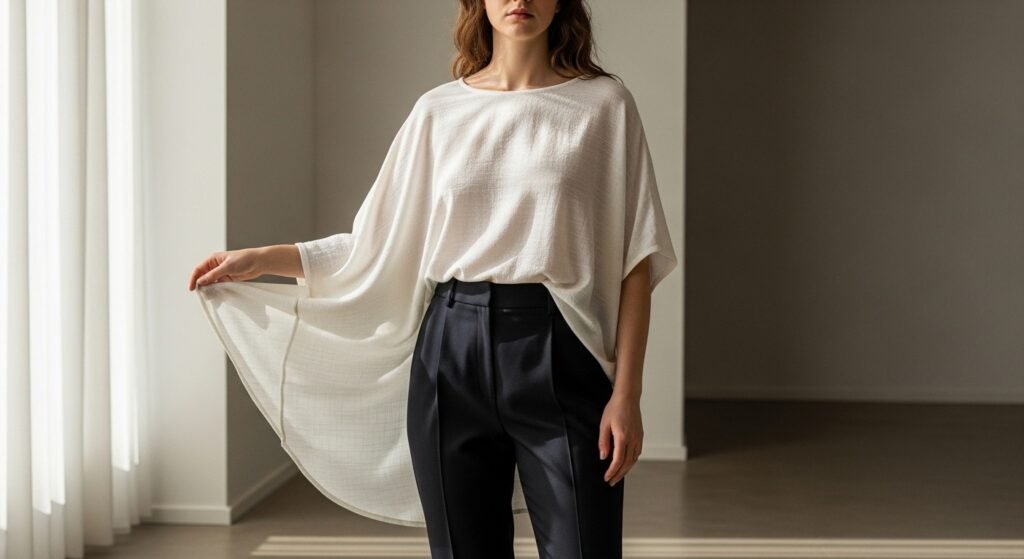
Proportion is the invisible architecture of every good outfit. When both halves are oversized — a slouchy sweater plus wide-leg pants, for instance — the silhouette disappears, and the result can look unintentionally shapeless rather than fashionably relaxed.
The classic rule still works: pair volume with something fitted. A billowy blouse finds its balance over slim trousers; wide-leg pants look deliberate with a tucked-in, closer-fitting top. You do not need a tight outfit. You need one anchor of structure so the eye knows where to rest.
This is also where the half-tuck earns its fame. Tucking just the front of a loose top defines the waist and shows intention, turning “drowning in fabric” into “effortlessly styled.” One small adjustment, and the proportions snap into place.
Relying Too Heavily On Neutral Colors

Black, gray, navy, and beige are the backbone of every functional wardrobe. But a closet with zero color can start to look flat, and worse, it can wash you out. All-neutral outfits sometimes drain the life from your complexion instead of complementing it.
You do not need a neon revolution. A single note of color — a scarf, a lipstick shade, a pair of earrings, even a handbag — brings warmth and dimension to neutrals. Color near the face is especially powerful; it reflects onto skin and makes you look more awake and alive.
Experiment gradually. Figure out which colors make your eyes brighter and your skin glow, then keep one or two in rotation. Neutrals will always be there doing the heavy lifting. A little color is simply the difference between an outfit and a look.
Neglecting The Condition Of Your Footwear
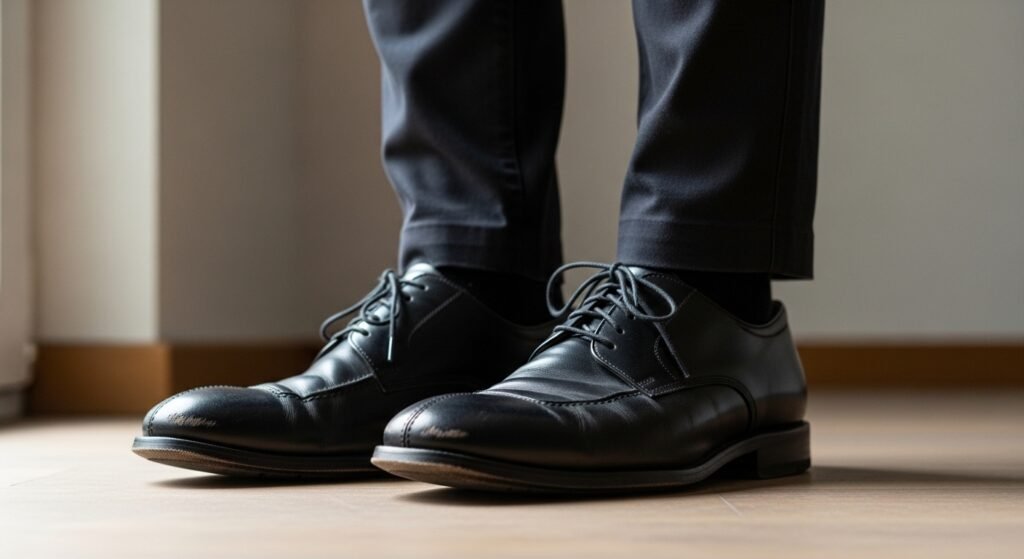
People notice shoes more than you think. Scuffed toes, worn-down heels, and salt-stained leather quietly undermine an otherwise sharp outfit, because footwear is where the eye naturally lands at the end of a head-to-toe scan.
Maintenance is minimal: wipe shoes after wearing, condition leather every few months, and replace heel caps before they wear down to the nail. A soft cloth and a tin of polish cost almost nothing, add years to a good pair, and the habit takes about two minutes.
Also know when to rotate. Wearing the same pair daily destroys shoes fast; alternating pairs lets them air out and hold their shape. Clean, cared-for shoes signal attention to detail louder than any logo, and they make every outfit look more expensive than it is.
The Hidden Impact Of Poor Posture

Here is the style secret nobody can buy: posture. The most beautiful suit in the world loses its magic on slumped shoulders, while good posture makes even a plain t-shirt and jeans look confident and intentional. Clothes are designed to hang from an upright frame.
When you hunch, fabric bunches where it should skim, collars gape, and hemlines tilt. Stand tall and everything the designer intended suddenly works: lapels lie flat, trousers fall straight, and the whole silhouette lengthens. It is the cheapest upgrade in fashion because it costs nothing at all.
Make it a habit, not a pose: shoulders back and down, chin level, weight even. Set a phone reminder if you need to. Good posture does not just improve how clothes look; it changes how rooms read you. Stand like you mean it, and your wardrobe will follow.
Overcomplicating The Accessory Game
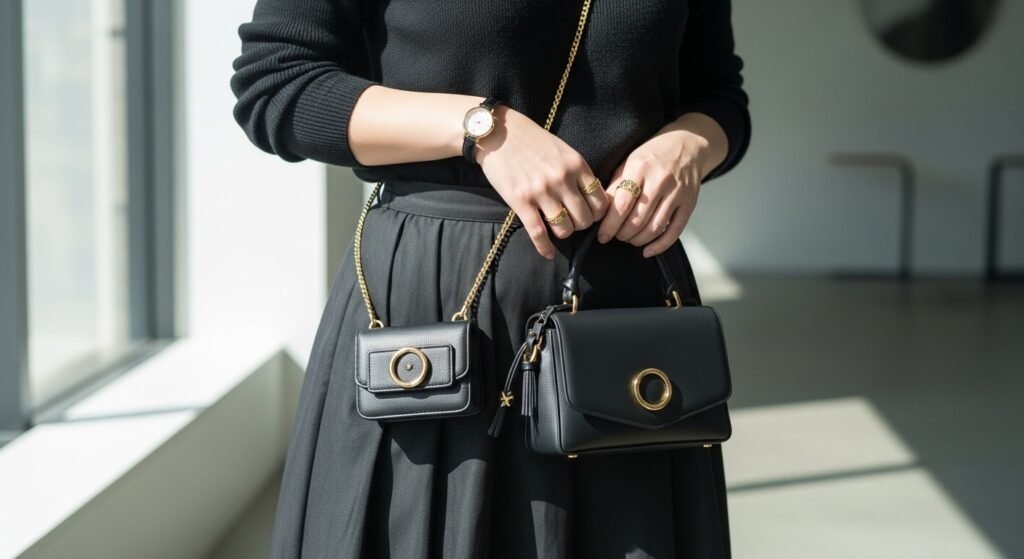
Accessories are the exclamation points of an outfit, and like exclamation points, too many turn excitement into noise. Stacked necklaces plus statement earrings plus a bold cuff plus a printed scarf compete with each other until none of them shines.
The fix is the classic “take one thing off” rule. Before leaving, remove one accessory. What remains looks deliberate instead of cluttered. One strong piece — a great watch, a sculptural earring, a beautiful bag — carries more style weight than five pieces fighting for attention.
Let accessories have a job: a belt to define the waist, earrings to frame the face, a bag that suits the occasion. When every piece earns its place, the result looks curated rather than collected, and getting dressed becomes calmer too.
Choosing Comfort At The Cost Of Shape
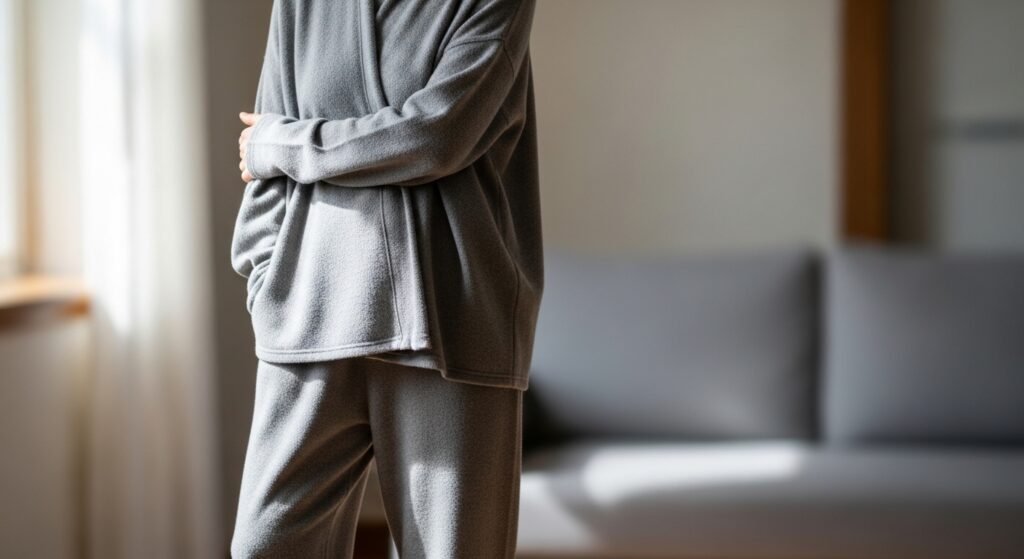
Comfort matters; nobody is arguing for suffering in the name of style. But some ultra-casual pieces, especially cheap loungewear, lose their shape after a few washes and start broadcasting “I gave up” instead of “I am relaxed.” There is a difference between comfortable and collapsed.
The middle ground is real: soft fabrics with a bit of structure, knit sets that hold their silhouette, joggers with a tapered leg instead of a saggy one. Look for ribbed cuffs, reinforced seams, and fabrics with a touch of stretch that snap back instead of bagging out.
Reserve the truly shapeless stuff for the couch, and build a “polished casual” tier for errands and coffee dates. Comfort and shape are not enemies; the best casual clothes prove it every day. You can feel like pajamas and look like a plan.
Dismissing The Influence Of Grooming

An outfit is only half the picture. Chipped nail polish, overgrown stubble when that is not the look, frizzy unbrushed hair: these small grooming gaps can quietly undo the polish of even the most carefully chosen clothes. Style is head-to-toe, or it is not finished.
This is not about high maintenance. Clean nails, neat hair, moisturized skin, and a signature scent take minutes and elevate everything you wear. Grooming is the frame around the artwork: nobody notices a good frame, but everyone notices a broken one.
Build a five-minute version for busy mornings: the non-negotiable basics that make you feel finished. When grooming is handled, you carry clothes with more confidence, and confidence, as every stylist will tell you, is the real outfit.
Small Fixes, Big Difference
None of these mistakes requires a shopping spree to fix, and that is the best part. A tailor for hems, a steamer by the closet, seamless underwear, a shoe cloth, five minutes of posture awareness: small investments with outsized returns. Start with the one or two that hit closest to home and make them habits; the rest will follow naturally.
Style was never about perfection or price tags. It is about attention, the quiet, daily kind that turns getting dressed from a chore into a craft. Fix the little things, and the big picture takes care of itself. Your closet already has everything you need; it was just waiting for you to notice.