 Sarah Grey
Few Hollywood careers have spanned as many eras as Kurt Russell’s. From Disney child star in the 1960s to Snake Plissken in the 1980s to the grizzled patriarch of Taylor Sheridan’s 2026 drama The Madison, he has been a fixture of American screens for more than six decades. Now 74, Russell is opening up about the one role nobody can avoid: getting older. In a refreshingly honest vein, he has admitted that aging increasingly “rules” his life, shaping his days, his choices, and his outlook in ways he never anticipated. In an industry built on denying time, his candor feels almost rebellious.
What makes Russell’s reflections resonate is their lack of pretense. He is not selling a miracle regimen or pretending the years have not touched him. He is simply telling the truth as he sees it: that aging is real, that it changes everything, and that there is dignity, humor, and even freedom in admitting it. Here is a closer look at the veteran actor’s surprisingly honest take on growing older, and the life lessons folded into it.
A Refreshing Take On The Passing Years

Most celebrities treat aging like a rumor they refuse to confirm. Publicists deflect, interviews pivot, and the machinery of Hollywood image-making works overtime to preserve the illusion of timelessness. Kurt Russell has never played that game. Asked about getting older, he does not reach for the familiar platitude that age is just a number. Instead, he acknowledges plainly that the physical realities of aging are unavoidable, and that pretending otherwise helps no one.
His point is disarmingly simple: time “rules” all of our lives eventually, and admitting it is not defeat but honesty. The body slows, recovery takes longer, and the mirror tells a different story than it did at thirty. Russell’s willingness to say so out loud, without apology or spin, is precisely what has made his comments strike such a chord with fans who are navigating the same terrain.
The Reality Of A Changing Reflection
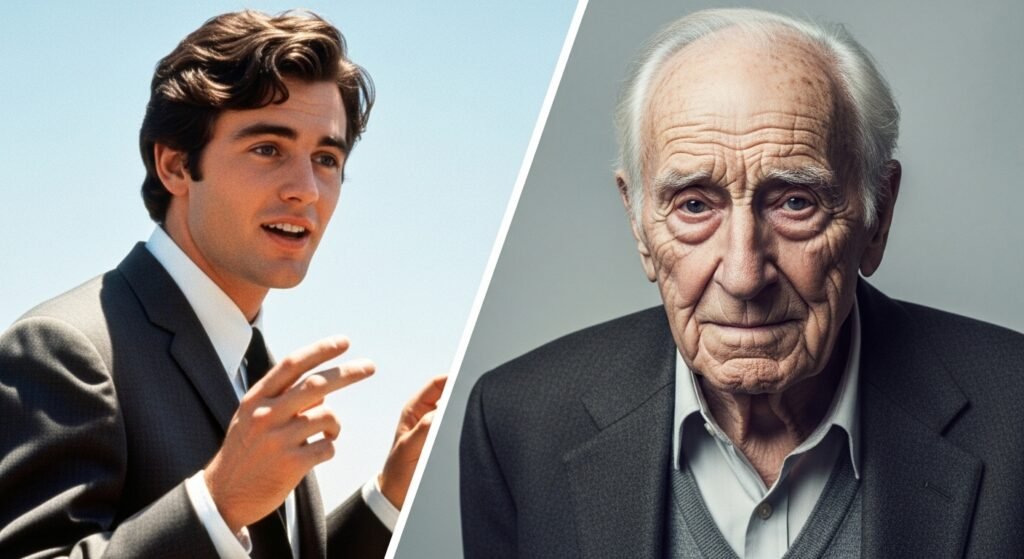
Few people have watched themselves age as publicly as Kurt Russell. He signed with Disney as a child actor in the 1960s, headlining family films like The Computer Wore Tennis Shoes, and his face has been on screens in essentially every decade since. His hair, his build, his very body language have morphed from role to role, from the athletic action hero of Escape from New York to the seasoned characters of his later career.
That public archive gives him a unique perspective. Where most of us notice aging in private moments, Russell has a six-decade highlight reel of the process. He has described the experience with characteristic matter-of-factness: change is simply what a life in front of the camera documents. The reflection shifts, and the only real choice is whether to meet it with grace or with denial.
Finding Power In Gained Wisdom
Rather than mourning what the years take, Russell has spoken about what they give. Physical strength may fade, but judgment deepens. The instincts honed over sixty years on film sets, the pattern recognition that comes from surviving Hollywood’s highs and lows, the steadiness that only long experience confers: these, he suggests, are the true dividends of age.
It is a trade he seems at peace with. The young action star could outrun anyone; the veteran actor understands people, stories, and himself in ways his younger self could not have imagined. Wisdom, in Russell’s framing, is not a consolation prize for lost youth. It is the main event, the thing the earlier decades were building toward all along.
Keeping The Ears Open And Mouth Shut

Among the most practical pieces of wisdom Russell has shared is the value of listening. After decades of navigating studio politics, box office booms and busts, and the fickleness of fame, he has learned that constant advice-giving is overrated. Sometimes the smartest move is to stay observant, keep your counsel, and let situations reveal themselves.
It is advice that cuts against the modern instinct to broadcast opinions on everything. Russell’s generation of stars learned discretion as a survival skill, and he has carried it into his seventies as a philosophy. Watch first, speak when it counts: a simple rule that has served him across six decades of an industry that punishes loose talk.
Letting The Kids Find Their Own Way

Russell’s blended family is one of Hollywood’s most admired: son Boston from his first marriage, Wyatt with longtime partner Goldie Hawn, and the two children he helped raise, Oliver and Kate Hudson, who have long described him as their father in every way that matters. With that much parenting experience, he could be forgiven for lecturing. He deliberately does the opposite.
His philosophy is that people learn by doing, not by being told. He has said he prefers not to be preachy with his children, trusting them to find their own answers rather than handing them his. It is a stance that requires confidence and restraint in equal measure, and it speaks to a man who has made peace with the limits of his own control.
Dealing With Recent Personal Losses

Aging is not only about one’s own body; it is about watching the world thin out around you. Russell has touched in interviews on the sorrow of losing loved ones, including his sister, and those losses have visibly shaped his current outlook. Grief, he has suggested, teaches its own hard curriculum about what strength really means.
His takeaway is characteristically grounded: resilience is not about avoiding pain but about how you carry what you cannot change. It is a perspective earned the hard way, and it lends his reflections on aging a weight that no talking point about “aging gracefully” could match.
Navigating The Entertainment Industry Standards

Hollywood’s beauty standards are famously unforgiving, especially for those who age in public. Russell’s response has been to shrug at the whole apparatus. He has long projected the attitude that when you genuinely love the work, the industry’s obsession with surface becomes background noise. The craft is the point; the packaging is incidental.
That indifference is easier to claim than to practice, which is what makes his consistency over the decades convincing. He never chased the youth-preservation treadmill, never visibly fought the calendar, and the result is a rare thing: a movie star whose face actually looks like his life. Audiences can tell the difference, and they reward it with a loyalty that no facelift can buy.
A New Chapter In The Series ‘The Madison’

Russell’s candor about aging is mirrored in his choice of roles. In Taylor Sheridan’s 2026 Paramount+ drama The Madison, he stars as family patriarch Preston Clyburn opposite Michelle Pfeiffer, playing a man navigating grief, legacy, and the weight of family responsibility. It is the kind of part that would not exist for him at thirty, and he seems to relish that.
The role follows his recent turn alongside his son Wyatt Russell in Apple TV+’s Monarch: Legacy of Monsters, where the two played the same character at different ages, a casting choice that literalized the passage of time. Russell appears to be choosing projects that engage with age rather than evade it, letting his seven-plus decades become part of the performance.
The Importance Of Staying Interested
If Russell has a prescription for aging well, it is curiosity. He has spoken about the importance of staying genuinely interested in the world, whether that means throwing himself into a new role, spending time outdoors, or simply paying attention to the people around him. An engaged mind, he suggests, is the best defense against the mental fog that can accompany the years.
It is advice backed by more than anecdote: researchers consistently link lifelong curiosity and social engagement with better cognitive aging. Russell arrived at the conclusion the old-fashioned way, by living it. At 74, he is still working at the highest level of his craft, still learning lines, still showing up. Interest, it turns out, is a renewable resource.
Respecting The Natural Cycle Of Life

Underlying all of Russell’s reflections is a simple acceptance: aging is not a problem to be solved but a natural season to be lived. He has made his peace with that reality, and the peace itself becomes a kind of power. Freed from the exhausting performance of youth, he can be fully present in the life he actually has.
There is something quietly radical about a movie star saying the years rule his life and meaning it as neither complaint nor surrender, but as fact. Kurt Russell spent six decades pretending to be other people for a living; at 74, his most compelling role may be himself, telling the truth about time. The rest of us, watching our own reflections change, could do worse than to follow his lead.