
 Sarah Grey
It is the quietest rebellion of the decade, and it happens in a drawer. On Friday night, more and more people are switching off their phones, sliding them into a drawer, and not touching them again until Monday morning. No scrolling, no notifications, no “just checking one thing.” The digital detox weekend, a full 48 hours unplugged, has gone from fringe experiment to mainstream reset ritual. And those who try it keep describing the same thing: the weekend felt twice as long, and Monday felt like waking up from a good dream.
This is not about hating technology. It is about remembering what life feels like without its constant commentary. A detox weekend is a controlled experiment in attention: what happens to your mood, your sleep, your relationships, and your sense of time when the phone goes quiet for two whole days? Here is why the trend is exploding, what actually changes, and how to plan your own unplugged weekend.
The Constant Pull Of The Notification

Start by noticing the pull. The average person checks their phone well over a hundred times a day, and each check fractures attention a little further. The vibration in your pocket has been trained to feel urgent, even when it is a promotional email or a like on a week-old photo. Our nervous systems did not evolve for this; they evolved for the occasional rustle in the grass, not a hundred digital rustles an hour.
A detox weekend makes the pull visible by removing it. The first hours are the strangest: phantom vibrations, the reflexive reach for a pocket that holds nothing, the low-grade anxiety of being unreachable. But that discomfort is informative. It shows you exactly how deep the habit runs, which is the first step toward loosening its grip. You cannot change a pattern you cannot see.
Finding Peace In The Quiet Moments
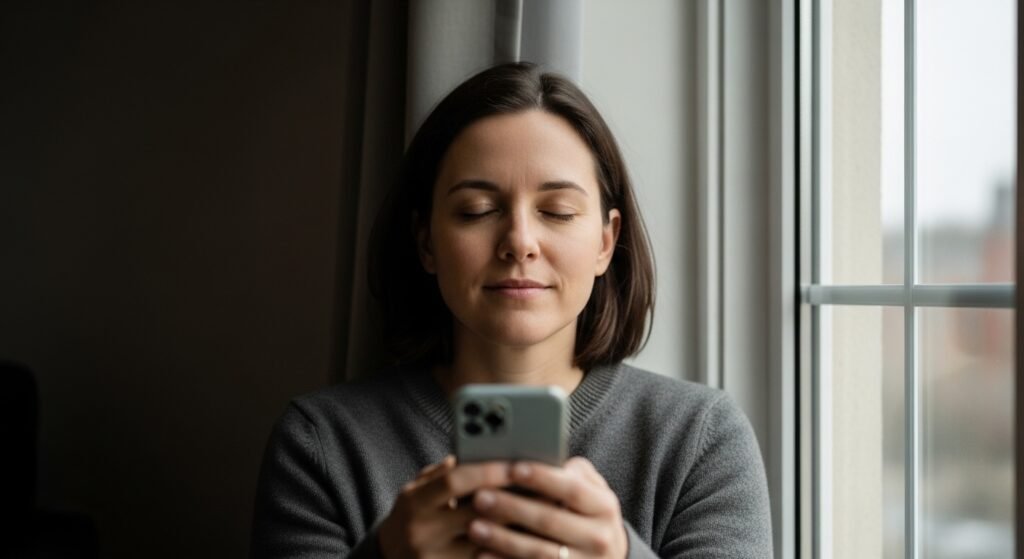
Once the initial itch fades, usually by Saturday morning, something remarkable happens: quiet stops feeling empty and starts feeling full. Without the background hum of feeds and headlines, the world gets bigger and calmer. A cup of coffee becomes an event. A walk becomes an adventure. The silence that felt threatening on Friday night feels like a gift by Saturday afternoon.
This is the peace that the always-on life quietly steals. It is not dramatic; it is cumulative. Hour after unstimulated hour, your mind downshifts from reactive to reflective. Thoughts you have been outrunning catch up with you, and most of them turn out to be worth hearing. People consistently name this rediscovered quiet as the detox weekend’s greatest reward.
Rediscovering Hobbies Outside The Screen

Here is a question the phone never lets you ask: what would you do with a free Saturday if no screen existed? The detox weekend forces an answer, and the answers are delightful. The guitar comes out of the closet. The novel on the nightstand finally gets opened. The puzzle, the sketchbook, the half-finished knitting project, the recipe that takes three hours: all the slow pleasures that scrolling had been quietly crowding out.
What surprises people is not just the rediscovery but the depth. An hour of uninterrupted reading or playing music engages the mind in a way that fragmented screen time cannot. You remember what sustained attention feels like, and how satisfying it is to finish something. Many detox veterans report that the hobby they resumed over one unplugged weekend became a permanent fixture of their lives.
The Art of Being Fully Present

Presence is the detox weekend’s quiet superpower. Without a phone mediating every experience, you engage with what is actually in front of you: the taste of the meal, the expression on a friend’s face, the way afternoon light moves across a room. Psychologists call this mindful attention, and it is the raw material of both happiness and memory. We remember what we truly attend to.
The contrast with ordinary weekends is stark. How many meals have you half-experienced while half-scrolling? How many conversations have you half-heard while half-watching a screen? Two days of full presence recalibrates your sense of what an experience can be. Monday’s return to divided attention feels like a loss, which is exactly the lesson.
Better Sleep Without The Blue Light
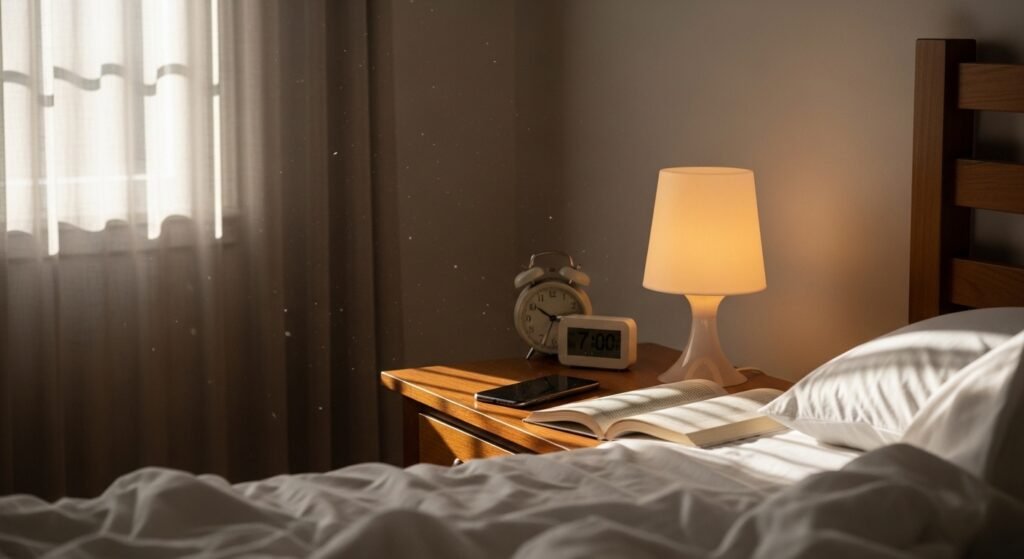
Sleep may be the detox weekend’s most measurable benefit. Screens suppress melatonin, and late-night scrolling keeps the brain in a reactive, alert state long after the body wants rest. Remove the phone for a whole weekend and the effect compounds: Friday night’s sleep improves, Saturday’s deepens, and by Sunday night many people report the best rest they have had in months.
Waking on Sunday without the instinct to check a screen is its own revelation. Instead of starting the day inside other people’s news and opinions, you start inside your own morning: the light, the quiet, your own thoughts. That gentle beginning changes the texture of the whole day, and it is one of the benefits people most want to keep after the weekend ends.
Exploring The Great Outdoors Again

Unplugged weekends reliably drive people outside, partly because the indoors feels emptier without screens and partly because nature is the original high-definition experience. Local trails, beaches, parks, and gardens all get their due. And without the urge to photograph everything for a post, the outdoors is experienced rather than curated, which turns out to be far more vivid.
There is real science behind the glow people report. Time in nature lowers cortisol, improves mood, and restores the attention fatigued by directed screen focus. A weekend that combines disconnection with the outdoors is essentially a double dose of restoration. No wonder Sunday evening arrives with that particular calm that no app has ever delivered.
Real Conversations In Real Time

Talk to anyone who has done a detox weekend with a partner, family, or friends and they will tell you about the conversations. Without phones on the table, dialogue goes deeper and longer. Eye contact holds. Nobody is half-present. The subtle art of actually listening, eroded by years of divided attention, comes back with surprising speed.
These are the weekends people remember years later, not because anything spectacular happened but because everyone was truly there. In an era of constant partial attention, undivided presence has become the rarest and most generous gift. A detox weekend is, among other things, a gift you give to the people you love.
Seeing The World With Fresh Eyes

One of the strangest detox effects is perceptual: the world looks different without a camera roll mediating it. Freed from the pressure to capture the perfect shot of every moment, you start seeing things as experiences rather than content. A sunset is just a sunset again, not a post. A beautiful meal is just dinner, not documentation. The shift from performing life to living it is profound.
People describe keeping these moments “all to themselves” as unexpectedly magical. A memory that exists only in your mind feels more personal, more yours, than one flattened into a feed. The detox weekend teaches a forgotten skill: experiencing beauty without an audience, and finding that the beauty does not diminish one bit.
Reducing The Pressure To Compare

Social media’s quietest poison is comparison: the endless, involuntary measuring of your ordinary Saturday against everyone else’s highlight reel. Two days offline breaks the spell completely. Without the feed, there is nothing to measure against, and your own weekend, unphotographed walks, unremarkable meals, naps, starts to feel not inadequate but abundant.
This is the detox benefit with the longest tail. Once you have felt how content a comparison-free weekend can be, the feed’s spell weakens permanently. Many people return to social media after a detox with new boundaries: less scrolling, fewer follows that trigger envy, more skepticism toward the highlight reel. The weekend ends, but the perspective stays.
How To Plan Your Own Detox Weekend
Ready to try it? Preparation makes all the difference. Tell key people you will be offline so nobody worries, and set up an emergency bypass for truly urgent calls. Handle Friday’s logistics, maps, tickets, reservations, before the phone goes dark, or print what you need. Stash the phone somewhere inconvenient, not the nightstand. Stock the weekend in advance: books, ingredients, project supplies, walking routes. And recruit a partner if you can; shared detoxes are easier and more fun.
Expect Friday night to feel strange and Saturday morning to feel miraculous. By Sunday, you will understand why this trend keeps growing. The digital detox weekend is not a rejection of modern life but a reminder of what it feels like to live it on your own terms, fully present, deeply rested, and wonderfully, gloriously bored. Your phone will be waiting on Monday. The question is whether you will pick it up the same way again.
A final note: the goal was never perfection, just perspective. Even one unplugged weekend a month can reset your relationship with your phone. Start with a single Saturday if a full weekend feels daunting. The drawer will hold your phone safely; the weekend will give you back something far more valuable: yourself, uninterrupted.