 Sarah Grey
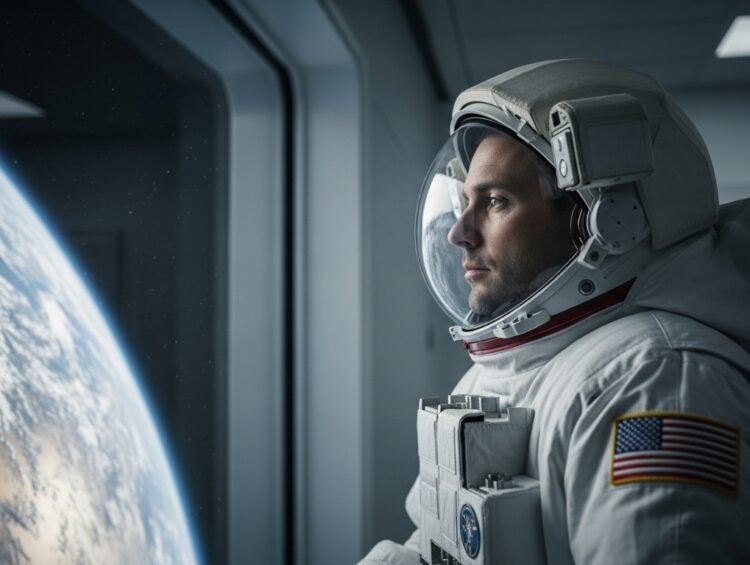
 Ever wondered what goes on in your head when you are out of the atmosphere and you are looking back at the planet that gave you life? For NASA astronaut Ron Garan, who spent 178 days living aboard the International Space Station, the answer was nothing short of life-changing. Garan, a veteran of spaceflights STS-124 and Expedition 27/28, returned to Earth with a profound message: humanity is living a lie. Not a malicious deception, but a deeply ingrained falsehood about our separation from each other and from the planet itself. His story, captured in his book The Orbital Perspective, has resonated with millions because it offers something rare in our divided age: a unifying vision of who we really are, seen from the ultimate vantage point.
The View From The Top
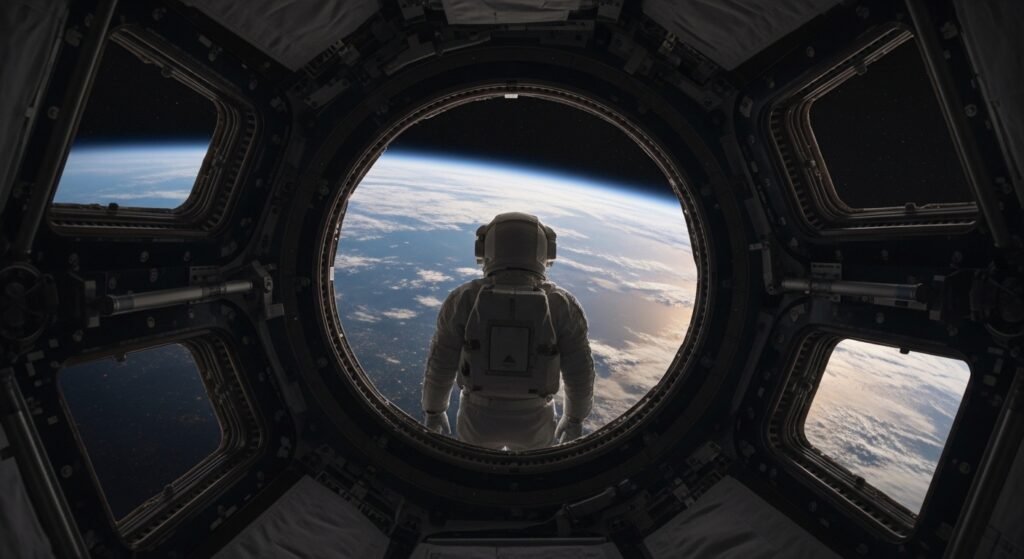
Hundreds of miles above the surface provides you with a front-row view of the actual face of the planet. From the cupola of the International Space Station, Earth appears as a breathtaking blue marble, swirling with white clouds and glowing with life. There are no borders visible, no divisions between nations, only the seamless beauty of a single interconnected world. Garan has described watching sunrises and sunsets sixteen times a day, each one a reminder of the planet’s fragility and magnificence. This perspective is impossible to fully convey in words or photographs; it must be experienced to be understood. Yet astronauts who have seen it consistently report the same thing: the view changes you forever.
The Famous Overview Effect
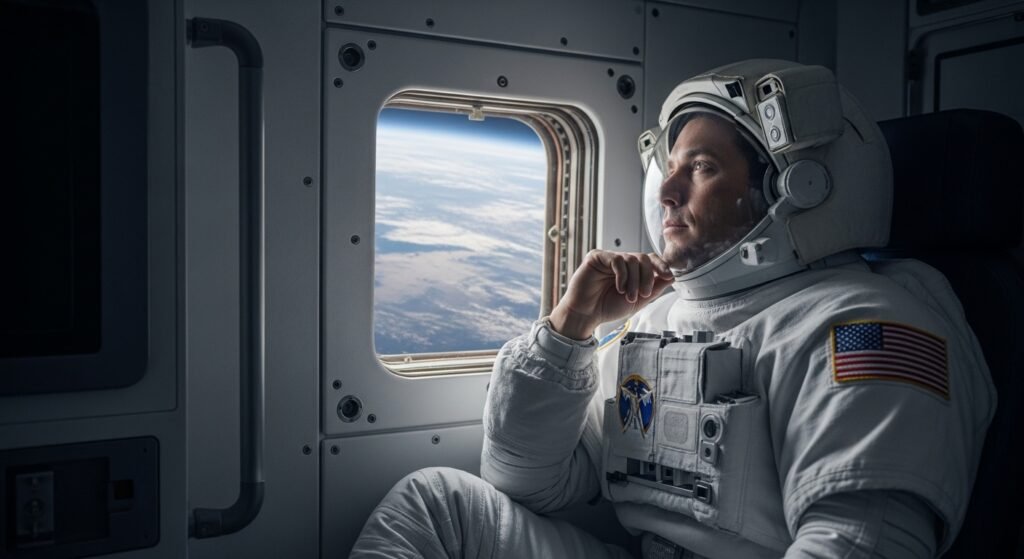
It is not a fancy term for a nice view but a cognitive change written down. The overview effect, a term coined by author Frank White, describes the profound shift in awareness reported by astronauts who see Earth from space. Most astronauts claim that the experience triggers an overwhelming sense of unity, a deep understanding that all life on the planet is interconnected. Scientific interest in the phenomenon has grown, with researchers studying how this perspective might foster environmental stewardship and global cooperation. Garan is among the most articulate spokespeople for the effect, using his platform to translate a deeply personal experience into a universal message. He argues that if more people could see what he saw, our priorities as a species would transform.
Paper Thin Protection
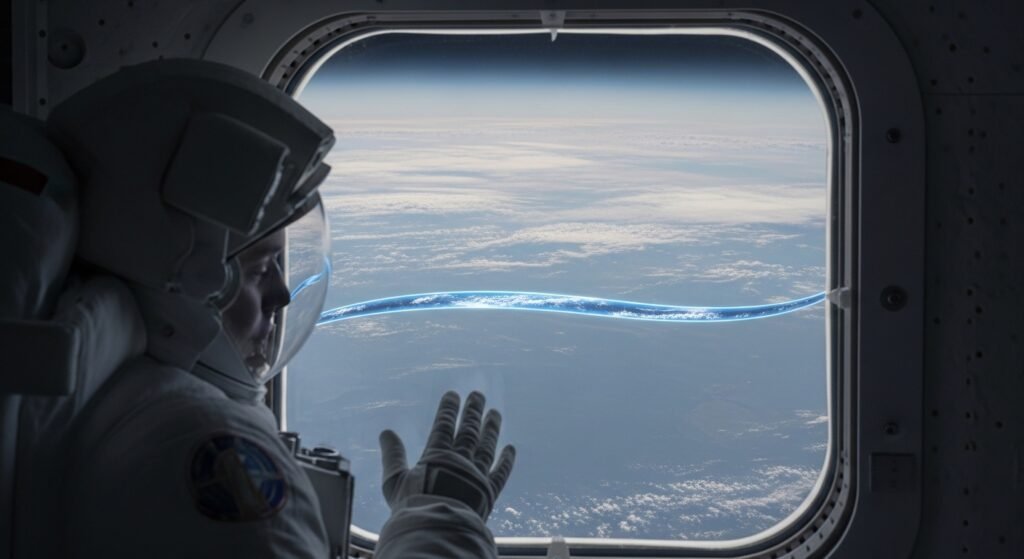
Among the most frightening revelations that Garan had was the view of the atmosphere from space. From orbit, Earth’s atmosphere appears as an impossibly thin blue line, a delicate film clinging to the planet’s surface. Garan has often compared it to the skin of an onion or a sheet of paper, emphasizing how little stands between life and the vacuum of space. This fragility was shocking to him: everything we need to survive exists within that razor-thin layer. Seeing it firsthand made abstract environmental concerns viscerally real. The paper-thin atmosphere became for Garan the ultimate symbol of our vulnerability and our responsibility, a visual argument for planetary stewardship more powerful than any statistic.
Borders Are Mostly Invisible
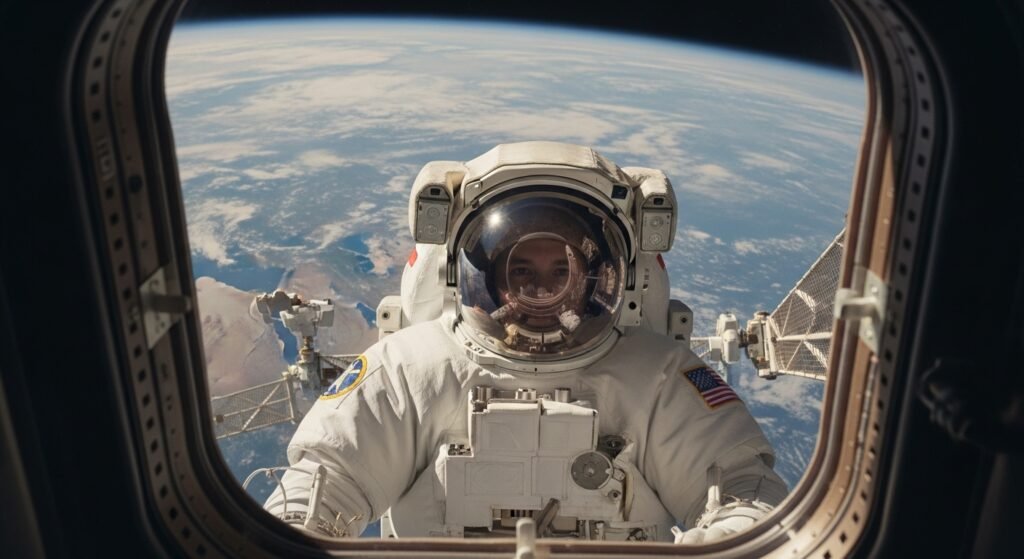
Being so busy discussing the lines on the map, we fail to notice that they never exist in nature. From the space station, national boundaries are utterly invisible. There are no walls, no fences, no checkpoints, only the continuous sweep of continents and oceans. Garan found this deeply moving: the divisions that cause so much conflict on Earth are human inventions, meaningless from the orbital perspective. This is not to deny the reality of cultural differences or the importance of governance, but to highlight how arbitrary our fiercest divisions appear from above. The invisible borders became for Garan a metaphor for all the artificial separations that keep humanity from addressing its shared challenges.
The Global Economy Trap
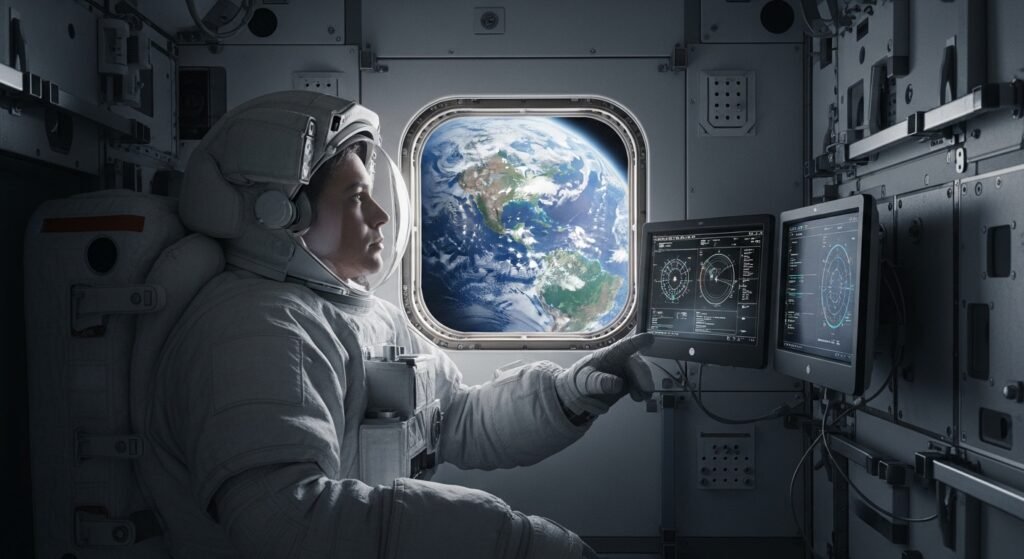
According to Garan, we do tend to view the economy as the most significant aspect of our existence, and this is part of the lie. He argues that humanity has constructed an economic system that treats the planet’s life-support systems as externalities, as if the economy could function independently of the biosphere. From space, the absurdity of this becomes clear: there is no economy on a dead planet. Garan does not oppose prosperity; rather, he contends that true prosperity must account for the health of the whole system. The global economy trap is the belief that endless growth is possible on a finite planet, a belief that looks increasingly delusional from orbit. His message is that we need an economic perspective as broad as the orbital one.
Living The Big Lie
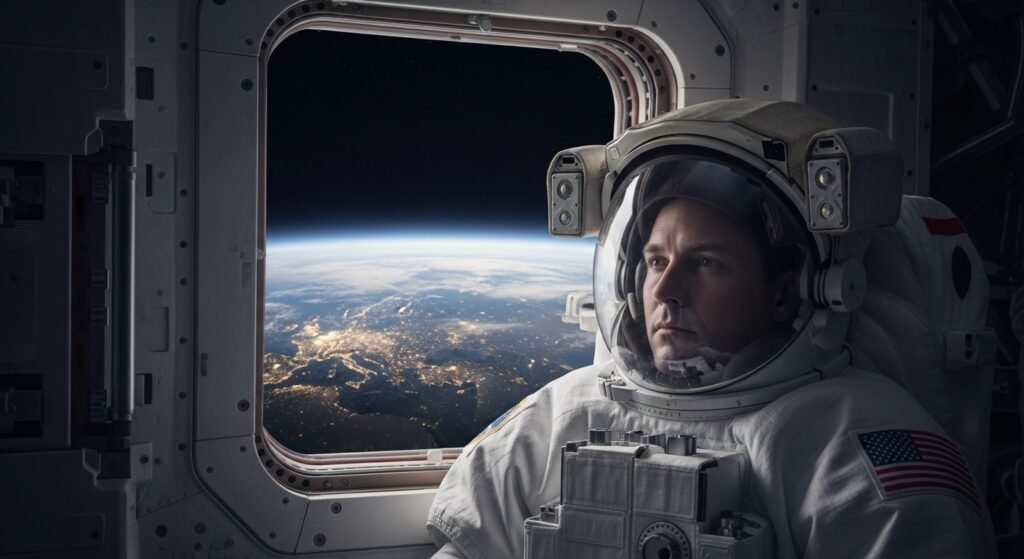
The lie that he is talking about is the notion that the systems created by humans are more real than the natural systems that sustain us. We live as if borders, economies, and ideologies are fundamental, while treating the atmosphere, oceans, and ecosystems as background scenery. Garan calls this the big lie because it inverts reality: the natural world is the foundation, and human systems are the fragile constructs. Living this lie leads us to sacrifice the irreplaceable for the invented, to degrade the planet’s life-support systems in service of abstractions. The 178 days in space gave Garan the distance, literal and figurative, to see the inversion clearly. His mission since returning has been to help the rest of us see it too.
Interconnectedness Is Real
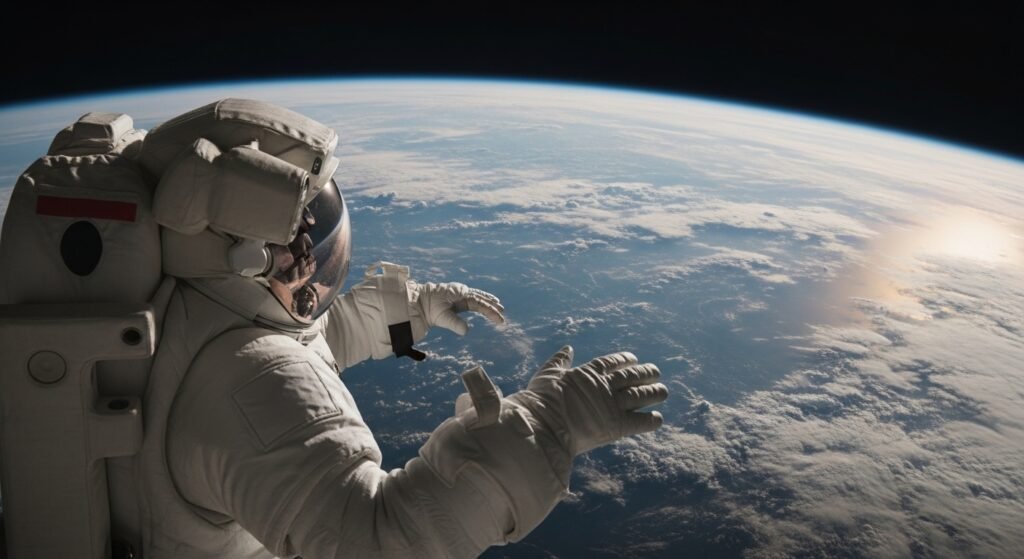
It is clear in space that whatever occurs in one section of the world one day will ultimately reach every other section. Pollution, climate change, pandemics, and economic shocks do not respect the invisible borders. Garan emphasizes that interconnectedness is not a philosophy but a physical fact, visible from orbit in the swirl of weather systems and the glow of city lights. What happens in one place ripples everywhere, a truth that our fragmented politics often ignores. The orbital perspective reveals humanity as a single crew aboard a single spacecraft, sharing one life-support system. Recognizing this interconnectedness, Garan argues, is the first step toward acting like the crew we are rather than passengers fighting over seats.
A Shift In Priorities
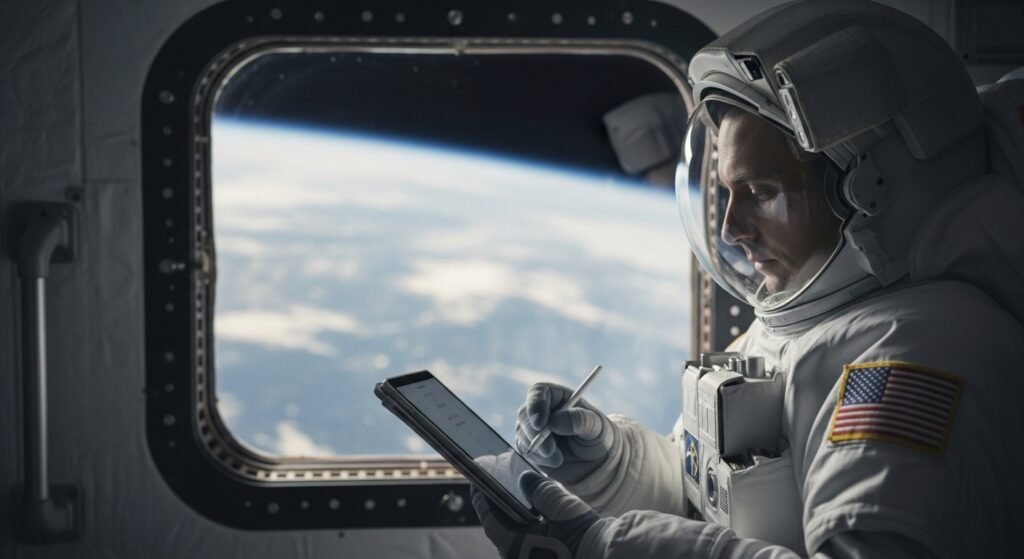
Garan implies that we may be forced to reverse our thought process. Rather than placing the economy first and hoping the planet survives, we should place the planet first and design our economy to thrive within its limits. This is not a call for austerity but for alignment: an economy that regenerates rather than depletes, that measures success by well-being rather than mere output. Garan has worked with organizations like the Manna Energy Foundation to put these ideas into practice, bringing sustainable solutions to communities in need. The shift in priorities he advocates starts with a simple question: does this action support the long-term health of our planetary life-support system? If more decision-makers asked that question, he believes, our trajectory would change.
The Illusion Of Separation
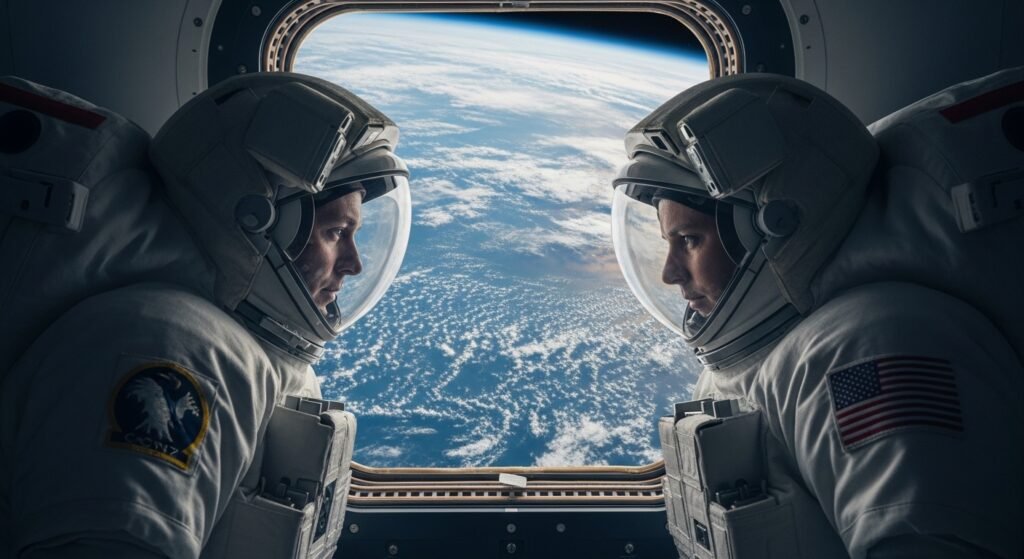
We are inclined to view ourselves as independent entities or countries, but space travel implies the opposite. The illusion of separation runs deep in human psychology, reinforced by language, culture, and politics. Yet every astronaut who has experienced the overview effect reports the same dissolution of separateness, a felt sense of unity that persists long after landing. Psychologists suggest this may reflect something fundamental about human cognition: we are wired for connection, and the orbital view simply removes the filters that obscure it. Garan’s message is that the separation we feel is the lie, and the unity we glimpse from space is the truth. Living accordingly would mean treating strangers as crew members and the planet as home.
Redefining True Wealth
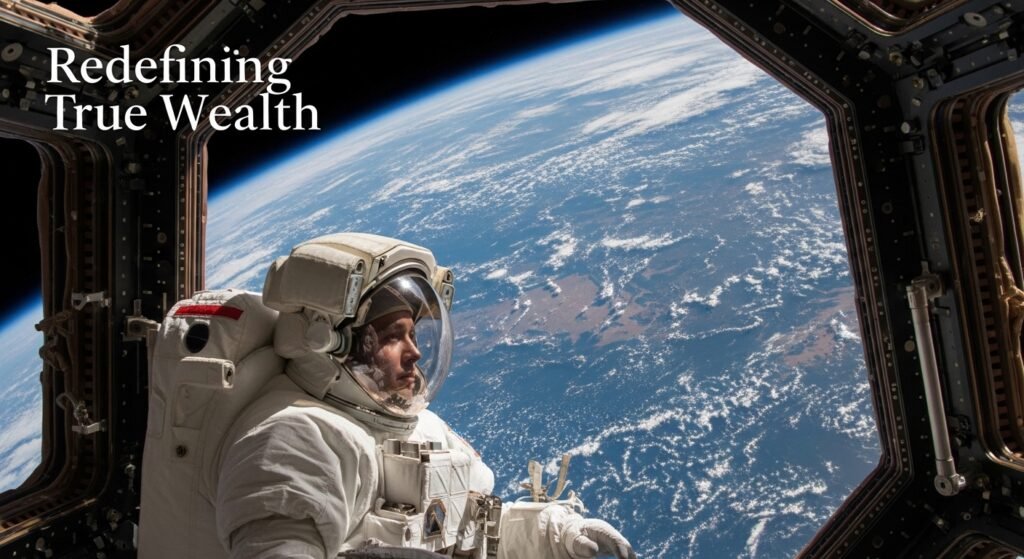
Perhaps it is not money in a computerized bank account that makes one wealthy, but the well-being of the planet and its people. Garan challenges us to redefine wealth in orbital terms: clean air, stable climate, thriving ecosystems, and flourishing communities. By this measure, many of our richest activities are making us poorer, depleting the natural capital on which all prosperity depends. True wealth, he suggests, is a healthy planet capable of supporting generations to come. This redefinition is not merely poetic; it has practical implications for how we invest, what we subsidize, and how we measure progress. A society that valued orbital wealth would look very different from one that values quarterly earnings.
A Message Of Hope
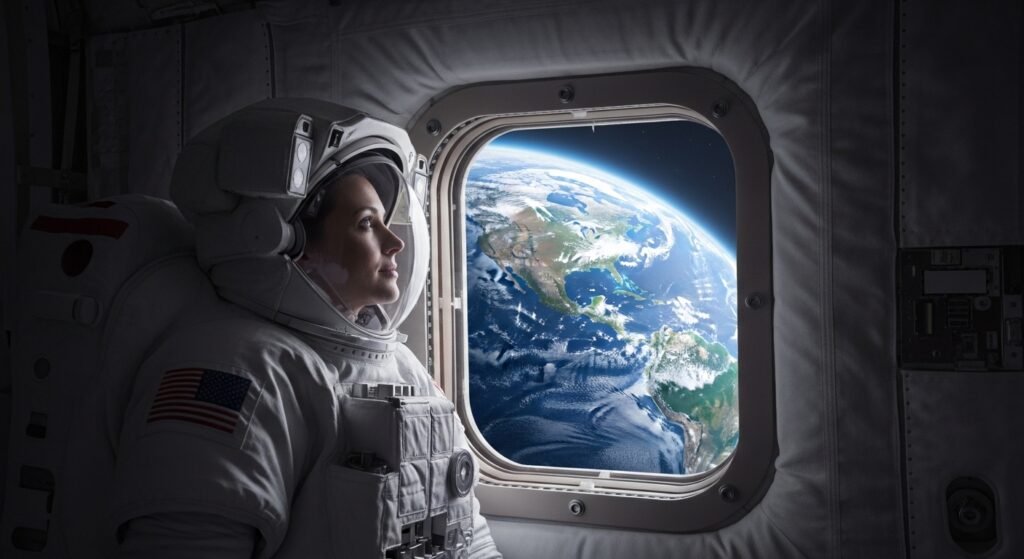
By the end of the day, the story by Garan is the unbelievable beauty and strength of our home. It is easy to despair at the scale of our challenges, but the orbital perspective offers hope: we are capable of seeing the truth, and seeing it is the first step toward acting on it. Garan’s 178 days in space did not make him cynical; they made him determined. He returned convinced that humanity can rise to its challenges if we embrace our shared identity as Earth’s crew. The lie we are living is not a life sentence but a misunderstanding, one that the view from above can correct. His message is ultimately optimistic: we have the perspective we need, if only we are willing to look.
Garan’s message continues to inspire new generations of explorers, reminding us that the most important discoveries are not about distant worlds but about our own shared home.