 Sarah Grey
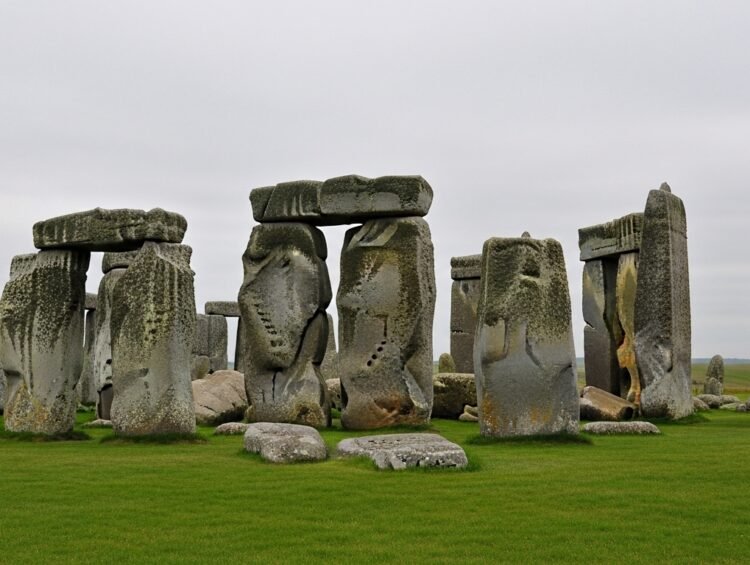
 For more than 5,000 years, Stonehenge has stood on the windswept expanse of Salisbury Plain in southern England, one of the most recognizable and most mysterious monuments ever built by human hands. Generations of historians, archaeologists, poets, and travelers have gazed upon its massive standing stones and asked the same questions: Who built this? How did they do it? And why? Now, a remarkable scientific breakthrough has provided one of the most significant answers in the monument’s long history of investigation, and it comes from something scientists call a geological fingerprint hidden within the stones themselves.
Using advanced geochemical analysis, researchers have identified the unique chemical signature locked inside Stonehenge’s towering sarsen stones and traced it to a specific origin point. This discovery does more than satisfy academic curiosity. It fundamentally rewrites our understanding of how the monument was built, how far its builders traveled, and how sophisticated prehistoric British society truly was. Here is the full story of the fingerprint that changed Stonehenge forever.
A Monument That Has Puzzled Generations
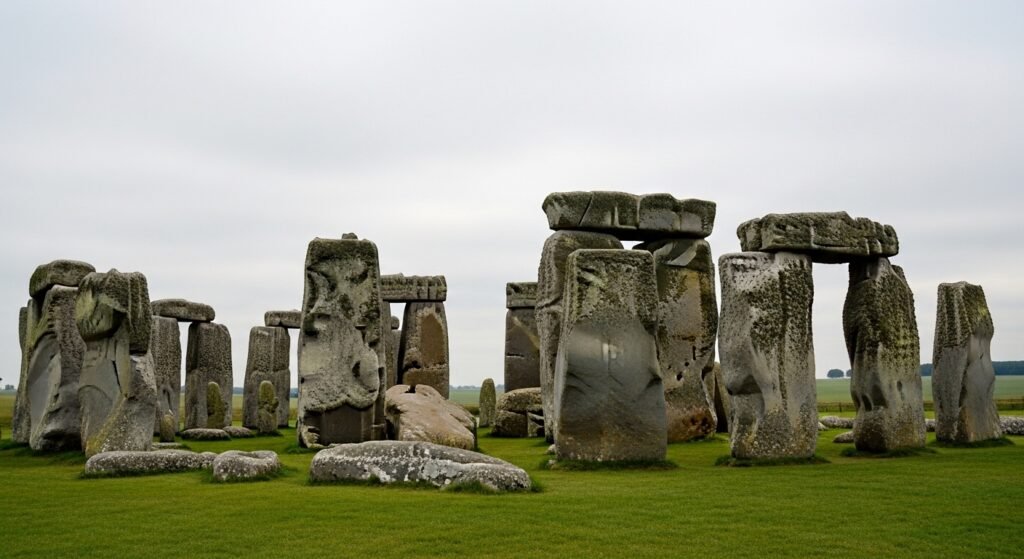
Stonehenge has been captivating human imagination for millennia. The earliest known written references to the monument date back to the medieval period, when chroniclers spun elaborate legends about the wizard Merlin transporting the stones from Ireland by magic. Later centuries brought more scholarly theories: that it was a Druid temple, an astronomical observatory, a burial ground, or a place of healing. Each generation has projected its own preoccupations onto the silent stones.
What makes Stonehenge so enduringly fascinating is the combination of its obvious intentionality and its stubborn silence. The stones are arranged with clear purpose: a circular ditch and bank, concentric rings of standing stones, precisely aligned openings. Yet the builders left no written records, no inscriptions explaining their intentions. Everything we know must be inferred from the stones themselves, the landscape around them, and the scattered artifacts buried nearby. In this context, every new scientific technique that can extract information from the stones is precious, and the geological fingerprint is among the most powerful yet developed.
The Importance of Stonehenge’s Massive Stones
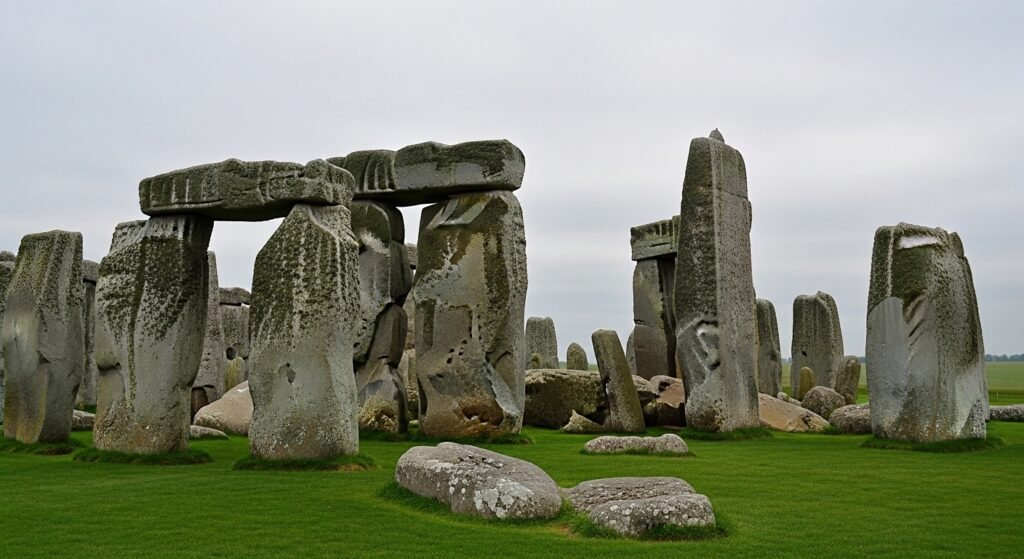
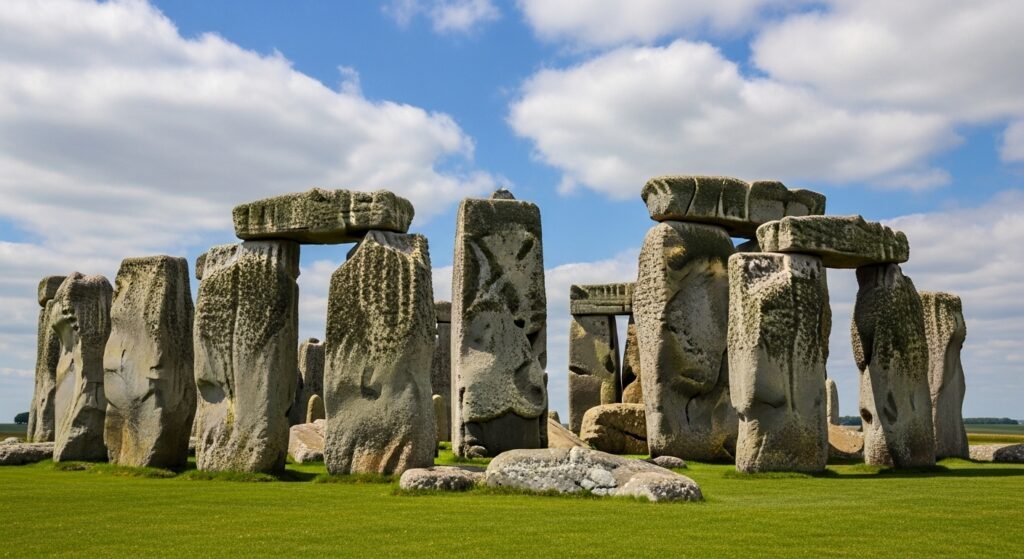
To appreciate the fingerprint discovery, it helps to understand the stones themselves. Stonehenge is built from two fundamentally different types of rock. The smaller bluestones, weighing up to four tons each, form the inner settings. The larger sarsen stones, which make up the iconic outer circle and the towering trilithons, are true giants: some stand more than 20 feet tall and weigh 25 tons or more. Quarrying, transporting, and erecting stones of this size with Stone Age technology represents one of the most impressive engineering feats of the prehistoric world.
For over a century, archaeologists have debated where these stones came from. The bluestones were eventually traced to the Preseli Hills in Wales, some 140 miles away, an astonishing distance for Neolithic transport. The sarsens proved more elusive. Various sources across southern England were proposed, but the evidence remained inconclusive. Without knowing where the stones originated, a crucial piece of the construction story was missing: how far did the builders travel, what routes did they use, and what does that journey tell us about their society?
What Scientists Mean by a Geological Fingerprint
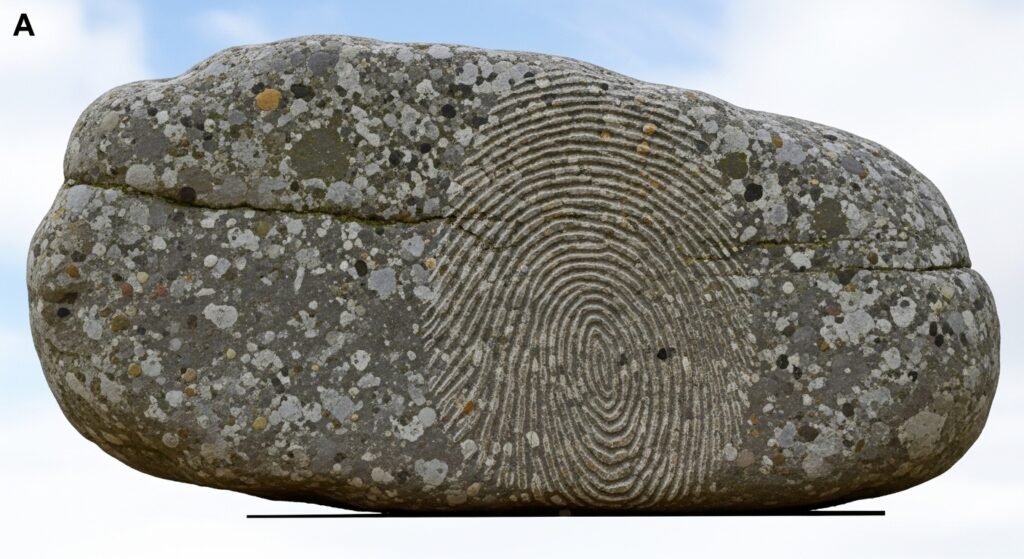
The term geological fingerprint sounds like something from a detective novel, and in a sense, it is. Every rock formation on Earth has a unique chemical and mineralogical composition, shaped by the specific conditions under which it formed: the sediments that accumulated, the pressures and temperatures involved, the trace elements present in the ancient environment. Like a human fingerprint, this compositional signature is effectively unique to its source.
Modern analytical techniques can read these fingerprints with extraordinary precision. Using methods such as X-ray fluorescence and inductively coupled plasma mass spectrometry, scientists can detect trace elements present in concentrations of parts per million or even parts per billion. By comparing the fingerprint of a Stonehenge sarsen with fingerprints from rock outcrops across southern England, researchers can identify matches with a high degree of confidence. It is painstaking work, requiring extensive field sampling and laboratory analysis, but the payoff is a direct, physical link between monument and quarry.
A Breakthrough Discovery in the Sarsen Stones
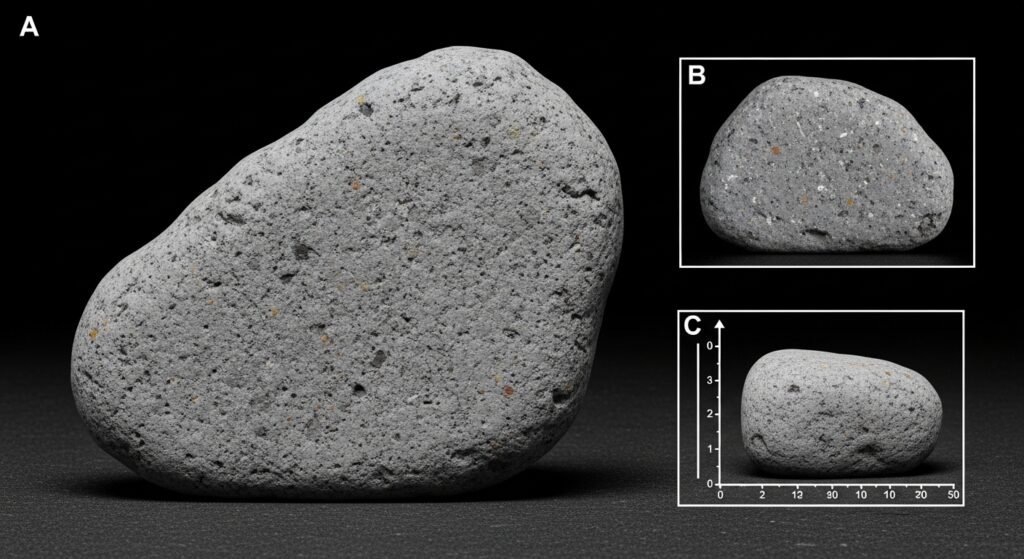
The breakthrough came when researchers conducted a comprehensive geochemical survey of the sarsen stones, analyzing samples from multiple megaliths across the monument. What they found was striking: the stones shared a remarkably consistent chemical signature, far more uniform than would be expected if they had been gathered from scattered locations. This consistency pointed to a single source area, suggesting that the builders made a deliberate, targeted choice rather than opportunistically collecting whatever large stones they could find.
This finding overturned a long-standing assumption. Many archaeologists had supposed that the sarsens, being relatively common sandstone blocks found across the chalk downs of southern England, might have been collected from various nearby locations. The fingerprint evidence tells a different story: one of planning, selection, and coordinated effort. The builders were not simply using what was at hand. They were executing a vision that required specific materials from a specific place, and they organized the enormous logistical effort to obtain them.
Tracing the Stones to Their True Origin
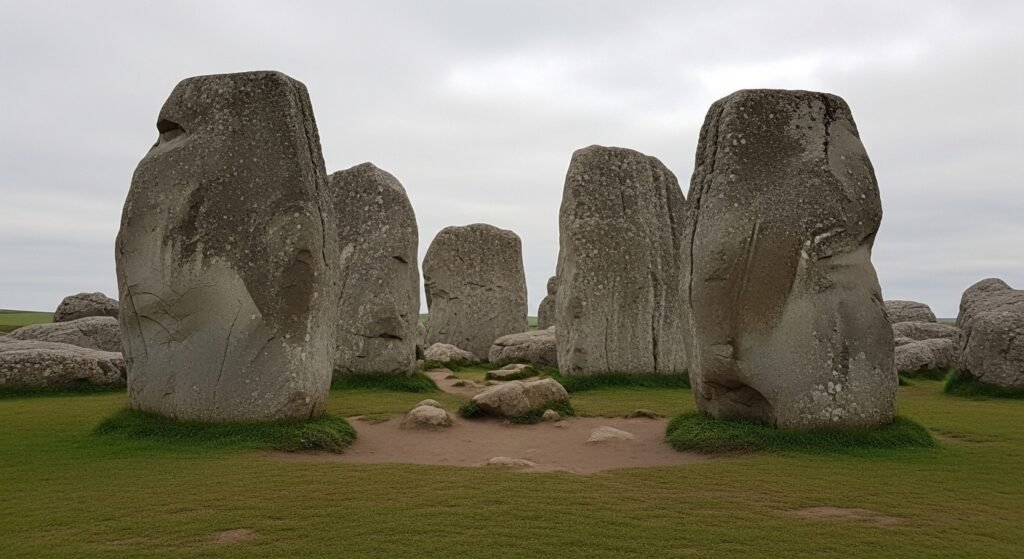
Having established that the sarsens shared a common fingerprint, the research team set out to find its match. They sampled sarsen outcrops across a wide area of southern England, building a reference database of geological fingerprints. The closest match, by a decisive margin, came from West Woods, an area of ancient woodland on the edge of the Marlborough Downs, roughly 15 miles north of Stonehenge. The chemical profiles aligned so closely that researchers could state with confidence that this was the source.
Fifteen miles may not sound like much in the age of highways, but in the Neolithic period, moving 25-ton stones over that distance was a monumental undertaking. The route from West Woods to Salisbury Plain crosses rolling terrain, streams, and valleys. There were no wheels suitable for such loads, no draft animals capable of pulling them, no metal tools. Everything had to be accomplished with stone, wood, rope, and human muscle, coordinated across a large workforce over an extended period. The fingerprint does not just identify a quarry. It reveals the scale of human organization behind the monument.
What the Discovery Says About Ancient Builders
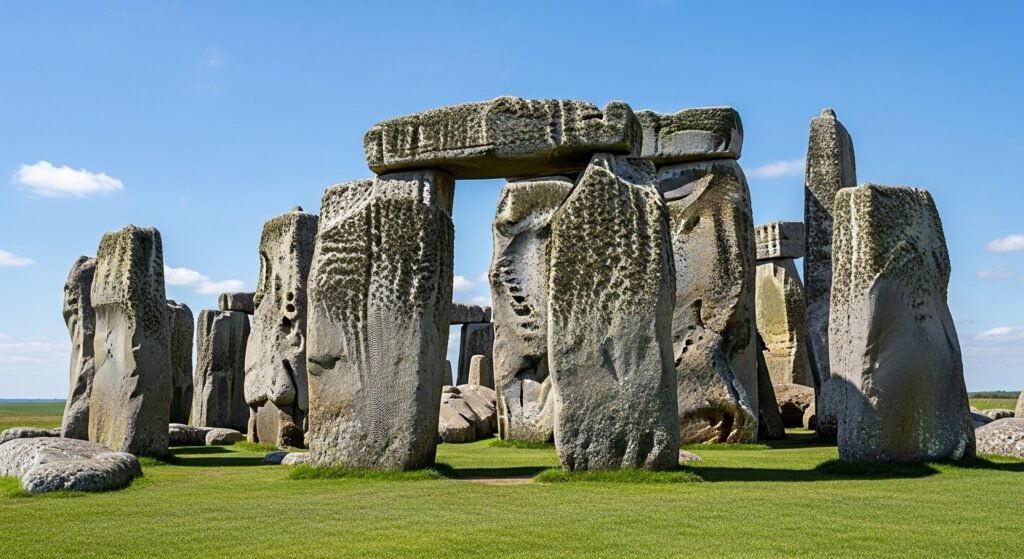
The implications for our understanding of Neolithic society are profound. To quarry massive stones at West Woods, transport them 15 miles, and erect them with astronomical precision required several things: advanced knowledge of materials, sophisticated engineering techniques, the ability to feed and house a large workforce, and social structures capable of sustaining a multi-year project. This was not the work of a small, simple band of farmers. It was the work of a complex, organized society.
Archaeologists now believe that Stonehenge’s construction drew people and resources from across Britain. Isotope analysis of human remains and animal bones found near the monument shows that some individuals traveled from as far as Scotland and Wales. Feasting debris suggests large gatherings. The emerging picture is of a monument that served as a unifying project for disparate communities, a prehistoric undertaking that required cooperation on a scale previously unimagined for the period. The geological fingerprint, a few parts per million of trace elements, has helped reveal an entire social world.
A Monument That Still Holds Secrets
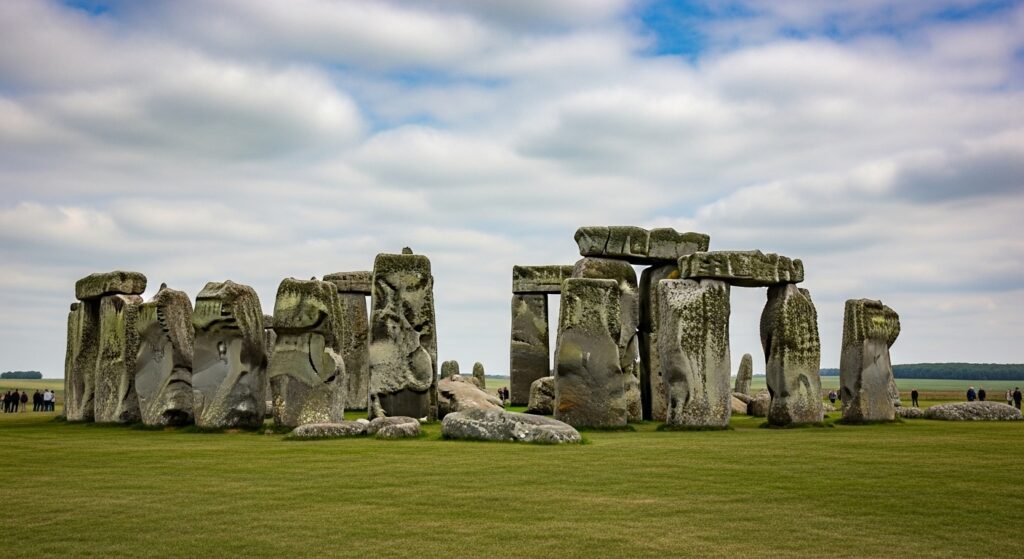
For all that the fingerprint has revealed, Stonehenge remains gloriously mysterious. We now know with much greater confidence where the sarsens came from, but fundamental questions persist. How exactly were the stones transported? Sledges, rollers, and lubricated tracks have all been proposed and experimentally tested, but the precise methods remain debated. How were the massive lintels raised atop the uprights? What was the monument actually for? The alignment with the midsummer sunrise and midwinter sunset suggests astronomical significance, but the full ceremonial meaning is lost to time.
There are also new questions raised by the discovery itself. Why West Woods specifically? Was the choice practical, based on stone quality and accessibility, or was it symbolic, connected to ancestral ties or territorial claims? Did the quarry area hold special significance for the builders? Archaeological investigation of West Woods is ongoing, with researchers searching for evidence of Neolithic quarrying activity: extraction pits, stone-working debris, and temporary camps. Each answer seems to generate new questions, which is exactly as it should be with a monument of this importance.
How the Discovery Changes Our Understanding of History
The Stonehenge fingerprint discovery is a reminder of how science continually refines our picture of the past. A century ago, prehistoric Britons were often imagined as primitive and unsophisticated. Each new finding, from the Welsh origins of the bluestones to the West Woods source of the sarsens, reveals them as capable, organized, and ambitious. The monument they built has survived for five millennia and continues to inspire wonder. That is an achievement that deserves our respect and our continued curiosity.
It is also a testament to the power of interdisciplinary science. Solving the mystery required geologists, archaeologists, chemists, and landscape researchers working together, combining fieldwork with cutting-edge laboratory analysis. As analytical techniques continue to improve, who knows what other secrets the stones may yield? Ancient DNA from buried remains, refined dating of construction phases, and ever more precise sourcing studies all promise to deepen the story. Stonehenge has stood for 5,000 years. Thanks to a microscopic fingerprint hidden in its stones, we understand it better today than ever before, and the investigation is far from over.