
 Sophia Martinez
 The aroma of fresh bread baking in a kitchen is a comfort of the highest order, but there is a magic to sourdough that cannot be duplicated by conventional white bread. Most of the breads at present are hurried to the shelf by commercial yeast, but sourdough takes its time through a natural fermentation process. This old-fashioned process does not merely add a tangy taste and a crunchy crust to the flour; it changes the whole essence of it. Several people report that their digestion improves after switching to sourdough. It happens that what may be affecting your digestive system, beg to differ, is the secret behind that signature bubbly starter.
The Magic Of Natural Fermentation

Sourdough is based on a wild starter as opposed to industrial packets. This culture of bacteria and yeast is a living one that operates slowly to pre-digest the starches in the flour. This might turn the finished product significantly more stomach-friendly.
Breaking Down Complex Gluten Proteins
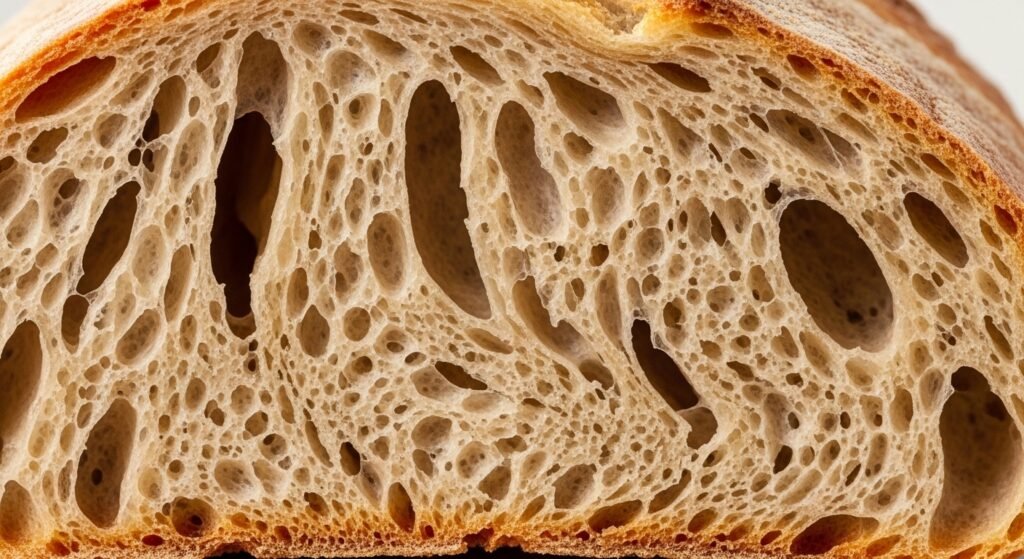
The high rise time gives the enzymes some time to start breaking down gluten proteins. Although this structural change does not address the medical issues of people with severe medical conditions, some individuals may feel better and less weighed down when they have a slice of bread.
A Natural Source Of Prebiotics

Although the high temperature of the oven is used to kill the living bacteria, the bread is still abundant in prebiotic-like properties. These fibers may form a substantial meal for the good microbes already established deep in your digestive tract.
Enhancing Mineral Absorption
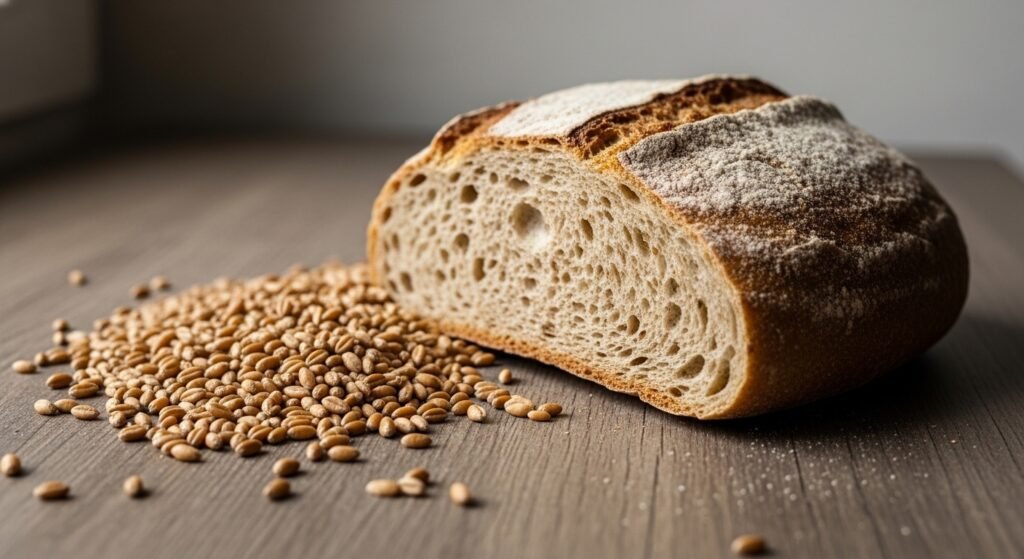
Mineral absorption may sometimes be impeded by phytic acid in grains, which can block minerals such as magnesium and zinc. Sourdough acidity may allow your body to more readily absorb those nutrients that are so vital.
Improving Overall Digestibility

Since essentially, the fermentation process initiates the digestion process before the bread even reaches your mouth, chances are that your gut does not have to work as hard. There have been multiple reports of reduced bloating after consumption of sourdough by many of its adherents.
The Role Of Organic Acids

The hard work of the starter results in lactic and acetic acids. The particular acids may have a key role in maintaining the pH level of the digestive system, which is key in ensuring an easy and stable gut.
Resistant Starch Formation

As sourdough is allowed to cool, it may form resistant starch, which is not processed as normal carbohydrates. This form of starch goes farther down the digestive tract and may even be a specialized source of fuel to your most beneficial gut bacteria.
Supporting the Gut-Brain Axis

A relaxed stomach is likely to make a relaxed mind. Because the gut produces a large portion of serotonin in the body, eating something that is agreeable to your digestion may have an indirect but significant impact on your daily mood.