 Sophia Martinez
 Every day, families use dozens of products designed to clean, polish, and protect their living spaces without ever questioning what those products contain. Yet behind the promise of sparkle and freshness, a single common ingredient found in countless household cleaners may be quietly weakening surfaces, damaging materials, and costing homeowners millions in repairs each year.
Sodium Hypochlorite Is More Powerful Than Most Realize
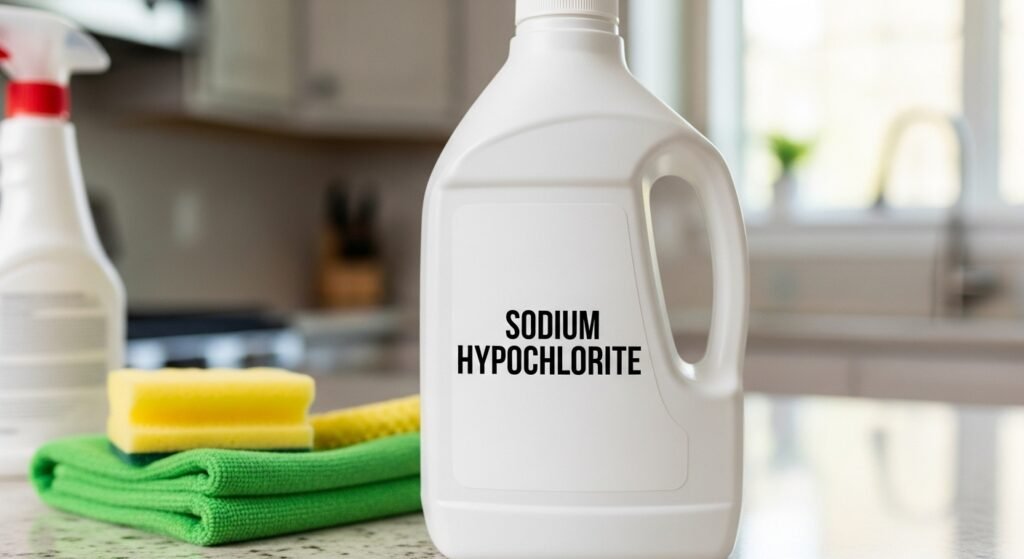
Sodium hypochlorite, commonly known as bleach, is widely used in homes for disinfecting kitchens, bathrooms, laundry, and floors. While it is highly effective at killing bacteria and removing stains, its chemical strength can gradually degrade many everyday materials when used frequently or in concentrated amounts.
Repeated Exposure Breaks Down Protective Finishes
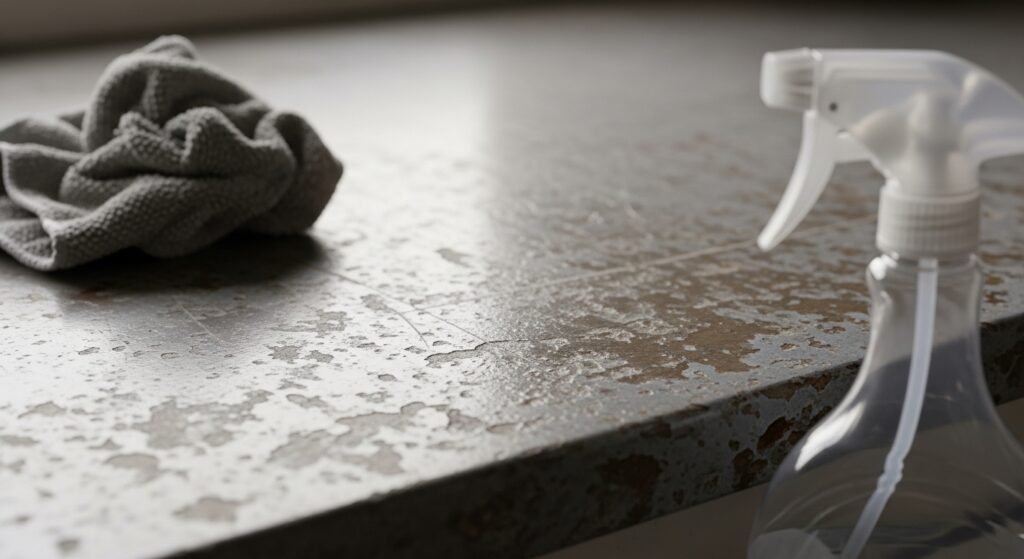
Many countertops, tiles, and fixtures are coated with protective sealants that shield them from moisture and stains. Regular exposure to harsh chlorine-based cleaners can strip away these finishes over time, leaving surfaces porous, dull, and far more vulnerable to cracking and discoloration.
Grout and Caulking Suffer Silent Damage
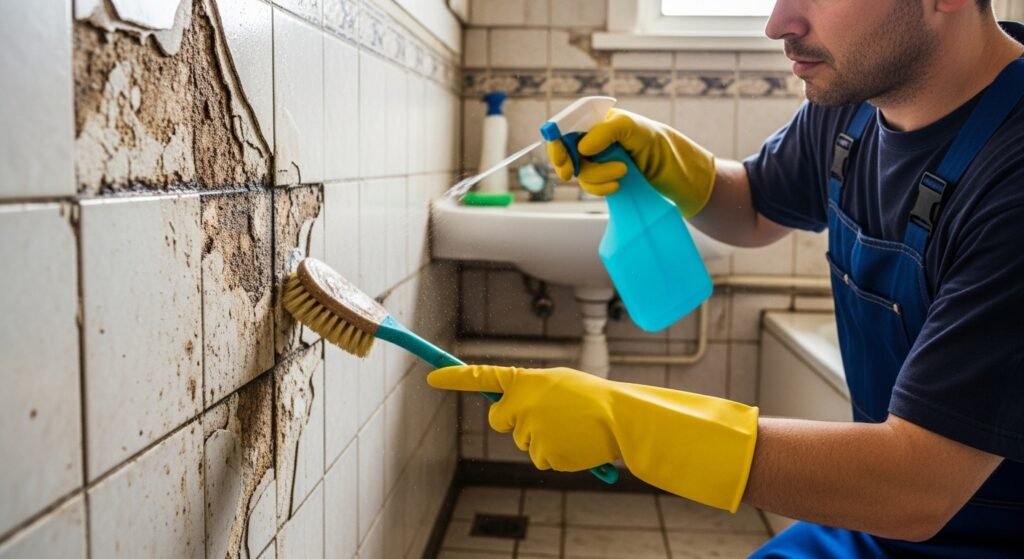
Bathroom and kitchen grout lines often receive heavy applications of strong cleaning agents in an effort to maintain a bright appearance. The chemical reaction between bleach and cement-based grout slowly erodes its structure, weakening bonds and leading to crumbling lines that allow water to seep behind walls and under floors.
Natural Stone Is Particularly Vulnerable
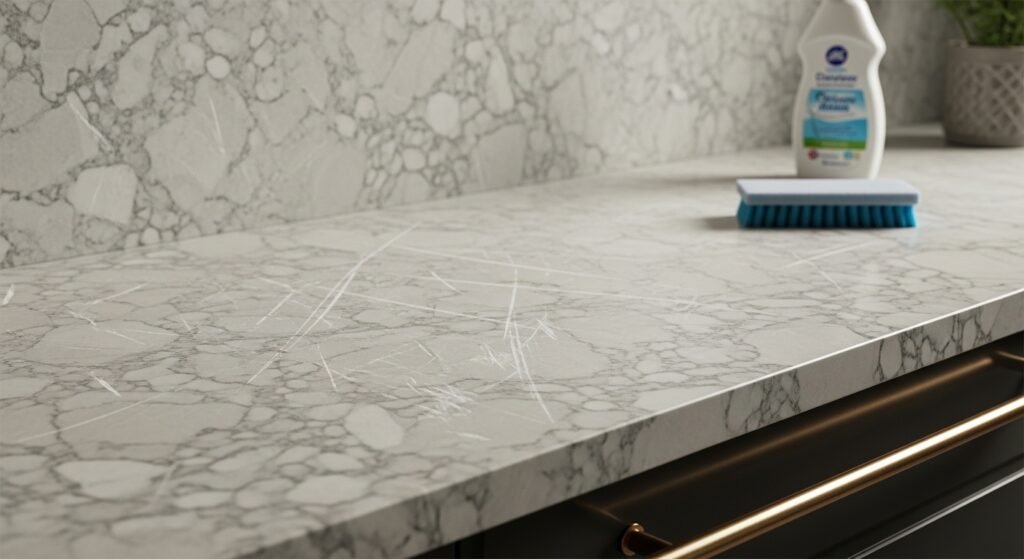
Materials such as marble, granite, and limestone are prized for their durability and beauty, yet they are sensitive to corrosive chemicals. Chlorine-based cleaners can etch these stones, fade their polish, and compromise sealants, ultimately shortening the lifespan of expensive installations.
Wood Surfaces Lose Strength and Stability
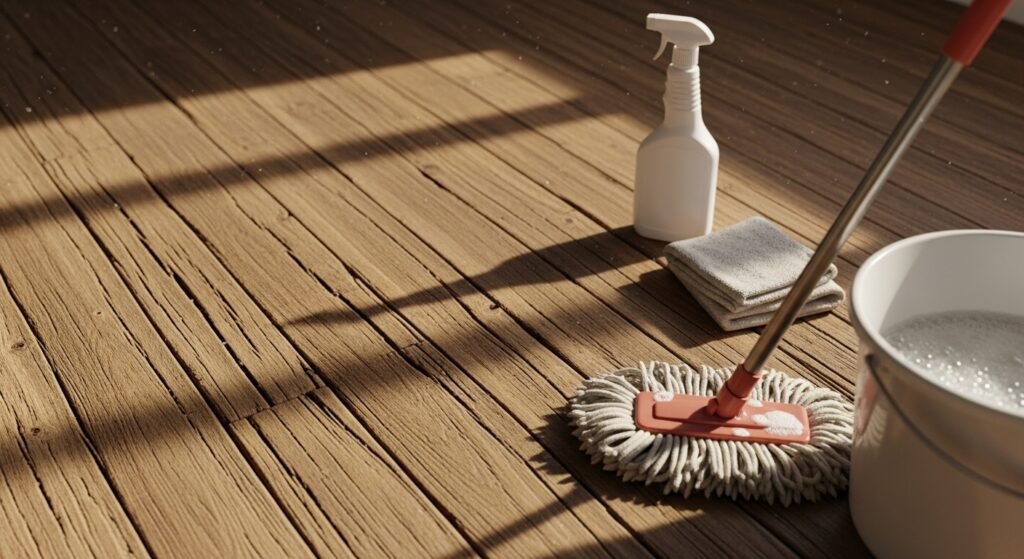
Wood flooring and cabinetry may appear resilient, but prolonged contact with harsh disinfectants can strip protective coatings and dry out the fibers beneath. As moisture levels fluctuate and protective layers deteriorate, boards may warp, split, or develop fine cracks that expand over time.
Metal Fixtures Corrode Faster Than Expected
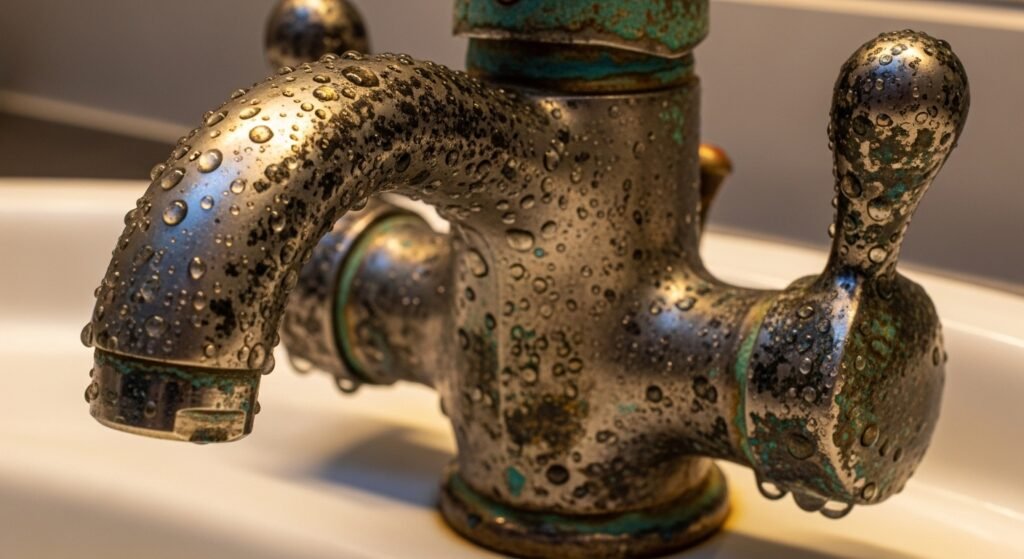
Faucets, hinges, and hardware are frequently exposed to cleaning sprays intended to eliminate germs and water spots. Chlorine compounds accelerate corrosion in many metals, particularly stainless steel and brass, leading to pitting, tarnishing, and eventual structural weakening.
Fabrics and Upholstery Gradually Deteriorate
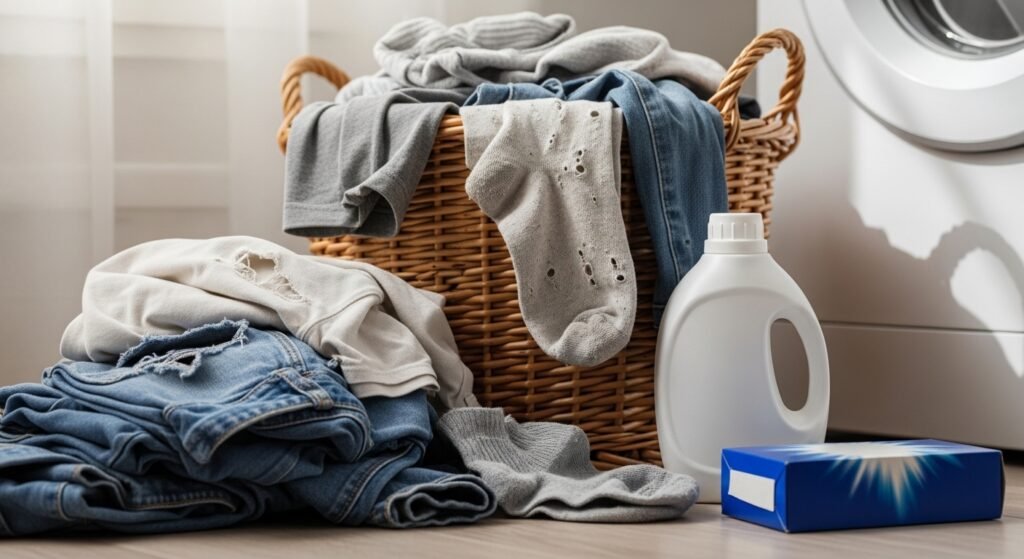
Laundry products containing bleach are often used to keep clothing and linens looking bright, but repeated use weakens textile fibers. Over time, fabrics can thin, lose elasticity, and tear more easily, resulting in shorter lifespans for household textiles.
Plumbing Systems Can Be Affected
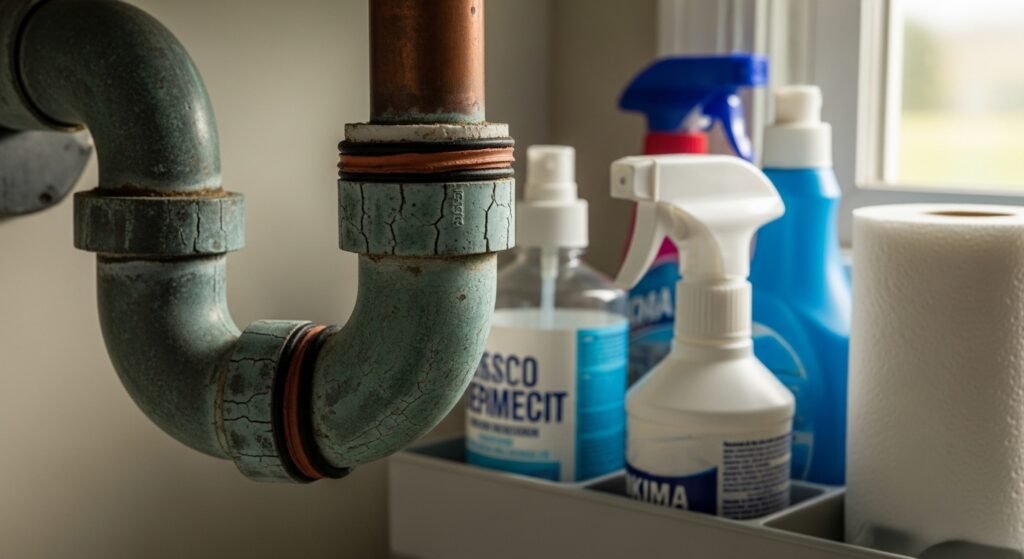
When concentrated cleaning solutions are poured down drains, they do not simply disappear without consequence. Repeated exposure to corrosive chemicals can contribute to the degradation of certain pipe materials and rubber seals, increasing the risk of leaks and costly plumbing repairs.
Indoor Air Quality May Decline
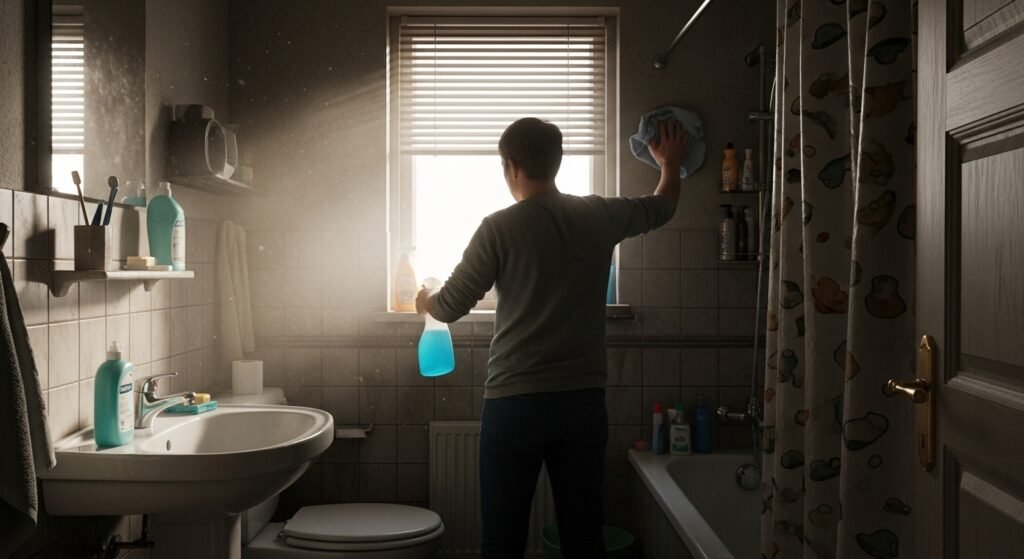
The fumes released by chlorine-based cleaners can react with other substances in the air to form secondary pollutants. In poorly ventilated spaces, these compounds may irritate the respiratory system and linger longer than expected, affecting overall indoor air quality.