
 Kelvin Krita
 It used to feel like a miracle to live long enough to see a hundred candles on a birthday cake. But with an increasing population of centenarians all over the world, scientists are starting to peer beyond mere chance and see what is circulating in our blood. As it happens, the secret of a long life may not be only that which we do, but rather how our inner chemistry responds to the passing of the years. Through the examination of the blood of individuals who have lived past 100, scientists are revealing some interesting trends that indicate that there are some biological indicators that may help protect the body from age-related damage.
The Quest For The Biological Fountain Of Youth

Researchers around the world are becoming increasingly interested as scientists are no longer concerned about curing diseases but rather the underlying principles of extreme durability. Through the study of blood samples, they will be able to determine certain signatures that enable some people to be very resilient.
Biomarkers That Defy The Standard Aging Timeline

Among the most interesting things to examine in this study is the examination of the usual molecules, which tend to change with age. These levels appear to remain very stable in most centenarians, almost as though it were the blood of someone in their 40s or 50s.
The Role Of Metabolic Health In Longevity

Metabolism seems to have something significant to do with the narrative of long life. Scientists have noticed that individuals who attain one hundred tend to have a very balanced level of glucose and creatinine, implying that their bodies are exceptionally efficient in terms of energy and waste conversion.
Understanding The Impact Of Lower Uric Acid

Interestingly, studies tend to indicate a tendency towards lower levels of uric acid in the longest-living people. This particular indicator may be associated with a reduced likelihood of some of the age-related obstacles, which may serve as a potential guide for future health policies.
Keeping Inflammation Under Tight Control

Chronic inflammation is often called “silent aging,” but centenarians appear to have some special method of preventing it. Their blood samples often contain fewer inflammatory factors, and it could potentially shield their vital organs in the long term.
The Mystery Of Protective Cholesterol Patterns

Though it is said that there is good and bad cholesterol, the blood of the very old indicates a more complicated formula. Apparently, having certain lipid ratios may prove better than low total cholesterol in long-term health.
Liver Enzymes And Staying Power

The liver is the main filter of the body, and its well-being is also evident in the blood tests. A lot of centenarians demonstrate extremely constant enzyme levels, which means that their body detox systems are still active and functioning after a hundred years of continuous function.
Iron Levels And Vitality Throughout The Years
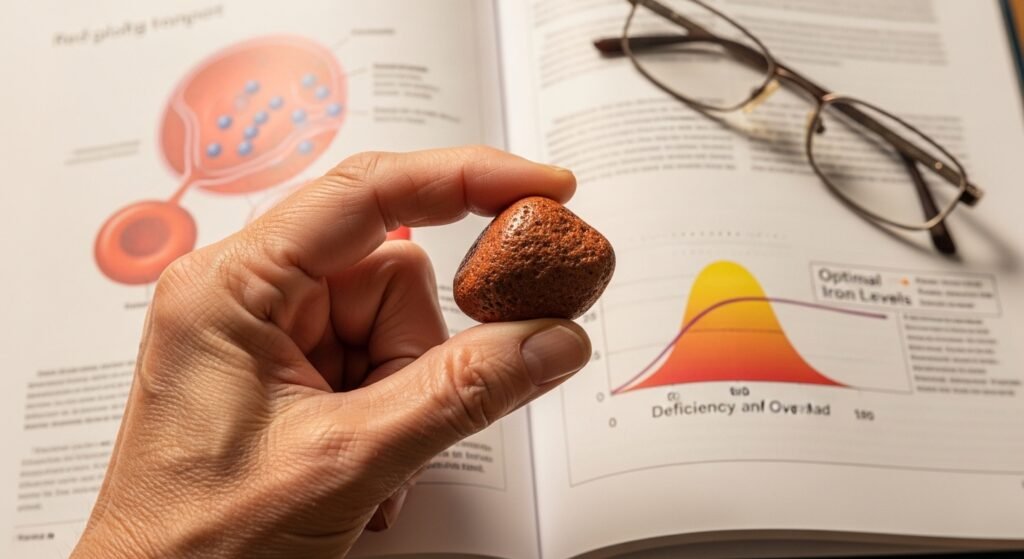
Iron is a vital substance in the transportation of oxygen, and the optimal amount is important. Some researchers have observed that centenarians tend to avoid iron deficiencies or overloads, which may occasionally make the aging process difficult in other people.
The Genetic Influence On Blood Chemistry
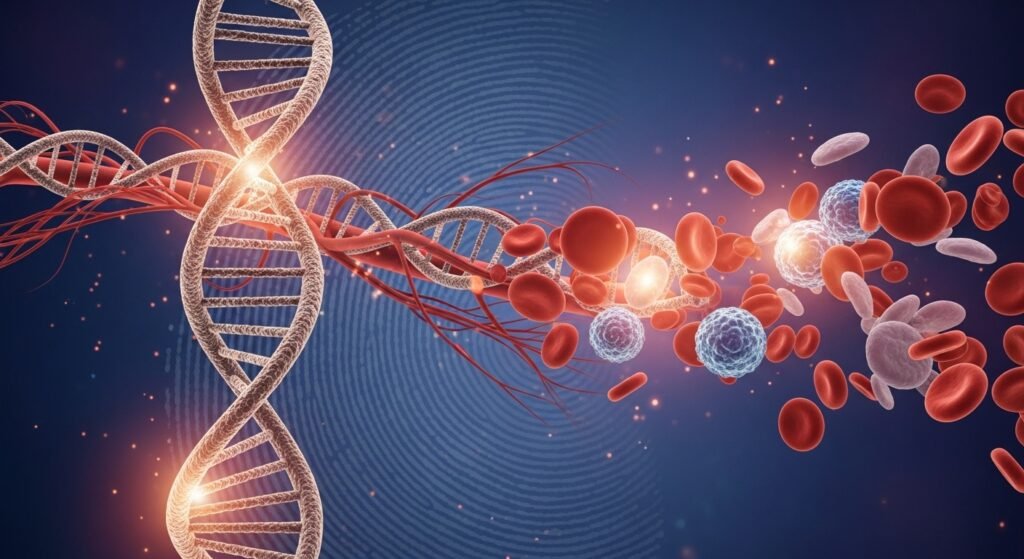
Even though lifestyle is a crucial factor, one cannot ignore the fact that DNA is the blueprint for the composition of our blood. There are individuals who may be born with a genetic tendency that enables their blood to have a more youthful chemical composition that occurs naturally.
Why Early Detection Of Patterns Matters

The early detection of these clues will allow scientists to devise methods of health monitoring in younger generations. Knowing what a hundred-year-old person usually looks like enables the doctor to know when one is losing track of a healthy behavior.