 Sophia Martinez
 In the southeastern corner of California lies a vast, shimmering lake that was never meant to last. The Salton Sea has long stood as a reminder of both human ambition and environmental fragility, drawing scientists, birdwatchers, and curious travelers alike. Today, however, its shrinking shoreline and rising salinity tell a sobering story about water management, climate pressure, and the unintended consequences of engineering decisions made more than a century ago.
The Accidental Birth Of The Salton Sea
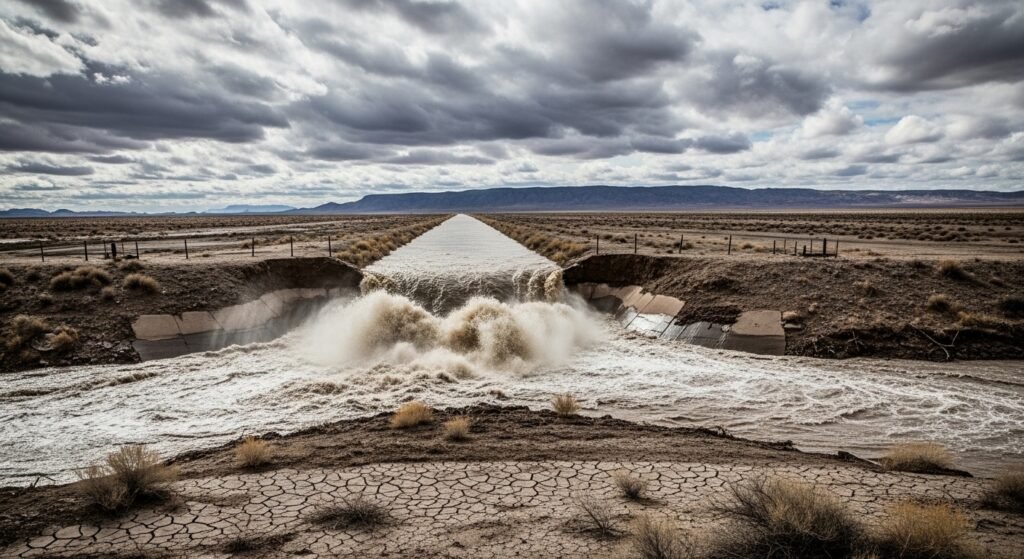
The Salton Sea was created in 1905 when floodwaters from the Colorado River overwhelmed irrigation canals and poured unchecked into the Salton Basin for nearly two years. Engineers eventually sealed the breach, but by then a massive inland lake had formed in one of the hottest and driest regions of California.
A Lake Without A Natural Outlet
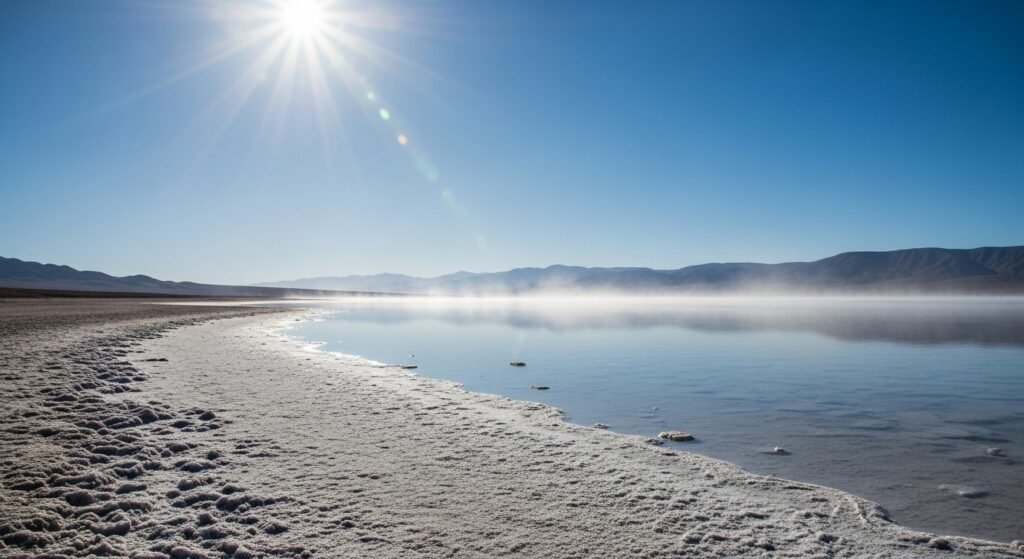
Unlike most lakes, the Salton Sea has no river flowing out of it, meaning water can only leave through evaporation under the desert sun. As the water evaporates, salts and minerals remain behind, gradually increasing salinity and creating long term ecological stress.
Agriculture Became Its Lifeline
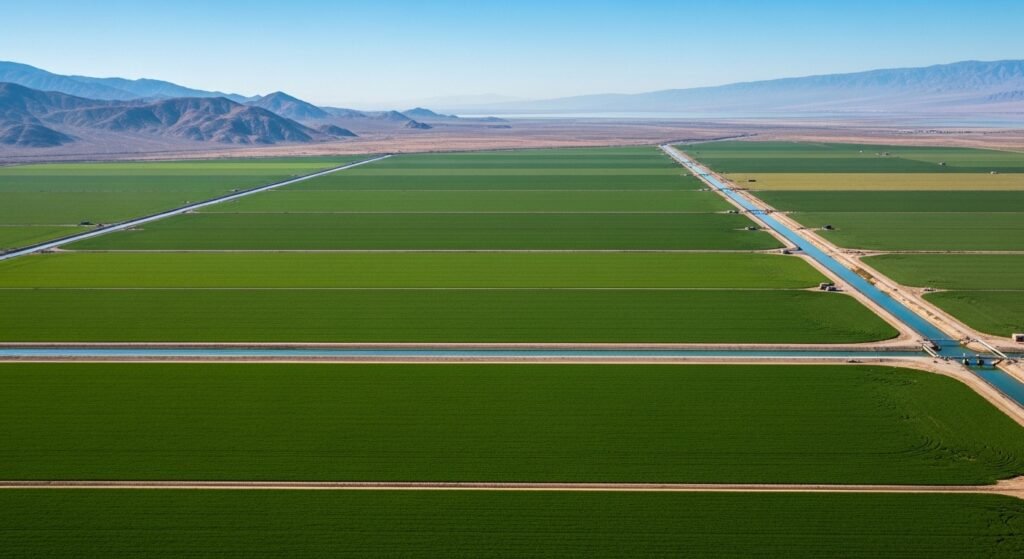
For decades the sea survived largely because of agricultural runoff from the fertile Imperial Valley, which carried excess irrigation water into the basin. This steady inflow offset intense evaporation and maintained relatively stable water levels for much of the twentieth century.
Water Transfers Changed The Balance
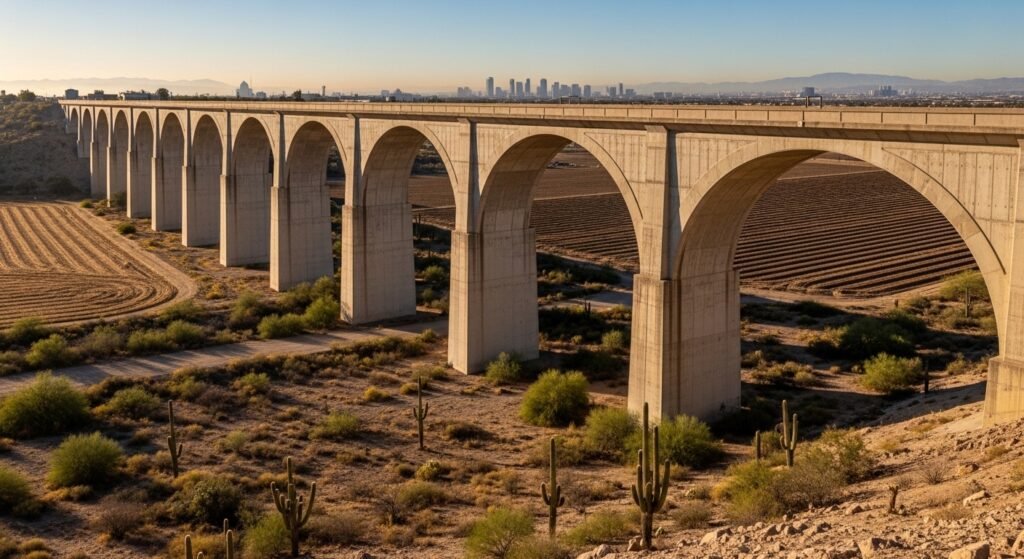
In the early 2000s, major water agreements redirected significant portions of Colorado River water from farms to urban coastal regions. As farmers improved irrigation efficiency and transferred water to cities, less runoff reached the Salton Sea, accelerating its decline.
Rising Salinity Is Killing Wildlife
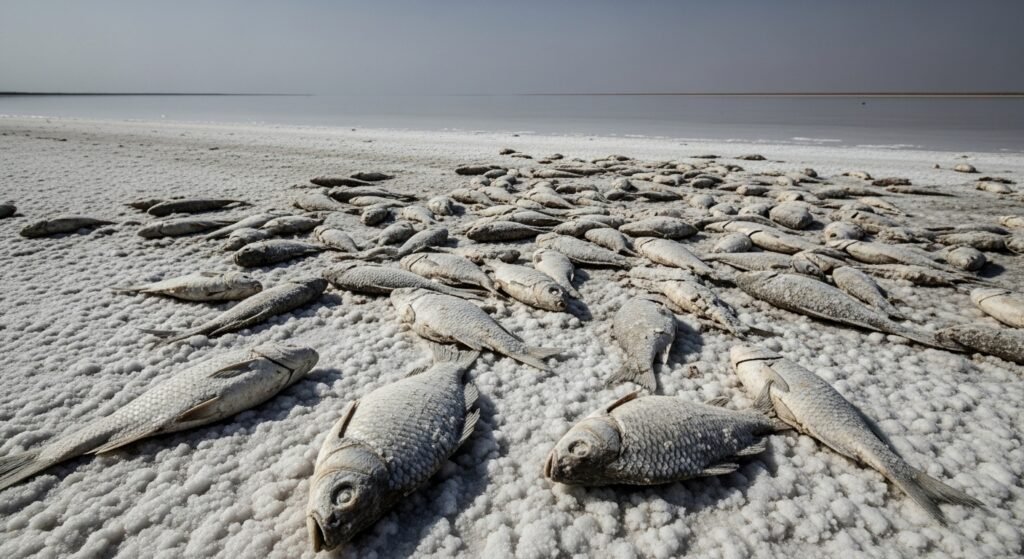
As water levels drop, salinity climbs beyond what many fish species can tolerate, leading to periodic mass die offs along the shoreline. Birds that rely on the sea as a critical stop along the Pacific Flyway are increasingly threatened as their food sources disappear.
Toxic Dust Is Emerging From The Lakebed
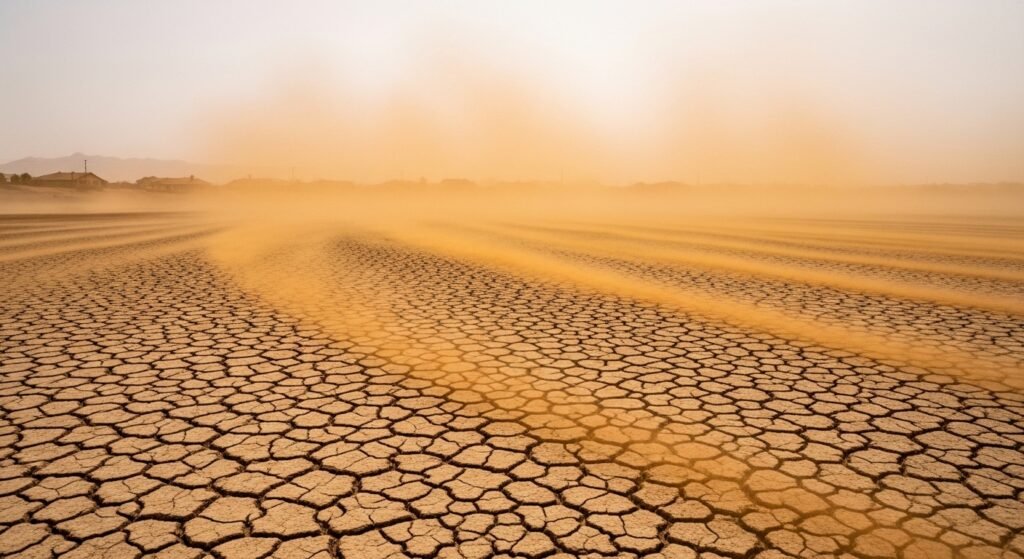
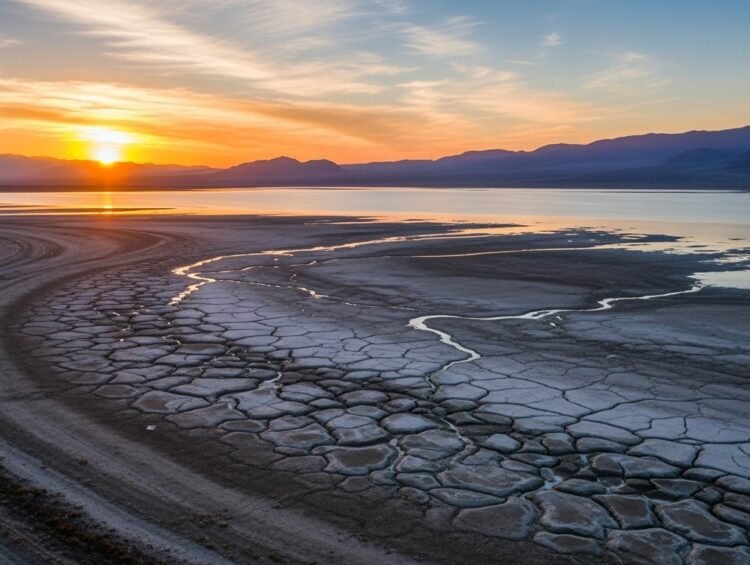
When the shoreline retreats, previously submerged lakebed is exposed to dry desert winds. These exposed sediments can contain agricultural chemicals and natural salts that become airborne, raising serious air quality concerns for nearby communities.
Climate Change Is Intensifying Evaporation
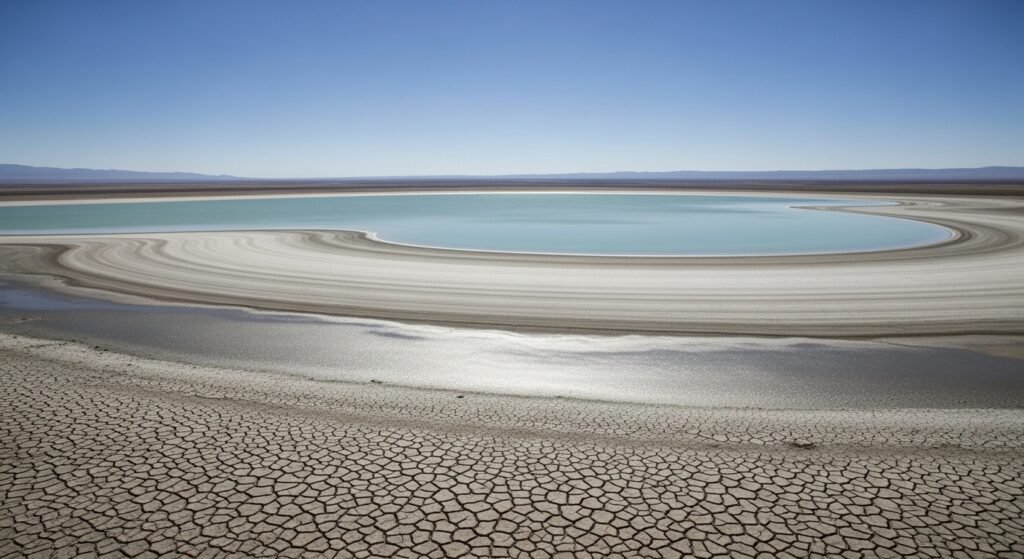
Higher average temperatures and prolonged drought conditions across the American West are speeding up evaporation rates. With less incoming water and more rapid water loss, the sea is shrinking at a pace that outstrips natural recovery.
Economic Hopes Once Centered On Tourism
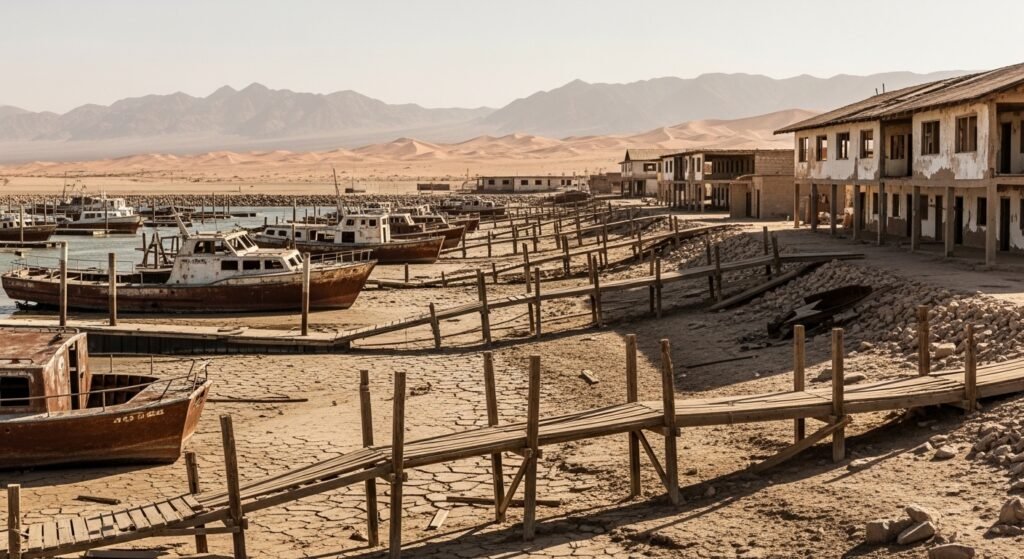
During the 1950s and 1960s, the Salton Sea was promoted as a desert playground with marinas, yacht clubs, and vacation homes lining its shores. As salinity increased and fish populations collapsed, tourism faded and many developments were abandoned.
Restoration Efforts Face Complex Challenges
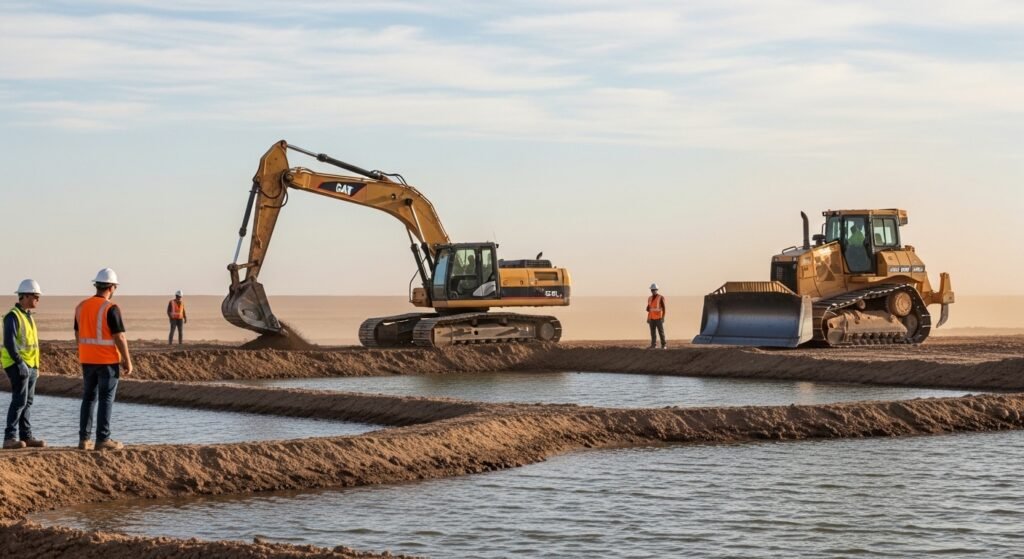
State agencies and environmental groups have proposed habitat ponds, dust suppression projects, and water management reforms to stabilize parts of the shoreline. However, restoration is expensive and politically complicated because it involves water rights, funding commitments, and coordination across multiple jurisdictions.
Communities Bear The Health Burden
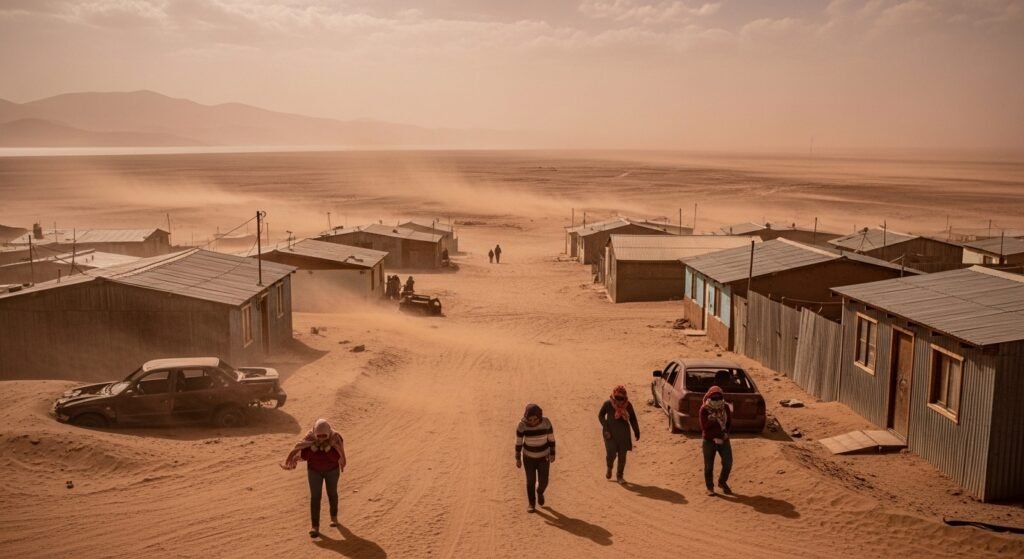
Residents in surrounding towns experience some of the highest asthma rates in the region, a problem often linked to dust blowing off the exposed lakebed. The shrinking sea has therefore become not only an environmental crisis but also a public health issue.
A Critical Habitat At Risk
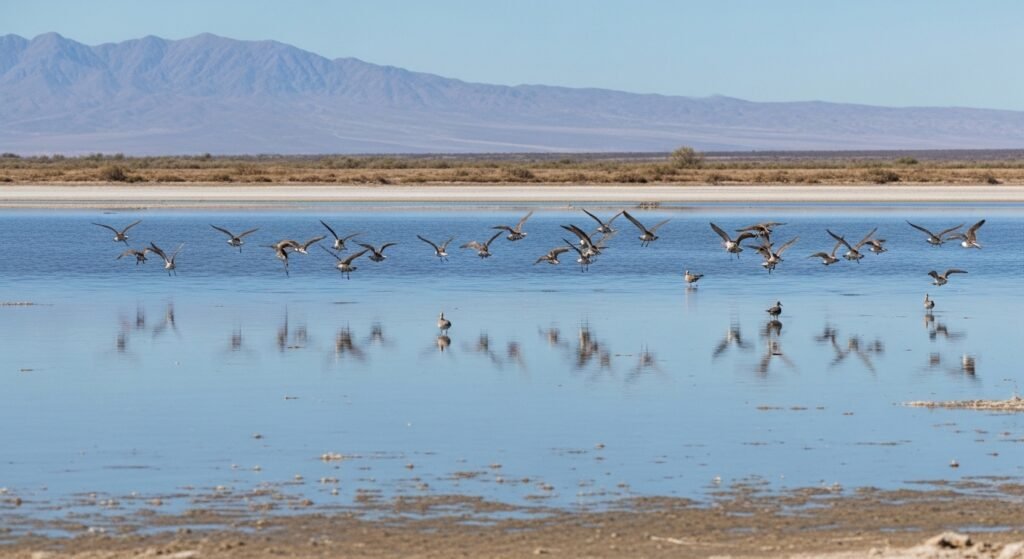
The Salton Sea supports hundreds of bird species, including migratory populations that depend on inland wetlands as coastal habitats decline. Areas such as the Sonny Bono Salton Sea National Wildlife Refuge highlight its ecological importance, even as shrinking shorelines reduce available habitat.
The Future Depends On Water Policy Decisions
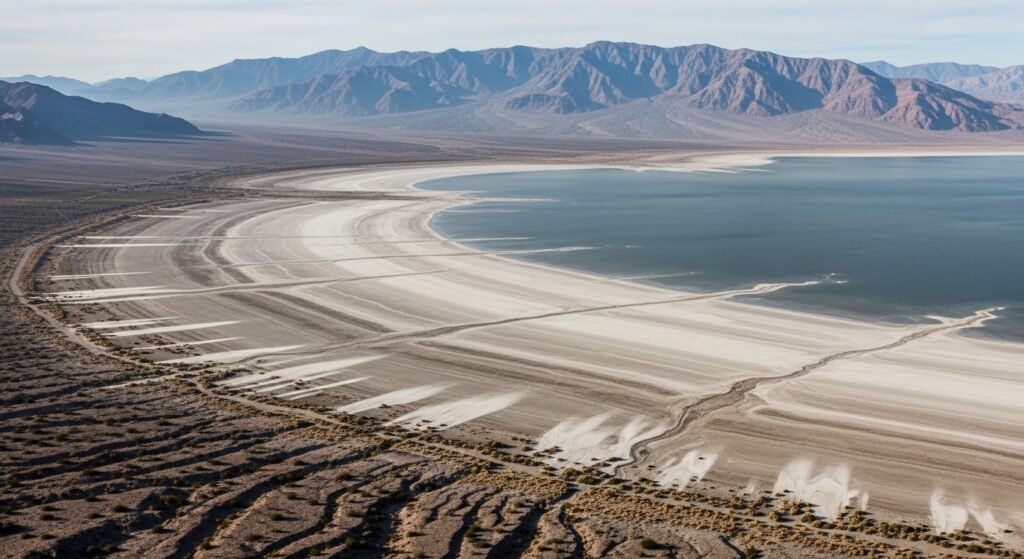
Ultimately, the fate of the Salton Sea is tied to broader decisions about Colorado River water allocation in an era of scarcity. Without sustained inflows or large scale restoration, the lake will continue to contract, leaving behind a saltier, dustier landscape that reflects the complex intersection of climate change, agriculture, and urban growth in the American West.