 Sarah Grey
We have all been there, standing in the skincare aisle under fluorescent lights, staring at a wall of serums with names we cannot pronounce, wondering which one will finally fix our skin. I spent years in that cycle. I bought the ten-step routines, the viral acids, the celebrity creams. My bathroom shelf looked like a chemistry lab, and my skin looked worse than when I started: red, reactive, breaking out in places I had never broken out before. The turning point came when I stopped adding products and started subtracting them. What finally worked was not exotic or expensive. It was boring, consistent, and backed by actual dermatology. Here is the honest routine that saved my skin when nothing else did.
The Gentle Cleansing Shift
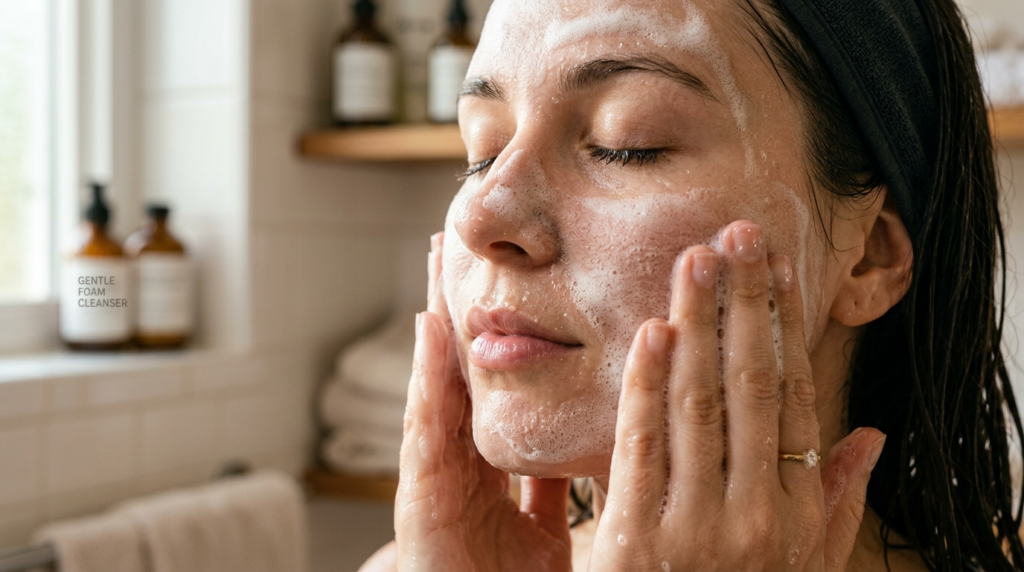
The biggest mistake I made for years was treating my cleanser like a punishment. I used harsh foaming washes that left my face feeling tight and squeaky, because I thought that tight feeling meant clean. It does not. That tight feeling is your skin’s protective barrier crying for help. Dermatologists consistently recommend gentle, non-stripping cleansers, especially for anyone dealing with sensitivity, dryness, or breakouts. Your skin has a natural moisture barrier made of lipids that keeps hydration in and irritants out, and aggressive cleansers strip it away.
When I switched to a gentle, fragrance-free cream cleanser, the change was noticeable within two weeks. Less redness after washing. Less of that uncomfortable tightness. Fewer of the dry patches that used to flake under my makeup. A good cleanser should leave your skin feeling comfortable, like nothing at all, not like you just power-washed it. If your face feels tight, dry, or irritated after cleansing, your cleanser is too harsh for you, full stop. This single switch did more for my skin than any serum I had ever bought.
The Power Of Consistency
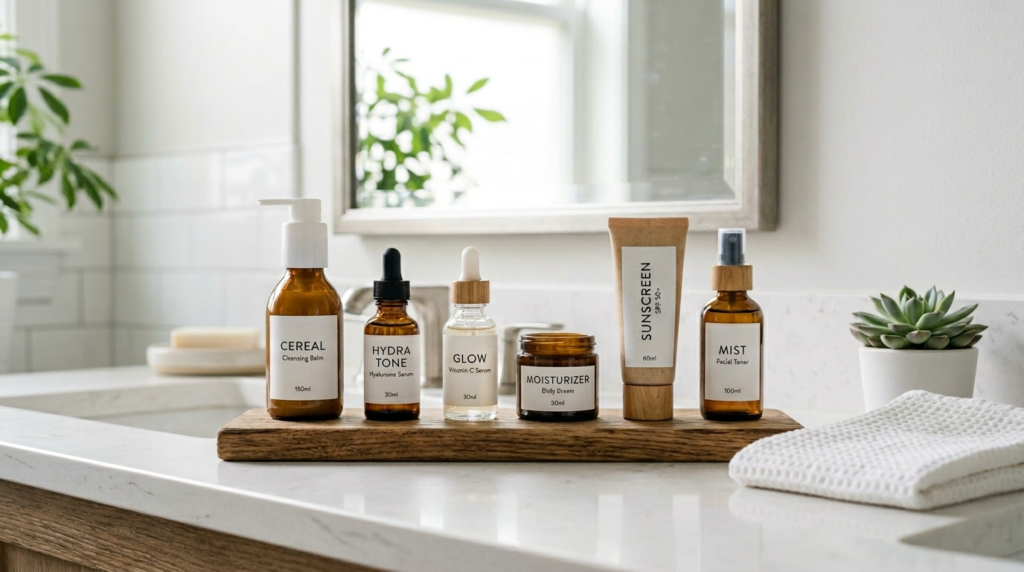
Here is the truth nobody selling a twelve-step routine wants you to hear: consistency beats variety every single time. I used to rotate products constantly, chasing the high of trying something new, and my skin never got a chance to settle. Dermatologists point out that skin cell turnover takes roughly twenty-eight days in young adults, and longer as we age, which means most products need at least four to six weeks of steady use before you can fairly judge them. I was giving products ten days before declaring them useless.
So I committed to the most boring experiment of my life: the same three products, morning and night, for two full months. No new launches. No trending ingredients. Just repetition. Around week five, I looked in the mirror and realized my skin looked calmer than it had in years. The lesson was humbling. My skin did not need more products. It needed fewer products, used faithfully. Now I follow a strict rule: nothing new enters the routine until I have used the current lineup for at least six weeks, and I introduce only one new product at a time so I can tell what is actually doing something.
Sunscreen As A Staple
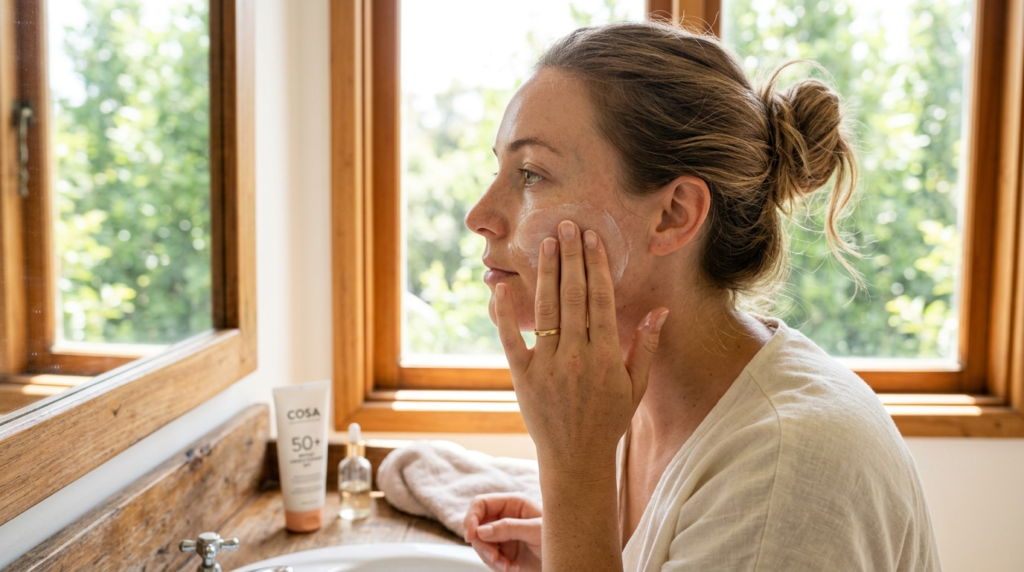
If I could go back and give my twenty-year-old self one piece of skincare advice, it would be this: wear sunscreen every single day. Dermatology research consistently shows that ultraviolet exposure is responsible for the majority of visible skin aging, with estimates around eighty percent of facial aging attributed to the sun. That includes the days you do not expect: cloudy days, office days, driving days. UV rays penetrate clouds and car windows, and the damage is cumulative and silent, showing up years later as dark spots, wrinkles, and uneven texture.
I wear a broad-spectrum SPF 30 every morning as the last step of my routine, no exceptions. The key was finding a formula I actually liked wearing, because the best sunscreen is the one you will use daily. Modern mineral and chemical formulas have come a long way from the greasy, white-cast sunscreens of the past. I apply about a finger-length amount to my face and neck, and I reapply if I am spending extended time outdoors. Of everything in my routine, sunscreen is the one product with the strongest scientific backing for long-term skin health. It is not glamorous. It is just the most important step.
Niacinamide For Calmness
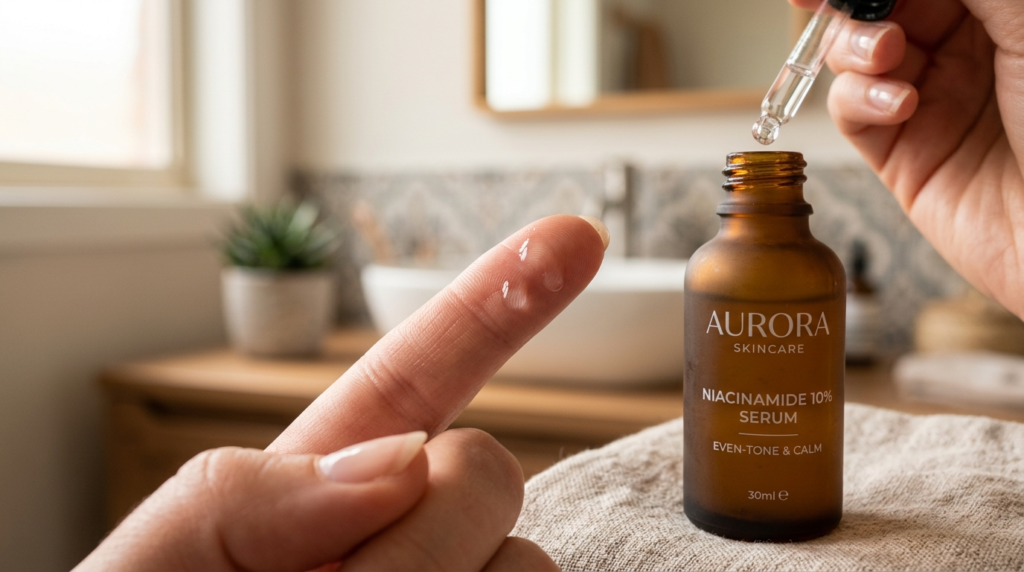
Niacinamide, a form of vitamin B3, is the rare trendy ingredient that actually deserves the hype. Unlike many viral actives that are too harsh for daily use, niacinamide is well tolerated by most skin types and has genuine research behind it. Studies have shown it can help improve the appearance of enlarged pores, uneven skin tone, and redness, while supporting the skin’s barrier function. It is one of the few ingredients dermatologists recommend across the board for sensitive and reactive skin.
I use a niacinamide serum at around five percent concentration each morning, and it has been the single best thing for my persistent redness. My cheeks used to flush at everything: heat, wine, embarrassment, a strong wind. After two months of daily niacinamide, the baseline redness calmed significantly. A word of caution from my own trial and error: higher concentrations, like ten percent and above, can cause flushing and irritation in some people. More is not better here. Start with a moderate concentration, use it consistently, and let it do its quiet work.
The Weekly Gentle Exfoliation
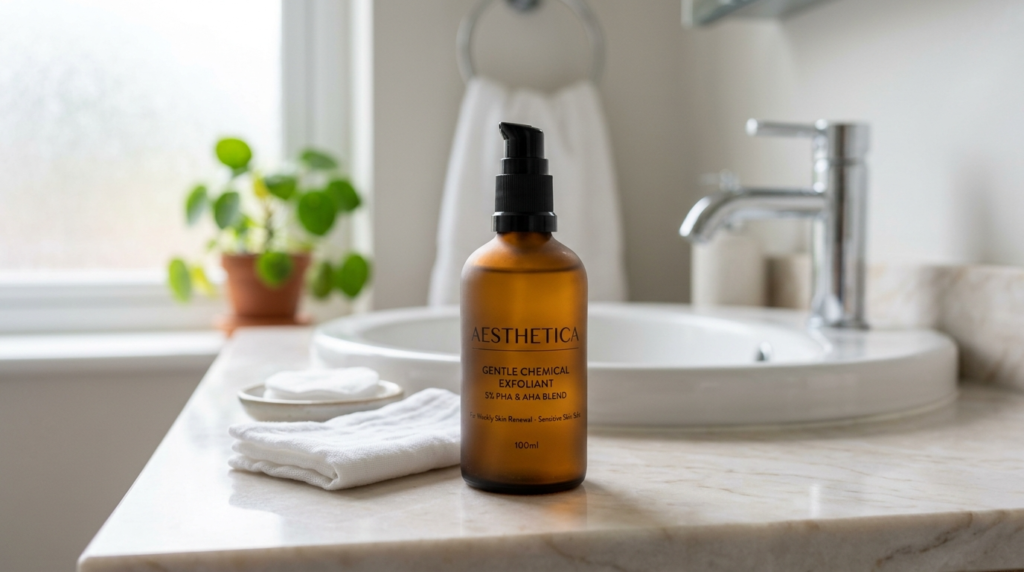
Exfoliation was where I did the most damage. I used gritty physical scrubs that left my skin raw, then graduated to strong acids I used far too often, because the internet told me glowing skin required constant exfoliation. It does not. Over-exfoliation destroys the moisture barrier, leading to the exact problems people are trying to fix: sensitivity, breakouts, dullness. Dermatologists generally recommend exfoliating just one to three times per week, depending on the product strength and your skin type.
What works for me now is a mild chemical exfoliant, a low-percentage AHA like lactic acid, used once a week in the evening. Chemical exfoliants dissolve the bonds between dead skin cells without any scrubbing, which is far gentler than physical abrasion. The difference in my skin texture has been remarkable: smoother makeup application, fewer clogged pores, and none of the rawness I used to accept as normal. If your skin stings, peels, or looks shiny and thin, you are exfoliating too much. Back off, let your barrier recover for a week or two, and restart at a gentler pace.
Pillowcase Habits Matter

This one sounded like nonsense to me until I tried it. Your pillowcase collects oil, sweat, dead skin cells, and whatever is in your hair products, and then you press your face into it for eight hours. Dermatologists recommend changing pillowcases frequently, at least weekly, because the buildup can contribute to breakouts, especially along the cheeks and jawline where your face makes the most contact.
I switched to a silk pillowcase and started washing it twice a week, and the difference along my jawline was noticeable within a month. Silk and satin create less friction than cotton, which means less tugging on skin and less absorption of your expensive nighttime products into the fabric. Is a silk pillowcase a miracle cure? No. But it is a small, easy change that removes a nightly source of irritation, and in skincare, removing irritants is often more powerful than adding treatments. At minimum, wash whatever pillowcase you have more often than you think you need to.
Lukewarm Water Only
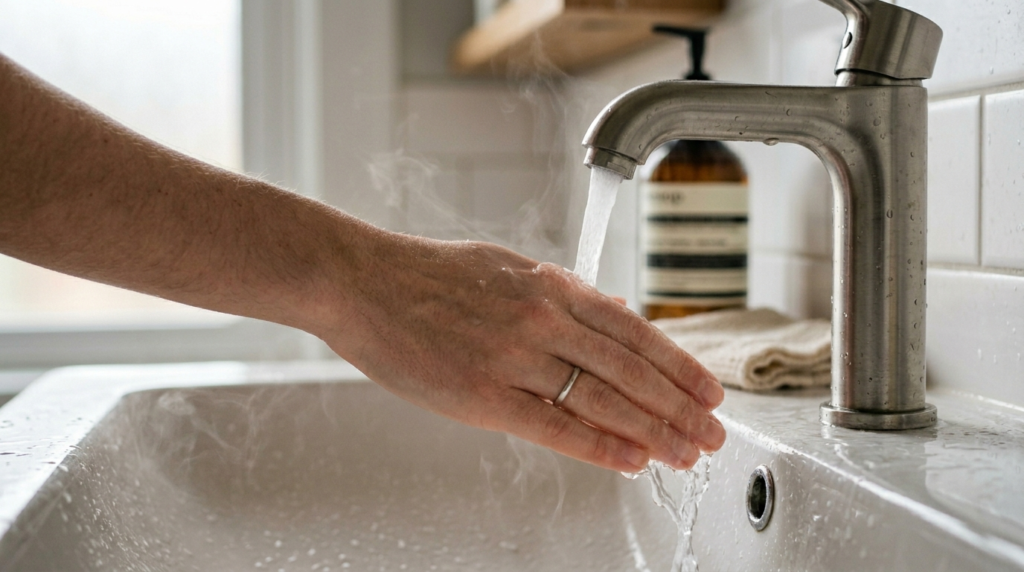
I used to wash my face with hot water because it felt like it was working harder. It was working harder, just in the wrong direction. Hot water strips the natural oils from your skin, damages the moisture barrier, and can worsen redness and sensitivity. Dermatologists recommend lukewarm water for cleansing: warm enough to feel comfortable and dissolve the day’s buildup, cool enough not to stress the skin.
This was one of the easiest changes I ever made, and one of the most impactful for my redness. I simply turned the temperature down until the water felt neutral, neither warm nor cool, on the inside of my wrist. My face stopped flushing bright red every time I washed it. I also stopped taking steaming-hot showers with my face directly in the stream, which was essentially giving myself a daily facial sauna whether my skin wanted it or not. Small change, immediate payoff. If your face looks like a tomato after washing, the water is too hot.
Double Cleansing At Night
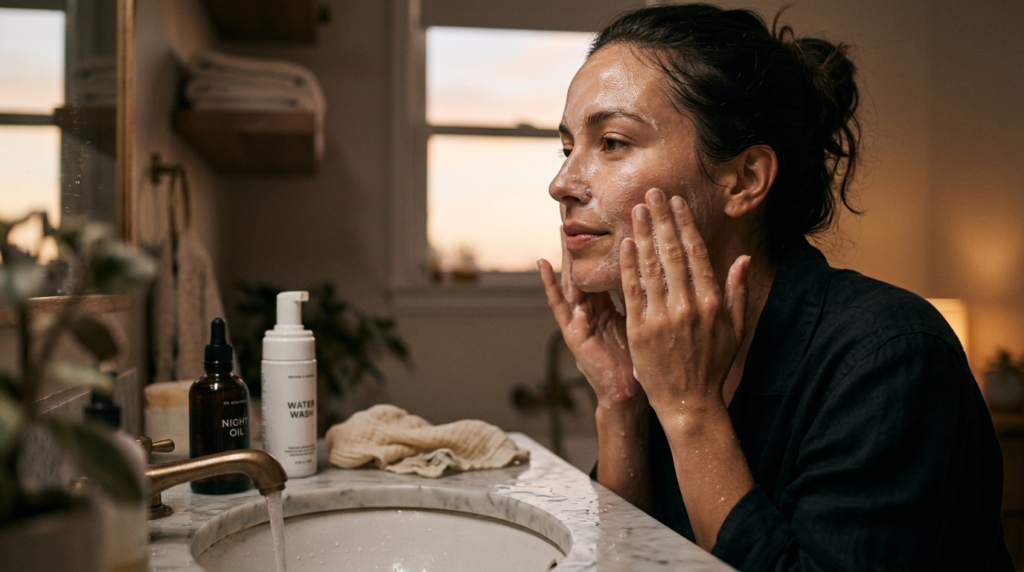
Double cleansing, popularized by Korean skincare routines, sounds excessive until you understand the logic. The first cleanse uses an oil-based cleanser to dissolve oil-soluble buildup: sunscreen, makeup, sebum. The second uses a gentle water-based cleanser to remove everything else. Oil dissolves oil, so the first step actually removes the day far more effectively than a single foaming wash, and because both steps are gentle, the pair is less stripping than one harsh cleanse.
I double cleanse only at night, and only because I wear sunscreen and makeup during the day. In the morning, a splash of lukewarm water or a single gentle cleanse is plenty; over-cleansing in the morning strips the oils your skin produced overnight to protect itself. Since starting double cleansing, I have had noticeably fewer clogged pores and the occasional stubborn breakout along my hairline disappeared entirely. The key is keeping both cleansers gentle. Double cleansing with two harsh products is just double the damage.
Moisturizing While Damp
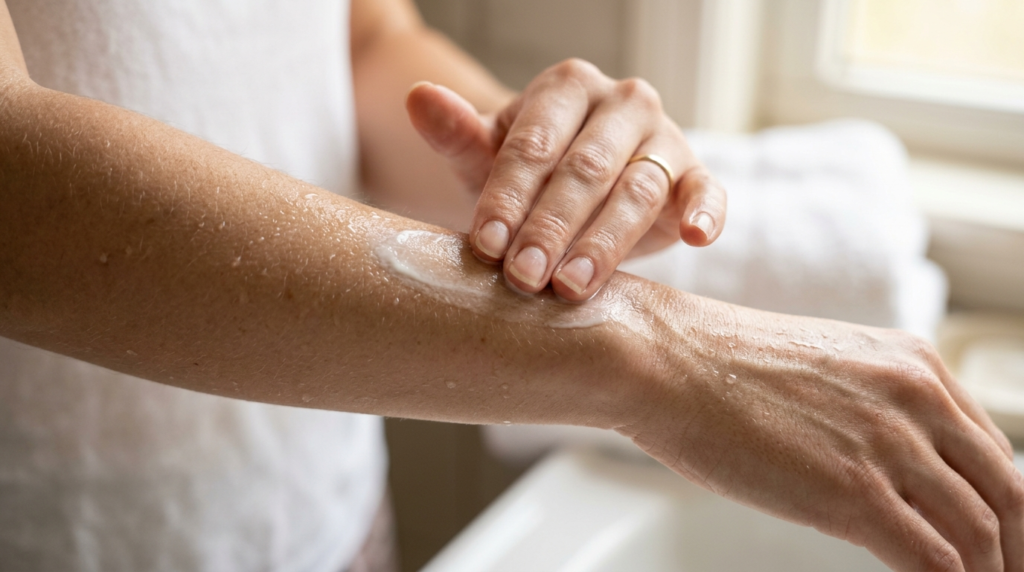
For years I patted my face completely dry, then applied moisturizer to dry skin, then wondered why my skin still felt dehydrated. The order was wrong. Moisturizers work best when applied to slightly damp skin, because they seal in the water that is already there. Dermatologists explain it simply: hydrating ingredients draw in moisture, and occlusive ingredients lock it in, but they need moisture to work with. Applying moisturizer to bone-dry skin is like putting a lid on an empty pot.
Now I apply my moisturizer within a minute of cleansing, while my skin is still slightly damp. I look for formulas with ceramides, which are lipids that naturally occur in the skin barrier and help restore it, plus hyaluronic acid or glycerin to draw in hydration. The difference in how long my skin stays comfortable through the day has been dramatic. This is also why the advice to moisturize right after showering exists: damp skin plus moisturizer is the combination that actually keeps water where it belongs.
Managing Stress Levels

I used to dismiss the stress-skin connection as wellness fluff, until I tracked my breakouts for three months and found they clustered around deadlines like clockwork. The science is real: psychological stress triggers the release of cortisol and other hormones that can increase oil production and inflammation, both of which drive acne flare-ups. Stress also impairs the skin’s barrier function and slows wound healing, which is why that one stress pimple seems to linger forever.
I am not going to pretend I eliminated stress from my life. But I started treating stress management as part of my skincare routine, not separate from it. A short daily walk, ten minutes of quiet in the morning, actually leaving work at a reasonable hour during intense weeks: these unglamorous habits did as much for my skin as any product. When I feel a stress breakout coming, I simplify my routine even further instead of attacking my skin with treatments, because stressed skin is sensitized skin. Being gentle with yourself is, quite literally, being gentle with your skin.
Quality Sleep Benefits

Beauty sleep is not a myth. During deep sleep, the body ramps up the production of growth hormones that drive cell repair, including skin cell regeneration. Blood flow to the skin increases overnight, delivering oxygen and nutrients. Research on sleep deprivation has linked poor sleep quality to more visible signs of aging, including fine lines, uneven pigmentation, and reduced skin elasticity. When I was sleeping five hours a night during a busy stretch, my skin looked dull and gray no matter what products I used.
Prioritizing seven to eight hours of sleep did more for my under-eyes and overall glow than any eye cream ever has. I also started sleeping on my back more often, since pressing your face into a pillow for eight hours contributes to sleep lines that can become permanent over time. And I keep my bedroom cool and dark, which improves sleep quality. No serum can compensate for chronic sleep deprivation. If your skincare is not working, check your sleep before you buy another product.
Professional Advice Value

The most valuable skincare investment I ever made was not a product. It was a single visit to a board-certified dermatologist. After years of self-diagnosing from the internet, I learned in one appointment that I had been treating my skin as oily when it was actually dehydrated, which is why every mattifying product I bought made things worse. A dermatologist can identify your actual skin type, distinguish between conditions that look similar but need different treatment, and prescribe effective options when over-the-counter products are not enough.
If your skin concerns persist after three months of a consistent, gentle routine, or if you have anything painful, spreading, or scarring, see a professional instead of buying another product. The internet is full of confident skincare advice from people with no training, and some of it is actively harmful. A dermatologist visit often costs less than the pile of failed products most of us accumulate in a year. My routine finally worked because it stopped being a guessing game. Yours can too: simplify, be consistent, protect with sunscreen, and get expert help when you need it. Your skin, and your shelf, will thank you.