 Sarah Grey
One can easily imagine the world as a collection of countries, but look closer and the real power lives in cities. Nations set policy, but cities move money, invent the future, and shape the culture the rest of us consume. A handful of urban centers — London, New York, Tokyo, and a few rising challengers — quietly run the systems the entire planet depends on: finance, technology, media, and diplomacy. These are not just big cities. They are the control rooms of the modern world. Here is how each one wields its power, and why their influence reaches far beyond their skylines.
London Remains The Global Heavyweight
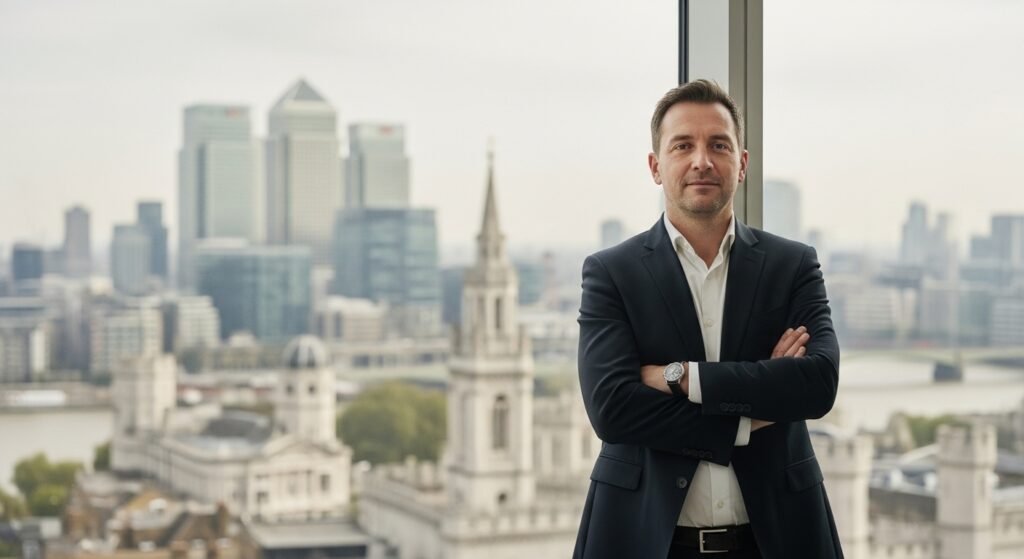
London has retained its status as a leading power hub for over a decade. It attracts some of the largest flows of international capital, hosts the deepest foreign-exchange markets on earth, and remains the default setting for global dealmaking. Its time zone — bridging Asia’s close and America’s open — is a structural advantage no other city can copy.
Brexit dented its dominance but did not dethrone it — the City adapted, and London’s mix of finance, law, media, and culture keeps it indispensable. When the world needs a neutral ground to do business, it still calls London.
New York City: The Financial Pulse
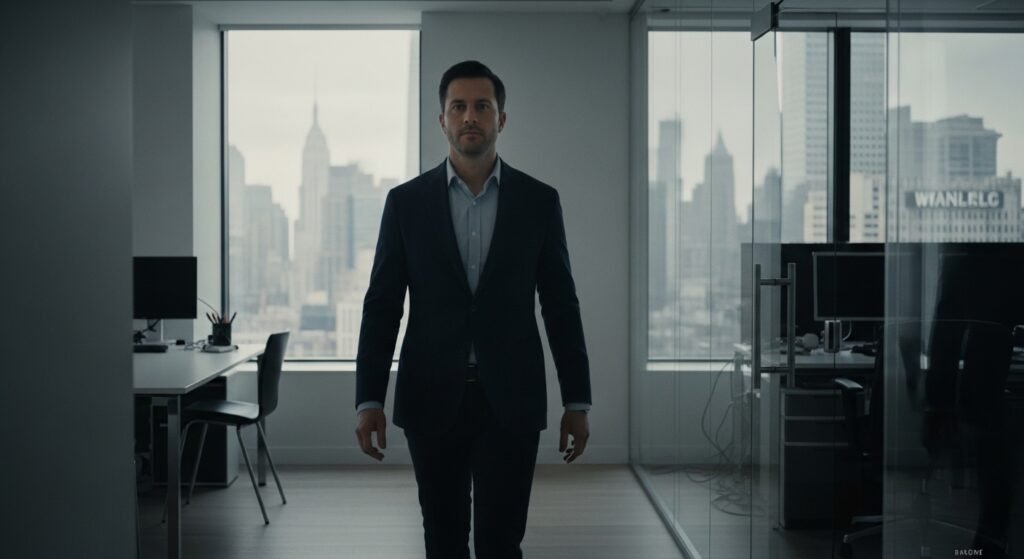
New York is the economic capital of the world — home to Wall Street, the largest stock exchanges, and media giants that shape what billions of people think. What happens in Manhattan boardrooms ripples through pension funds in Tokyo and startups in Berlin within hours.
The city’s power is concentration: money, media, fashion, and diplomacy all packed into five boroughs. If London is the world’s meeting room, New York is its trading floor — louder, faster, and utterly central to how the global economy moves.
Tokyo: The Leader In Innovation
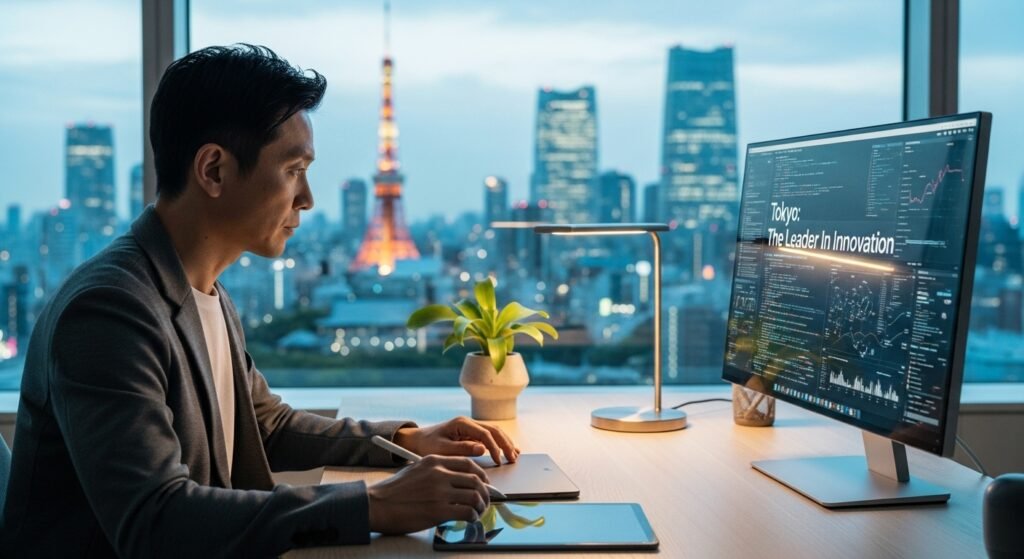
Tokyo has risen to the top by concentrating on unbelievable livability and state-of-the-art technology. The largest metropolitan economy on earth, it pairs corporate giants with a thriving startup scene and a quality of life that keeps talent from leaving.
Tokyo’s power is quiet but immense: it funds, builds, and refines the technologies the rest of Asia — and the world — adopts. While other cities chase hype, Tokyo perfects. That patience is a superpower, and it compounds every year.
Singapore: The Modern Success Story
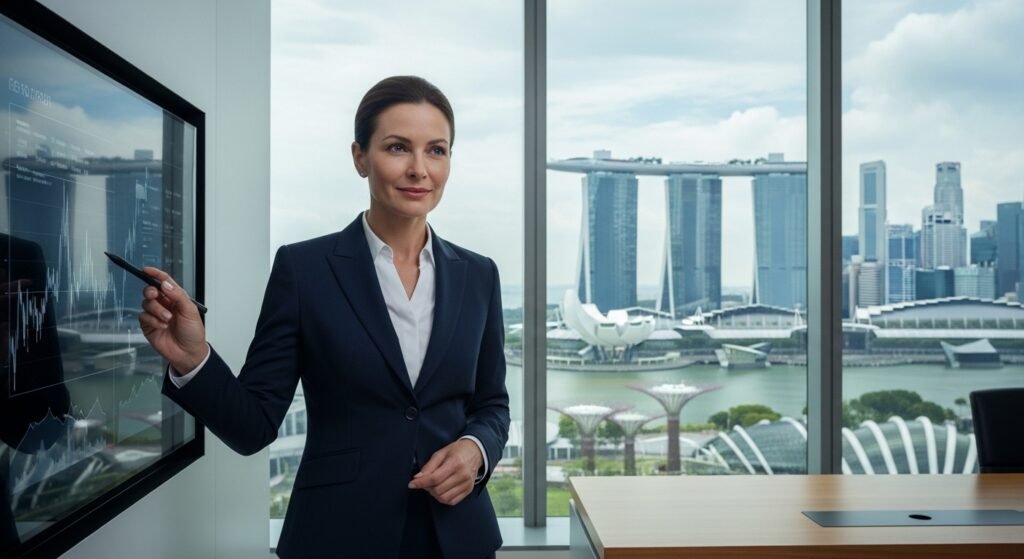
Singapore has leaped forward as a gateway to trade and high-tech investment. Its effective systems, political stability, and strategic location made it the Switzerland of Asia — the place global companies trust with their regional headquarters and their money.
In a region of giants, this tiny city-state punches absurdly above its weight. Singapore proves that good governance and smart positioning can make a city of six million matter as much as nations ten times its size.
Dubai: A Rising Desert Power
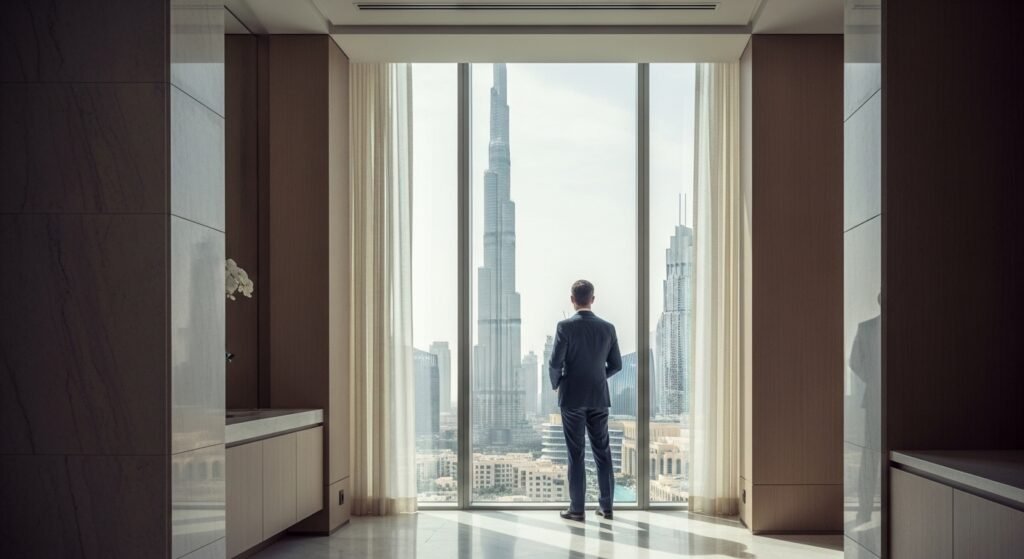
Dubai has become a key destination for international travel and business — a place that turned desert into one of the world’s great crossroads. Its power is connectivity: the airport, the ports, and the free zones that funnel trade between East and West.
Dubai sells a vision of the future — bold, fast, unapologetically ambitious — and the world’s wealthy are buying in. You may love it or question it, but you cannot ignore it: the desert city now shapes flows of money, people, and influence across three continents.
Berlin: The Creative Engine
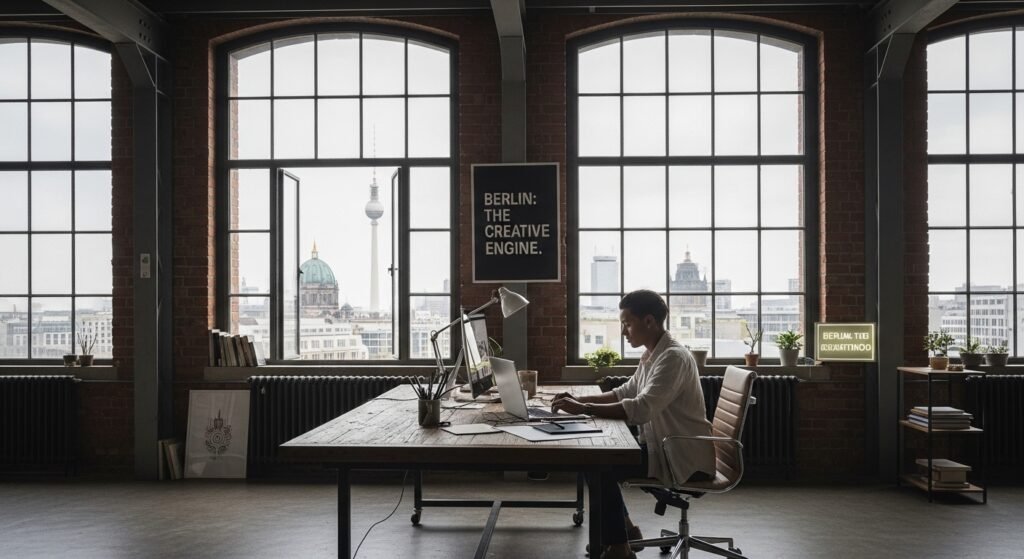
Berlin is gritty and artistically energetic, yet it also happens to be a quiet European policy and startup powerhouse. Relatively affordable rents attracted a generation of creators, founders, and misfits who turned the city into Europe’s ideas laboratory.
Berlin’s power is cultural gravity: it sets aesthetic and political trends that ripple across the continent. When Europe debates its future — on tech, climate, or culture — Berlin is usually where the conversation starts.
Seoul: The Digital Frontrunner

The South Korean capital is practically the living laboratory of digital innovation. It is home to tech giants, the fastest internet on earth, and a pop-culture machine that conquered the globe. Seoul’s power is speed: it adopts, iterates, and exports faster than anywhere else.
K-pop, K-drama, K-beauty — the city turned culture into an economic weapon. Behind the neon is serious infrastructure: semiconductors, batteries, and biotech that the world runs on. Seoul does not follow trends; it manufactures them.
San Francisco: The AI Capital

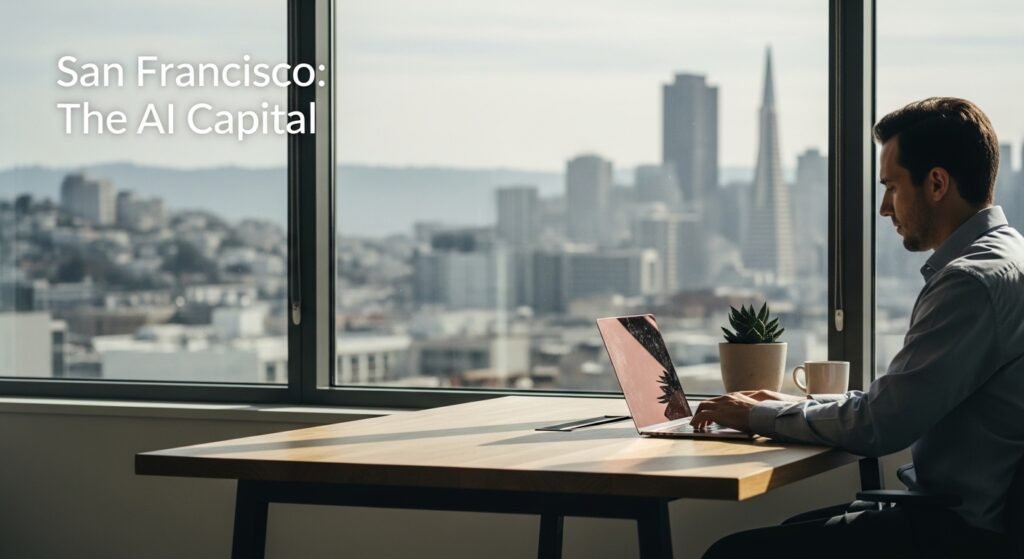
San Francisco still lies at the center of the software industry, particularly following the recent AI boom that made it the undisputed capital of artificial intelligence. The world’s most important technology companies — and the startups trying to dethrone them — cluster within a few square miles.
The city’s power is concentration of talent and capital: the best engineers, the boldest investors, the biggest bets on the future, all in one place. What gets built in San Francisco this year runs the world in five. That has been true for decades, and the AI era only intensified it.
Washington DC: The Political Compass
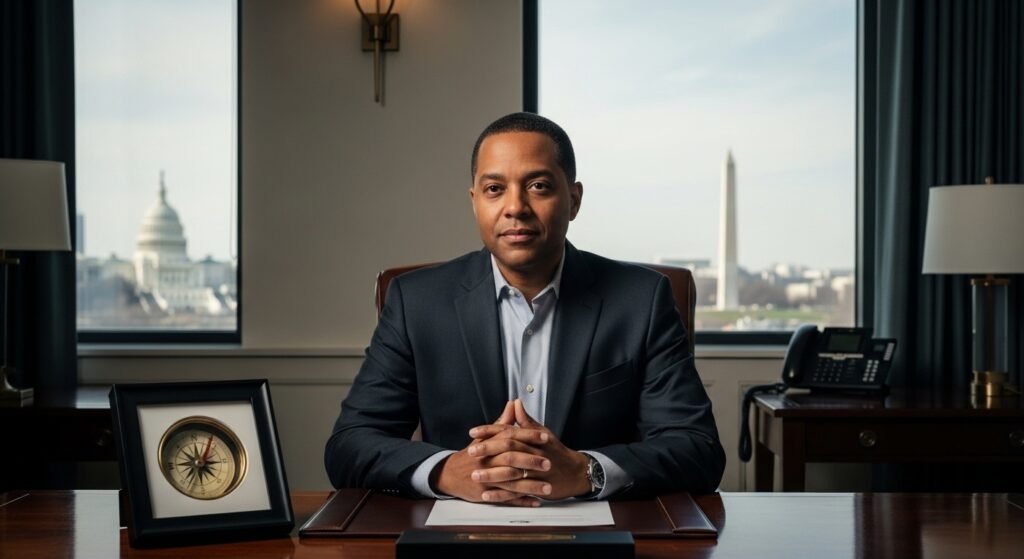
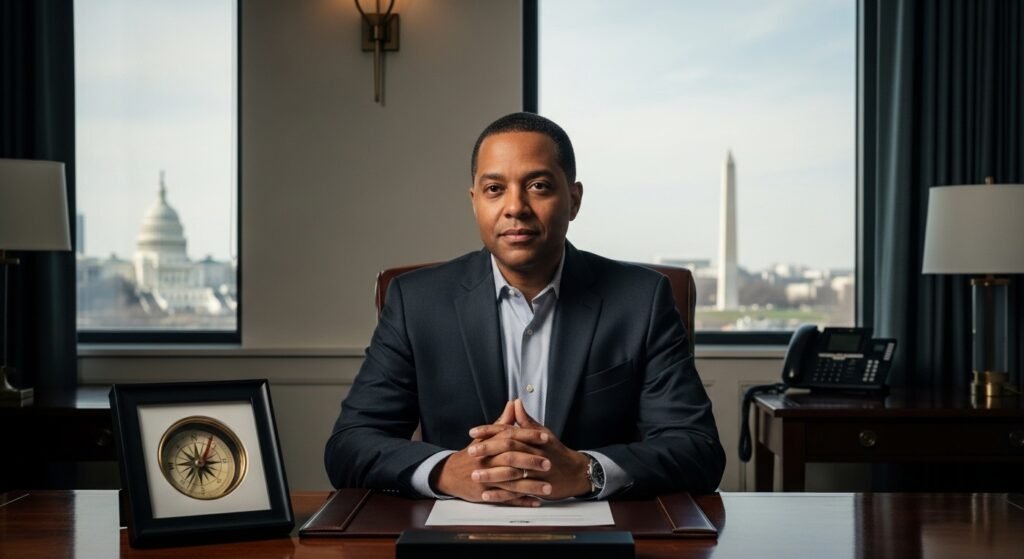
Being the seat of American government, this city is the key to international affairs. The impacts of decisions made in Washington — on trade, tech regulation, climate, and security — are felt in every capital on earth. DC’s power is authority: it writes many of the rules that global business must follow.
Embassies, think tanks, lobbyists, and journalists make it the world’s political listening post. When Washington sneezes, the old saying goes, the world catches a cold — and in an interconnected age, it is still true.
Beijing: The Industrial Titan
Beijing is an enormous hub of government power and heavyweight multinationals. Its contribution to production, infrastructure, and state-directed investment shapes supply chains across the planet. The city’s power is scale: decisions made in Beijing move markets, build ports on other continents, and set industrial policy for 1.4 billion people.
Whatever you think of its model, Beijing’s influence on the physical economy — what gets built, where, and by whom — is unmatched. Few cities translate political will into concrete and steel at this speed and scale.
Los Angeles: The Media Mogul
In addition to the Hollywood glitz, Los Angeles is a leading entertainment and aerospace center. It does not just make movies — it manufactures the stories, images, and aspirations the entire world consumes. LA’s power is narrative: it decides what the future looks like in the global imagination.
From streaming platforms to space companies, the city keeps reinventing what it means to dream big. Culture is power, and LA remains its capital — the place where the world’s shared dreams are produced.
Zurich: The Silent Wealth Manager

Zurich may be smaller than the rest, but it handles an astounding volume of the world’s personal wealth. Its power is discretion: private banks, asset managers, and commodity traders quietly moving trillions. While other cities shout, Zurich whispers — and the world’s wealthy listen.
In an age of volatility, the city sells the one thing money cannot buy elsewhere: stability. That reputation, built over centuries, makes this small Swiss city one of the most quietly powerful places on earth.
Paris: The Culture Broker
Paris does not run the world’s money or its servers, but it runs something just as powerful: taste. The global luxury industry — fashion, fragrance, champagne, art — answers to Paris, and luxury is one of the most profitable businesses on earth. When Paris Fashion Week speaks, the entire retail world listens. The city’s power is soft but absolute: it defines what elegance means, and then sells it back to the world at a premium.
Beyond luxury, Paris hosts diplomats, international institutions, and a startup scene that quietly became one of Europe’s largest. French remains a language of diplomacy, and Paris remains a city where global elites converge. Cultural power is easy to underestimate and impossible to replicate — and nobody wields it quite like Paris.
Shanghai: The Trade Titan
If Beijing is China’s political brain, Shanghai is its commercial heart — home to the world’s busiest container port and a financial center that now rivals Hong Kong. The city’s power is throughput: a staggering share of the world’s manufactured goods passes through Shanghai’s docks. When Shanghai slows down, global supply chains feel it within days.
Shanghai also embodies economic ambition at full scale: gleaming towers, a massive middle class, and a consumer market every global brand is desperate to crack. It is the city where East meets West in commerce. As the world’s factory floor reorganizes, Shanghai remains the place where the deals get done and the ships get loaded.
Countries get the headlines, but cities do the work. These fourteen control rooms — moving money, building technology, writing rules, and telling stories — shape your life in ways you rarely notice. The next time you check your portfolio, stream a show, or read the news, remember: somewhere, in one of these skylines, someone is quietly running the system behind it.
Power will keep shifting — new cities will rise, old ones will adapt or fade. A decade ago, few would have put Dubai or Seoul on this list; a decade from now, the list may look different again. But the pattern holds: the future is decided in cities, by the people who show up, build, and connect. Watch the skylines. They are telling you where the world is headed.