
 Sarah Grey
Life lately feels like it is moving at a hundred miles an hour, and most of us are just trying to keep our heads above water. Between the incessant ping of notifications and the pressure to stay informed about everything happening everywhere, it is no wonder stress levels are at an all-time high. Here is what I have learned: the path to feeling calmer is not always about adding more self-care rituals to an already packed schedule. Sometimes the most powerful change is subtraction — simply dropping the quiet, everyday habits that silently drain our energy. These are the ten things I stopped doing, and the difference was almost instant.
Trying To Multitask Every Single Task

We wear multitasking like a badge of honor, but research tells a different story: rapidly switching between tasks does not make us productive, it makes us frazzled. Every time you jump from an email to a text to a spreadsheet, your brain pays a switching cost — and the mental residue builds up into a low-grade hum of stress that follows you all day. I stopped trying to do everything at once and started giving my full attention to one thing at a time. The difference was remarkable. Tasks got done faster, the quality improved, and my mind felt quieter. Single-tasking is not slower; it is calmer. Try it for one afternoon: close the extra tabs, silence the phone, and do just one thing. Your nervous system will thank you.
Saying Yes To Every Single Invitation

For years, my default answer was yes — yes to every dinner, every volunteer request, every favor, every event. The result was a calendar so packed I had no time to breathe, let alone enjoy any of it. Saying yes to everything is a fast track to burnout, and it teaches people that your time has no boundaries. Learning to say no — politely, without over-explaining — was one of the most liberating changes I ever made. A simple "Thank you so much for thinking of me, but I can’t make it this time" is complete and kind. Protecting your schedule is not selfish; it is how you preserve the energy to show up fully for the things that truly matter.
Keeping Every Single Notification Turned On
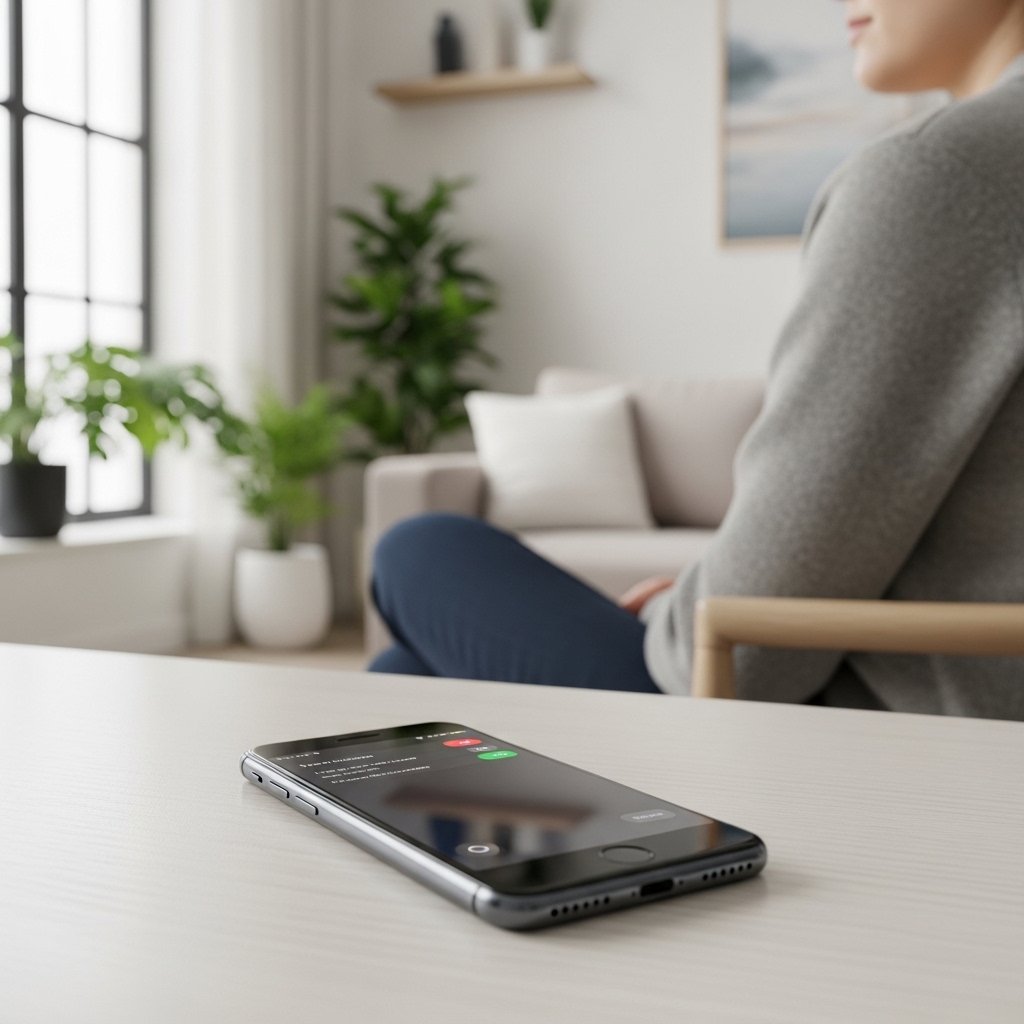
Your phone’s constant buzzing is one of the most underrated sources of daily stress. Each notification — a like, a news alert, a promotional email — yanks your attention away and spikes your cortisol, even if you do not consciously register it. I turned off every non-essential notification: social media, shopping apps, news alerts, all of it. What remained were calls, texts from real people, and calendar reminders. The silence was startling at first, then deeply peaceful. I stopped feeling like I was on call for the entire internet. Take ten minutes today to audit your notifications. Your attention is your most valuable resource; stop giving it away to apps that profit from your distraction.
Comparing Life To Curated Social Feeds

It is easy to forget that social media is a highlight reel — the best angles, the best moments, the best lighting, carefully selected and filtered. Yet we compare our messy, ordinary, beautiful real lives to those curated squares and somehow find ourselves lacking. I stopped the comparison game by changing how I use social media: I unfollowed accounts that made me feel inadequate, limited my scrolling time, and reminded myself that I am seeing performances, not reality. The relief was immediate. My own life — chaotic, imperfect, real — started to feel like enough again. You cannot win a comparison against an illusion, so stop playing. Your unfiltered life is the only one you get, and it is worth appreciating.
Overthinking Things That Have Not Happened Yet

Spending hours rehearsing disasters that may never happen is one of the mind’s cruelest habits. We spin through worst-case scenarios, trying to prepare for every possibility, and all we achieve is experiencing the stress of events that never occur. I started catching myself in these spirals and asking a simple question: is this happening right now? Almost always, the answer was no. Bringing my attention back to the present — what I can see, hear, and do in this moment — dissolved the imagined catastrophe. The future deserves planning, not dread. Worry is interest paid on trouble not yet due, and I decided to stop paying it in advance.
Neglecting To Set Physical Boundaries With Work

When work lives on the same laptop where you watch movies and the same phone where you text friends, the boundary between "on" and "off" dissolves. I used to answer emails at midnight and feel guilty for not working on weekends. Then I started treating the end of the workday as a real event: laptop closed, notifications off, workspace tidied. That small physical ritual told my brain that work was over, and the mental chatter finally quieted. If you work from home, this boundary matters even more — without a commute to mark the transition, you have to create one. Your evenings belong to you. Defend them like the precious resource they are.
Attempting To Please Every Person Around

Trying to keep everyone happy is a recipe for making yourself miserable. No matter how hard you try, someone will always want something different, and contorting yourself to meet every expectation leaves you exhausted and resentful. I stopped seeking universal approval and started prioritizing my own peace — making decisions based on my values rather than others’ reactions. The surprising result? Most people respected it. Those who did not were often the ones benefiting most from my people-pleasing. You are not responsible for managing everyone’s emotions. Letting go of that impossible job freed up an enormous amount of mental space I did not know I was missing.
Ignoring The Need For Quiet Moments
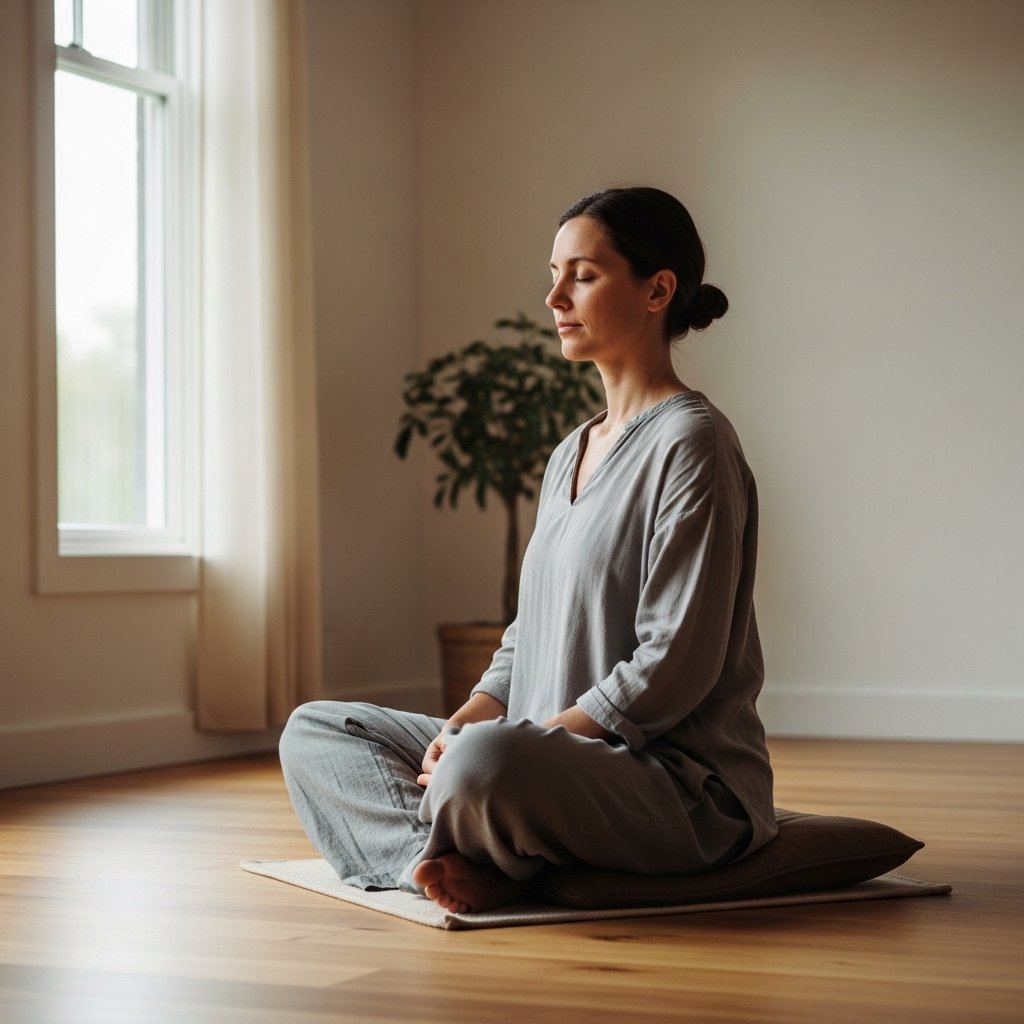
We have become afraid of silence. Every spare moment gets filled — a podcast on the walk, music while cooking, scrolling in every queue. But the brain needs unstructured quiet to process, rest, and reset. I started deliberately leaving gaps: no headphones on short walks, no phone during my morning coffee, a few minutes of just sitting. At first the silence felt itchy and strange. Then it became the most restorative part of my day. In those quiet moments, my mind untangled knots I did not know were there, and creative ideas surfaced on their own. Stillness is not empty time; it is where your mind does its deepest, most important work.
Buying Things To Chase A Quick High

Retail therapy is real — and so is the crash that follows it. That rush of clicking "buy now" fades within days, leaving behind clutter, credit card statements, and a strange emptiness where the excitement used to be. I stopped impulse shopping by adding a simple rule: wait 48 hours before buying anything non-essential. Almost every time, the urge passed. What remained was a calmer home, a healthier bank account, and the realization that I had been trying to purchase feelings — comfort, excitement, control — that no package could deliver. Intentional spending, it turns out, is a form of self-care. My space feels serene now, and so does my mind.
Expecting Perfection In Every Creative Project

Perfectionism is procrastination in a fancy outfit. For years, I would not start creative projects because I was afraid the result would not be flawless — which meant nothing ever got made, and the pressure only grew. Letting go of perfect was terrifying and then wonderful. I started finishing things that were good enough, sharing work that was 80 percent there, and discovering that done beats perfect every single time. The joy of creating returned the moment I stopped demanding masterpieces. Your creative work does not need to be perfect to be worthwhile. It just needs to exist. Give yourself permission to make imperfect things, and watch how much lighter the process feels.
None of these changes required money, a new routine, or a personality transplant. They just required noticing — seeing the habits that were quietly costing me peace, and choosing to let them go. Stress will always be part of life, but so much of what we call stress is actually optional: the noise we allow in, the boundaries we fail to set, the standards we impose on ourselves. Start with one thing from this list, the one that stung a little when you read it. Drop it for a week and see how you feel. I have a feeling you will feel what I felt: lighter, calmer, and finally, unmistakably, less stressed.
The beautiful thing about subtraction is that it creates space — and space is where peace lives. When you stop filling every moment, pleasing every person, and chasing every distraction, you rediscover something precious: yourself, unhurried and unburdened. That is the real secret to feeling less stressed. Not doing more, but bravely doing less. Pick the habit that resonated most, release it gently without judgment, and notice how much lighter your days become. Peace was never hiding in another productivity hack. It was waiting in the quiet you create when you stop doing the things that steal it.