 Sophia Martinez
 Most men care about getting strong, doing well in workouts, looking good – they see fitness as toughness or image. Yet lasting life matters too: staying well for many years, not just alive. Studies keep revealing regular activity cuts down chances for heart trouble, dementia, diabetes, dying too soon. Pick smart activities over time, and brains stay quicker while bodies hold up better, even half a lifetime later.
Aerobic Endurance Training

Heart health gets a boost from moving vigorously – like jogging or cycling – that also boosts how well blood flows throughout the body. Swimming at a strong pace does much of the same work as brisk walking when it comes to keeping the cardiovascular systems running smoothly. Since these efforts happen regularly, they tend to lower pressure inside arteries without requiring special equipment. Over months that stretch into years, the way insulin works also improves under steady workout routines.
Strength Training
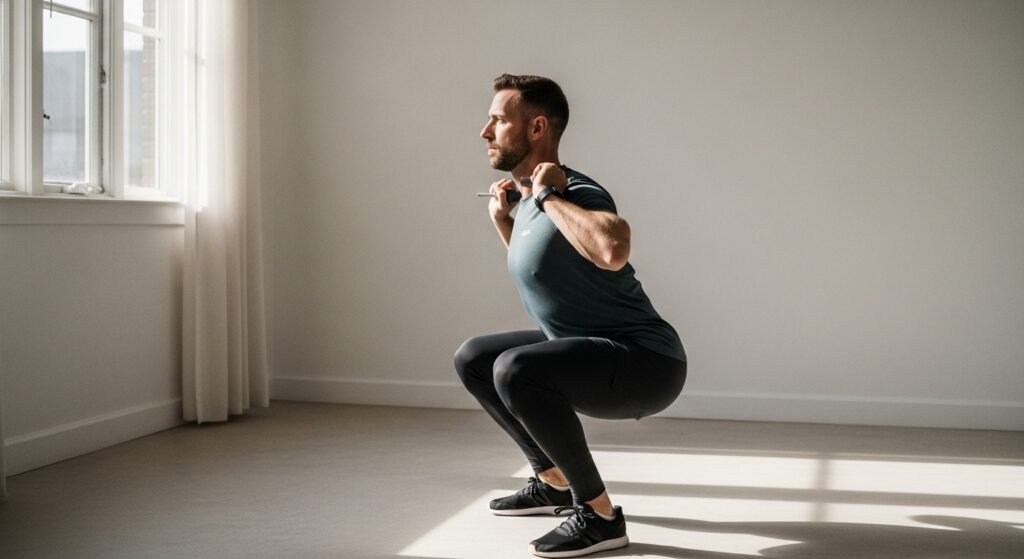
As people get older, muscle and strength often drop – but regular resistance work can slow that down. Free weights, resistance machines, or even just body weight make a difference for men. When exercised two or more times weekly, their risk of dying from any cause goes down. Their blood sugar and overall body function tend to stay healthier too. Staying strong through life also means fewer falls, broken bones, or weak aging – science backs that now.
High Intensity Interval Training

Short bursts of full-on work followed by brief breaks – that’s HIIT. It builds endurance without dragging out workouts. Studies reveal better oxygen delivery in muscles, steadier blood sugar levels, and stronger heart function. For active guys with tight schedules, gains come fast, sharp, no long slog on treadmills.
Functional Movement Training
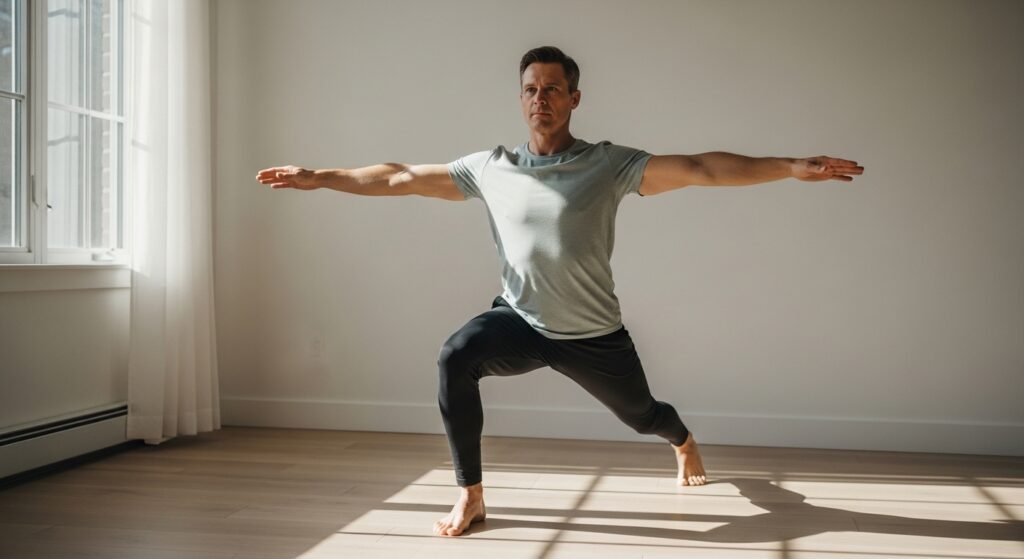
Working out with functional exercises means doing moves like squats, lunges, pushing, pulling – things that copy real-life tasks and help keep joints strong. Men who follow this approach tend to handle themselves better, staying steady and on their feet longer. Movements become smoother, timing improves, and balance gets stronger. Falls happen less often. Body adapts by handling everyday strain without flaring up. Pain from repeated strain fades over time. Strength builds without losing control. Later years arrive with more confidence, less reliance on others.
Flexibility and Mobility Work
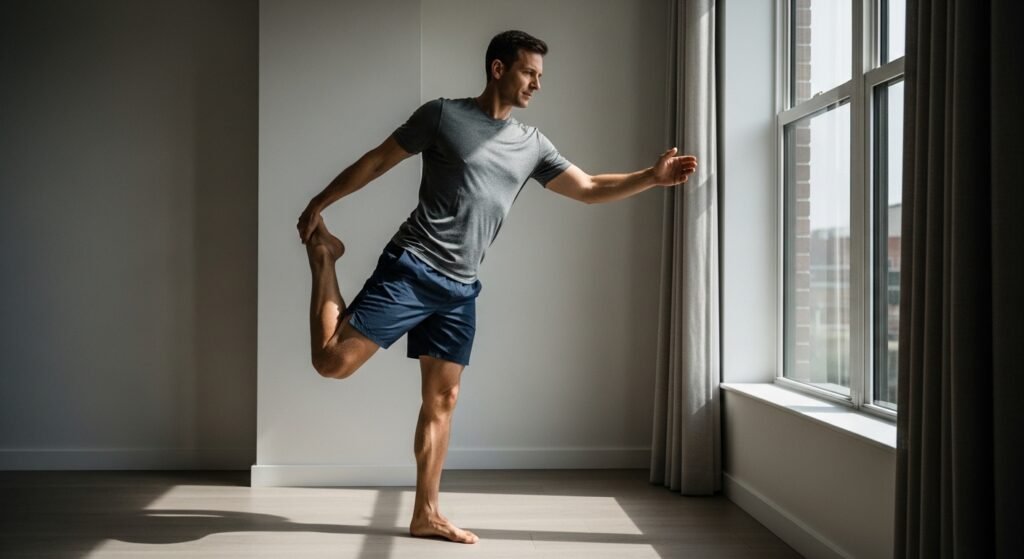
Older bodies tend to stiffen, yet moving joints daily keeps things loose and ready. Movement routines, even light ones, help muscles bend more easily while cutting down rigidity. When training gets tougher, these habits speed up healing without slowing progress. Active aging often means doing less damage by simply moving more freely.
Balance and Stability Exercises
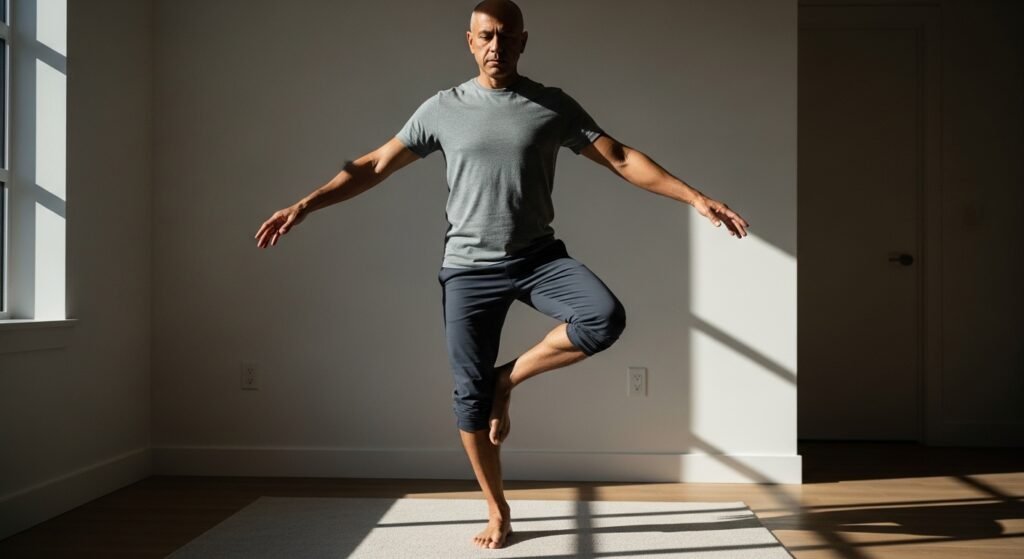
Younger men might think balance workouts aren’t pressing, yet starting them builds stronger stabilizer muscles while improving how movement is coordinated by the brain and nerves. Studies indicate improved balance leads to fewer falls, plus supports lasting physical freedom and wellbeing across decades.
Mind-body practices
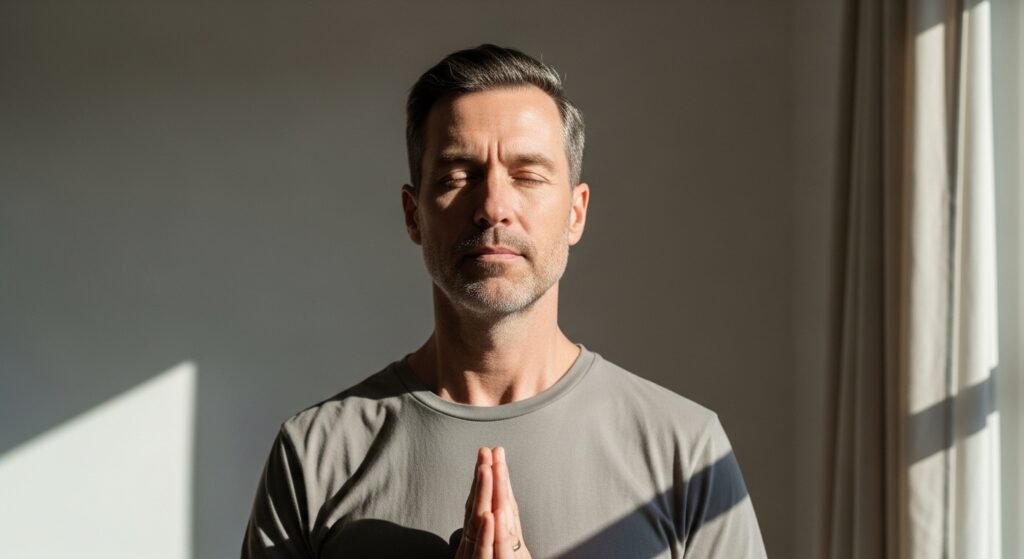
Moving slowly while tuning into breath and inner awareness – yoga or tai chi – can ease tension and strengthen body awareness at once. Research shows regular sessions tend to balance movement and calm the mind, along with boosting range of motion and steadiness on feet. Long-term involvement might also quietly benefit heart rhythms and mental clarity down the road.
Recreational Sports
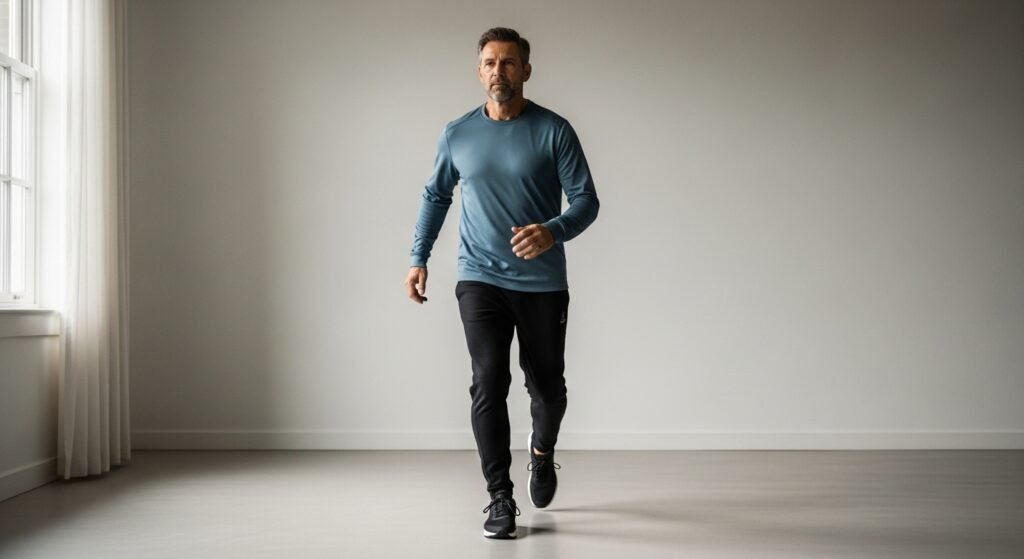
Playing sports like tennis, soccer, basketball, or joining casual matches mixes in heart-rate work, muscle challenge, quick movements, along with bonding with others. Research covering many people shows that some low-intensity activities are linked to lower death risk, mainly since they demand effort yet stay fun and sustainable over time.
Building a Longevity Focused Routine

Staying alive longer and feeling better doesn’t come from picking just one kind of movement. Instead, fitting different types into daily life builds resilience – heart stays steady, muscles hold firm, joints keep pace, thinking sharpens. It’s less about doing it perfectly, rather showing up regularly, pushing slightly harder each week, allowing rest between efforts. Lasting health grows quietly when routine becomes part of who you are.