 Sarah Grey
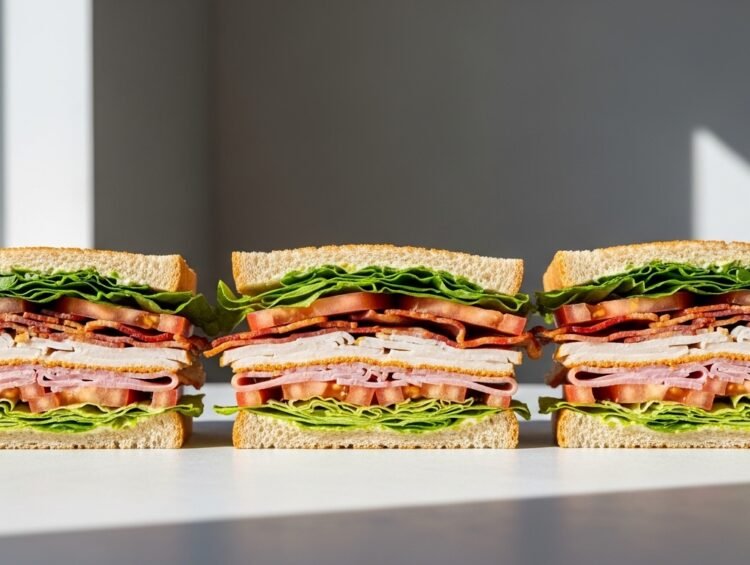
The club sandwich is a masterpiece of lunch construction, a triple-decker triumph that has graced diner menus and deli counters for over a century. Something is very reassuring about those three slices of toasted bread, layered with turkey, bacon, lettuce, tomato, and mayonnaise, cut into quarters and held together with frilly toothpicks. It is a sandwich that promises satisfaction through architecture as much as flavor. But not all clubs are created equal. In an era when fast-casual chains compete fiercely for the lunch crowd, I set out to answer a simple question: which famous sandwich chain makes the best club, and which one should you avoid? I visited three well-known chains, ordered their signature club sandwiches, and judged them on bread, fillings, freshness, value, and that elusive quality that makes a sandwich memorable. One was a triumph. One was perfectly fine. And one was a huge disappointment.
The Search For The Ultimate Club
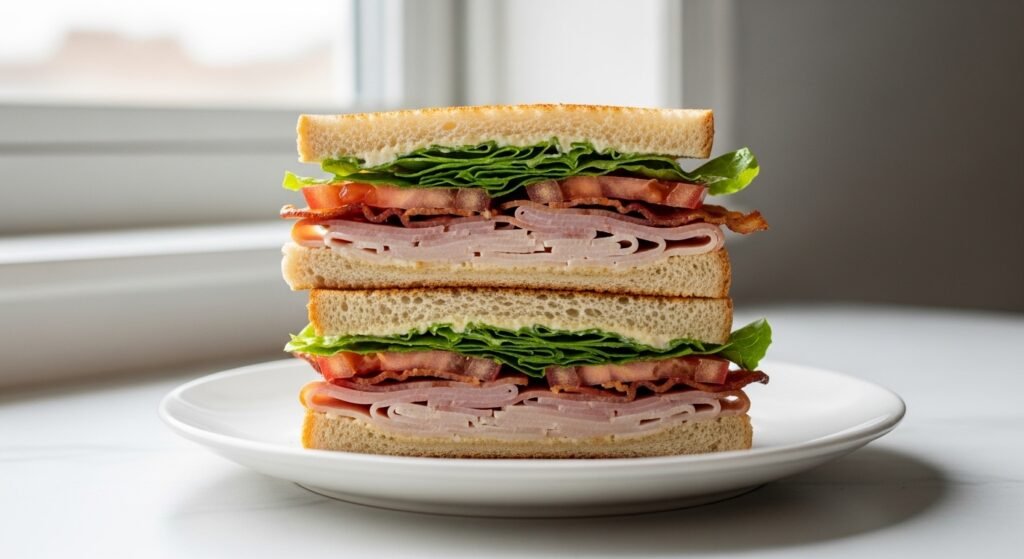
The balance of ingredients is not that easy to find, as most people believe. A wonderful club needs structural integrity: bread toasted enough to hold up but not so crisp it shatters, fillings distributed evenly across all three layers, and a ratio of protein to produce that keeps every bite interesting. Too much bread and the sandwich is dry; too much mayo and it becomes soggy; skimpy fillings and you feel cheated. The best clubs understand that each component has a role. The turkey provides substance, the bacon adds smoky crunch, the lettuce and tomato bring freshness and acidity, and the mayo ties it all together. My methodology was simple: order the standard club at each chain, no modifications, and evaluate it as the restaurant intends it to be eaten. I considered taste, texture, freshness, portion size, price, and overall satisfaction.
Starting With The Gold Standard
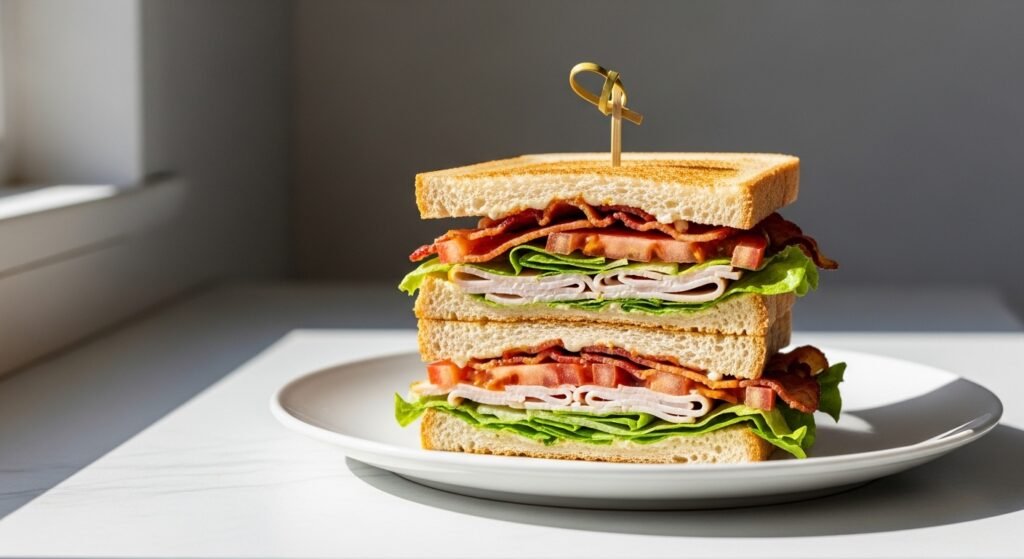
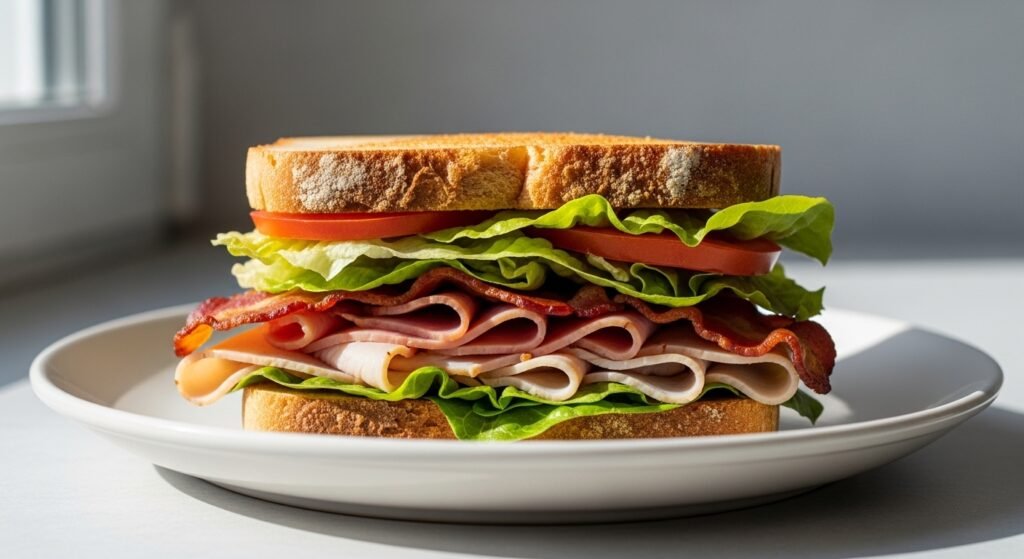
The place I visited first is known for its perfectly toasted bread and loyal following. This sandwich was a revelation from the first bite. The bread, a hearty multigrain, had been toasted to a deep golden brown that provided both crunch and a nutty flavor complementing the fillings. The turkey was thick-sliced and genuinely tasted like roast turkey, not the watery deli meat that plagues lesser sandwiches. Generous portions meant every quarter was packed edge to edge. What impressed me most was the attention to detail: the bacon was evenly distributed so every bite had some, the tomato slices were ripe and flavorful rather than the pale pink discs of winter, and the lettuce added a satisfying crispness. At around twelve dollars, it was not the cheapest, but the quality justified every penny. This was the club against which all others would be measured.
The Magic Of Properly Rendered Bacon
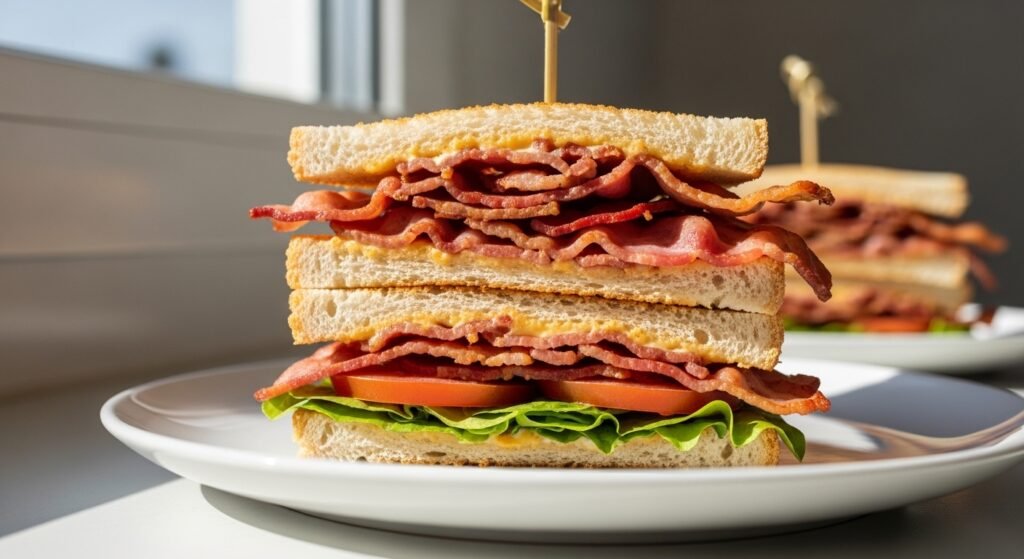
Bacon can be very disastrous to a fast-food club, as it may be limp or excessively chewy. This order got it exactly right. The bacon was cooked to that perfect middle ground: crisp enough to shatter pleasantly but not so brittle it turned to dust, with rendered fat that added richness without greasiness. You could taste the smoke, a sign of quality pork and proper cooking rather than the liquid smoke shortcut. Each strip spanned the full length of the sandwich, ensuring bacon in every bite, a detail that sounds minor but makes an enormous difference. Too many chains treat bacon as an afterthought, adding a single sad half-strip as garnish. Here, the bacon was a co-star, its salty crunch playing against the mild turkey and creamy mayo. It was a reminder that in sandwich construction, every ingredient must earn its place, and properly cooked bacon earns it effortlessly.
Moving On To The Neighborhood Favorite
The second stop was a chain found in suburban strip malls across the country. This is accompanied by a loyal local following and a reputation for consistency. Walking in, the atmosphere was cheerful and efficient, the kind of place where regulars are greeted by name. I ordered the club and waited with moderate expectations. What arrived was a solid, unpretentious sandwich on classic white toast. The bread was adequately toasted, though not as deeply golden as the first stop. The turkey was standard deli quality, sliced thin and piled generously. The ham, an addition not all clubs include, added a nice salty-sweet dimension. Portions were generous, and the price, around ten dollars, felt fair. This was not a sandwich that would inspire poetry, but it was the kind of reliable lunch that keeps neighborhoods coming back week after week.
A Reliable Choice For Busy Days
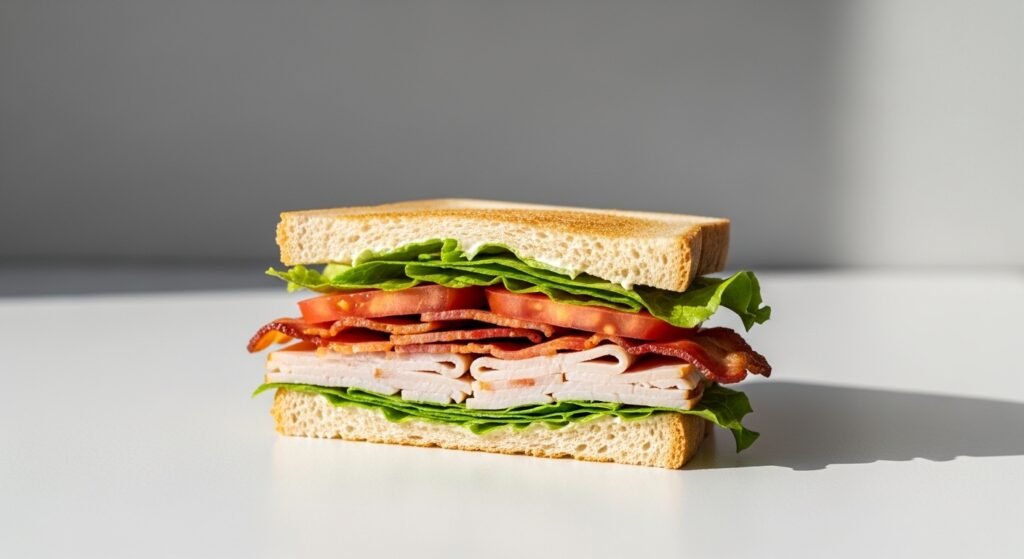
This sandwich was really consistent, although it did not necessarily change my life. It was the type of meal you order when you need something dependable between meetings. Every element was exactly as expected: the toast had a light crunch, the mayo was applied in a reasonable layer, the lettuce was crisp, and the tomato, while not spectacular, was fresh. What this chain understands is the value of predictability. When you order here, you know precisely what you will get, and for busy people, that reliability is worth a great deal. The sandwich traveled well, too, holding together in its wrapper without falling apart, an underrated quality for takeout. While it lacked the wow factor of the first stop, it earned respect for doing the fundamentals correctly. Sometimes, a sandwich does not need to be transcendent; it just needs to be good, and this was good.
The Importance Of Fresh Produce

One of the things that was outstanding was the lettuce and tomato that really appeared like they had been prepared that morning. In sandwich evaluation, produce quality is often the clearest indicator of a kitchen’s standards. Crisp, vibrant lettuce suggests proper storage and frequent replenishment. A ripe, red tomato indicates someone cares about sourcing rather than simply ordering the cheapest bulk option. At the second stop, both passed the test. The lettuce had snap, the tomato had actual flavor, and together they lifted the entire sandwich. This attention to fresh ingredients is what separates good sandwich chains from mediocre ones. It costs more and requires more labor, but customers can taste the difference immediately. Fresh produce does not just add nutrition; it adds the brightness and texture that make a club feel alive rather than assembled.
A First Look At The Disappointment
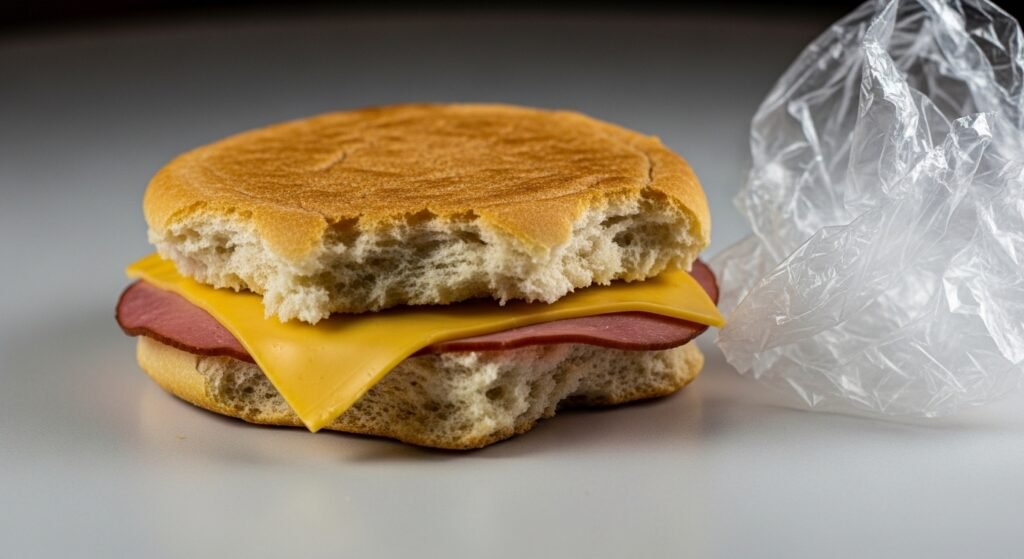
As soon as the wrapper was removed, things immediately looked disappointing. My welcome was not a towering triple-decker but a sad, flat package that seemed to have given up before I even tasted it. The bread, which should have been golden and crisp, was pale and soft, with the distinctive texture of having been steamed rather than toasted. The fillings were sparse: a few thin shavings of turkey that barely covered the bread, two half-strips of flabby bacon, and lettuce that had seen better days. The tomato was the worst offender, a translucent pink disc with the texture of wet paper. For a chain with such a famous name and premium prices, the visual presentation was shocking. I had expected the best and prepared myself for the possibility of disappointment, but the reality exceeded my pessimistic expectations.
The Mystery Of The Soggy Bread
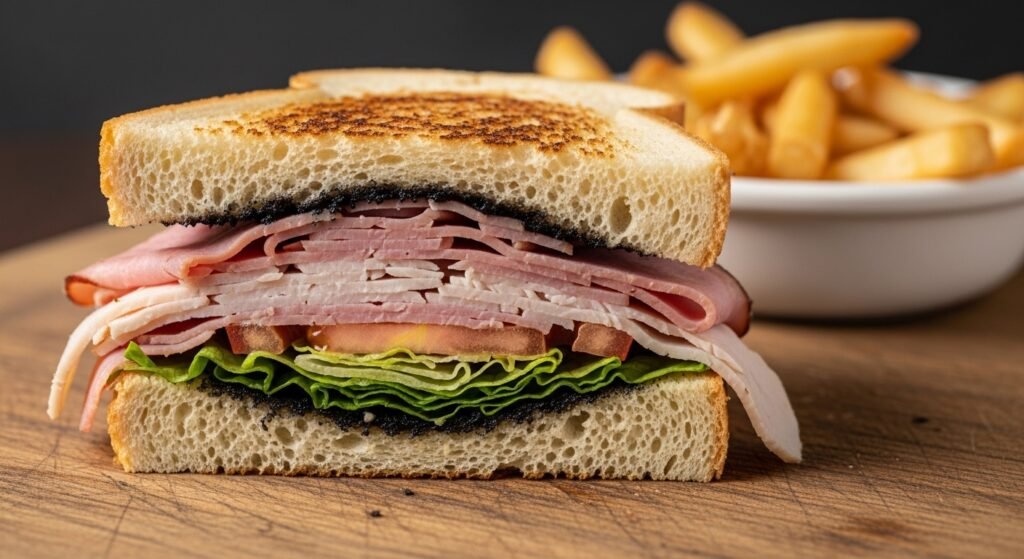
Toasted bread is a requirement that is not negotiable when it comes to a club, but this version seemed to have missed the memo entirely. The bread was not merely untoasted; it was actively soggy, as if it had been stored in a humid environment or assembled far too long before serving. Each bite compressed into a gummy paste rather than providing the contrasting crunch that defines a great club. Soggy bread is the cardinal sin of sandwich making because it undermines the entire structural concept. The triple-decker architecture depends on rigid layers; without them, the sandwich collapses into a sad pile. What puzzled me most was how a major chain with extensive quality control could serve something so fundamentally flawed. Whether it was a bad day at this location or a systemic issue, the result was inedible by club standards. I left more than half uneaten, a first for this taste test.
In the end, the verdict was clear. The first chain earned top honors with its perfectly toasted bread, quality ingredients, and attention to detail, proving that a fast-casual club can rival the best deli versions. The second chain provided a solid, reliable lunch that satisfied without thrilling, the kind of sandwich that earns loyalty through consistency. The third chain, despite its famous name, served a disappointment that failed on every level: soggy bread, sparse fillings, and tired produce. The lesson is that reputation means nothing without execution. A club sandwich is a simple thing, but simplicity demands perfection. When done right, it is lunch at its finest. When done wrong, as I discovered, it is a reminder to choose wisely where you spend your lunch money.
For anyone planning their own club sandwich taste test, remember that freshness matters more than brand reputation. Visit during peak lunch hours when turnover is highest, and do not hesitate to ask for extra toast if the bread seems soft. A great club is worth seeking out.