
 Sarah Grey
Planning a trip should be one of life’s great pleasures. The browser tabs multiply, the destination photos look irresistible, and there is an undeniable rush that comes with clicking that “Book Now” button. Yet travel experts have been quietly raising concerns about a common booking habit that most travelers fall into without even realizing it. It does not seem like a major mistake — in fact, it often feels efficient and decisive. But this seemingly harmless pattern can silently lead to overpaying, unnecessary stress, and avoidable complications. Taking a moment to recognize and rethink this habit before your next reservation could make all the difference between a smooth journey and a frustrating one.
The habit in question is rushing through the booking process without proper research and comparison. In an age of instant gratification, where a vacation can be booked in minutes from a smartphone, the temptation to grab the first appealing option is powerful. Travel industry professionals, from seasoned travel agents to consumer advocates, consistently warn that this haste is one of the costliest mistakes travelers make. The good news is that with a few strategic adjustments, anyone can become a smarter booker.
Booking Too Quickly Without Comparing Options

It is remarkably easy to latch onto the first attractive offer that appears. A flash sale banner, a “only 2 rooms left” warning, or a fare that seems too good to pass up can trigger impulsive booking. However, prices for flights and hotels can vary dramatically across different platforms, dates, and booking channels. What looks like a deal on one website might be significantly cheaper elsewhere.
Travel experts recommend spending at least 30 minutes comparing options across multiple sources before committing. Use fare comparison tools, check both aggregator sites and direct airline or hotel websites, and consider flexible dates. Airlines and hotels often offer better prices or perks — like free breakfast or room upgrades — when you book directly. That extra research time frequently pays for itself many times over.
Ignoring the Fine Print

In the rush to secure a booking, few travelers take the time to read the terms and conditions. Buried in that fine print are critical details about baggage allowances, change fees, cancellation policies, check-in times, and resort fees. These overlooked clauses are among the most common sources of unpleasant surprises at the airport or hotel front desk.
For example, a budget airline ticket might seem like a bargain until you discover that checked baggage costs extra, seat selection carries a fee, and changes are prohibitively expensive. Similarly, a hotel rate might exclude mandatory resort fees, parking charges, or taxes that substantially inflate the final bill. Reading the fine print takes only a few minutes and can prevent costly misunderstandings later.
Choosing Non-Refundable Rates Automatically

Non-refundable rates are almost always cheaper upfront, which makes them tempting. But life is unpredictable — illness, work emergencies, family obligations, or even severe weather can force a change of plans. Travelers who automatically select the cheapest non-refundable option often discover too late that they have forfeited hundreds of dollars when circumstances change.
Experts suggest weighing the price difference against your risk tolerance. If the refundable rate is only slightly more expensive, the flexibility is usually worth the premium. For trips booked far in advance or during uncertain times, flexible rates provide invaluable peace of mind. Consider it a small insurance policy built into your booking.
Booking Separate Flights to Save Money
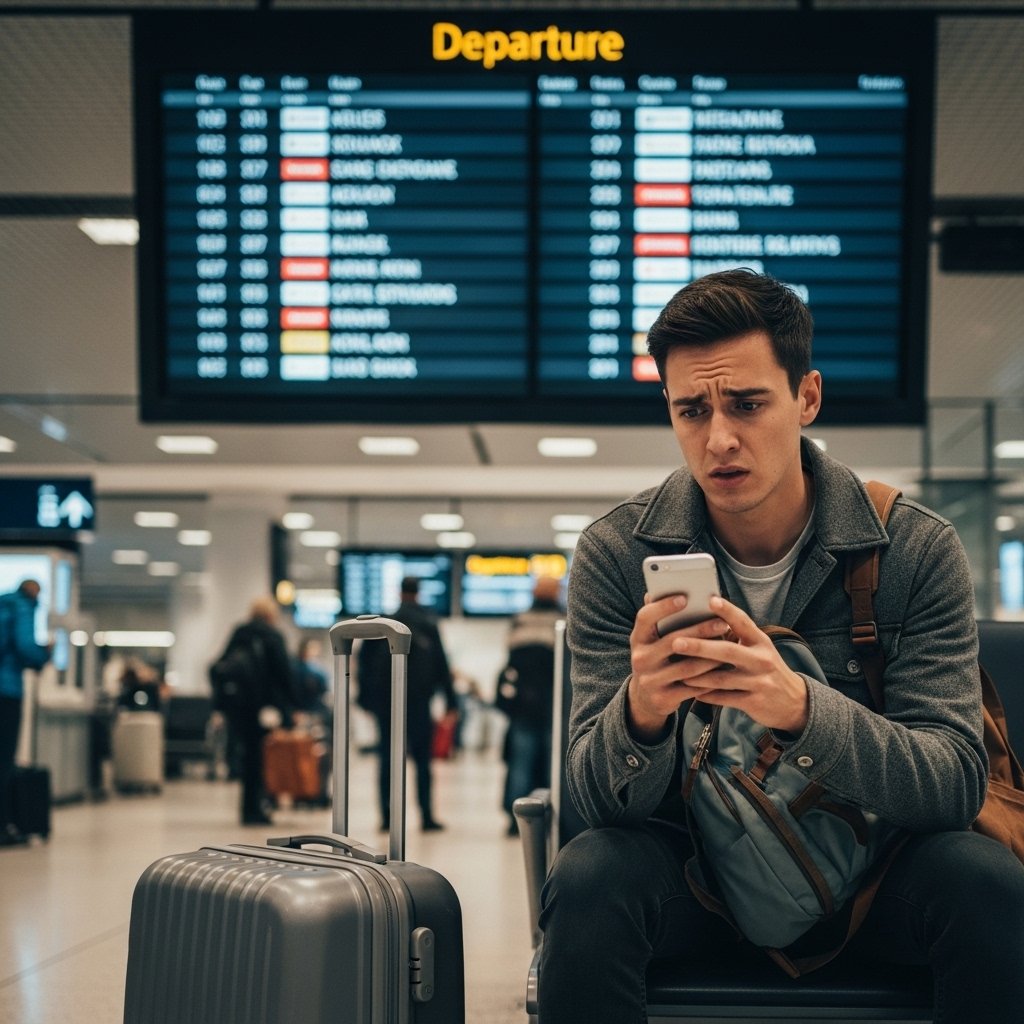
Piecing together separate one-way tickets on different airlines can sometimes yield a lower total fare than a single round-trip booking. However, this strategy comes with significant risks. When flights are on separate tickets, airlines have no obligation to accommodate you if your first flight is delayed and you miss the second. You could be stranded, forced to purchase an expensive last-minute replacement ticket.
Additionally, separate tickets mean separate baggage policies, check-in procedures, and customer service channels. If something goes wrong, resolving it becomes far more complicated. Unless the savings are substantial and you have built in generous layover time, experts generally recommend booking connecting flights on a single ticket for the protection it provides.
Waiting Too Long to Get the Right Price

The hope of snagging a last-minute deal keeps many travelers refreshing fare trackers for weeks. While prices do fluctuate, waiting too long is a gamble that often backfires. Airline pricing algorithms typically raise fares as the departure date approaches and seats fill up. Hotels in popular destinations can sell out entirely during peak seasons.
Research from travel data companies suggests that the optimal booking window varies by trip type. For domestic flights, booking one to three months in advance often yields the best prices. For international travel, two to six months ahead is typical. For hotels, booking early usually secures better selection, especially for popular properties. Setting fare alerts and booking when prices dip into your target range is a more reliable strategy than waiting indefinitely.
Ignoring Travel Insurance Options

Many travelers skip travel insurance, viewing it as an unnecessary expense. While it is true that not every trip requires comprehensive coverage, dismissing insurance outright can be a costly mistake. Medical emergencies abroad, trip cancellations, lost luggage, and travel delays can result in expenses running into thousands of dollars.
Experts recommend evaluating insurance based on trip cost, destination, and personal risk factors. For expensive international trips, or travel to regions with limited healthcare infrastructure, comprehensive insurance is strongly advised. Even for domestic trips, consider whether your existing health insurance and credit card benefits provide adequate coverage. Many premium credit cards include travel protection, but the details vary widely.
Not Checking the Location Carefully

A hotel can look stunning in professional photographs yet be located far from the attractions you plan to visit. That “great deal” on accommodation loses its appeal when you are spending an hour and significant taxi fares commuting each day. Similarly, a vacation rental might be in a neighborhood that feels unsafe or lacks convenient dining options.
Before booking, take a few minutes to examine the location on a map. Check distances to key attractions, public transportation options, and the character of the surrounding neighborhood. Read recent reviews specifically mentioning the location. A slightly more expensive hotel in a central, convenient area often provides better overall value than a cheaper option on the outskirts.
Relying Only on One Booking Platform

Loyalty to a single booking website is comfortable, but it can cost you money. Different platforms negotiate different rates, offer exclusive promotions, and display varying availability. A hotel that appears sold out on one site might have rooms available on another. A flight priced at $400 on one aggregator could be $350 on a competitor.
Smart travelers check at least three sources: a major aggregator, the airline or hotel’s direct website, and possibly a membership-based service like AAA or Costco Travel. Direct bookings often come with added benefits such as loyalty points, flexible cancellation, or complimentary upgrades. The few extra minutes spent cross-checking can uncover meaningful savings.
Missing Reviews by Recent Travelers

Online reviews are invaluable, but only if they are current. A hotel that earned glowing reviews two years ago might have since changed management, deferred maintenance, or cut services. Relying on outdated feedback can lead to disappointment when the reality does not match expectations.
Experts advise focusing on reviews from the past six months, paying particular attention to comments about cleanliness, service quality, and whether the property matches its photos. Look for patterns rather than isolated complaints. If multiple recent reviewers mention the same issue — noise, dated rooms, or poor Wi-Fi — take it seriously. Recent, detailed reviews are among the most reliable predictors of your experience.
Booking at Unusual Hours Without Double-Checking

Late-night booking sessions, fueled by excitement or the fear of missing out, are prime territory for errors. Tired minds are more likely to select wrong dates, misspell passenger names, or choose the wrong airport. These seemingly minor mistakes can be expensive or time-consuming to correct, and in some cases — like non-refundable tickets with name errors — they can be catastrophic.
If you find yourself booking in the wee hours, make it a rule to review every detail twice before confirming. Better yet, save your selections and complete the booking in the morning with fresh eyes. The fare is unlikely to change overnight, but your ability to catch mistakes will be vastly improved.
Leaving Airport Choices Behind

Many major cities are served by multiple airports, and the one you choose can significantly impact your trip. A flight into a secondary airport might be cheaper, but if it is an hour farther from your destination, the savings can evaporate in ground transportation costs and wasted time. Conversely, the main airport might have better public transit connections.
Before booking, compare the total cost and convenience of each airport option. Factor in taxi or rideshare fares, parking fees, public transit availability, and travel time to your accommodation. Sometimes paying slightly more for a flight into the more convenient airport is the smarter financial decision. A brief analysis of airport logistics before booking can save hours of hassle upon arrival and departure.
Ultimately, the common thread running through all these booking pitfalls is haste. The travel industry is designed to encourage quick decisions — countdown timers, scarcity warnings, and personalized “deals” all push travelers toward immediate action. By recognizing these pressures and deliberately slowing down, comparing options, reading details, and thinking through logistics, you can avoid the most common booking mistakes. The few extra minutes of diligence will pay dividends in savings, peace of mind, and a smoother travel experience from departure to return.