 Sarah Grey
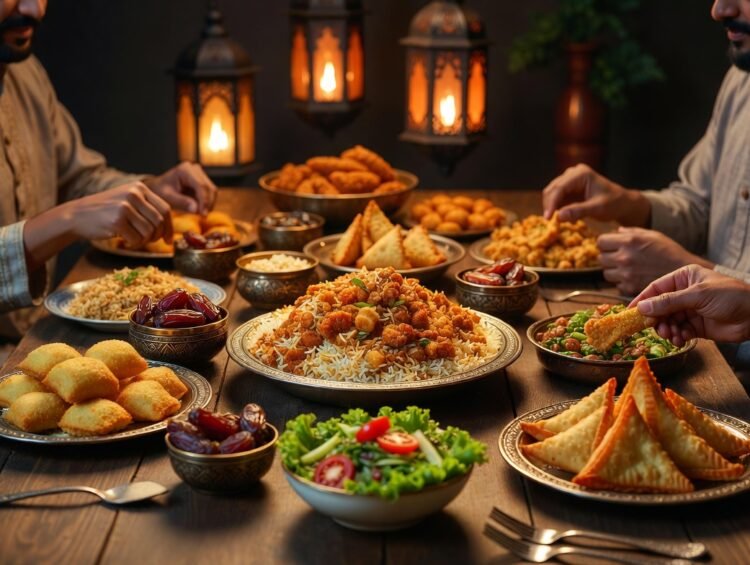
There is a particular stillness to a Ramadan evening just before iftar. The day of fasting is nearly done, the table is set, and the whole household gathers in quiet anticipation. When the call to prayer sounds, the fast is broken, traditionally with dates and water, and then the real celebration begins: a table full of dishes made with love, meant to be shared slowly and gratefully among family and friends.
Iftar is about far more than food. It is the daily reunion that anchors the holy month, a time when families reconnect after busy days, neighbors exchange plates across fences, and childhood memories simmer in every pot. The dishes below span the arc of a perfect iftar, from the first sweet bite to the last cooling sip, each one chosen to nourish the body, comfort the spirit, and bring people together around one table.
Dates and Fresh Fruit Platter
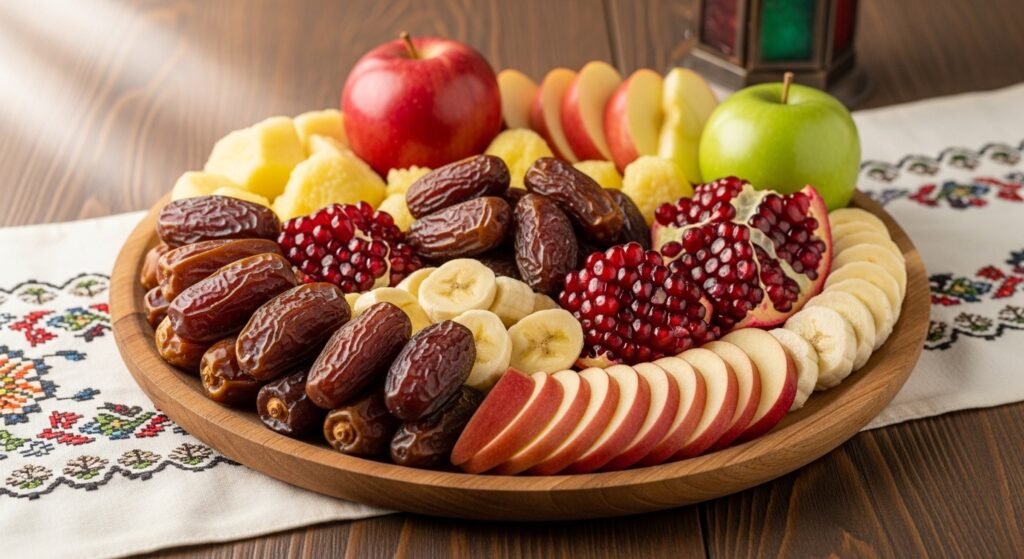
Every iftar begins the same way it has for centuries: with dates. Breaking the fast with dates is a Sunnah, the practice of the Prophet Muhammad, and it is also simply wise nutrition, the natural sugars restore energy gently after a long day without food or water, without shocking the stomach. Medjool dates, soft and caramel-sweet, are the classic choice, arranged alongside sliced apples, pomegranate seeds, bananas, and whatever fruit is in season.
A beautiful fruit platter does more than start the meal; it sets the tone for everything that follows. Light, fresh, and colorful after a day of restraint, it wakes up the palate without overwhelming it. Keep the platter generous and the arrangement simple, this is hospitality in its purest form, and it is always the first thing guests reach for when the fast ends.
Classic Fruit Chaat
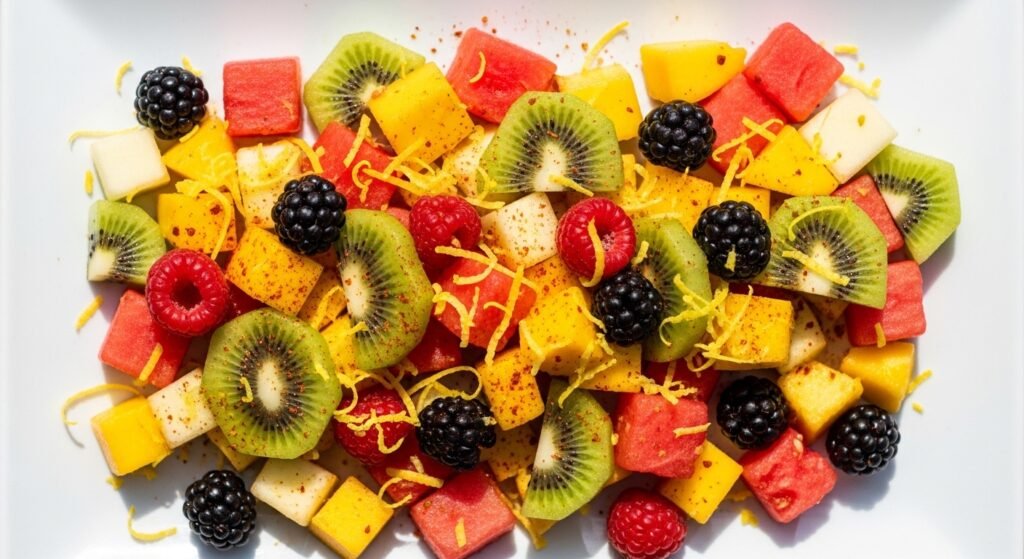
Fruit chaat is the beloved South Asian answer to a fruit salad: chopped seasonal fruits tossed with chaat masala, a squeeze of fresh lemon, and sometimes a pinch of black salt for depth. The tangy, savory-spicy seasoning transforms ordinary fruit into something utterly craveable, sweet, sour, and salty all in a single bite. Mango, grapes, oranges, apples, guava, and bananas all work beautifully together.
It takes only minutes to assemble and disappears just as fast from the table. The bright, zesty flavors stimulate the appetite after a day of fasting, making fruit chaat the perfect bridge between the opening dates and the heavier dishes to come. Make a big bowl, because there are never, ever leftovers.
Crispy Vegetable Pakoras
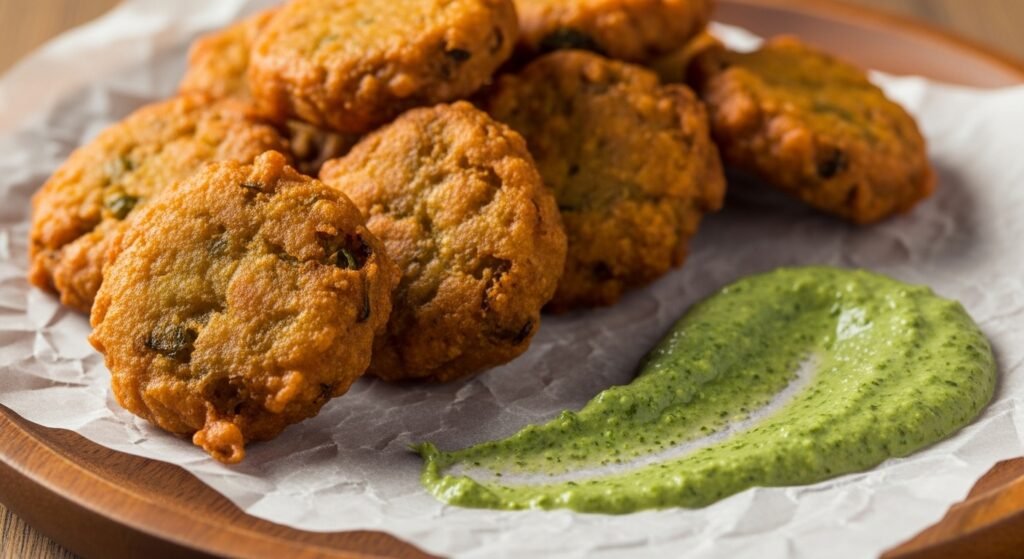
No iftar spread is complete without something hot and crispy from the fryer, and pakoras are the undisputed favorite across South Asia and beyond. Sliced onions, potatoes, spinach, or cauliflower are dipped in a spiced chickpea-flour batter, seasoned with cumin, coriander, and chili, then fried to a deep golden brown. The contrast is irresistible: shatteringly crisp outside, soft and savory within.
Serve them piping hot with mint chutney or sweet tamarind sauce, and watch them vanish within minutes. Many families make pakora-frying a communal ritual, with everyone gathered around the stove as batch after batch comes out crackling. They are humble, inexpensive, and utterly essential, the taste of Ramadan itself for millions of people around the world.
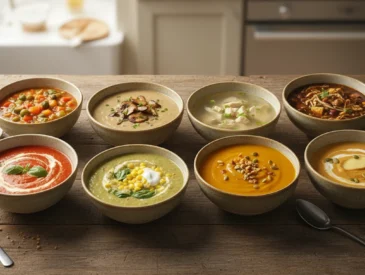
Hearty Lentil Soup
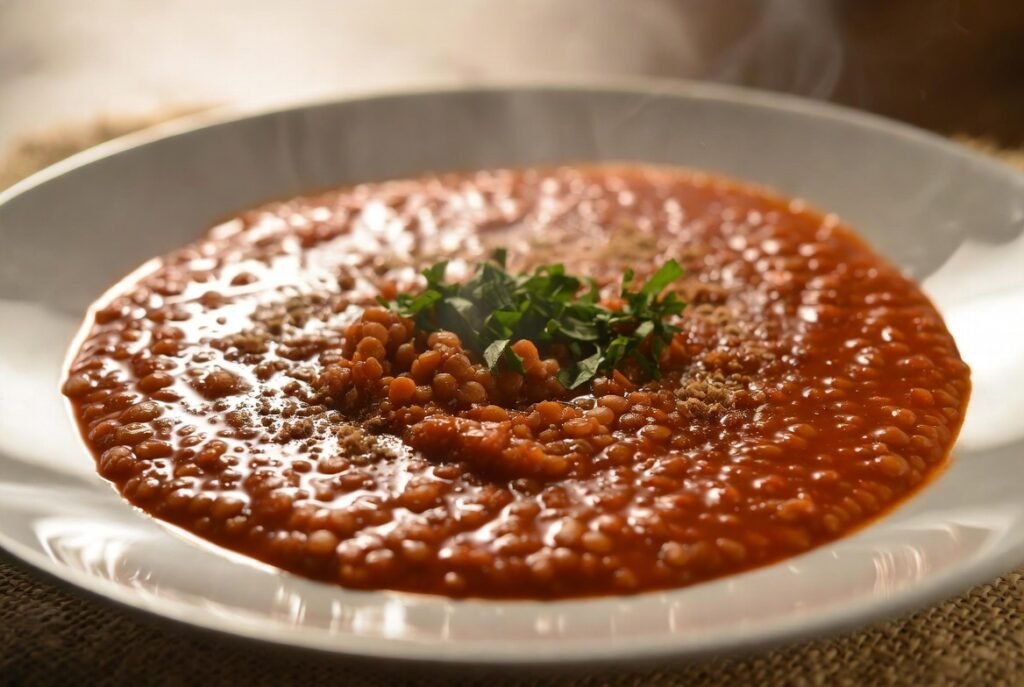
After a day of fasting, the stomach needs gentleness, and a warm bowl of red lentil soup is exactly that kindness. Red lentils simmer with garlic, onion, cumin, and turmeric until they melt into a creamy, golden, comforting soup, finished with a squeeze of lemon and a drizzle of good olive oil. It is deeply nourishing without being heavy.
Lentil soup is also one of the most practical iftar dishes imaginable: inexpensive, easy to make in large batches, rich in protein and fiber, and kind to every digestion. It bridges the opening snacks and the main course beautifully, warming everyone from the inside out. A squeeze of lemon at the table brightens each bowl, and a swirl of yogurt adds extra comfort.
Chicken Samosas
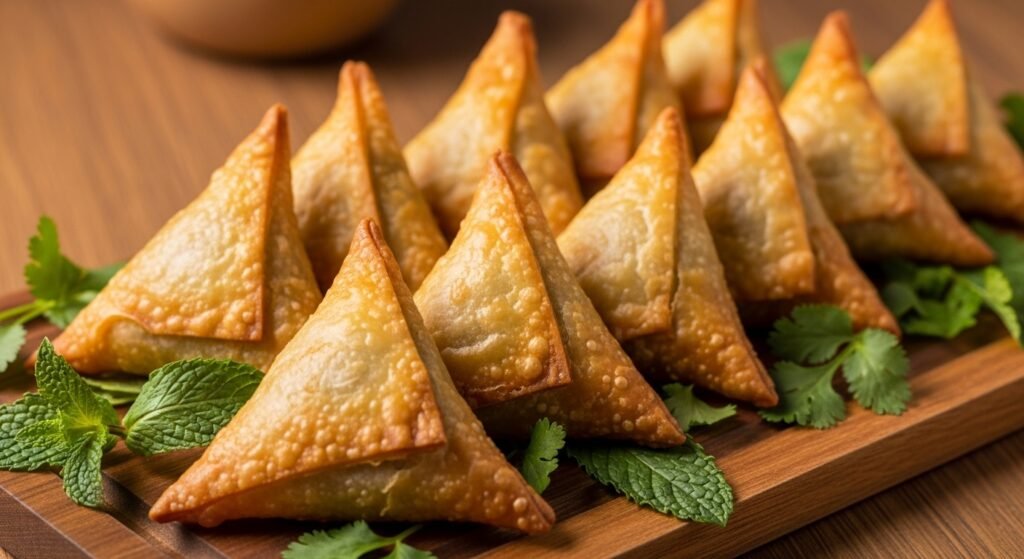
Samosas are the triangular treasures of the iftar table: crisp, flaky pastry wrapped around a fragrant filling of spiced minced chicken, peas, potatoes, and fresh herbs. Each one is a perfect two- or three-bite package, savory, warming, and deeply satisfying. Homemade samosas, folded by hand with care, taste immeasurably better than any store-bought version ever could.
Many families turn samosa-making into a cherished pre-Ramadan tradition, folding and freezing hundreds in the days before the month begins, then frying them fresh each evening. The assembly line, rolling, filling, sealing, becomes its own memory-making ritual across generations. Serve with mint chutney and watch the plate empty before the main course even arrives.
Dahi Vada
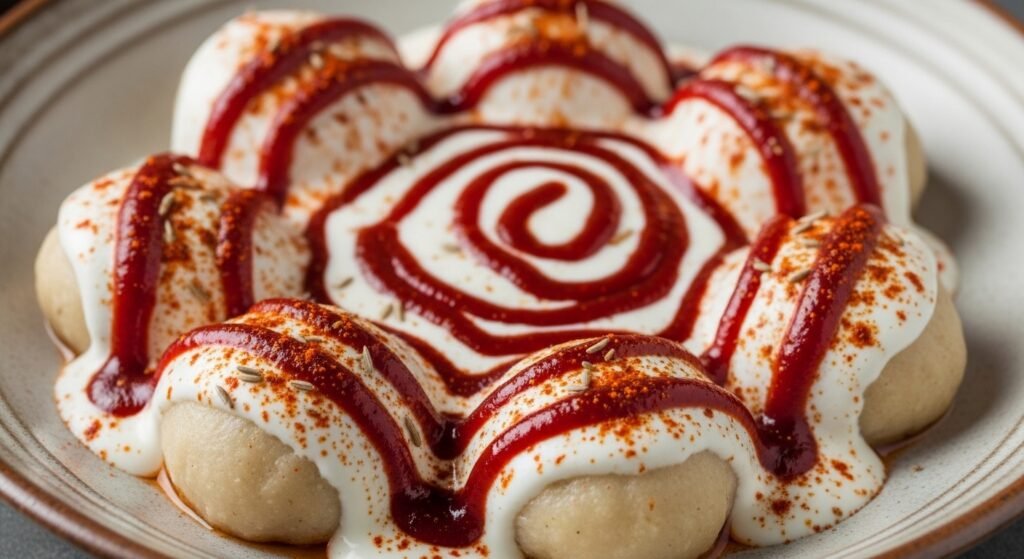
Amid all the fried and spiced dishes, dahi vada brings welcome cool relief. Soft lentil dumplings are soaked until pillowy-light, then nestled in creamy whipped yogurt and crowned with sweet tamarind chutney, roasted cumin powder, and a dusting of chili. Each spoonful is tangy, sweet, creamy, and soothing all at once, a perfect counterpoint to the heat of the pakoras and samosas.
Dahi vada is best served chilled, making it a refreshing contrast on the iftar table. It is also a dish that improves as it sits, the dumplings slowly absorbing the seasoned yogurt, so it can be assembled ahead of time, a genuine blessing during busy Ramadan evenings. Festive yet homely, it balances the whole spread beautifully.
Chicken Biryani
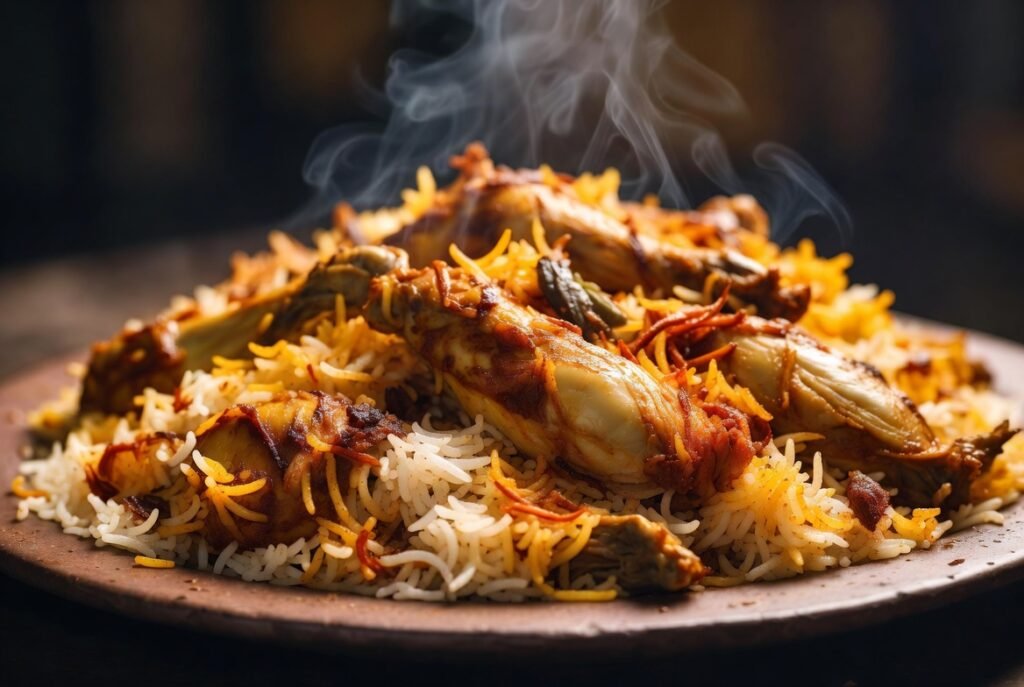
When biryani is on the iftar menu, it takes undisputed center stage. Layers of fragrant long-grain basmati rice, golden saffron milk, crispy fried onions, fresh mint and coriander, and tender marinated chicken are sealed in a heavy pot and steamed on low heat until the aromas meld into something transcendent. Lifting the lid releases a cloud of spice that draws everyone to the table at once.
Biryani is celebration food, the dish that turns an ordinary evening into a genuine occasion. It feeds a crowd generously from a single pot, tastes even better the next day as the flavors deepen, and pairs perfectly with cooling cucumber raita. During Ramadan, a pot of biryani shared with family and neighbors is an act of love made edible.
Seekh Kebabs
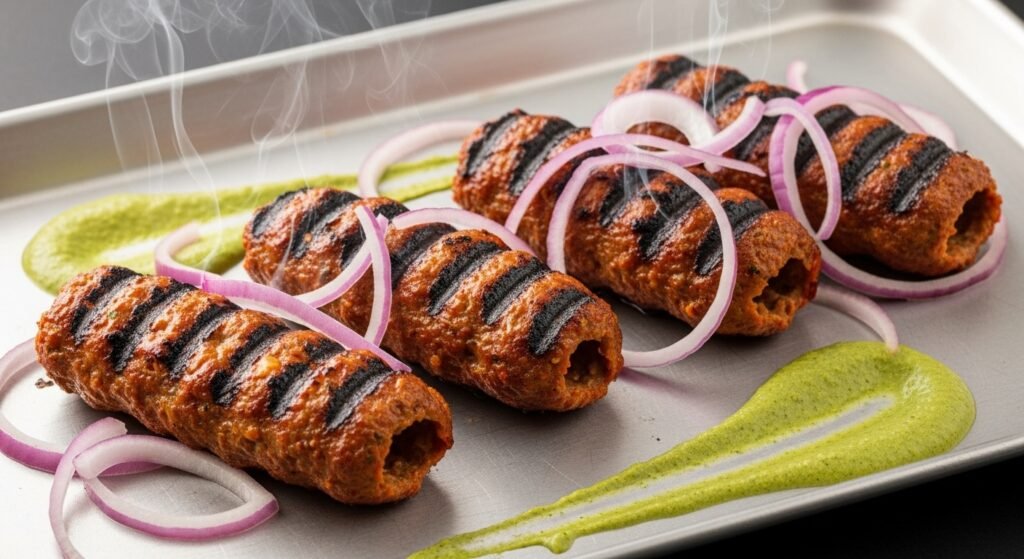
Seekh kebabs bring the smoke and theater of the grill to the iftar table. Ground meat is kneaded with grated ginger, garlic, green chilies, fresh coriander, and warm garam masala, shaped by hand onto long skewers, and grilled over high heat until charred at the edges and juicy within. The smoky aroma alone is enough to gather a hungry crowd.
Serve them sizzling hot with sliced red onions, lemon wedges, and vibrant green chutney, alongside fragrant rice or tucked into warm naan with extra sauce. They are protein-rich and deeply satisfying after a day of fasting, and the hands-on eating, pulling tender meat from skewers, sharing, passing plates, makes them inherently communal and joyful.
Freshly Baked Naan
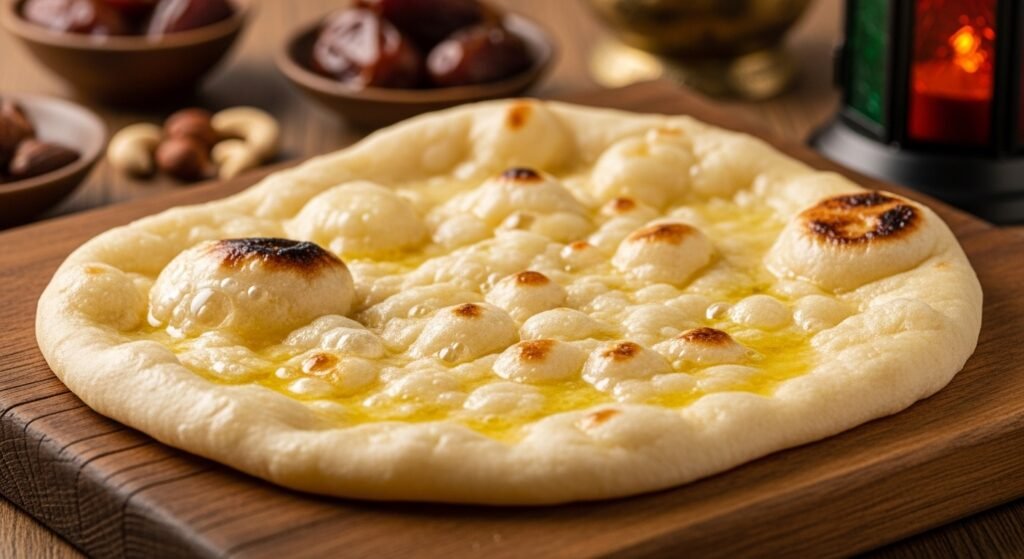
Every curry, kebab, and stew at the iftar table needs its perfect vehicle, and fresh naan is the finest one there is. Soft, pillowy, and blistered from intense heat, brushed generously with melted butter or ghee and sometimes scattered with garlic or nigella seeds, naan is as much a joy to tear as it is to eat. Homemade naan, puffed in a screaming-hot oven or on a cast-iron skillet, beats restaurant versions with ease.
Naan is also the great unifier of the table: everyone reaches, tears, scoops, and shares from the same basket, breaking bread together in the most literal sense. Keep a tall stack wrapped in a clean cloth so it stays warm and soft, and make more than you think you could possibly need. There is simply no such thing as leftover naan at iftar.
Sheer Khurma
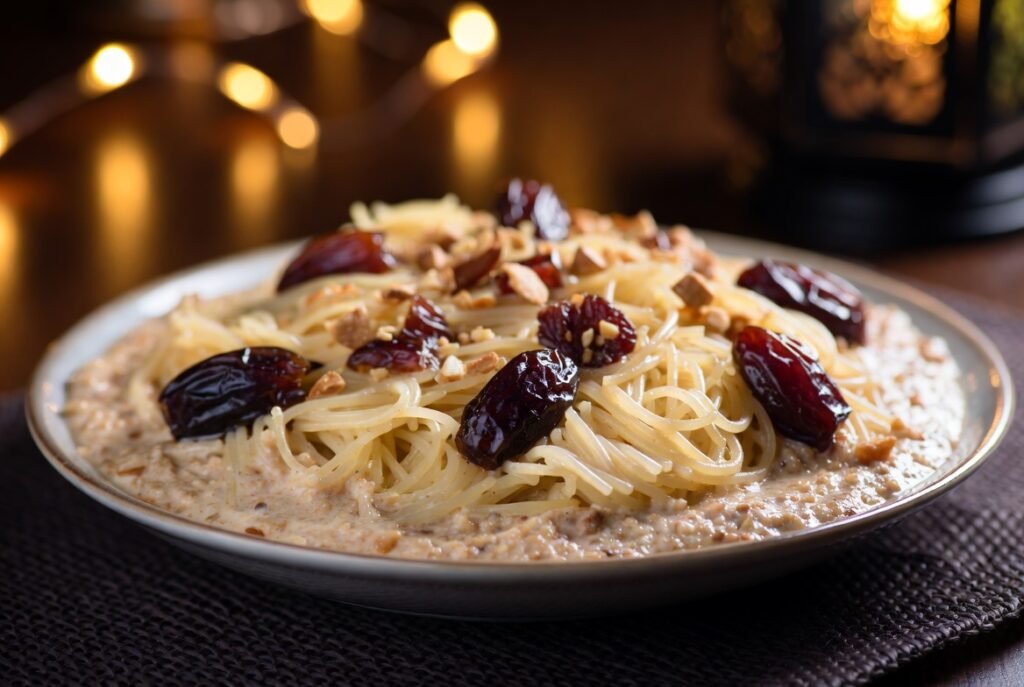
Sheer khurma is the dessert most inseparable from Ramadan and Eid: fine roasted vermicelli simmered slowly in sweetened milk with chopped dates, then studded generously with toasted almonds, pistachios, cashews, and plump raisins, all perfumed with green cardamom. Served warm, it is pure comfort in a bowl; served chilled, it is refreshing and rich at the same time.
This is a dish steeped in tradition, made in enormous pots and shared with neighbors, extended family, and anyone who happens to stop by. The slow simmering fills the entire house with the scent of cardamom and toasted nuts, announcing that the sweet end of the evening has arrived. Every spoonful tastes like celebration and homecoming at once.
Rose and Basil Sharbat
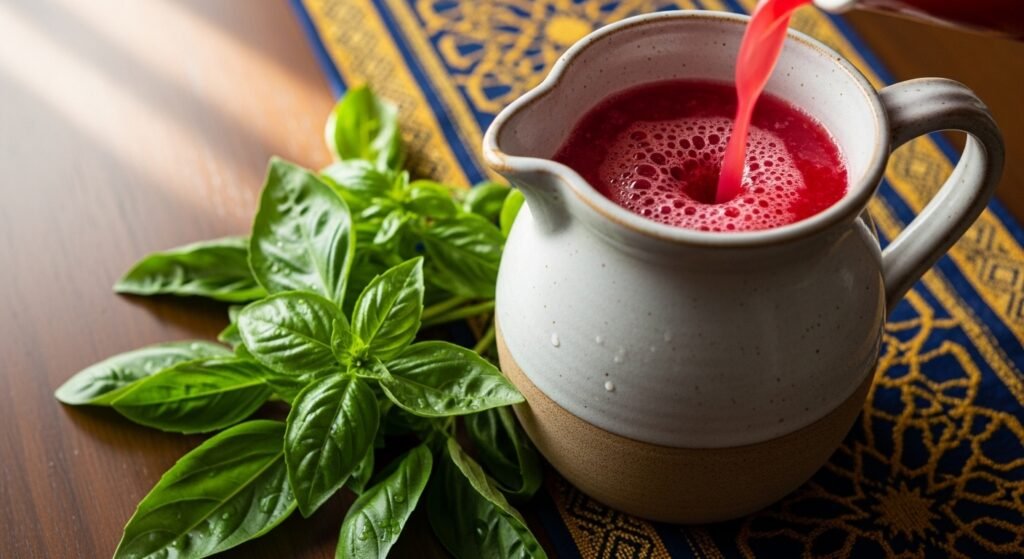
After the savory feast, a tall glass of rose sharbat is pure refreshment. Fragrant rose syrup stirred into chilled water or cold milk, sometimes with basil seeds that plump into delicate, glistening pearls, creates a drink that is floral, lightly sweet, gently cooling, and beautiful to behold. It settles the palate and rehydrates the body gently after the long fast.
Sharbat is as lovely to look at as it is soothing to drink, blush-pink in a plain glass, fragrant with rose, jewel-like with basil seeds. It is the peaceful full stop at the end of the iftar sentence, sipped slowly as conversation stretches late into the night. Simple, traditional, and exactly right for the moment.
The Spirit of the Iftar Table
These eleven dishes trace the perfect arc of an iftar evening: the natural sweetness of dates, the brightness of fruit chaat, the irresistible crunch of pakoras and samosas, the deep comfort of lentil soup, the festivity of biryani and kebabs shared from common platters, and the gentle landing of sheer khurma and rose sharbat. Together they form a meal that nourishes on every level, body and soul alike.
But the recipes are only half the story. The other half is who you share them with: the family gathered close, the neighbor invited in, the extra plate sent across the street. Ramadan teaches that food tastes better when it is shared, and that a table surrounded by loved ones is the greatest blessing of all. Whether your iftar is an elaborate spread or a simple, heartfelt meal, prepare it with intention and share it generously. That is the spirit of Ramadan, and it makes every single evening special.