
 Sarah Grey
Food allergies are among the most misunderstood health topics around. Well-meaning advice from friends, outdated ideas, and internet folklore have created a thicket of myths that can lead to confusion, unnecessary anxiety, and even dangerous decisions. Knowing the difference between fact and fiction is essential for anyone managing a food allergy, or cooking for someone who has one.
Food allergies involve the immune system and can affect daily life in serious ways. Yet not every reaction to food is an allergy, and not every allergy behaves the way people assume. Here are eleven of the most common food allergy myths, debunked with clear, straightforward facts.
Myth: Food Allergies and Food Intolerance Are the Same

This is one of the most widespread mix-ups. A food allergy is an immune system response: the body mistakenly identifies a food protein as a threat and launches an attack that can range from hives to life-threatening anaphylaxis. A food intolerance, by contrast, involves the digestive system, such as difficulty breaking down a food component, and is generally uncomfortable rather than dangerous.
Why the distinction matters: allergies require strict avoidance and emergency planning, while intolerances can often be managed by limiting portion sizes. Confusing the two can lead to either unnecessary fear or dangerous complacency. If you are unsure which you have, an allergist can help you find out.
Myth: Only Children Have Food Allergies
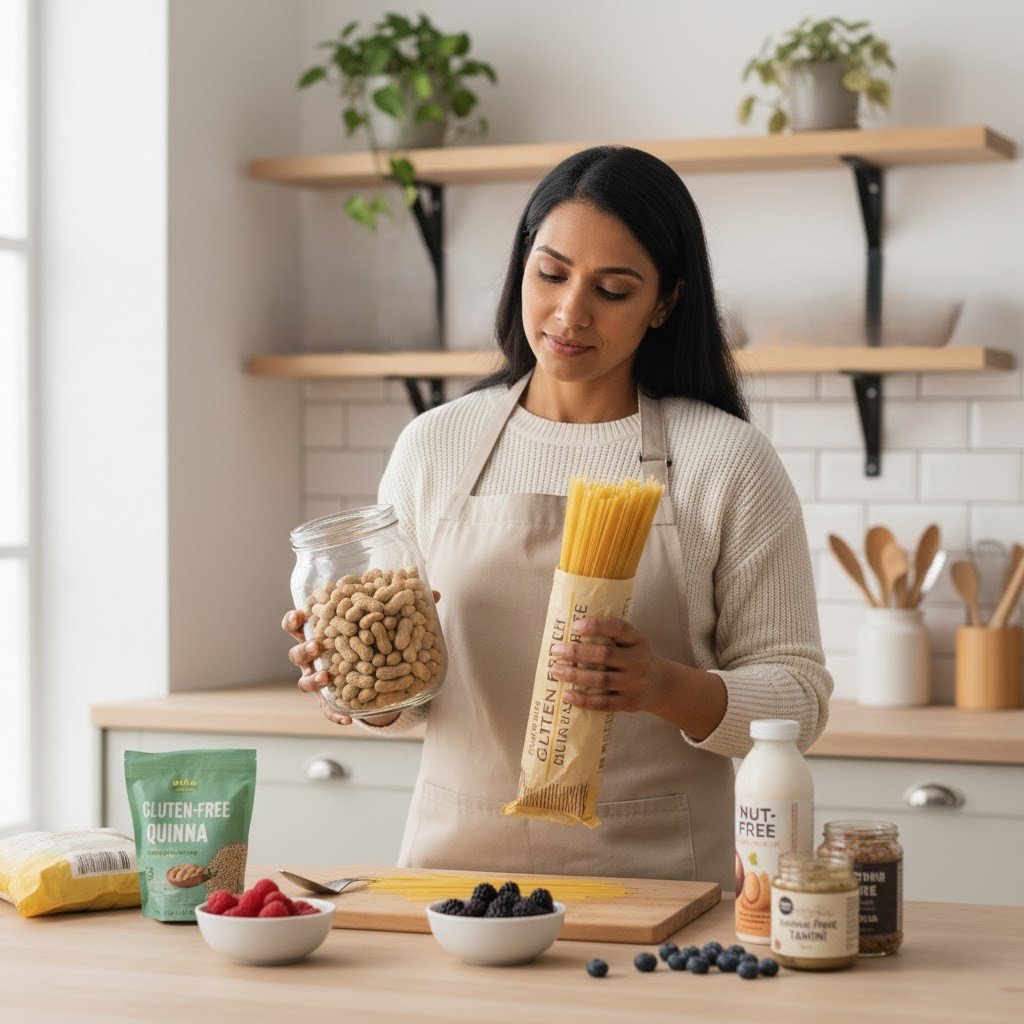
Many people assume food allergies are a childhood issue, but adults can and do develop them. Research shows that a significant portion of adults with food allergies developed at least one after age 18. Shellfish, tree nut, and peanut allergies are among the most common adult-onset types.
Some childhood allergies, like milk and egg, are often outgrown, while others, such as peanut, tree nut, and shellfish allergies, tend to persist for life. The takeaway: new symptoms at any age deserve proper evaluation, not dismissal.
Myth: A Small Amount of Allergen Is Always Safe

For someone with a true food allergy, even trace amounts can trigger a reaction. This is why cross-contamination matters so much: shared cutting boards, fryers, or utensils can transfer enough protein to cause symptoms in highly sensitive individuals. There is no universally safe threshold.
Sensitivity varies from person to person, which is why individual guidance from an allergist is so important. Never assume a tiny taste is harmless, and always take ingredient and cross-contact warnings seriously.
Myth: Food Allergies Are Always Severe

Not every allergic reaction is a dramatic emergency. Many are mild: itchy mouth, a few hives, or slight swelling. But here is the critical nuance: a history of mild reactions does not guarantee the next one will be mild. Reactions can escalate unpredictably, which is why every food allergy deserves respect.
Anyone diagnosed with a food allergy should discuss an emergency action plan with their doctor, including whether to carry epinephrine. Treating mild symptoms seriously is not overreacting; it is smart preparation.
Myth: Lactose Intolerance Is a Food Allergy

Lactose intolerance is frequently confused with milk allergy, but they are entirely different conditions. Lactose intolerance means the body does not produce enough lactase enzyme to digest lactose, the sugar in milk, leading to bloating and discomfort. A milk allergy is an immune reaction to milk proteins like casein and whey, and it can be life-threatening.
Management differs completely: lactose-intolerant people can often enjoy lactose-free dairy or small amounts of hard cheese, while those with milk allergy must avoid all milk proteins strictly. Getting the diagnosis right changes everything about how you eat.
Myth: Cooking Removes All Allergens

Heat does not reliably destroy allergenic proteins. While some people with certain fruit or vegetable allergies can tolerate cooked versions, the major allergens in peanut, tree nuts, fish, and shellfish remain potent after cooking. Frying, baking, and boiling do not make these foods safe.
Never assume a cooked dish is safe for an allergic person without checking. When cooking for someone with allergies, treat every ingredient as suspect until verified, and be aware that cooking methods and shared equipment can spread allergens rather than eliminate them.
Myth: Skin Tests Alone Confirm Food Allergies

Skin prick tests are useful screening tools, but a positive result alone does not confirm a food allergy. These tests detect sensitization, the presence of allergy antibodies, which does not always translate into real-world reactions. False positives are common and can lead to unnecessary food avoidance.
Proper diagnosis combines skin or blood testing with a detailed medical history and, when needed, a supervised oral food challenge, the gold standard. If you have been avoiding foods based on a single test, an allergist can help determine what is truly necessary.
Myth: Avoiding Allergens for Years Cures Allergies

Simply avoiding a food for years does not guarantee the allergy will disappear. Some allergies, particularly to milk and egg, are commonly outgrown in childhood, but many others persist for life regardless of avoidance. Reintroducing a food on your own to test whether the allergy is gone can be dangerous.
Any reintroduction should happen under medical supervision. Allergists can use testing and supervised challenges to determine whether an allergy has resolved, and emerging treatments like oral immunotherapy are changing the landscape for some patients.
Myth: Natural Foods Cannot Cause Allergies
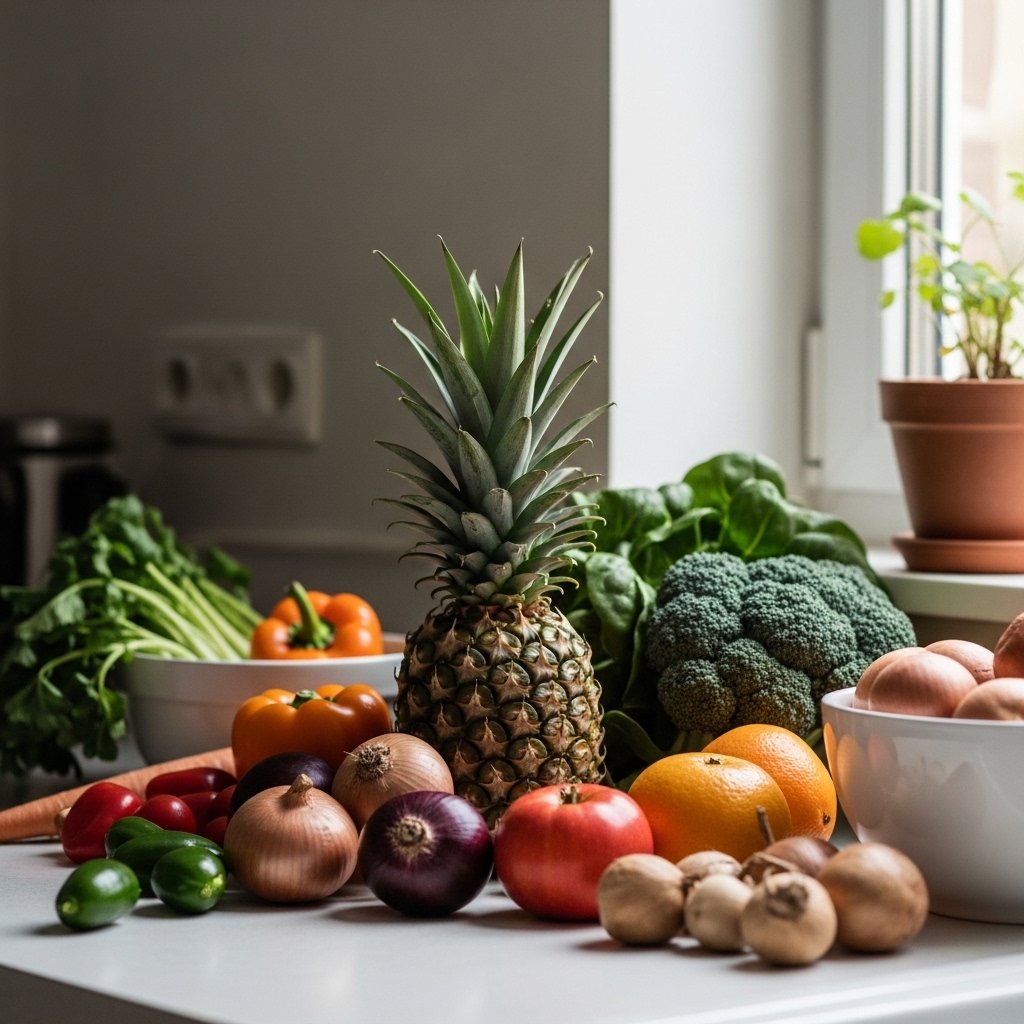
Natural, organic, or minimally processed foods can absolutely cause allergic reactions. The immune system reacts to specific proteins, and it does not care whether those proteins come from an organic farm or a factory. Peanuts, tree nuts, and shellfish are all completely natural, and all are among the most potent allergens known.
Labels like natural and organic describe production methods, not safety for allergic individuals. Always read ingredient lists regardless of how wholesome a product sounds, and remember that the most natural foods on earth can be the most dangerous for the wrong person.
Myth: Food Allergies Are Rare and Uncommon

Food allergies are far more common than many people think. Millions of children and adults live with them, and prevalence has been rising in recent decades. Better awareness and diagnosis have revealed the true scale, but the numbers were always significant.
This matters because dismissing allergies as rare leads to careless attitudes in restaurants, schools, and social settings. Understanding that allergies are common encourages the careful food handling and clear communication that keep everyone safe.
Myth: Reading Labels Is Not Necessary Every Time

Many people stop checking labels once a product becomes a trusted favorite, but formulations and manufacturing processes can change without obvious warning. A product that was safe last month may not be safe today. Reading the label every single time is one of the most important habits in allergy management.
Pay attention to precautionary labels about shared facilities too, and learn the many alternate names for your allergens. Consistent label reading takes seconds and prevents the accidental exposures that cause most reactions.
When to See an Allergist
If you suspect a food allergy, do not self-diagnose or rely on unproven testing methods. See a board-certified allergist who can take a proper history, order appropriate tests, and create a management plan. Bring notes about what you ate, when symptoms appeared, and how severe they were.
Seek emergency care for any signs of anaphylaxis: difficulty breathing, throat tightness, dizziness, or rapidly spreading hives. When in doubt, err on the side of getting help. Quick action saves lives.
Supporting Someone with Food Allergies
If someone you love has a food allergy, the best support starts with believing them and learning the facts. Take their restrictions seriously at shared meals, learn to read labels alongside them, and never pressure them to try something risky. Small acts of care, like wiping down surfaces or keeping ingredient lists handy, make social eating far less stressful.
Learn the signs of anaphylaxis and where they keep their epinephrine auto-injector. In an emergency, knowing what to do, and doing it quickly, can save a life. Being an informed ally is one of the kindest things you can do.
Teaching Children About Allergies
Children with food allergies need age-appropriate education that empowers without frightening them. Teach young kids to never share food, to ask a trusted adult before eating something new, and to tell an adult immediately if their mouth feels funny or their skin itches. Role-playing these scenarios makes the lessons stick.
As children grow, involve them in label reading and meal planning so the skills become second nature. Work with schools to ensure staff are trained and emergency plans are in place. Confident, well-informed kids manage their allergies far more safely than fearful ones.
Dining Out Safely with Allergies
Eating at restaurants requires extra vigilance. Call ahead to ask about allergy protocols, speak directly with the manager or chef rather than only the server, and be specific about your allergen and the severity of your reaction. Simple, simply prepared dishes with fewer ingredients are generally safer bets.
Carry a chef card that lists your allergens clearly to hand to kitchen staff. It bridges language gaps and ensures nothing gets lost in translation during a busy service. Never feel embarrassed about advocating for your safety; good restaurants take allergies seriously.
Knowledge Is the Best Medicine
Myths thrive where facts are scarce. By understanding what food allergies really are, and what they are not, you can make safer choices for yourself and show genuine care for the people around you who live with them every day.
Share what you have learned with family, friends, and your wider community. The more people who understand these truths, the safer every kitchen, restaurant, and classroom becomes for everyone.